Brazil Coffee Beans: Flavor Profile, Origins, and Beginner's Buying Guide
PRThis article contains affiliate links
Key Takeaways
- Brazil produces roughly one-third of the world's coffee supply
- Mild acidity and nutty, chocolate-forward flavor make it ideal for beginners
- Santos No.2 is the most balanced and widely recommended entry-level Brazilian coffee
Walk into any coffee shop and you are likely to see "Brazil" listed as an origin. As the world's largest coffee producer, Brazil is everywhere — but many people are unsure what Brazilian coffee actually tastes like, or whether it is a good fit for someone just starting to explore the world of specialty coffee.
This guide covers everything you need to know about Brazilian coffee beans: the basic characteristics that define the origin, the major growing regions and varieties, a detailed flavor profile, recommended products, and practical tips for brewing at home. By the end, you will be able to choose and prepare a great cup of Brazilian coffee with confidence.
Characteristics of Brazilian Coffee
Brazil accounts for roughly one-third of global coffee production and has been cultivating coffee for nearly 300 years since the 18th century. That long history, combined with the country's vast territory and diverse microclimates, has made Brazil one of the most reliable and versatile origins in the world.
Why Brazilian Coffee Is Ideal for Beginners
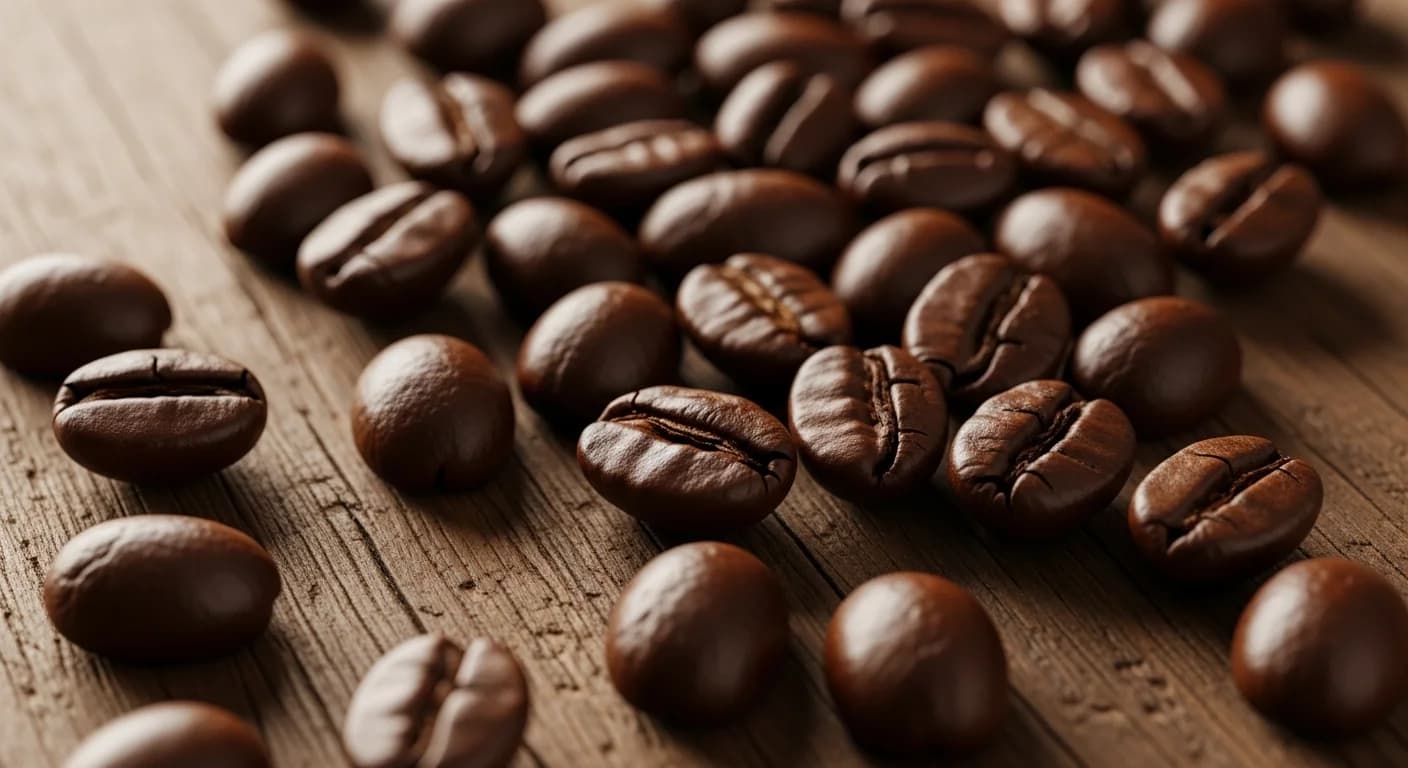
The defining characteristics of Brazilian coffee — mild acidity, low astringency, and a nutty, chocolate-forward aroma — make it one of the most approachable origins for new coffee drinkers. Its balanced flavor profile and relatively affordable price point have made it a global standard for everyday coffee.
How the Growing Environment Shapes the Flavor
Understanding Brazil's growing conditions helps explain why the coffee tastes the way it does.
- Altitude: Relatively low at 400–1,200 meters above sea level
- Climate: Warm with clearly defined rainy and dry seasons
- Soil: Nutrient-rich red laterite soil
- Sunlight: Abundant year-round
Compared to high-altitude origins in Africa or Central America, Brazilian beans develop at lower altitudes, which generally results in lower density beans with milder acidity. This environment is responsible for the smooth, well-rounded flavor that characterizes Brazilian coffee.
Processing Methods
Brazil has traditionally favored the natural (dry) processing method, in which whole coffee cherries are dried in the sun before the fruit is removed. This allows the sugars from the fruit to penetrate the bean, contributing a subtle sweetness and fruity undertone to the cup. In recent years, washed and pulped natural (honey) processes have also become more common, expanding the range of flavor profiles available from Brazilian origins.
Growing Regions and Varieties
Brazil's coffee-growing belt stretches across a large area from the southeast to the south of the country, with each region having distinct characteristics.
Minas Gerais
The largest coffee-producing state in Brazil, Minas Gerais is home to the renowned Cerrado region. Grown at altitudes of 800–1,200 meters on the high plateau, coffees from this region tend to have slightly more acidity and fruity character than the Brazilian average. Many of the specialty-grade Brazilian coffees reaching international markets come from this region.
Sao Paulo State (Santos)
Santos takes its name from the port of Santos in Sao Paulo State, through which much of Brazil's coffee has historically been exported. It is the archetype of Brazilian coffee: low acidity, moderate bitterness, clean body, and consistent quality. Santos is widely used as a blending base by roasters worldwide and is the most recommended starting point for anyone new to Brazilian coffee.
Bahia and Espirito Santo
These states have emerged as newer producing regions characterized by large-scale estates (fazendas) with mechanized harvesting. They offer excellent value and are a major source of everyday commercial-grade coffee.
Key Varieties
The main cultivated varieties in Brazil include Mundo Novo (a hybrid of Bourbon and Typica), Caturra (a compact, high-yield natural mutation), and Catuai (a cross of Caturra and Mundo Novo). Disease-resistant varieties such as Icatu and Acaia have also become more widespread in recent decades.
Flavor Profile
If you had to describe Brazilian coffee in a single phrase, it would be: smooth, approachable, and comforting. Here is a closer look at the flavor profile.
Pros
- +Mild acidity accessible to all palates
- +Nutty and chocolate-forward aroma
- +Good value for everyday drinking
- +Excellent as a blending base
Cons
- -Less fruity individuality than African origins
- -Light roast expression is more restrained
How Roast Level Affects the Cup
Light roast: The bean's natural sweetness and gentle acidity come through. Because Brazilian coffee is already low in acidity, a light roast will not produce the sharp brightness you might find with an Ethiopian coffee. Clean and lightly fruity.
Medium roast: The most characteristic expression of Brazilian coffee. The balance of acidity, bitterness, sweetness, and body is excellent, and the signature nutty and chocolate aromas really shine. Medium roast is the recommended starting point for beginners.
Dark roast: Robust bitterness and deep body dominate, with minimal acidity. Pairs beautifully with milk, making dark-roasted Brazilian coffee a popular choice for lattes, cappuccinos, and iced coffee drinks.
Recommended Products
The two products below represent the best options for those exploring Brazilian coffee for the first time or looking for a reliable everyday bean.
Brewing Tips
Brazilian coffee is one of the most versatile origins and works well with almost any brewing method. The following tips will help you get the best out of it.
Paper Drip (Most Recommended)
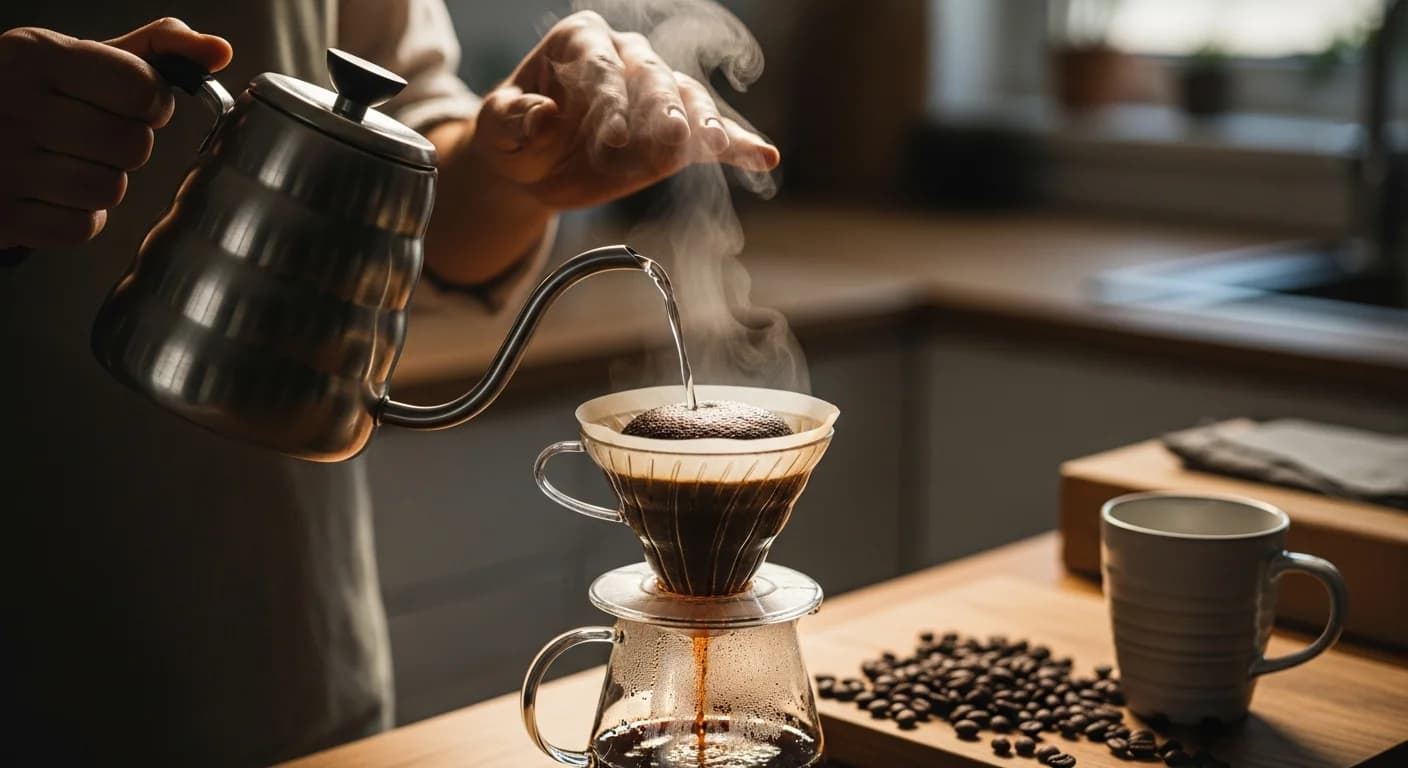
Pour-over brewing is the best method for highlighting the clean sweetness and smooth body of Brazilian coffee.
- Grind size: Medium (similar to granulated sugar)
- Water temperature: 90–92 degrees Celsius
- Coffee ratio: 10–12g per 150ml of water
- Bloom: 20–30 seconds
Taking care with the bloom — pouring just enough water to wet the grounds and waiting before proceeding — allows the sugars and aromatics to develop fully before extraction. Use a gooseneck kettle to pour slowly in a circular motion for even extraction.
French Press
For those who want to experience the full body and aroma of Brazilian coffee, French press is a great option. Use a coarse grind, 93-degree water, and steep for four minutes. Without a paper filter to absorb the oils, the cup will be noticeably richer and rounder in texture.
Espresso and Milk-Based Drinks
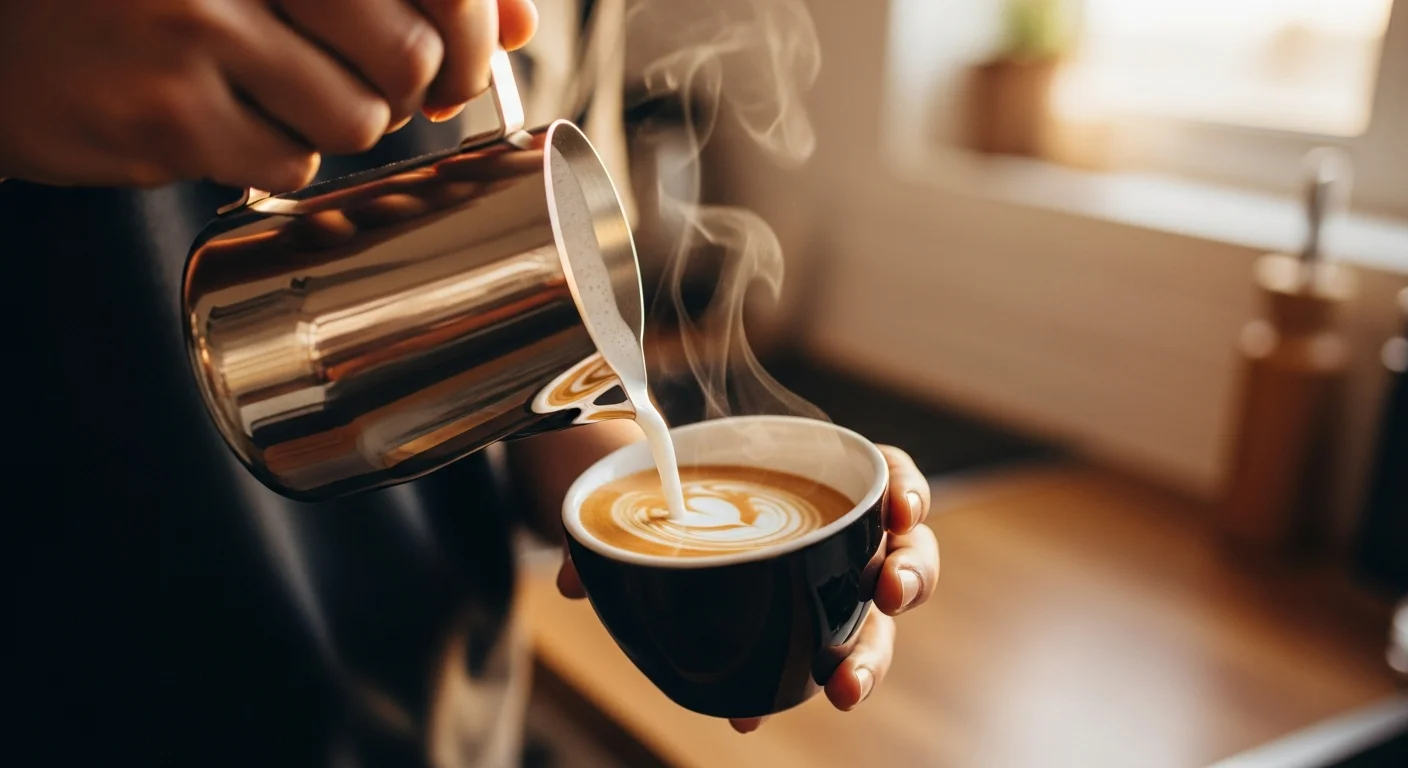
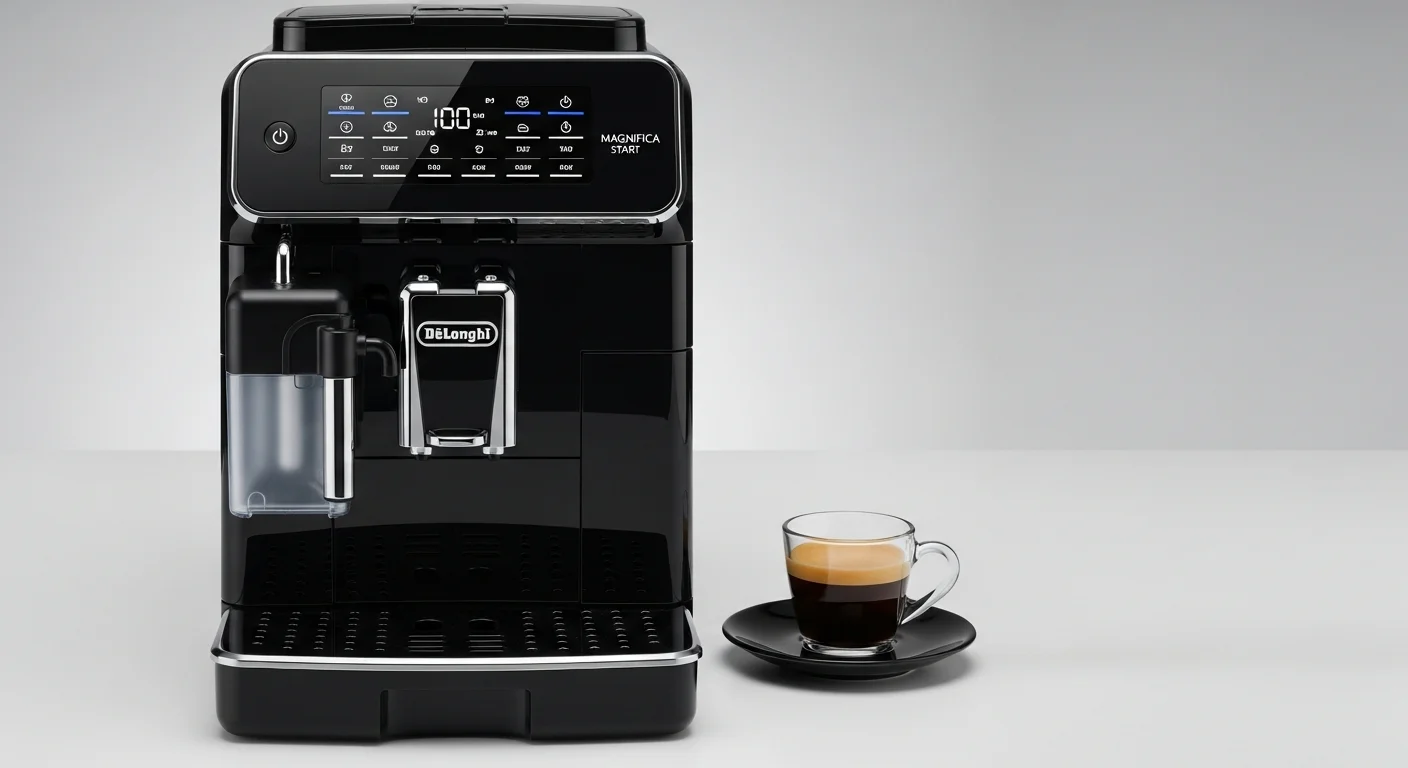
Dark-roasted Brazilian coffee is an excellent espresso base. Its substantial body holds up well when combined with steamed milk, making it a reliable foundation for lattes and cappuccinos at home.
The Right Water Temperature
For Brazilian coffee, 90–92 degrees Celsius is the optimal brewing temperature. Below 85 degrees, the sweetness and body are under-extracted; above 95 degrees, bitterness becomes excessive. If you do not have a temperature-controlled kettle, allow boiling water to rest for 30–45 seconds before pouring.
Summary
Brazilian coffee beans offer an exceptional combination of approachability, consistency, and value — qualities that have made Brazil the world's most important coffee origin for centuries.
Key takeaways:
- Mild acidity and a nutty, chocolate-forward flavor profile make Brazilian coffee the most beginner-friendly origin
- Santos No.2 is the most balanced and widely available entry-level Brazilian coffee
- Start with medium roast to experience the full character of the origin
- Brazilian coffee works well with pour-over, French press, and espresso
- Brew at 90–92 degrees Celsius for the best balance of sweetness, body, and bitterness
Whether you are just discovering coffee or looking for a dependable everyday bean, Brazilian coffee delivers excellent quality at a price that makes it easy to enjoy every day.
Related Articles
- Best Coffee Beans to Buy Online | A Beginner's Guide with Top Picks
- >-
- Complete Guide to Colombia Coffee Beans | Origin, Grades & Top Picks
- Beginner's Guide to Buying Coffee Beans | How to Choose Without Regret
- How to Choose Coffee Beans 2026 | A Complete Guide Using 5 Key Criteria
Frequently Asked Questions
QWhat does Brazilian coffee taste like?
QWhat is the most popular Brazilian coffee variety?
QWhat roast level suits Brazilian coffee best?
About the AuthorExpert Reviewed

Coffee Guide Editorial
A team of certified writers and baristas with hands-on experience at origin farms and roasteries. We deliver practical, experience-backed guides on bean selection, brewing methods, and equipment reviews.
Credentials & Experience
- J.C.Q.A. Certified Coffee Instructor
- SCA Certified Barista
- 5+ years running a specialty roasting café
- 200+ coffee beans tasted annually