Complete Coffee Maker Guide for Beginners: How to Choose the Right One
PRThis article contains affiliate links
Key Takeaways
- Overview of the four main types of coffee makers and their characteristics
- Five key criteria beginners should evaluate before buying
- Recommended products by type and essential maintenance guidance
If you want to enjoy good coffee at home but feel overwhelmed by the sheer number of options, you are not alone. Coffee makers range from simple manual drippers to fully automatic bean-to-cup machines, and the price range can span from under ten dollars to several hundred. For a first-time buyer, the choices can feel paralyzing.
This guide breaks down everything you need to know: the main types of coffee makers, what to look for when choosing one, recommended products for different brewing styles, and how to maintain your brewer so it keeps producing great coffee for years. By the end, you will be ready to make a confident, informed decision.
Types of Coffee Makers: Four Categories and Who They Suit
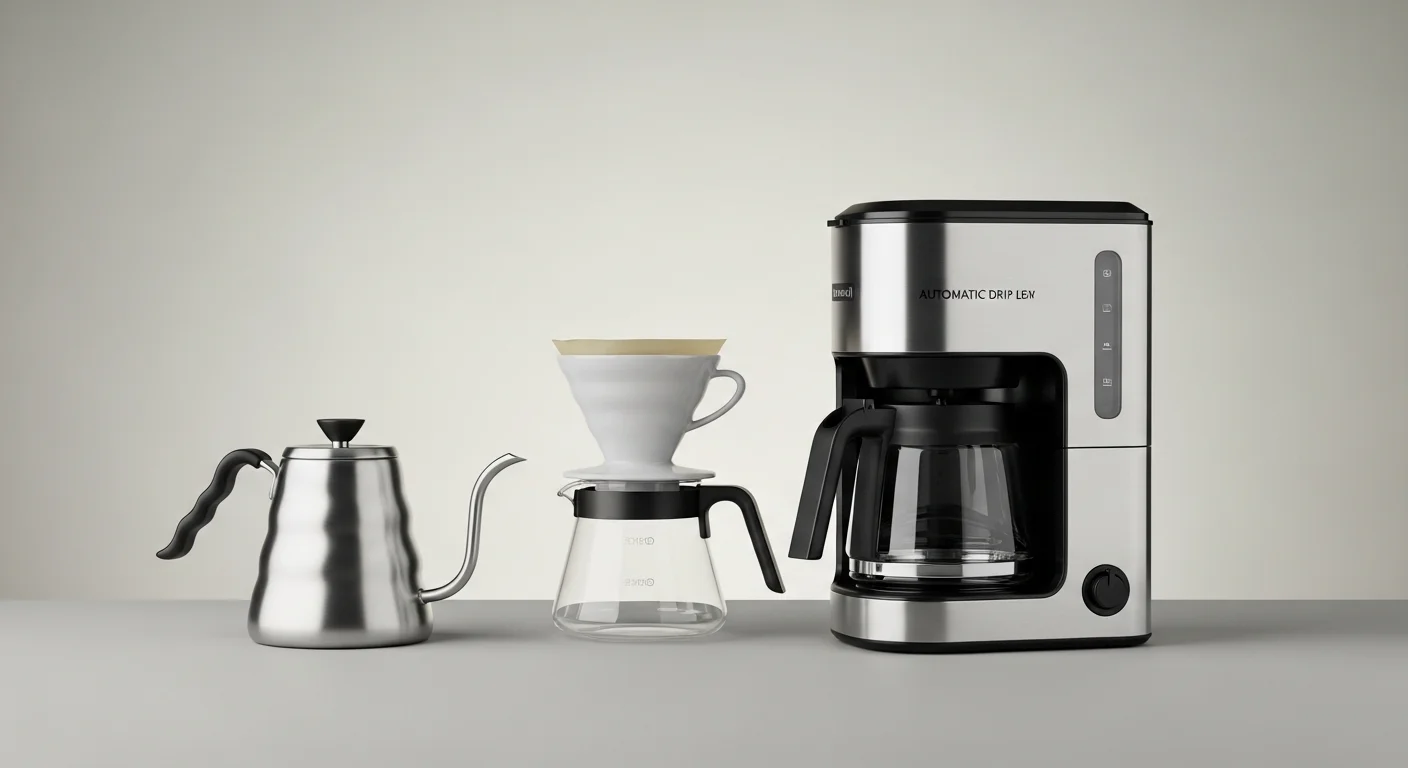
Understanding the fundamental differences between coffee maker types is the first step toward choosing the right one.
Drip Coffee Makers
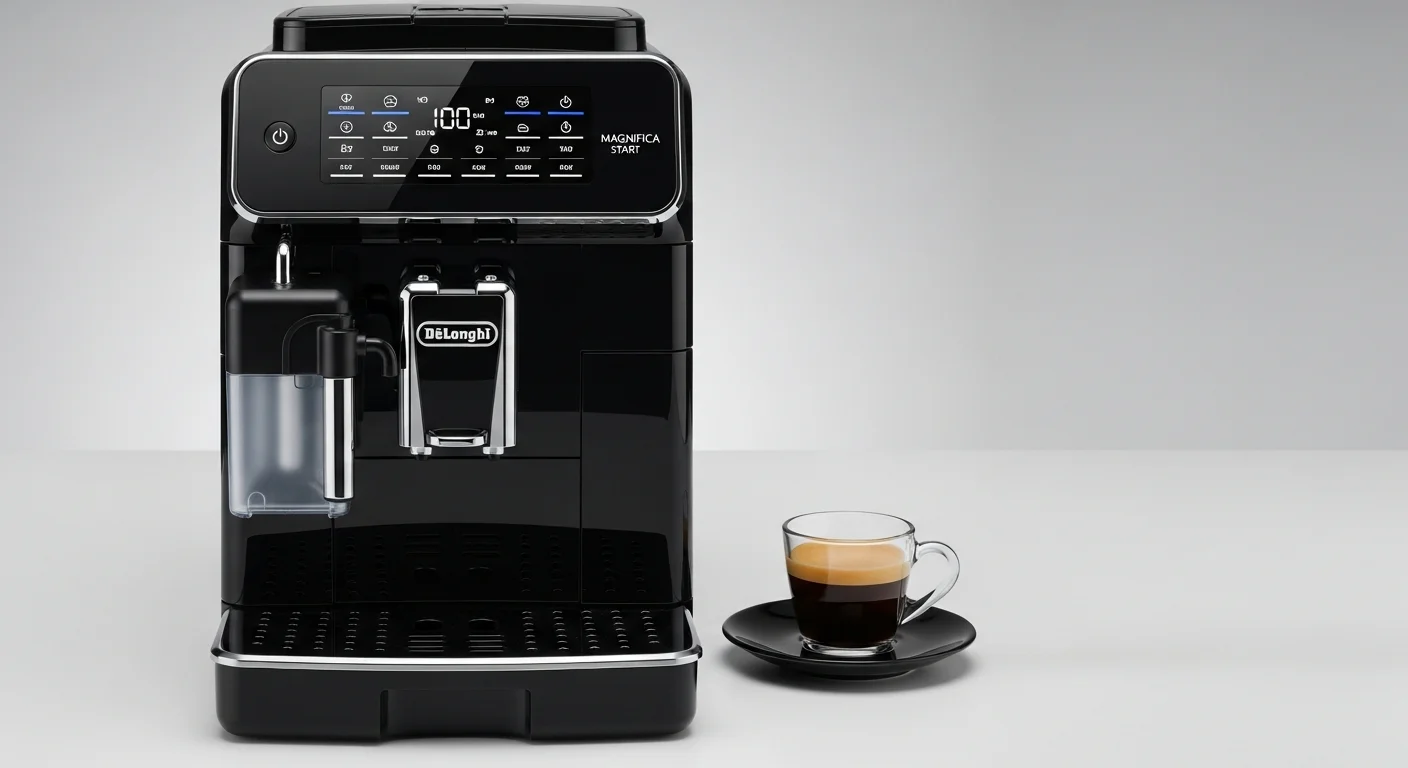
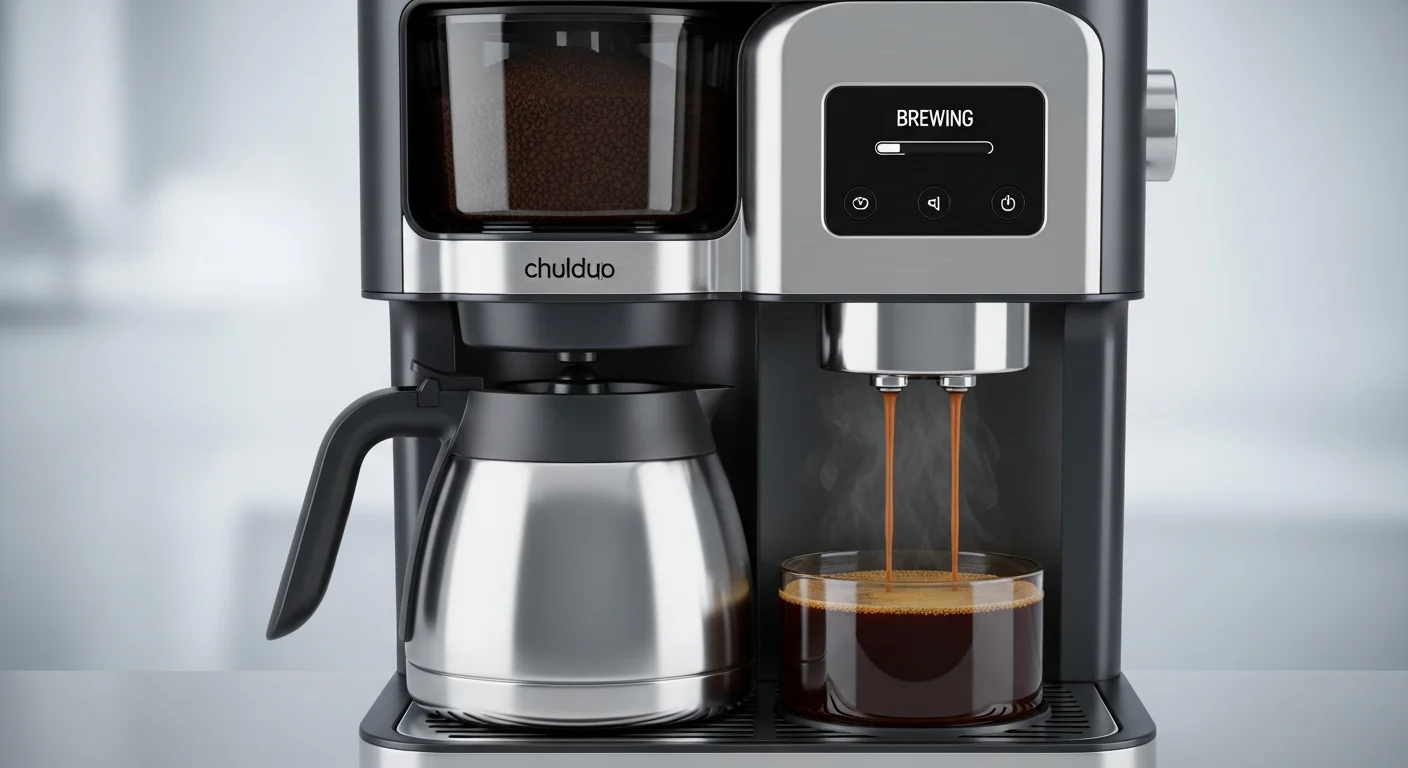
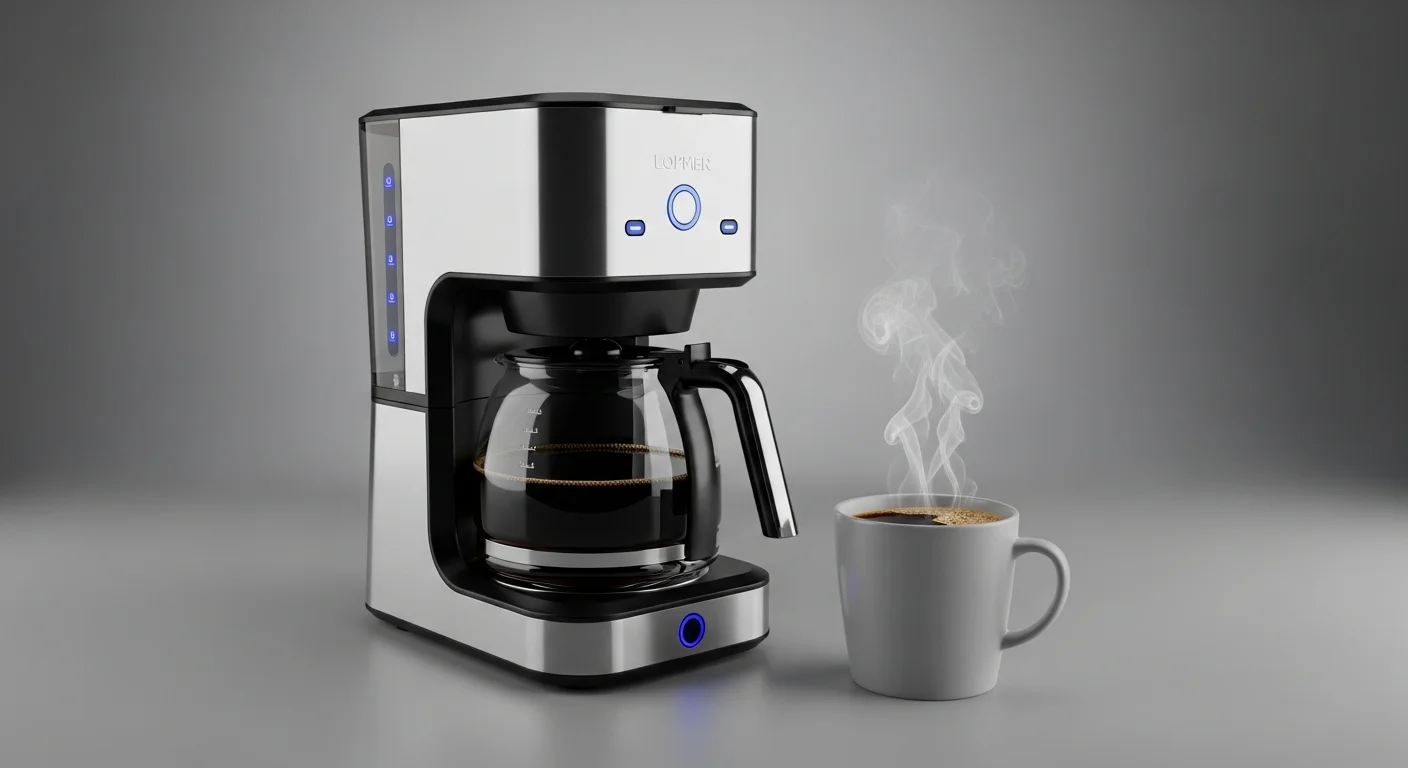
The most common type, and the best starting point for beginners. You add water and ground coffee, press a button, and the machine handles the rest. Drip makers are available across a wide price range, from budget models around $20 to premium bean-to-cup machines above $300.
Fully automatic models grind whole beans before brewing, giving you fresh-ground coffee with minimal effort. Semi-automatic models use pre-ground coffee, which reduces cost but requires you to grind or buy ground coffee separately. Either way, the operation is simple and the results are consistent.
Capsule Coffee Makers
Brands like Nespresso and Keurig popularized this type. You insert a pre-portioned capsule and press a button — nothing to measure, nothing to clean up. The result is a consistently good cup every time. The main drawbacks are the ongoing cost of capsules and the fact that you are limited to whatever capsule varieties the manufacturer offers.
Espresso Machines
These brew under high pressure to produce concentrated espresso, which forms the base for lattes, cappuccinos, and Americanos. The quality ceiling is very high, but so is the complexity and cost. Most espresso machines require practice to use well. They are better suited to someone who already enjoys coffee and wants to take it further, rather than a first-time buyer.
Manual Brewing Equipment
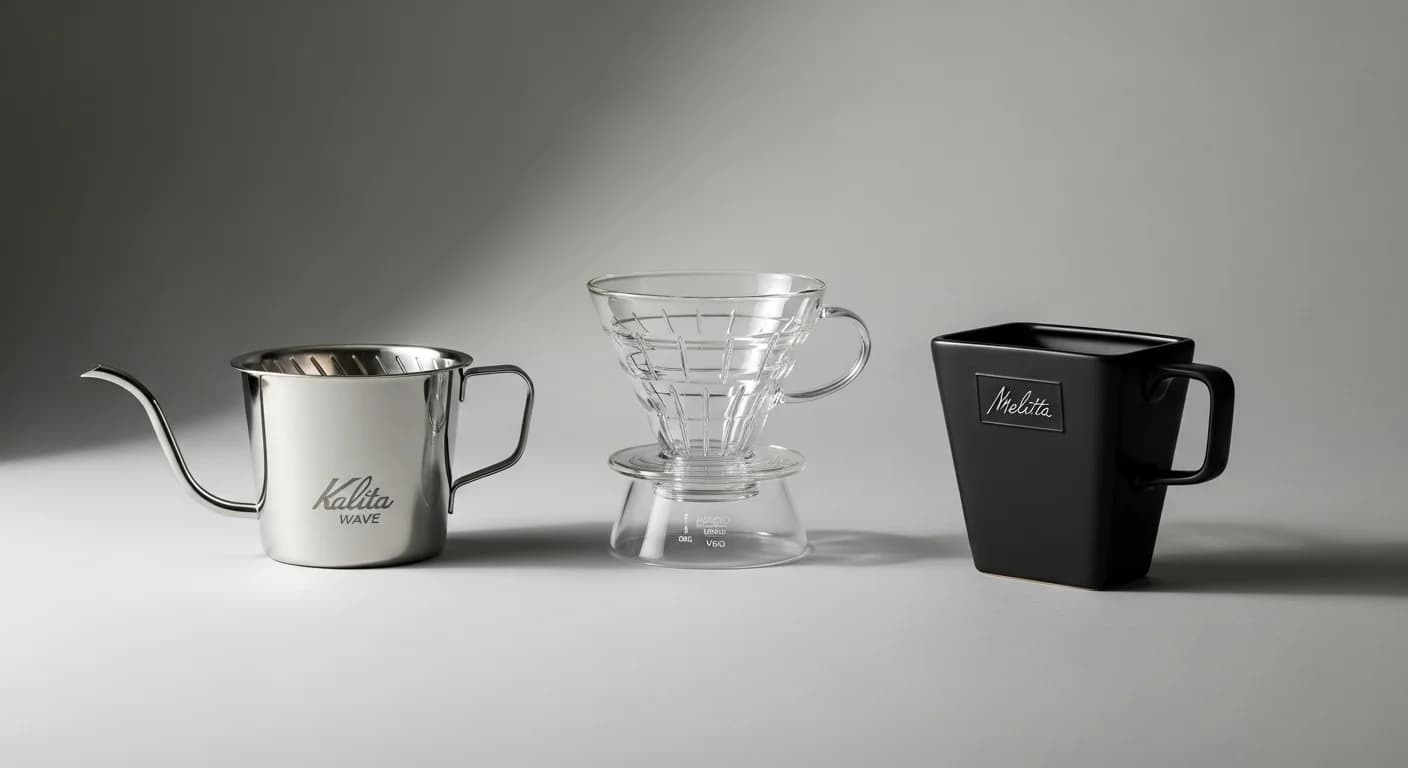
Devices like pour-over drippers and French presses are technically manual coffee makers. They offer the lowest entry cost and the most direct control over flavor, but they require some learning. For those who enjoy the process of brewing as much as the coffee itself, manual equipment can be deeply satisfying.
If this is your first coffee maker, start with a drip machine or a simple manual dripper. Both are forgiving, affordable, and flexible enough to let you explore different beans and roast levels before committing to a more specialized setup.
How to Choose: Five Criteria for Beginners
Once you understand the types available, evaluate your options against these five practical criteria.
1. Serving size and capacity
Think honestly about how much coffee you drink daily. If you brew for yourself alone, a 1–3 cup machine is ideal. For a household of two or more, aim for 5–10 cups. A machine that matches your actual usage ensures each batch is fresh — leftover coffee sitting on a warming plate for hours loses its flavor significantly.
2. Ease of operation
For a beginner, simplicity matters more than features. A machine with a single brew button is a better starting choice than one with multiple programming modes and grind settings. Master the basics first, then consider upgrading if you want more control.
3. Ease of cleaning
You will be cleaning your coffee maker every day, so maintenance should be as painless as possible. Look for models with removable, dishwasher-safe parts. Machines with auto-rinse functions are particularly convenient for daily use.
4. Keeping warm
Some machines use a heating plate to keep brewed coffee warm, while others use a thermal carafe. Heating plates are simple but tend to degrade flavor over time — coffee left on a plate for more than 30 minutes can taste burnt. Thermal carafes preserve flavor better and keep coffee warm for 2–3 hours without continued heating.
5. Budget
Entry-level drip machines and manual brewers offer excellent value in the $20–$60 range. In this bracket, you can find equipment that produces genuinely good coffee. More advanced or fully automatic machines typically start at $100–$200. A good approach is to start modest, develop your preferences, and upgrade purposefully when you know exactly what you want.
Pros
- +Simple operation suitable for daily use
- +Consistent results with minimal skill required
- +Fully automatic models grind fresh beans on demand
- +Thermal carafes preserve flavor for hours
Cons
- -Higher upfront cost than manual brewing equipment
- -Internal components can harbor mold if not cleaned regularly
- -Capsule systems have ongoing consumable costs
- -Some fully automatic machines restrict compatible bean types
Recommended Equipment by Type
Here are two products that represent excellent starting points for different brewing approaches.
Manual Pour-Over: For Those Who Want to Explore Flavor
The HARIO V60 is the dripper of choice in specialty coffee shops across the world. Its V-shaped cone sends the poured water toward the tip of the cone, drawing out the flavor of the beans. At under $10, it is one of the most affordable ways to start brewing excellent coffee at home.
It does require some practice to pour consistently, but that learning process is part of what makes manual brewing engaging. If you enjoy the ritual of preparation and want to taste the full expression of a quality coffee bean, the V60 is an ideal entry point.
French Press: For Full-Bodied, Rich Coffee
The BODUM CHAMBORD is one of the most iconic French press designs in the world. Because it uses a metal mesh filter rather than paper, the natural oils from the coffee pass directly into your cup, producing a full-bodied, velvety texture that paper filtration cannot replicate.
The brewing process is very simple: add coarse-ground coffee, pour hot water, wait four minutes, and press. No pouring technique to master, no special equipment needed. It works without electricity, making it equally practical at home or when traveling.
Maintenance: Keep Your Brewer Clean for Better Coffee
Even the best coffee maker produces mediocre coffee if it is not maintained properly. Coffee oils oxidize over time and build up inside the machine, leading to bitter, stale flavors.
Daily care after each brew
Rinse all removable parts with warm water immediately after use. Wash the dripper, carafe, or filter basket with mild dish soap and allow everything to air dry completely before reassembling.
Weekly deep clean
Disassemble all removable components once a week and wash them thoroughly. Pay particular attention to any parts that are in contact with water or coffee oils. For machines with a water reservoir, empty it after each use and leave the lid open to allow drying.
Monthly descaling
Mineral deposits from tap water accumulate inside the machine's water path over time, reducing efficiency and affecting taste. Descale your machine monthly using a food-safe citric acid solution or a commercially available descaler. Run the solution through a full brewing cycle, then follow with one or two cycles of plain water to rinse.
Mold can develop inside coffee makers that are not dried properly between uses. Always empty the water reservoir after each brew session, and leave the lid of the water tank open so moisture can evaporate. Regular descaling also prevents mineral buildup that traps moisture.
Summary: Find the Right Starting Point for Your Coffee Journey
Choosing your first coffee maker does not need to be stressful. Keep these key takeaways in mind:
- Start simple: A drip machine or manual dripper is the most forgiving starting point
- Match capacity to use: One to three cups for solo use; five or more for household use
- Prioritize ease of use and cleaning over advanced features when starting out
- Budget $20–$60 for a solid entry-level experience; upgrade later as your tastes develop
- Clean consistently: Daily rinsing and monthly descaling make a meaningful difference in cup quality
The best coffee maker is the one you will actually use every day. Choose something that fits your morning routine, start brewing, and let your curiosity guide you from there.
Related Articles
- Best Coffee Makers Under ¥10,000 — Top Value Picks 2026
- Best Coffee Makers with Built-In Grinder 2026 — Top 8 Fully Automatic Models
- De'Longhi Magnifica Start Review — Entry-Level Automatic Machine
- How to Choose a Coffee Dripper for Beginners — 7 Key Factors [2026]
- How to Choose Coffee Beans 2026 | A Complete Guide Using 5 Key Criteria
About the AuthorExpert Reviewed
Coffee Guide Editorial
A team of certified writers and baristas with hands-on experience at origin farms and roasteries. We deliver practical, experience-backed guides on bean selection, brewing methods, and equipment reviews.
Credentials & Experience
- J.C.Q.A. Certified Coffee Instructor
- SCA Certified Barista
- 5+ years running a specialty roasting café
- 200+ coffee beans tasted annually