Blend vs Single Origin Coffee: Differences & How to Choose
PRThis article contains affiliate links
Key Takeaways
- Blends offer consistent flavor and great value — ideal for everyday drinking
- Single origin highlights the unique character of a specific place and harvest
- Knowing when to use each transforms your entire coffee experience
Walk into any specialty coffee shop and you will encounter two fundamental categories on the menu: blends and single origins. Both are excellent in the right context, yet the distinction between them is frequently misunderstood. Many coffee drinkers assume one is inherently superior to the other — in reality, they serve different purposes and reward different moments.
This guide explains what blends and single origins actually are, the genuine advantages and limitations of each, and how to decide which belongs in your bag based on what you actually want from your coffee.
Defining the Terms
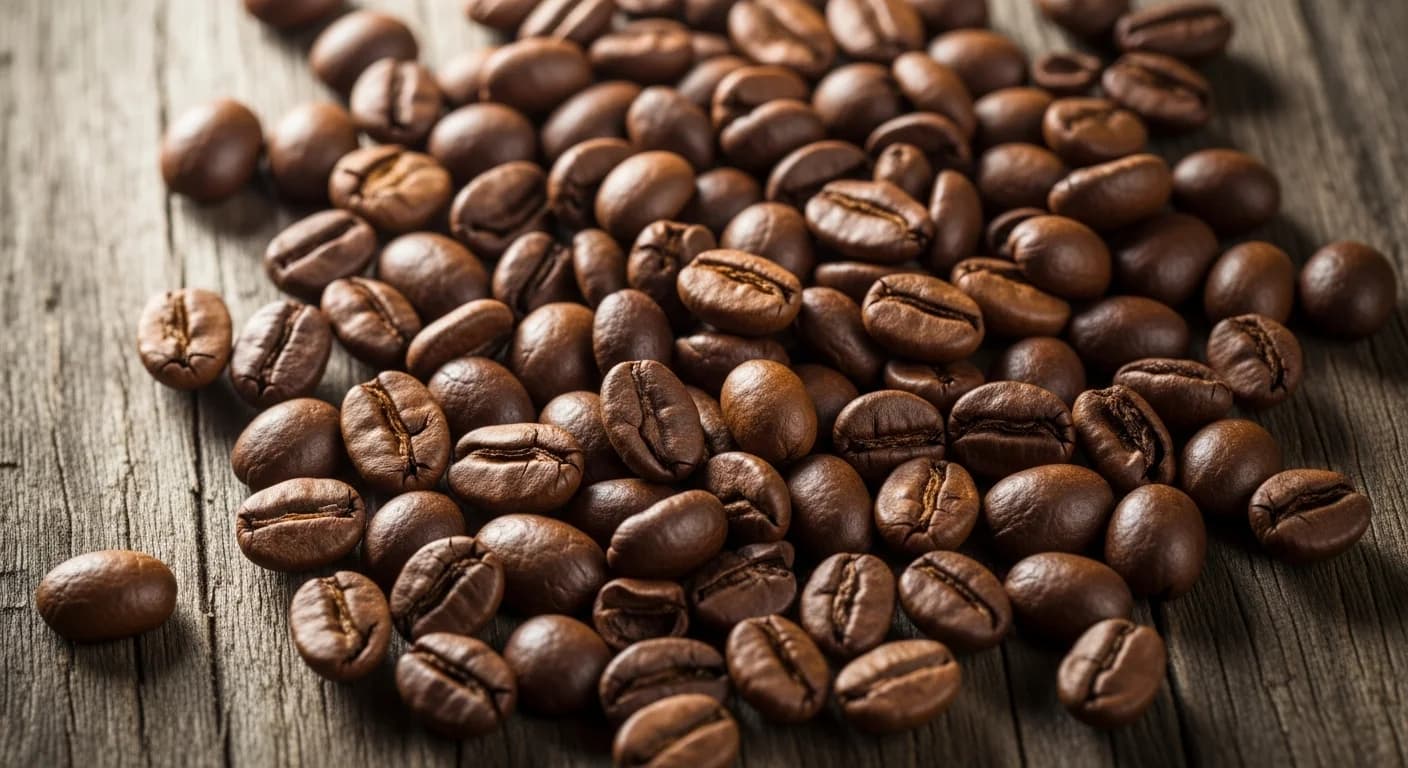
Blend refers to coffee made from beans sourced from two or more origins, often combined at different roast levels. Roasters design blends to achieve a specific, intentional flavor profile — a particular balance of acidity, body, sweetness, and bitterness — that remains consistent from batch to batch. A coffee shop's "house blend" or "espresso blend" is a blend.
Single Origin means coffee sourced from a single country, region, or farm. The label tells you where the coffee comes from — "Ethiopia Yirgacheffe," "Colombia Huila," "Guatemala Huehuetenango" — and allows the unique character of that place, its soil, altitude, and climate, to be experienced directly in the cup.
Single Farm and Single Lot are more specific categories within single origin, referring to beans from a specific farm or even a single processing batch. These are common in specialty coffee and represent the highest level of traceability.
The Case for Blends: Pros and Cons
Pros
- +Consistent flavor: Combining multiple origins allows roasters to balance out the natural variability of any single harvest, producing a dependable cup year after year
- +Better value: Blending high-quality beans with more affordable ones lets roasters maintain overall quality while keeping prices accessible
- +Versatile across brewing methods: Many blends are designed to perform well across espresso, drip, and French press, a practical choice for households with one bag of coffee
- +Easy to drink daily: Well-designed blends are balanced and approachable, without the intensity that can make single origins polarizing
Cons
- -Terroir is diluted: Mixing origins smooths out the distinctive character that makes each growing region unique
- -Opacity in sourcing: Blend recipes are often proprietary, making it difficult to evaluate the quality of individual components
- -Less seasonal discovery: Blends are engineered for consistency, so they offer little of the seasonal variation that single origins provide
Blends perform at their best when consistency, accessibility, and everyday reliability matter most. This is why blends anchor the menus of most coffee shops worldwide.
The Case for Single Origins: Pros and Cons
Pros
- +Origin character is front and center: The floral notes of Ethiopian Yirgacheffe and the earthy depth of Sumatran Mandheling come through directly
- +Seasonality and uniqueness: Each harvest brings a slightly different expression of the same place, a sense of discovery blends rarely offer
- +Traceability: Many single origins list the farm, producer, variety, and processing method
- +Deepens coffee knowledge: Tasting different origins side by side is the fastest way to develop your palate and understand how variables affect flavor
Cons
- -Flavor varies between harvests: Unlike blends, the same single origin will taste different from year to year depending on climate and processing conditions
- -Higher price point: Specialty-grade single origins are priced accordingly; exceptional lots can be significantly more expensive than comparable blends
- -More sensitive to brewing variables: Highly expressive coffees respond more dramatically to water temperature, grind size, and brew ratio, which can be challenging for beginners
- -Strong character may not suit all palates: Intense acidity or earthy flavors from certain origins can be off-putting for those accustomed to milder blends
Single origins excel when you want to taste something specific, explore coffee geography, or experience the seasonal character of a particular region or producer.
How to Choose: A Practical Guide by Situation
The right choice depends entirely on the context and what you want from your coffee.
For everyday morning coffee, choose a blend. The consistency and value of a well-crafted blend make it the most sensible choice for daily drinking. You will not be surprised by it — which is exactly the point.
For a weekend ritual or slow coffee moment, choose a single origin. This is when you have time to pay attention, to taste carefully, and to appreciate the nuances of a specific place and harvest.
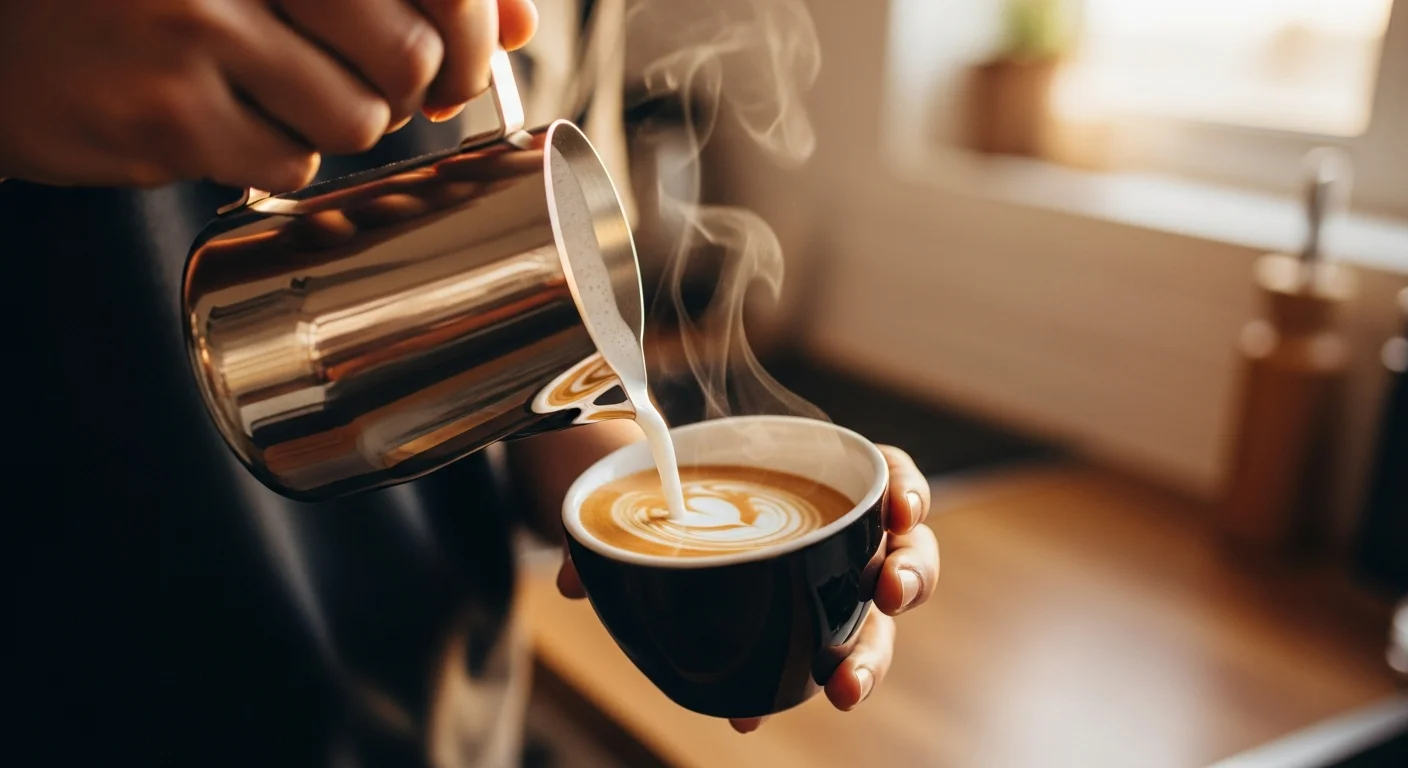
For espresso drinks with milk (lattes, cappuccinos, flat whites), choose an espresso blend. These are deliberately balanced to harmonize with the sweetness and fat of milk in a way that single origins rarely are by default.
For hosting guests or impressing coffee-curious friends, a seasonal single origin creates conversation. "This is an Ethiopian natural from the Guji zone" is far more interesting than "this is our house blend."
For building your coffee palate, buy several single origins and taste them side by side. Comparing an Ethiopian washed with a Colombian medium roast and a Sumatran dark roast in a single session teaches you more than months of drinking the same blend.
A Note on Specialty Blends
It is worth acknowledging that the landscape of blending has evolved considerably in specialty coffee. The assumption that blends are inherently lower quality than single origins is no longer accurate.
Many of the world's leading roasters now construct blends exclusively from high-scoring specialty lots, using the combination of origins to create complexity that no single bean could achieve alone. Under the SCA's CVA (Coffee Value Assessment) system 103-2024, blends and single origins are evaluated under the same Descriptive Assessment criteria — a blend composed entirely of specialty-grade lots (cupping score 80+; 80–84.99: Very Good, 85–89.99: Excellent, 90+: Outstanding) can achieve equally high scores. A well-designed specialty blend can be just as interesting and rewarding as a single origin — the key is the intentionality and quality of the components.
Conclusion: Both Have a Place in Your Coffee Life
The blend versus single origin question does not have a single correct answer. The most satisfying coffee practice typically involves both — a reliable blend for the weekday mornings when you need a dependable, efficient cup, and a rotation of single origins for the moments when you want to explore.
If you are just starting out, begin with a quality blend to establish a baseline of what balanced, approachable coffee tastes like. Then, gradually introduce single origins from different regions to discover what flavors excite you most. Over time, your preferences will clarify, and you will find yourself reaching for each type instinctively based on the moment. That is coffee literacy at its best.
Related Articles
- How to Choose Coffee Beans 2026 | A Complete Guide Using 5 Key Criteria
- How to Choose a Coffee Dripper: A Beginner''s Complete Guide
- Complete Coffee Maker Guide for Beginners: How to Choose the Right One
- How to Choose a Coffee Dripper for Beginners — 7 Key Factors [2026]
- Coffee Roast Levels Complete Guide | Light, Medium & Dark Explained
Frequently Asked Questions
QWhat is the difference between blend and single origin?
QWhich is better for a beginner — blend or single origin?
QWhat brewing method suits single origin coffee best?
References & Sources
About the AuthorExpert Reviewed

Coffee Guide Editorial
A team of certified writers and baristas with hands-on experience at origin farms and roasteries. We deliver practical, experience-backed guides on bean selection, brewing methods, and equipment reviews.
Credentials & Experience
- J.C.Q.A. Certified Coffee Instructor
- SCA Certified Barista
- 5+ years running a specialty roasting café
- 200+ coffee beans tasted annually