Light Roast vs Dark Roast | Differences, Pros and Cons, and How to Choose
PRThis article contains affiliate links
Key Takeaways
- Light roast features bright acidity and fruity aromas; dark roast offers bold bitterness and deep body
- Neither is objectively better — it depends on how you drink your coffee and what you enjoy
- When unsure, start with medium roast for the most balanced and forgiving flavor profile
When browsing coffee bags, you will inevitably encounter the terms "light roast" and "dark roast." You might have a rough sense of what they mean, but deciding which one actually suits you can still be confusing.
Roast level is one of the most important variables in how coffee tastes. This article breaks down the characteristics of light roast and dark roast, weighs the pros and cons of each, and helps you figure out which one belongs in your cup.
Understanding Roast: The Basics
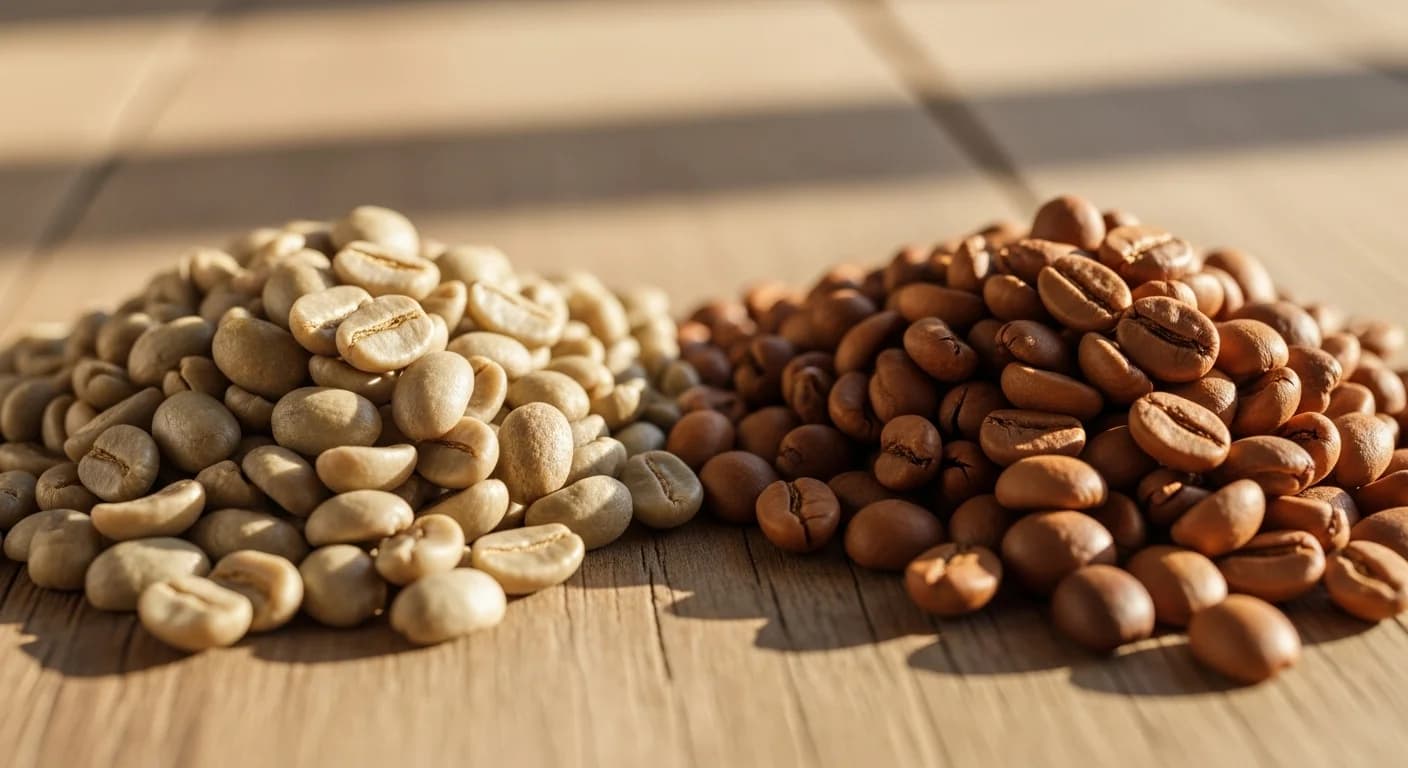
Roasting is the process of applying heat to raw green coffee beans, transforming them into the brown beans used for brewing. Heat drives out moisture, triggers a cascade of chemical reactions, and produces the aromas and flavors we associate with coffee.
The key variable is time and temperature. Shorter roasting produces lighter beans that retain more of their original character. Longer roasting produces darker beans with stronger bitterness and a heavier body. A multi-study empirical investigation published in Beverages (Münchow et al., 2020) found that roast color has a stronger influence on flavor than roasting time alone — and consistently showed that as roast level increases, bitterness increases while acidity, fruitiness, and sweetness decrease.
The Eight Roast Levels
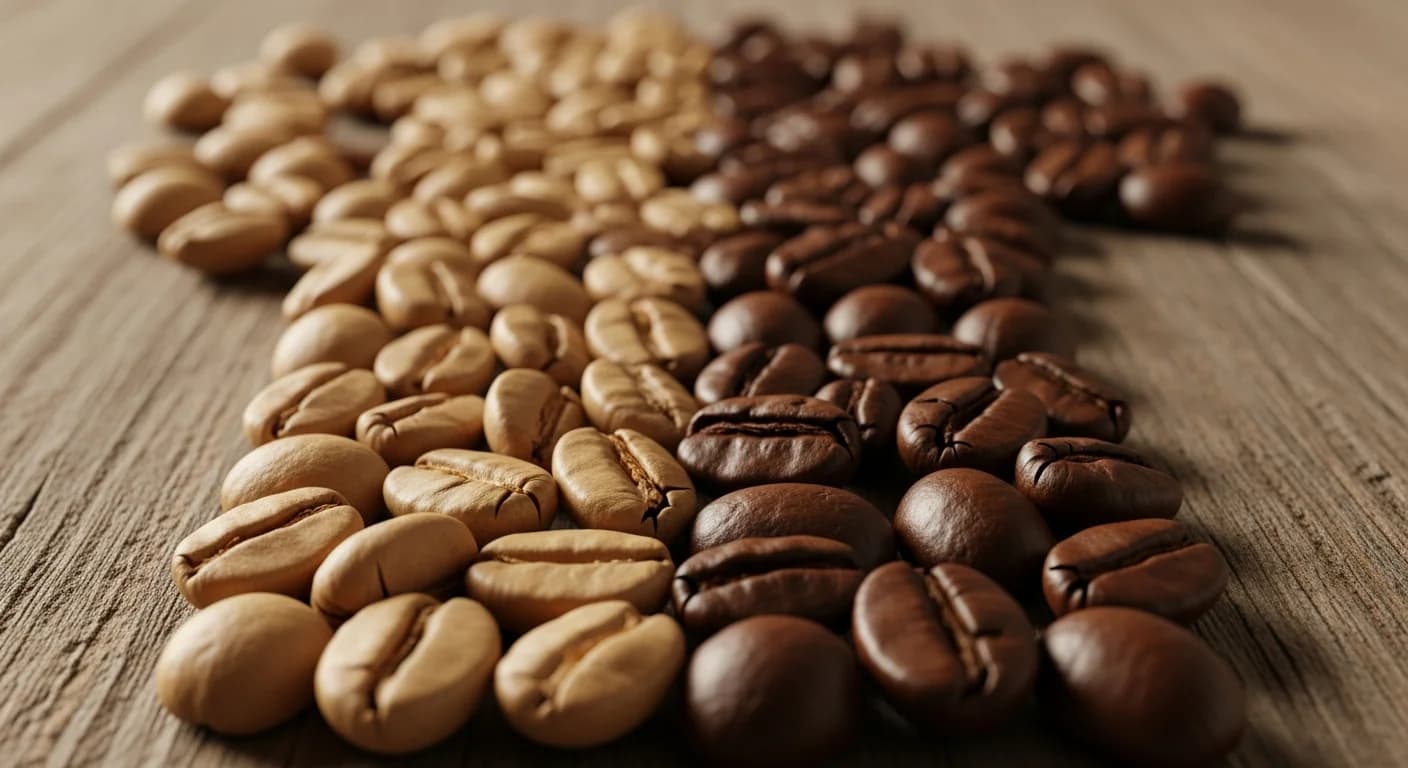
Roast level is commonly divided into eight stages from lightest to darkest: Light, Cinnamon, Medium, High, City, Full City, French, Italian. In practice, "light roast" typically refers to Light through Medium, "medium roast" to High through City, and "dark roast" to Full City through Italian.
Light Roast: Characteristics, Pros, and Cons
Light roast has become increasingly prominent in the specialty coffee world, embraced by roasters who want to highlight the distinct character of individual origins. If you have visited a specialty coffee shop recently, you have likely encountered light roast prominently featured.
Key Characteristics of Light Roast
- Bean color is light to medium brown, with little to no surface oil
- Prominent acidity, often with fruity, floral, or tea-like notes
- Aromas can include berries, citrus, stone fruit, and flowers
- Caffeine content is slightly higher than dark roast when measured by volume (caffeine is heat-stable, so the per-cup difference is modest — typically only a few to around 10mg)
- Origin character comes through most clearly at this roast level
Pros
- +Origin flavors come through most vividly
- +Best for exploring regional coffee character
- +Slightly higher caffeine content
- +Ideal for specialty and single-origin coffees
Cons
- -High acidity can be off-putting for some
- -More sensitive to brewing technique
- -Can be harder on the stomach
- -Less commonly available in supermarkets
Dark Roast: Characteristics, Pros, and Cons
Dark roast is what most people in Japan and many parts of the world grew up thinking of as "coffee taste." Canned coffee, instant coffee, and many espresso blends lean dark, making this the most familiar flavor profile for many drinkers.
Key Characteristics of Dark Roast
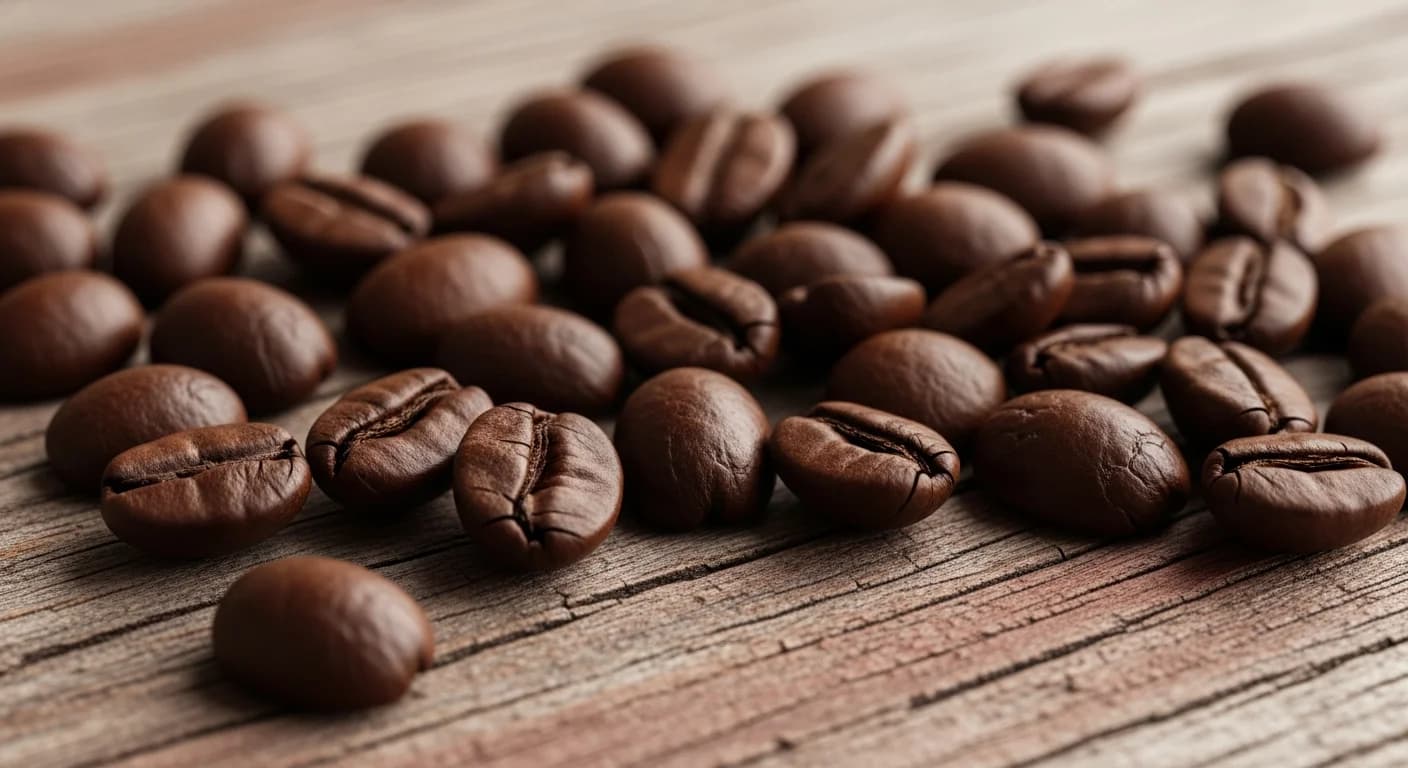
- Bean color is deep brown to near-black, often with visible surface oils
- Bold bitterness with sweet notes of chocolate and caramel
- Acidity is largely absent, replaced by a heavy, full body
- Well-suited to milk-based drinks: lattes, cappuccinos, cafe au lait
- Widely available in supermarkets and convenience stores
Pros
- +Classic, bold 'coffee' flavor many people recognize
- +Pairs beautifully with milk
- +Perfect for espresso-based drinks
- +Easy to find anywhere
Cons
- -Origin character is masked by roast flavors
- -Less distinction between different coffee origins
- -Slightly lower caffeine than light roast
- -Risk of a charred or burnt taste if over-roasted
Light Roast vs Dark Roast: Which Should You Choose?
There is no universally correct answer. The right choice depends on how you brew and what you enjoy.
Choose light roast if:
- You drink coffee black and want to taste the bean's natural flavors
- You enjoy fruity, floral, or tea-like complexity
- You are exploring the specialty coffee world
- You prefer brightness and acidity to bitterness
Choose dark roast if:
- You add milk to your coffee (latte, cappuccino, cafe au lait)
- You want strong, bold bitterness and a heavy body
- You use an espresso machine
- You are looking for the "classic coffee" flavor you know and love
When in Doubt, Go Medium Roast
If you cannot decide between light and dark, start with medium roast (High to City). It sits squarely between the two extremes, offering a balance of acidity and bitterness that works well with almost any brewing method. Use it as your baseline. If it feels too acidic, move toward darker; if you want more brightness and complexity, move lighter.
The Interplay Between Origin and Roast Level
Origin and roast level are not independent — they work together to shape the final flavor. The same origin can taste completely different at different roast levels.
Ethiopia at light roast Floral aromas and vivid berry-like acidity come forward. This is the most celebrated way to experience Ethiopian coffee.
Brazil at medium roast Nutty sweetness and mild body in balance. The most approachable introduction to Brazilian coffee.
Indonesian Mandheling at dark roast Earthy, herbaceous depth and heavy body are amplified. Ideal for espresso and milk drinks.
Summary
Light roast and dark roast represent two very different philosophies in coffee, and both have genuine merit. The question is not which one is better, but which one fits your taste and brewing habits.
Light roast suits those who want brightness, complexity, and origin-forward flavors. Dark roast suits those who want boldness, bitterness, and compatibility with milk. If you are new to exploring roast levels, medium roast is the ideal starting point before moving in either direction.
Trying a few different roast levels over time is one of the most rewarding ways to develop your coffee palate.
Related Articles
- Coffee Roast Levels Complete Guide | Light, Medium & Dark Explained
- Arabica vs Robusta Coffee: Complete Comparison Guide
- Ethiopia Coffee Beans: Origins, Flavor Profiles & How to Choose
- 4 Best Fruity Light Roast Coffee Beans: Bright, Flavorful Picks
- 5 Best Low-Acid Coffee Beans: Stomach-Friendly Options for Sensitive Drinkers
Frequently Asked Questions
QWhich tastes better — light roast or dark roast?
QWhich should a beginner choose first?
QWhy does light roast sometimes taste unpleasantly sour?
References & Sources
About the AuthorExpert Reviewed

Coffee Guide Editorial
A team of certified writers and baristas with hands-on experience at origin farms and roasteries. We deliver practical, experience-backed guides on bean selection, brewing methods, and equipment reviews.
Credentials & Experience
- J.C.Q.A. Certified Coffee Instructor
- SCA Certified Barista
- 5+ years running a specialty roasting café
- 200+ coffee beans tasted annually