Drip Coffee Beans Guide | How to Choose by Origin, Roast, and Grind
PRThis article contains affiliate links
Key Takeaways
- Medium to medium-dark roast produces the most balanced results in drip brewing
- Brazil, Colombia, and Ethiopia are particularly well-suited to drip methods
- Medium-fine is the standard grind for paper drip; avoid going too fine or too coarse
Drip coffee is one of the most popular brewing methods in the world. It is accessible for beginners, versatile enough for experienced brewers, and remarkably good at expressing a bean's natural character.
That said, not every coffee bean performs equally well in a drip setup. The drip method has specific characteristics that make certain beans shine more than others. This guide explains what to look for in drip coffee beans across three key dimensions: origin, roast level, and grind size.
What Makes a Bean Well-Suited to Drip Brewing?
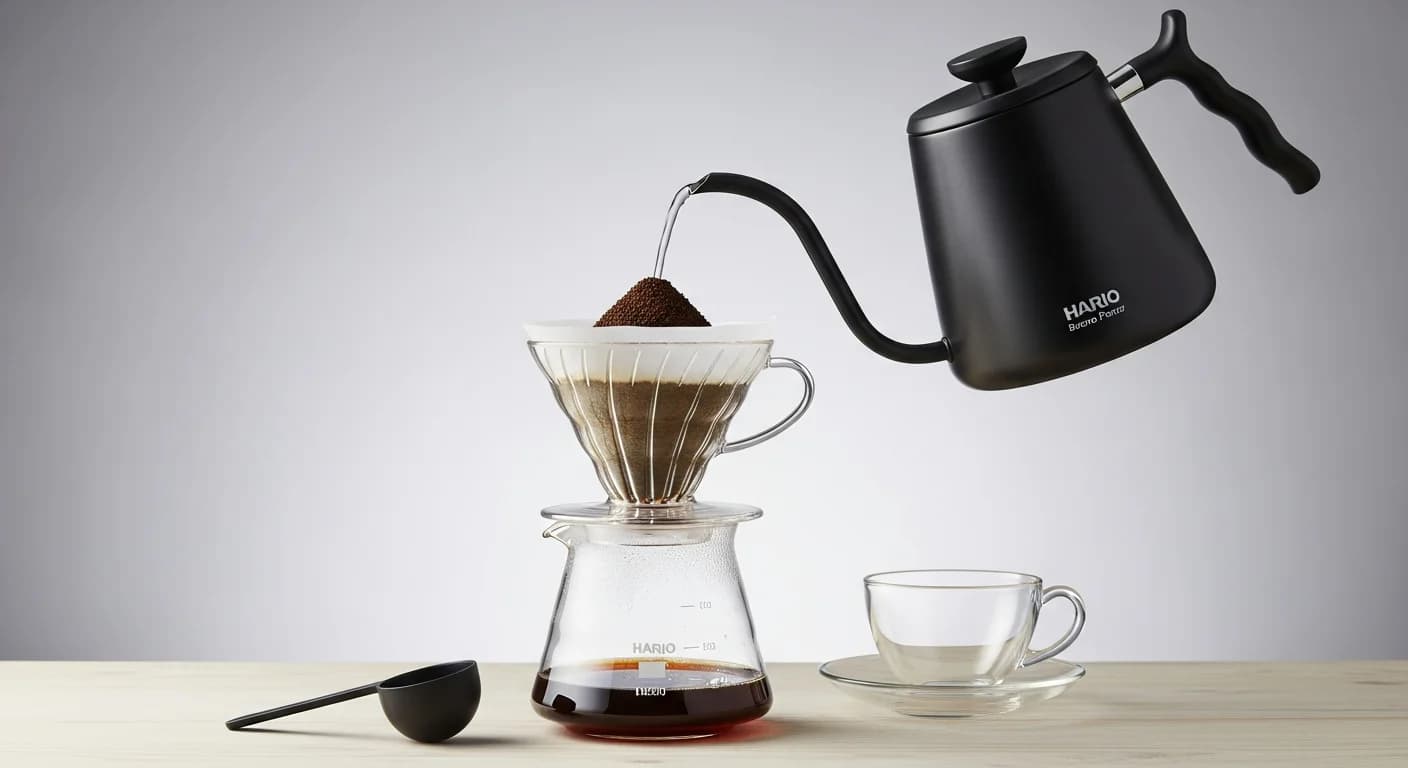
Drip brewing — specifically paper-filter pour-over — works by slowly pouring hot water over grounds and allowing gravity and the filter to control extraction. This method has a few important characteristics to keep in mind when choosing beans.
Characteristic 1: Balanced, expressive flavor
Drip brewing extracts flavors honestly and openly. Unlike espresso, which uses pressure to concentrate flavor, drip relies on time and volume. Beans with balanced acidity and bitterness perform most consistently; beans with extremely one-sided flavor profiles can feel overwhelming or flat in this format.
Characteristic 2: Medium roast works best
Very light roasts can produce sharp, overwhelming acidity in drip brewing. Very dark roasts have high oil content that can clog paper filters and contribute to bitter, muddy extraction. Medium to medium-dark roast lands in the sweet spot for drip.
Characteristic 3: Fresh beans matter most
Drip brewing is transparent — it shows the bean's condition directly in the cup. Fresh beans deliver vivid aroma and layered flavor; stale beans produce a flat, lifeless cup. Aim for beans roasted within the past month.
The "Bloom" as a Freshness Indicator
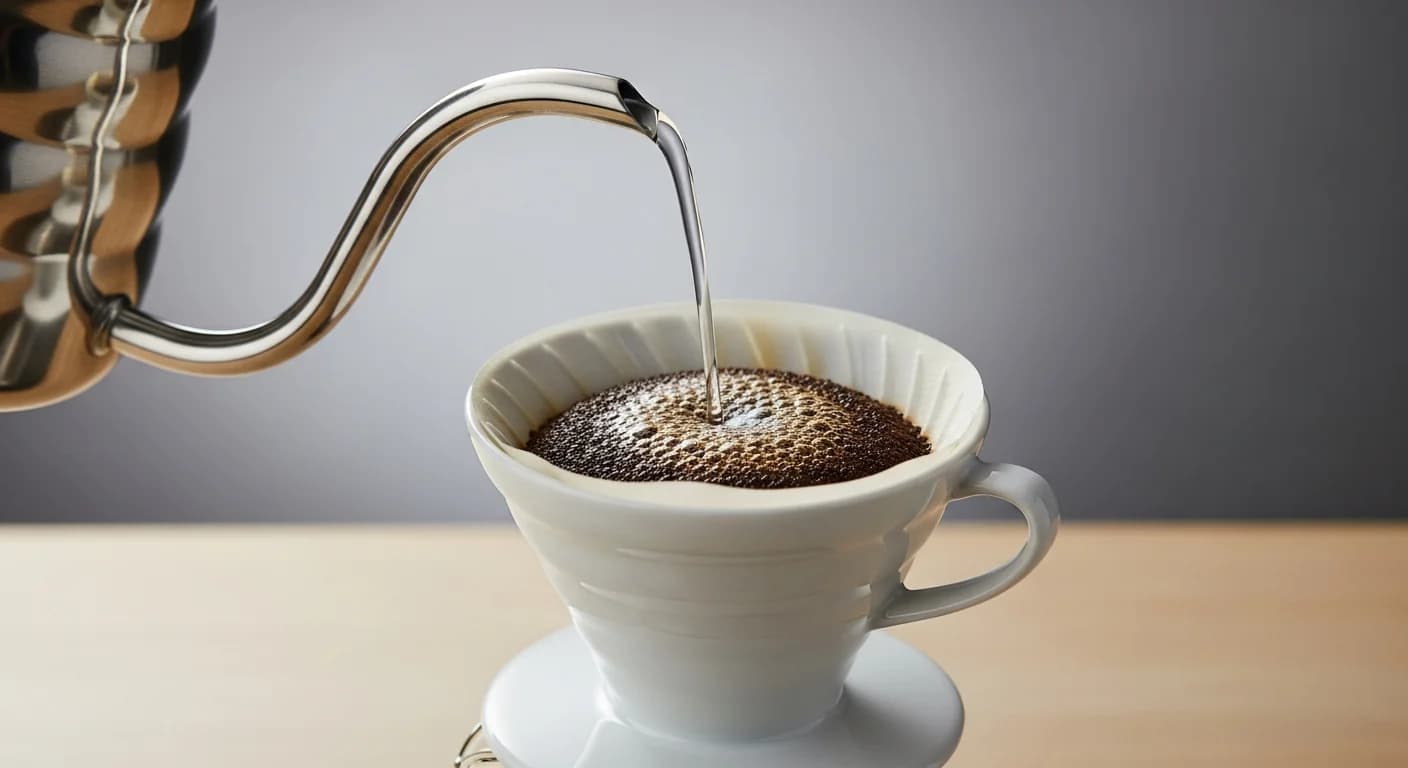
When brewing drip coffee, the first step is usually a "bloom": pour a small amount of hot water over the grounds and wait 30 seconds. Fresh beans will swell and bubble as trapped CO2 releases. Little or no bloom often indicates older beans. This is a useful freshness check right at the brew stage.
Origin Recommendations for Drip Coffee
Some origins are particularly well-suited to drip brewing. Here are the top choices.
Brazil (Most Versatile)
Brazil is the most forgiving and versatile origin for drip brewing. Its mild acidity, nutty sweetness, and smooth body work well across a wide range of drip techniques, making it ideal for beginners learning the method. It is also an excellent daily drinker that does not fatigue the palate.
Colombia (For Fruity, Balanced Sweetness)
Colombian coffee at medium roast is a natural match for drip. The gentle acidity and caramel-like sweetness that characterize good Colombian beans come through clearly in pour-over, especially when drunk black. A great choice for those who want more personality than Brazil without venturing into sharp acidity.
Ethiopia (For Distinctive Aroma and Complexity)
Ethiopian coffees at light to medium roast are celebrated specifically in the pour-over world. The floral aromas and vivid fruity acidity that define Ethiopian beans are drawn out beautifully by slow drip extraction. If you want to understand why specialty coffee has devoted fans, an Ethiopian single-origin in a pour-over is an excellent place to start.
Guatemala (For Body and Sweetness)
Guatemalan coffee has a chocolate-like sweetness and a pleasantly spicy finish. At medium-dark roast, it produces a full-bodied, warming cup in drip brewing. Works particularly well as an iced drip coffee as well.
Choosing the Right Roast Level
Select your roast level based on your taste preference and how you plan to drink the coffee.
Medium Roast (Best Starting Point)
Balanced acidity and bitterness, approachable for any palate, works with any drip technique. The most recommended roast level for anyone beginning to explore drip brewing.
Medium-Dark Roast (For Body and Depth)
Slightly more bitterness and body than medium roast, with less acidity. A good choice for those who want a richer, more substantial cup, or plan to add milk.
Light Roast (For Complexity and Brightness)
The most acidic and aromatic option. Pairs especially well with Ethiopian and Kenyan origins. Best appreciated when drunk black. Note that light roast can be overwhelming if you are new to high-acidity coffee — start with medium roast and work lighter from there.
A Caution About Dark Roast in Drip
Very dark roasts have high surface oil content that can clog paper filters over time. They can also over-extract easily in a slow drip, leading to harsh bitterness. If you prefer dark roast, use a slightly coarser grind and reduce your total brew time to avoid over-extraction.
Grind Size Considerations for Drip
Medium-fine is the standard grind for paper-filter drip (pour-over). Most bags labeled "for drip" at coffee shops are ground to approximately this level.
Why medium-fine works
In a paper drip setup, water is in contact with the grounds for several minutes. Medium-fine gives sufficient surface area for proper extraction without creating resistance that clogs the filter.
Too coarse
Under-extracts the coffee. The result is thin, watery, and flat — the flavors never fully develop.
Too fine
Over-extracts the coffee and can clog the paper filter, causing the brew to stall or overflow. The result is bitter, harsh, and astringent.
If you are having your beans ground at a shop, simply tell them you are using a paper drip (pour-over) method. They will grind to the appropriate coarseness for you.
Summary
The key criteria for choosing drip coffee beans come down to:
- Roast level: Medium to medium-dark for the most reliable results
- Origin: Brazil for versatility; Colombia for fruity sweetness; Ethiopia for distinctive character
- Grind: Medium-fine as the standard baseline
- Freshness: Roasted within the past month, clearly marked roast date
Drip coffee is a method that rewards attentive bean selection. In 2026, the wide availability of clearly labeled specialty beans makes it easier than ever to dial in exactly the experience you are looking for. Use these guidelines to find your starting point, and adjust from there as you develop your preferences.
Related Articles
- How to Choose Coffee Beans 2026 | A Complete Guide Using 5 Key Criteria
- How to Choose Coffee Beans: A Complete Guide
- How to Choose a Coffee Dripper: A Beginner''s Complete Guide
- Blend vs Single Origin Coffee: Differences & How to Choose
- Coffee Roast Levels Complete Guide | Light, Medium & Dark Explained
Frequently Asked Questions
QHow do I choose beans for drip coffee?
QAre there beans that don't work well for drip?
QWhat grind size is right for drip coffee?
About the AuthorExpert Reviewed
Coffee Guide Editorial
A team of certified writers and baristas with hands-on experience at origin farms and roasteries. We deliver practical, experience-backed guides on bean selection, brewing methods, and equipment reviews.
Credentials & Experience
- J.C.Q.A. Certified Coffee Instructor
- SCA Certified Barista
- 5+ years running a specialty roasting café
- 200+ coffee beans tasted annually