Arabica vs Robusta Coffee: Complete Comparison Guide
PRThis article contains affiliate links
Key Takeaways
- Arabica accounts for approximately 60–70% of global coffee production, grown at high altitudes (1,000–2,000m) with complex fruity acidity and delicate aromatics
- Robusta contains approximately twice the caffeine of Arabica (2.2–2.7% vs 1.2–1.5%), has stronger bitterness and earthiness, and is significantly more disease-resistant
- In espresso blends, Robusta contributes persistent crema, heavy body, and bold bitterness — Italian traditional blends often include 20–30% Robusta for this reason
Walk into any coffee shop and the beans in the grinder are almost certainly Arabica. But Robusta accounts for roughly a third of global coffee production and is in the instant coffee in your cabinet, the canned coffee at the convenience store, and possibly the espresso blend at your favorite cafe. Understanding the difference matters — and it's more interesting than you might think.
Arabica (Coffea arabica)
Arabica is coffee as most specialty drinkers know it. It represents approximately 60–70% of global coffee production and is the variety of choice for specialty coffee, high-end blends, and single-origin espresso.
Origin and Growing Conditions
Arabica originates in Ethiopia's highland forests and thrives at altitudes between 1,000–2,000m. The combination of:
- Cool temperatures (15–24°C)
- Dramatic diurnal temperature swings (warm days, cold nights)
- Rich volcanic or clay soils
- Ample but not excessive rainfall
...slows cherry maturation and allows complex organic acids and aromatic compounds to develop.
Major Arabica origins: Ethiopia, Colombia, Brazil, Guatemala, Panama, Costa Rica
Flavor Profile
Arabica's flavor is defined by:
- Bright, complex acidity: Malic acid (apple), citric acid (citrus), tartaric acid (grape)
- Delicate aromatics: Fruit, floral, nutty, chocolate — depending on origin
- Lighter body: Clean, crisp finish
- Natural sweetness: Fruit-derived sugar compounds
Weaknesses
Arabica is susceptible to coffee leaf rust, coffee berry disease, and requires precise growing conditions. Climate change poses significant threat — many projections suggest Arabica's viable growing areas will shrink substantially by 2050.
Robusta (Coffea canephora var. robusta)
Robusta is named for its robustness — and the name is accurate. It represents approximately 30–40% of global production and dominates in Vietnam (the world's largest Robusta producer), Uganda, and Indonesia.
Origin and Growing Conditions
Robusta originates in Congo's river basin forests and grows comfortably at altitudes from sea level to 800m. It tolerates:
- Higher temperatures (24–36°C)
- More rainfall and humidity
- Lower altitude and less ideal soils
This environmental flexibility allows cultivation in areas where Arabica cannot survive.
Flavor Profile
Robusta's flavor is distinctly different:
- Strong bitterness: More pronounced and longer-lasting
- Earthy, woody notes: Less delicate than Arabica
- Rubber or grain-like quality: Present in lower-quality lots
- Heavy body: Dense, full mouthfeel
- Low acidity: Significantly less bright than Arabica
Caffeine Content
This is Robusta's most dramatic difference from Arabica:
| Variety | Caffeine (dry weight) |
|---|---|
| Arabica | 1.2–1.5% |
| Robusta | 2.2–2.7% |
Robusta contains approximately twice the caffeine of Arabica. This caffeine functions as a natural pest repellent — part of why Robusta is more disease-resistant. It's also why Robusta-heavy blends provide a stronger caffeine kick.
Head-to-Head Comparison
| Characteristic | Arabica | Robusta |
|---|---|---|
| Global production share | 60–70% | 30–40% |
| Caffeine content | 1.2–1.5% | 2.2–2.7% |
| Growing altitude | 1,000–2,000m | 0–800m |
| Flavor | Complex, fruity, acidic | Bold, bitter, earthy |
| Body | Light to medium | Heavy |
| Acidity | High, bright | Low |
| Disease resistance | Low | High |
| Price | Higher | Lower |
| Main uses | Specialty, filter, single-origin espresso | Instant coffee, espresso blends, canned coffee |
Robusta in Espresso: A Legitimate Role
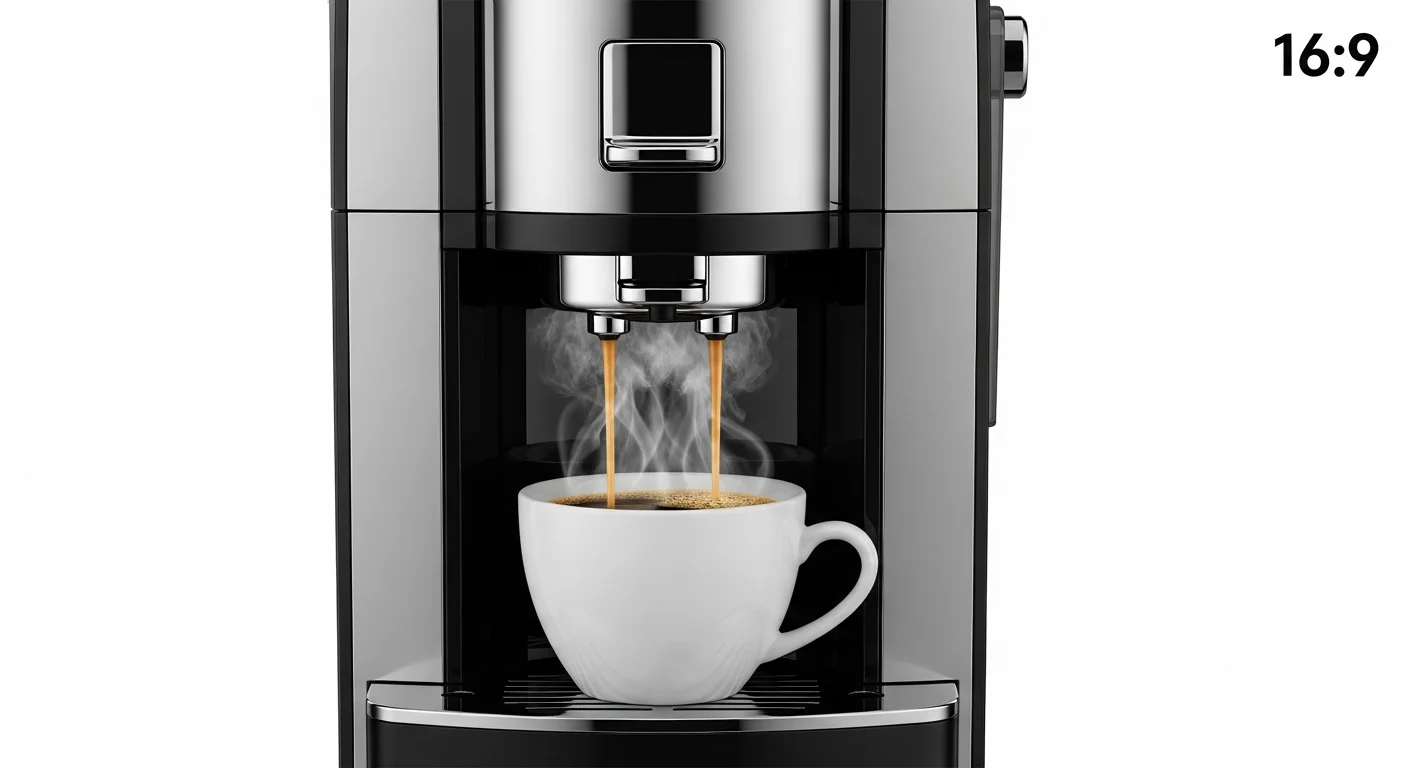
The specialty coffee world tends to be Arabica-centric, but traditional Italian espresso blends have included 20–30% Robusta for specific reasons:
What Robusta Contributes to Espresso
-
Crema thickness and persistence: Robusta's higher fat and protein content creates thick, long-lasting crema — the golden foam on espresso. Pure Arabica espresso often has thinner crema.
-
Bold bitterness: The classic Italian espresso character — strong, slightly harsh bitterness — is partly Robusta's contribution.
-
Body and intensity: For espresso-based drinks with significant milk (cappuccino, latte), Robusta's heavier body cuts through dairy more aggressively.
The modern specialty espresso movement has largely moved away from Robusta blends toward 100% Arabica and even single-origin espresso. Roasters like Blue Bottle, Intelligentsia, and Counter Culture have built reputations on Arabica-only espresso. However, traditional Italian roasters and some Neapolitan espresso purists still use Robusta blends and consider them authentic.
Where Robusta Shows Up in Your Life
You're consuming Robusta more often than you might realize:
| Product Type | Likely Robusta Presence |
|---|---|
| Instant coffee | High — Robusta dissolves better |
| Canned/bottled coffee | Often Robusta blend |
| Budget supermarket blends | Often includes Robusta |
| Italian espresso blends | 20–30% traditional inclusion |
| Vietnamese coffee | Nearly all Robusta |
The Third Species: Liberica
Coffea liberica is a third coffee species representing less than 1% of global production. Grown mainly in the Philippines (where it's called "barako"), Liberica has large, irregularly shaped beans and a distinctive smoky, woody, almost jackfruit-like flavor. It's virtually unavailable outside Southeast Asia.
Choosing Between Arabica and Robusta
Pros
- +Arabica: Complex, nuanced flavors — specialty coffee's full range
- +Arabica: Single-origin tasting reveals origin character and terroir
- +Robusta: Higher caffeine for stronger awakening effect
- +Robusta: Lower cost for daily high-volume drinking
Cons
- -Arabica: More expensive, smaller portions
- -Arabica: Less caffeine — may not satisfy high-tolerance drinkers
- -Robusta: Less complex, less nuanced flavor
- -Robusta: Earthy, rubbery quality in lower-grade lots
Summary
Arabica and Robusta are fundamentally different coffees, not simply "better" and "worse."
Key takeaways:
- Arabica offers complex acidity, delicate aromatics, and the full range of specialty coffee expression
- Robusta provides roughly 2x the caffeine, stronger bitterness, and is significantly more disease-resistant
- Traditional Italian espresso blends include Robusta for crema and bold body — not as a quality compromise, but as a deliberate choice
- "100% Arabica" is a useful quality indicator, but quality within Arabica varies enormously by origin, processing, and roasting
Related Articles
- Light Roast vs Dark Roast | Differences, Pros and Cons, and How to Choose
- Coffee Flavor Wheel Guide: How to Taste and Describe Coffee Like a Pro
- Blend vs Single Origin Coffee: Differences & How to Choose
- Coffee Bean Grind Size Guide | Matching Coarseness to Your Brewing Method
- Coffee Roast Levels Complete Guide | Light, Medium & Dark Explained
About the AuthorExpert Reviewed

Coffee Guide Editorial
A team of certified writers and baristas with hands-on experience at origin farms and roasteries. We deliver practical, experience-backed guides on bean selection, brewing methods, and equipment reviews.
Credentials & Experience
- J.C.Q.A. Certified Coffee Instructor
- SCA Certified Barista
- 5+ years running a specialty roasting café
- 200+ coffee beans tasted annually