What Is Batch Brew? How It Works and the 3 Conditions for Good Coffee
PRThis article contains affiliate links
Key Takeaways
- Batch brew is essentially automated pour-over — quality depends on the same variables: ratio, temperature, freshness
- The most common quality failures are under-dosing, brew temperature below 92°C, and keeping coffee on a hot plate
- Serve within 30 minutes of brewing; use a thermal server to extend this window to 1–2 hours
Batch brewing is the process of extracting multiple cups of coffee in a single automated cycle using a drip coffee maker. Home drip machines, commercial brewers in cafés, and hotel breakfast setups all use this approach.
The fundamental challenge: volume and consistency are often in tension. Making 8 cups of mediocre coffee is easy. Making 8 cups of genuinely good coffee requires the same attention to variables that any quality extraction demands.
How Batch Brew Works
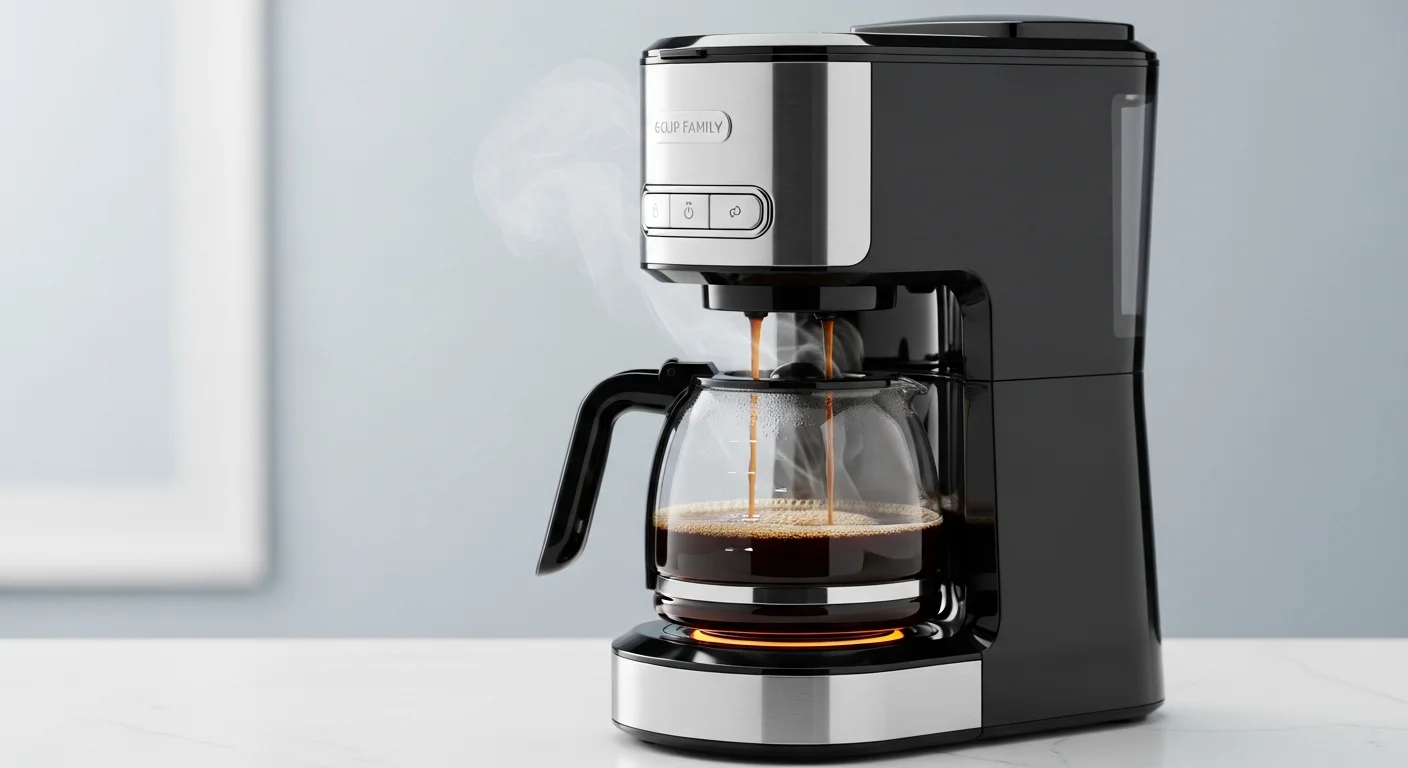
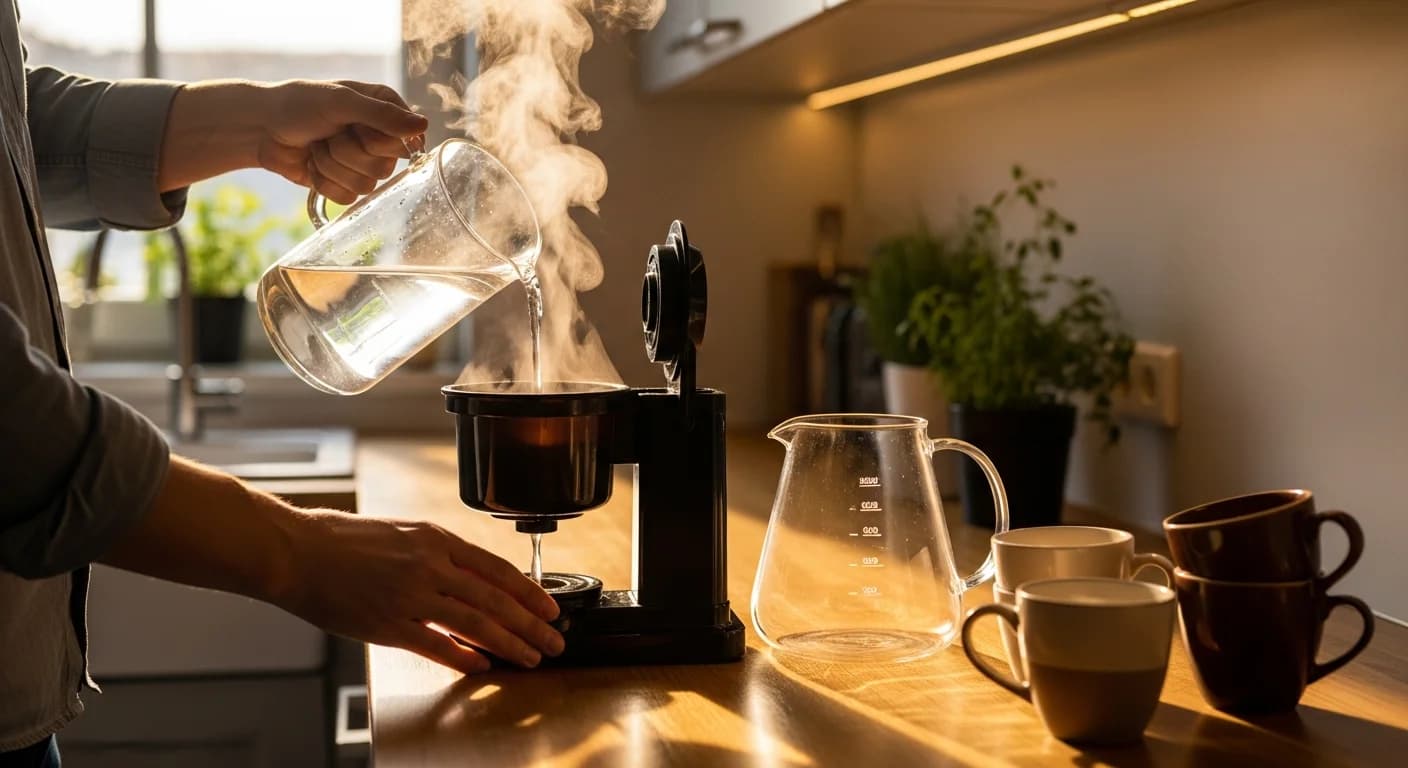
Batch brew is a form of pour-over driven by a machine rather than by hand:
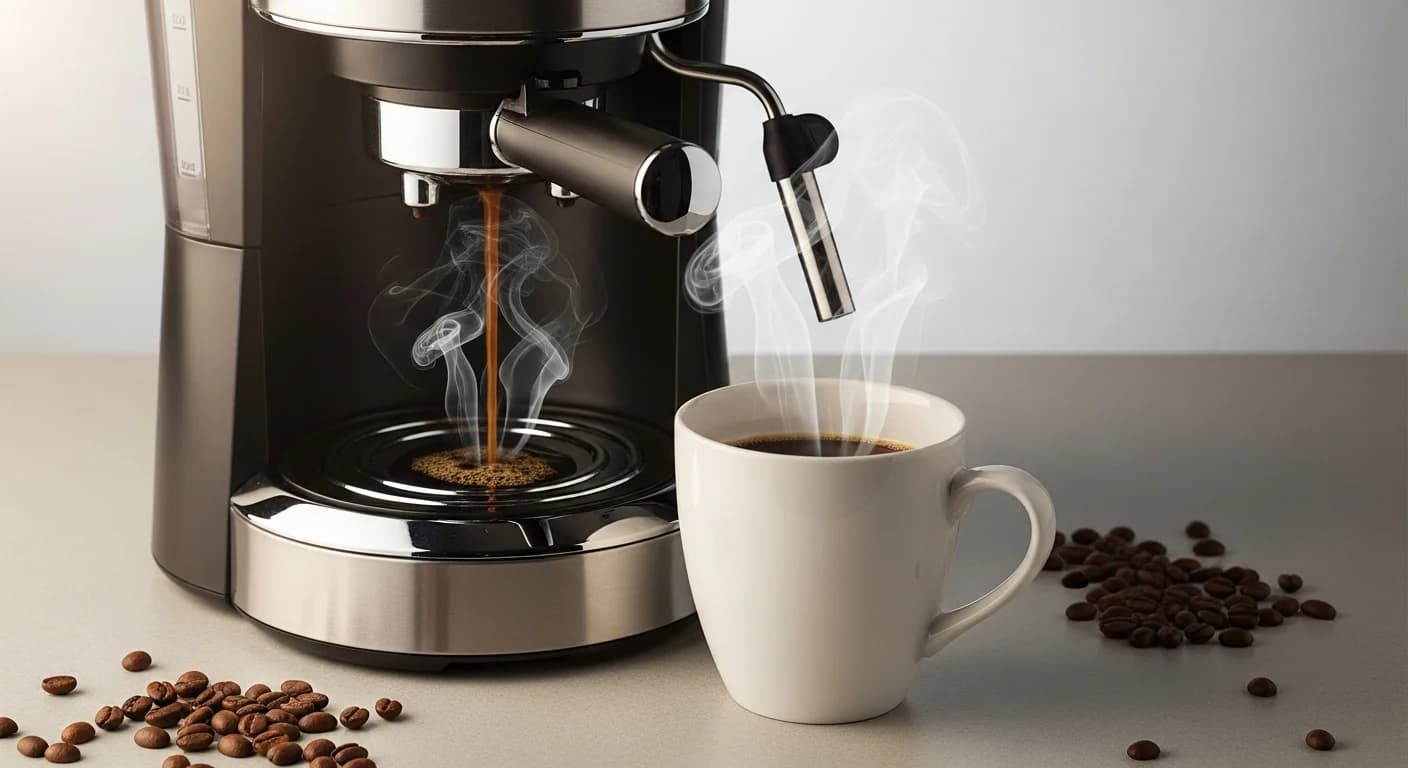
- Water from the tank is heated and dispersed through a showerhead
- Water passes through a filter basket containing coffee grounds
- Brewed coffee drips into a server below
The quality of this process depends entirely on whether the machine can:
- Reach and maintain proper brew temperature (90–96°C)
- Distribute water evenly across the coffee bed
- Pre-infuse (bloom) the grounds before full extraction
Brew Ratio
The same ratio principles that apply to pour-over apply to batch brew.
SCA Recommended Ratios
| Batch Size | Coffee Dose (1:16) |
|---|---|
| 600ml (4 cups) | 37g |
| 900ml (6 cups) | 56g |
| 1200ml (8 cups) | 75g |
| 1800ml (12 cups) | 113g |
Default ratio: 1:15–1:17 by weight
Replace the scoop with a scale Most drip machines come with a measuring scoop, but volume measurements are inconsistent — the same scoop can deliver anywhere from 7g to 12g depending on grind size and how tightly it's packed. Weighing coffee is the single fastest way to improve batch brew consistency.
Temperature: The Most Common Problem
Consumer drip machines are frequently the weak point in batch brew quality. Many standard machines heat water to only 82–88°C — well below the SCA recommended range of 90–96°C.
Why Temperature Matters
Under-temperature extraction results in:
- Under-extraction: flat, sour, underdeveloped flavors
- Loss of aromatic compounds
- Weak body and low TDS
Identifying Capable Machines
SCA Certified Home Brewers are tested and approved for reaching and maintaining proper brew temperature. Brands like Technivorm Moccamaster, Breville Precision Brewer, and OXO Brew 9-Cup meet this standard.
If you're using a non-certified machine and your coffee tastes consistently weak or sour, temperature is the most likely cause.
Carafe vs. Thermal Server
The choice of server has a significant impact on coffee quality over time.
Glass Carafe + Hot Plate
| Advantage | Disadvantage |
|---|---|
| Keeps coffee warm | Continued heating causes rapid degradation |
| Inexpensive | Produces burnt, bitter flavors after 20–30 minutes |
| Visible volume | Uneven heating |
Thermal Server (Insulated Carafe)
| Advantage | Disadvantage |
|---|---|
| No continued heating — coffee stays stable | More expensive |
| Maintains quality for 1–2 hours | Volume not visible through opaque walls |
| Better for batch serve settings | Requires preheating for best performance |
Recommendation: Use a thermal server whenever possible. Hot plate warming is one of the most damaging things you can do to brewed coffee.
Serving Time Windows
| Time After Brewing | Quality |
|---|---|
| 0–30 minutes | Peak quality — serve immediately |
| 30–60 minutes | Acceptable with thermal server; decline with hot plate |
| 1–2 hours | Thermal server only; some flavor loss |
| 2+ hours | Not recommended |
For service environments (café or office), the goal is to never serve coffee that's more than 30–45 minutes old. This requires smaller, more frequent batches rather than large batches held for hours.
Quality Failure Points
1. Coffee Ratio Too Low
The most common home batch brew problem. Many manufacturers recommend weaker ratios (1:20 or more) in their manuals — partly because weaker coffee is more forgiving of extraction errors.
Fix: Start at 1:16 and adjust from there.
2. Machine Doesn't Reach Temperature
As described above, budget machines frequently under-heat water.
Fix: Invest in an SCA-certified machine, or run a water temperature test with a thermometer.
3. Old Coffee
Batch brewing often uses "bulk" coffee — bags bought in quantity and left open. Stale coffee produces flat, papery cups regardless of technique.
Fix: Buy in smaller quantities; seal and store properly; aim to use within 2–3 weeks of roast date.
4. Paper Filter Not Prewet
Dry paper filters can add a papery flavor to coffee.
Fix: Run hot water through the filter before adding grounds. This also preheats the server.
5. Uneven Ground Distribution
Coffee grounds that pile unevenly in the basket create channels where water flows preferentially, resulting in uneven extraction.
Fix: Level the bed before starting. Some machines with circular showerheads distribute automatically — others require manual leveling.
Batch Brew in Specialty Coffee Cafés In specialty coffee culture, "batch brew" often refers specifically to high-quality brewed coffee made with premium beans in a precision machine (rather than an espresso-based drink). Many specialty cafés offer batch brew as an alternative to espresso-based drinks — and when done well, it's some of the most nuanced, accessible coffee on the menu.
Recommended Recipe (8-Cup Batch)
| Parameter | Value |
|---|---|
| Coffee | 75g (medium grind) |
| Water | 1200ml |
| Ratio | 1:16 |
| Brew temperature | 93–95°C |
| Target TDS | 1.25–1.35% |
| Serve within | 30 minutes |
Home Batch Brew Workflow
Evening Prep
- Set the filter basket
- Weigh and add grounds
- Fill the water tank
- Set the timer (if your machine has one)
Wake up to brewed coffee. This is batch brew's primary practical advantage — preparation the night before, no morning effort.
Freshness Optimization
Grind fresh before each batch rather than pre-grinding for the week. Even 24 hours after grinding, measurable flavor loss occurs. A burr grinder set to medium and used immediately before brewing produces significantly better results than pre-ground coffee.
Summary
Batch brew quality hinges on the same variables as any good extraction — ratio, temperature, and freshness — plus the management of time after brewing.
- Ratio: Use a scale and target 1:15–17
- Temperature: Invest in a machine that reaches 92°C+
- Thermal server: Eliminate hot-plate warming
- Serve within 30 minutes: Batch brew doesn't hold well
When these basics are in place, batch brew consistently produces coffee that's better than most people expect from a drip machine.
Related Articles
- Tetsu Kasuya 4:6 Method: Complete V60 Recipe Guide
- AeroPress Championship Recipe Guide: Competition Techniques at Home
- Complete AeroPress Guide: Inverted Method Recipes and Expert Tips
- Drip Coffee for Beginners: Equipment, Steps, and Tips for a Perfect Cup
- Chemex Brewing Method Guide: Clean Coffee at Its Best
About the AuthorExpert Reviewed

Coffee Guide Editorial
A team of certified writers and baristas with hands-on experience at origin farms and roasteries. We deliver practical, experience-backed guides on bean selection, brewing methods, and equipment reviews.
Credentials & Experience
- J.C.Q.A. Certified Coffee Instructor
- SCA Certified Barista
- 5+ years running a specialty roasting café
- 200+ coffee beans tasted annually