Best Coffee Grinders Under 5000 Yen: 6 Picks for Every Beginner
PRThis article contains affiliate links
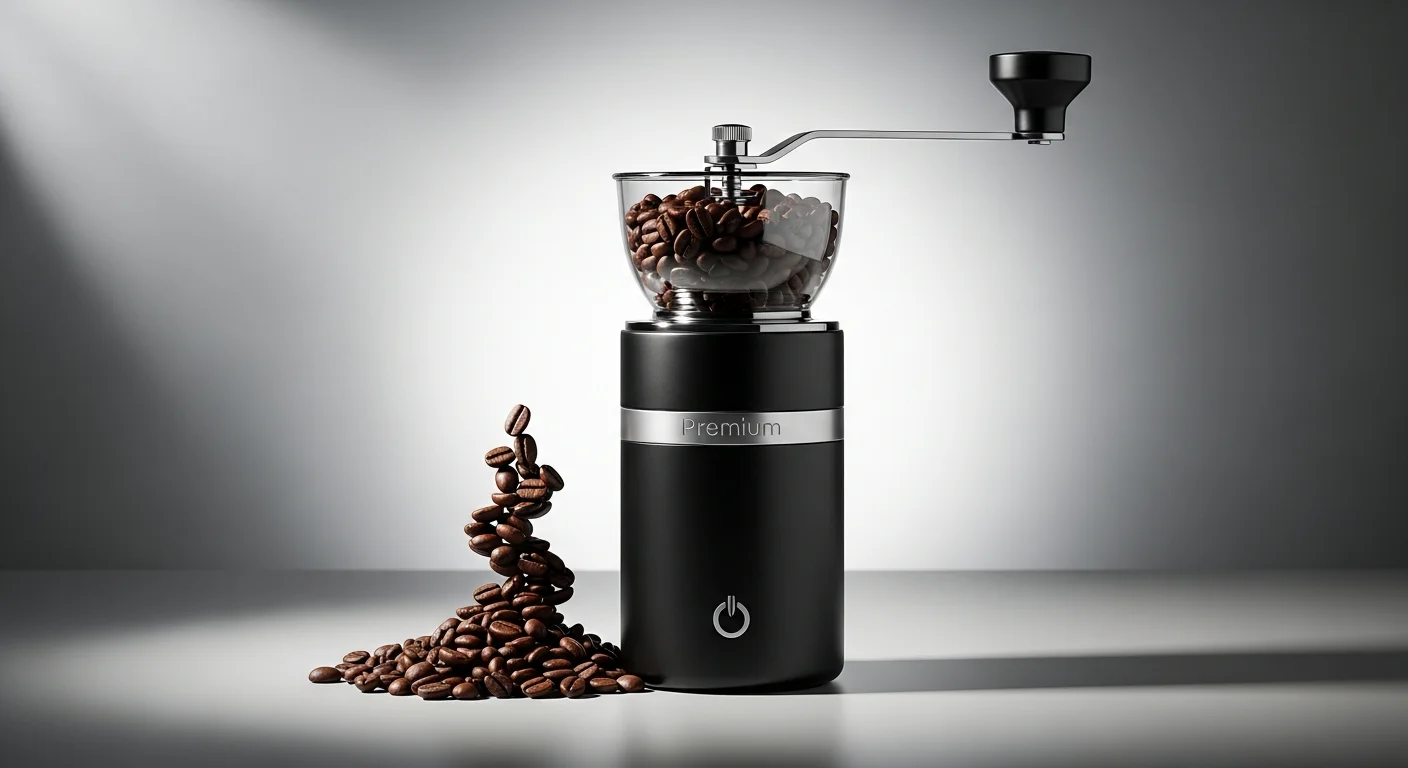
Key Takeaways
- Quality grinders under 5000 yen are available for both manual and electric styles
- How to choose between manual and electric based on your daily habits
- Six reviewed models covering every beginner use case
You do not need to spend a fortune to enjoy freshly ground coffee every morning. Under 5000 yen, there are grinders that genuinely improve the quality of your daily cup — and make the step from pre-ground to fresh grinding an easy one to take.
This guide reviews six grinders under (or close to) 5000 yen, covering both manual and electric styles, with honest assessments of where each model performs well and where it falls short.
Why Under 5000 Yen Is Enough to Start
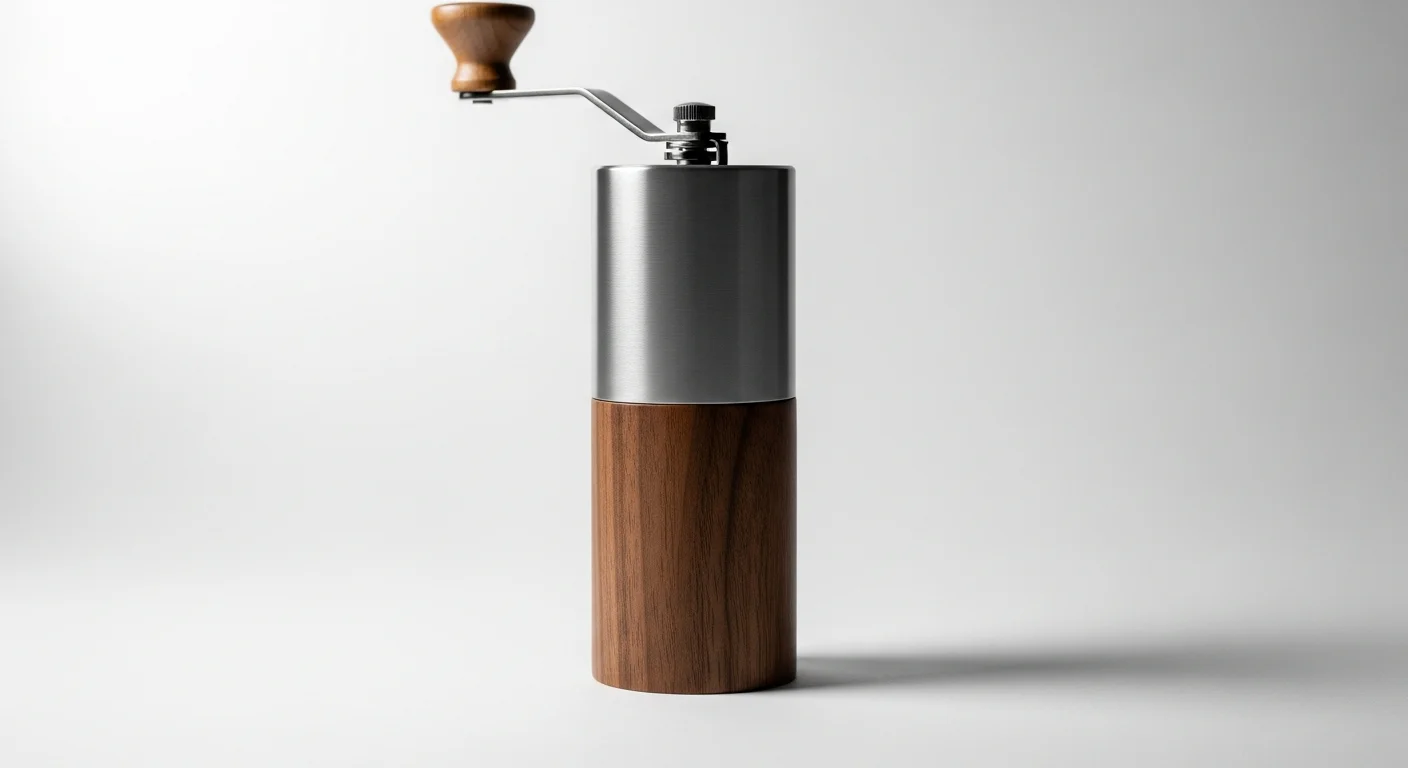
Coffee quality degrades from the moment of grinding. Beans begin to oxidize and lose their aromatic compounds within 15–30 minutes of being ground. This means the most important upgrade you can make is simply to grind immediately before brewing — regardless of which grinder you use.
Even a 3000-yen grinder produces freshly ground coffee that tastes noticeably better than any pre-ground coffee from a supermarket shelf. The habit of grinding fresh matters far more than the price of your grinder. Start grinding fresh first, then upgrade later if you want.
Manual vs Electric: Which Should You Choose?
Before comparing specific models, the first decision is whether to go manual or electric.
Manual grinders are better for you if:
- You brew 1–2 cups at a time
- You enjoy the ritual of coffee-making
- You want portability for travel or camping
- You live in a place where noise is a concern early in the morning
Electric grinders are better for you if:
- You need to grind several cups quickly in the morning
- You want minimal effort and time commitment
- You brew for multiple people regularly
Pros
- +Manual: Low heat generation preserves delicate flavors
- +Manual: Silent operation at any hour
- +Electric: Grinds multiple servings in under 30 seconds
- +Electric: No physical effort required
Cons
- -Manual: Takes 1–2 minutes per serving
- -Manual: Less practical for brewing multiple cups at once
- -Electric: Under 5000 yen usually means a propeller-style grinder with lower grind consistency
- -Electric: More heat friction than manual
Six Recommended Grinders: Detailed Reviews
Grinder Budget Zones at a Glance
Under ¥5,000 is the entry point to fresh grinding. Knowing the upgrade path prevents buying twice.
| Zone | Price | Profile | Detail |
|---|---|---|---|
| ★This article | Under ¥5,000 | Manual focus, beginner-friendly | Test fresh grinding |
| Electric entry | ¥5,000–15,000 | Blade and basic burr | Electric grinder comparison |
| Mid-tier to barista-grade | ¥15,000+ | Conical burr and pro-level precision | Barista-recommended guide |
One cup a day? This article's range is enough. Multiple cups or espresso? Start at electric entry or above.
Rank 1: HARIO Ceramic Slim MSS-1B — The Classic Entry Point
The HARIO Ceramic Slim is the most recommended first grinder in this price range. At around 2,000 yen, it features genuine ceramic burrs that produce no metallic taste, allowing the natural flavor of the bean to come through cleanly.
Every part of the Ceramic Slim disassembles for washing, keeping it hygienic over long-term use. It is well-suited for drip coffee and pour-over (V60, paper filter) at 1–2 cups. Grind adjustment is dial-based and intuitive. For someone trying hand-grinding for the first time, this is the obvious starting point.
Rank 2: Kalita KH-3AM — A Wooden Box Hand Grinder
A classic box-style hand grinder. The body is made of rubberwood and the cutter (burr) is aluminum. As you turn the handle, the ground coffee collects in the drawer below. It holds about 35g of beans at a time, enough for two or three cups in one go.
Because it is designed to sit on a table, it is not meant for travel. The upside of the box shape is that you can grind calmly without holding the grinder in the air.
Rank 3: Kalita CM-50 — The Electric Budget Standard
The Kalita CM-50 has been an entry-level electric grinder recommendation in Japan for decades. It uses a propeller-style blade, which means grind consistency is lower than burr grinders — but for someone prioritizing speed and simplicity over precision, it does the job effectively at the lowest price among the electric grinders here.
It grinds 50g of beans to a medium grind in about 15 seconds, which makes it handy for grinding several servings at once. Grind coarseness is roughly controlled by how long you run it.
Rank 4: CAPTAIN STAG UW-3501 — Made in Japan and Easy to Carry
A cylinder 46mm across and 135mm tall, weighing about 219g. The body is 18-8 stainless steel with a ceramic burr, and it is made in Japan. It holds about 17g of beans, enough for one or two cups per grind. Its size makes it an easy pick for camping and travel.
Rank 5: De'Longhi KG200JN — For Quick Electric Grinding
A blade-type (propeller) electric grinder from De'Longhi. It holds up to 90g of beans and covers coarse to medium-fine grinds. The hopper is removable. The particles are less even than with a burr grinder, but on mornings when you grind for the whole family, it finishes faster than a hand grinder.
Rank 6: HARIO Coffee Mill Smart G PRO — Stainless Burrs in a Slim Body
A slim hand grinder with stainless steel burrs. The shaft is supported by a double bearing, so it wobbles less while grinding, and the handle stows in the band on the body. The grounds container has markings, so you can see at a glance how much you have ground.
Side-by-Side Comparison
| Model | Type | Approx. price | Burr Type | Bean capacity |
|---|---|---|---|---|
| HARIO Ceramic Slim | Manual | About ¥2,000 | Ceramic | 24g |
| Kalita KH-3AM | Manual | About ¥4,500 | Aluminum | About 35g |
| Kalita CM-50 | Electric | About ¥4,000 | Propeller | 50g |
| CAPTAIN STAG UW-3501 | Manual | About ¥3,300 | Ceramic | About 17g |
| De'Longhi KG200JN | Electric | About ¥4,600 | Blade (propeller) | 90g |
| HARIO Smart G PRO | Manual | About ¥4,500 | Stainless steel | 24g |
Which to Choose: Summary by Use Case
Starting fresh on the smallest budget → HARIO Ceramic Slim (about ¥2,000) Best value for the price. The right starting point for most beginners.
Electric, fast, minimal effort → Kalita CM-50 (about ¥4,000) The lowest-cost electric option. Good enough for daily drip brewing.
Stainless steel burrs → HARIO Smart G PRO (about ¥4,500) Stainless burrs and a double bearing, still under 5,000 yen.
Travel and portability → CAPTAIN STAG UW-3501 (about ¥3,300) A 46mm cylinder weighing about 219g, made in Japan. Easy to take outdoors.
If you are choosing your first grinder and want to keep cost low without sacrificing quality too much, the HARIO Ceramic Slim is the easiest recommendation. It is affordable enough that upgrading later does not feel like a waste, and quality enough that you will genuinely enjoy using it from day one.
Summary
You do not need to spend more than a few thousand yen to start grinding fresh coffee every day. Here is the short version:
- Best first grinder: HARIO Ceramic Slim (about ¥2,000)
- Electric and fast: Kalita CM-50 (about ¥4,000)
- Stainless steel burrs: HARIO Smart G PRO (about ¥4,500)
- Best for travel: CAPTAIN STAG UW-3501 (about ¥3,300)
The habit of grinding fresh coffee immediately before brewing is the single highest-return improvement most people can make. Any of the grinders above will give you that experience — the key is simply to start.
Ready to Step Up to Electric or Pro-Grade
Once you've felt the difference fresh grinding makes, the next gains come from electric speed and finer particle uniformity.
- Save time with an electric grinder → Home Electric Coffee Grinders — Full Comparison
- What baristas actually use → Barista-Recommended Electric Grinders
- Optimize for espresso → Semi-Automatic Espresso Machines — 8 Picks for 2026
Related Articles
- Best Coffee Grinders Under 5,000 Yen: 7 Picks for Beginners
- Best Coffee Makers Under ¥10,000 — Top Value Picks 2026
- Best Home Espresso Machines Under ¥50,000 — 2026 Guide
- Best Manual Coffee Grinders: Top Picks and How to Choose the Right One
- 10 Coffee Gear Picks for 2026: The Best New and Notable Home Brewing Equipment
About the AuthorExpert Reviewed

Coffee Guide Editorial
A team of certified writers and baristas with hands-on experience at origin farms and roasteries. We deliver practical, experience-backed guides on bean selection, brewing methods, and equipment reviews.
Credentials & Experience
- J.C.Q.A. Certified Coffee Instructor
- SCA Certified Barista
- 5+ years running a specialty roasting café
- 200+ coffee beans tasted annually