Nespresso vs Dolce Gusto — Key Differences in Taste, Cost & Capsule Variety
PRThis article contains affiliate links
Key Takeaways
- Nespresso focuses on espresso quality; Dolce Gusto emphasizes drink variety including milk-based options
- Dolce Gusto capsules are slightly cheaper per cup than Nespresso
- Choose Nespresso for espresso quality, Dolce Gusto for cafe-style drink variety
When comparing capsule coffee machines, Nespresso and Nescafé Dolce Gusto are almost always the two systems under consideration. Both are Nestlé brands, both use dedicated capsules, and both eliminate most of the complexity from home coffee brewing. But they are built around different priorities — and understanding those differences will make your decision straightforward.
What you will learn
- The core conceptual difference between the two systems
- Drink variety and capsule options for each
- Machine prices and per-cup running costs
- Which system suits which type of coffee drinker
The Core Difference: Espresso Quality vs. Drink Variety
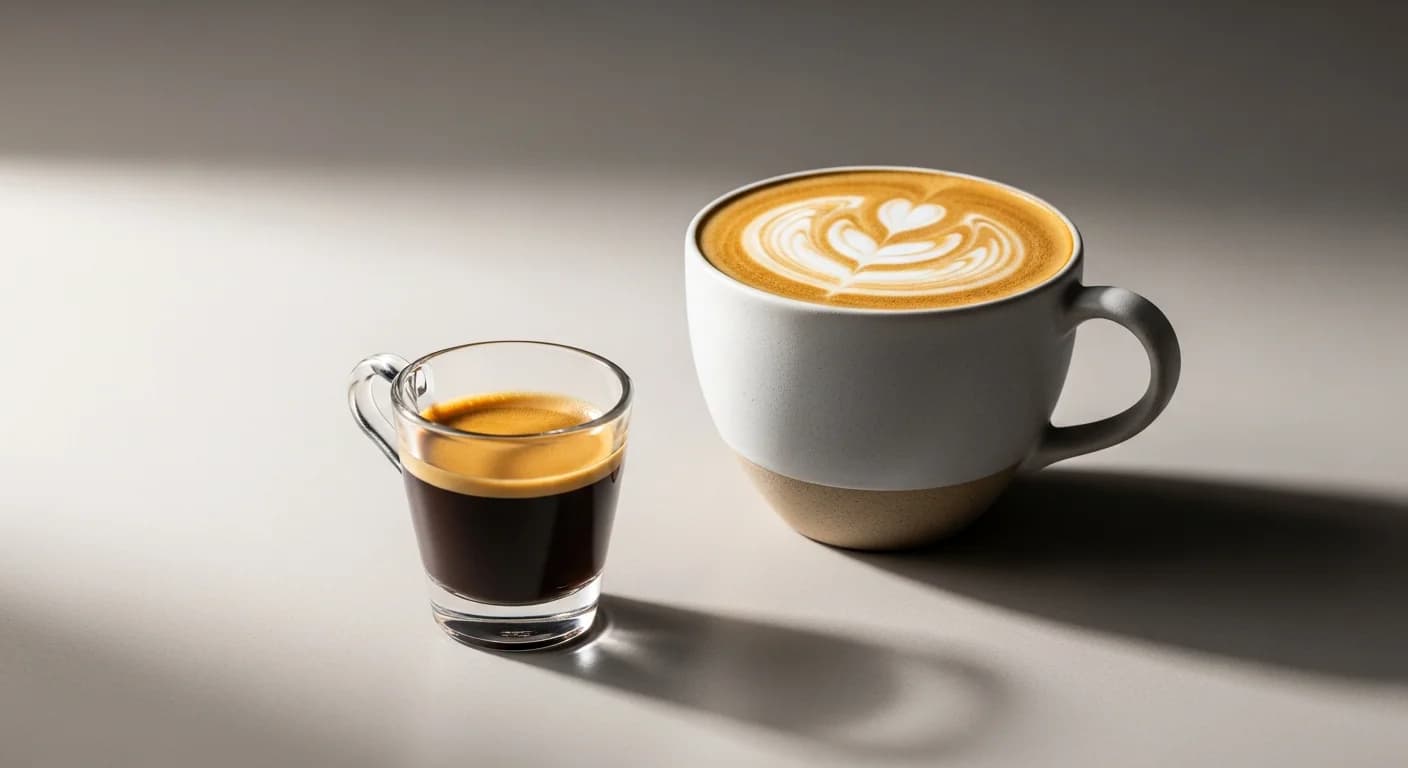
Nespresso is built around one thing: producing high-quality espresso through a 19-bar pump extraction system. Every machine in the Original Line delivers that consistent, high-pressure extraction. The experience is premium and focused.
Dolce Gusto is built around variety. It prioritizes the range of drinks you can make, including lattes, cappuccinos, hot chocolate, matcha lattes, and iced drinks — many of which use separate coffee and milk capsules that the machine brews in sequence. The experience is closer to a cafe menu at home.
This core difference flows through every other comparison point.
Drink Options and Capsule Variety
Nespresso (Original Line)
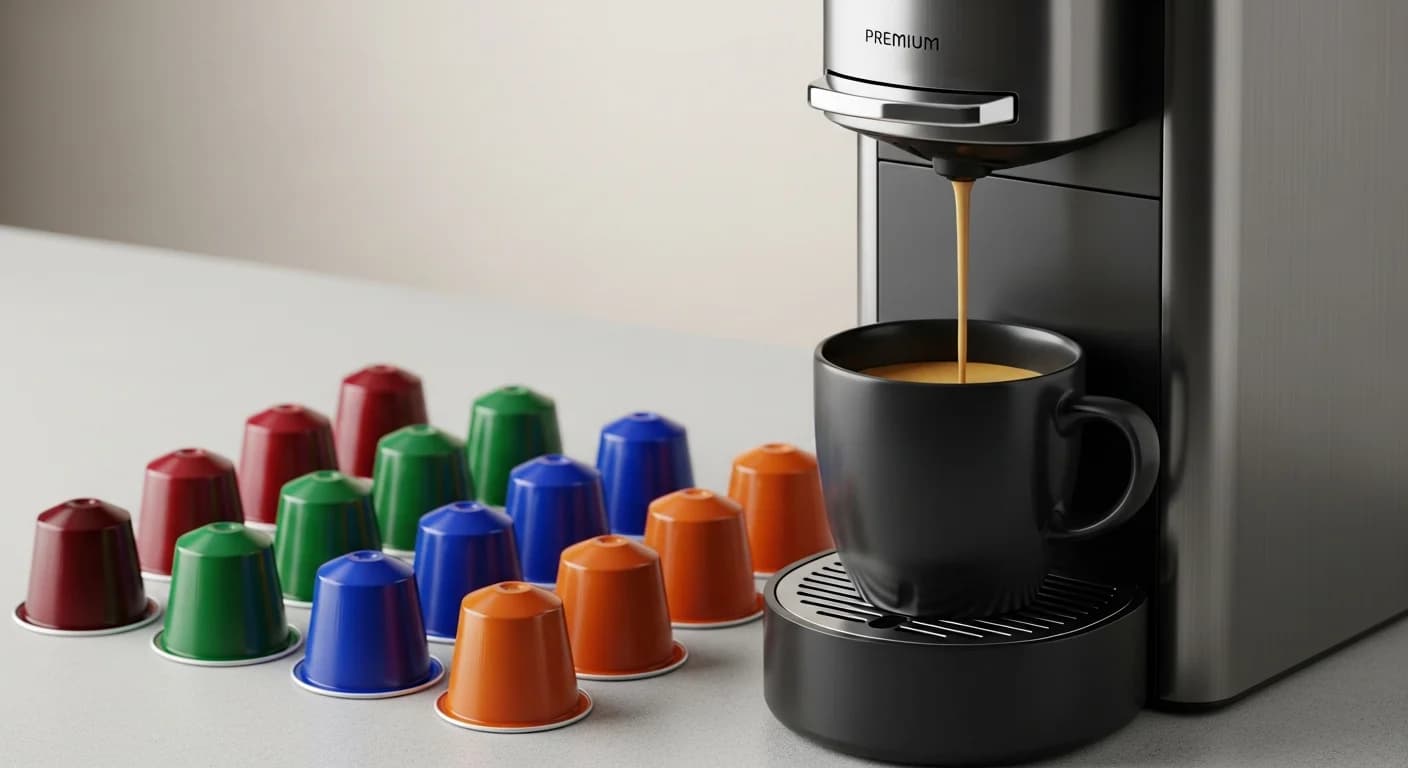
Nespresso capsules focus on espresso and lungo with a range of over 30 capsule varieties organized by origin, roast level, and intensity. The coffee-forward selection is extensive and varied for serious espresso drinkers.
Milk-based drinks like lattes and cappuccinos require either a separate milk frother (the Nespresso Aeroccino is the standard accessory) or the Creatista Plus, which has integrated automatic steaming. The milk element is not built into the capsule system itself.
Dolce Gusto
Dolce Gusto capsules cover a much wider range of drink types. Many milk-based options come as two-capsule sets — one coffee, one milk — which the machine brews sequentially to produce a finished drink without any additional equipment.
The drink menu includes:
- Café latte, cappuccino, café au lait
- Espresso, americano, ristretto
- Chococino (hot chocolate), chai latte, matcha latte
- Iced drink capsules (cold extraction supported)
If you want the range of a cafe menu without needing a separate frother, Dolce Gusto delivers that out of the box.
Machine Prices and Running Costs
Machine Prices
| Brand | Entry Model | Price |
|---|---|---|
| Nespresso | Inissia C40 | ~¥9,980 |
| Nespresso | Essenza Mini C30 | ¥19,204 |
| Dolce Gusto | Genio S | ¥16,929 |
| Dolce Gusto | Lumio | ~¥19,980 |
The Genio S is slightly cheaper than the Essenza Mini, and both are in the upper ¥10,000s (Amazon Japan, September 2026).
Capsule Running Costs
| Brand | Cost per cup | 30 cups/month |
|---|---|---|
| Nespresso | ~¥80–100 | ~¥2,400–3,000 |
| Dolce Gusto (coffee only) | ~¥60–80 | ~¥1,800–2,400 |
| Dolce Gusto (latte capsules) | ~¥120–140 | ~¥3,600–4,200 |
Dolce Gusto is cheaper per cup for coffee-only capsules. However, latte-type capsules that include a milk pod are priced similarly to or above Nespresso's per-cup cost.
Brew Quality
Nespresso
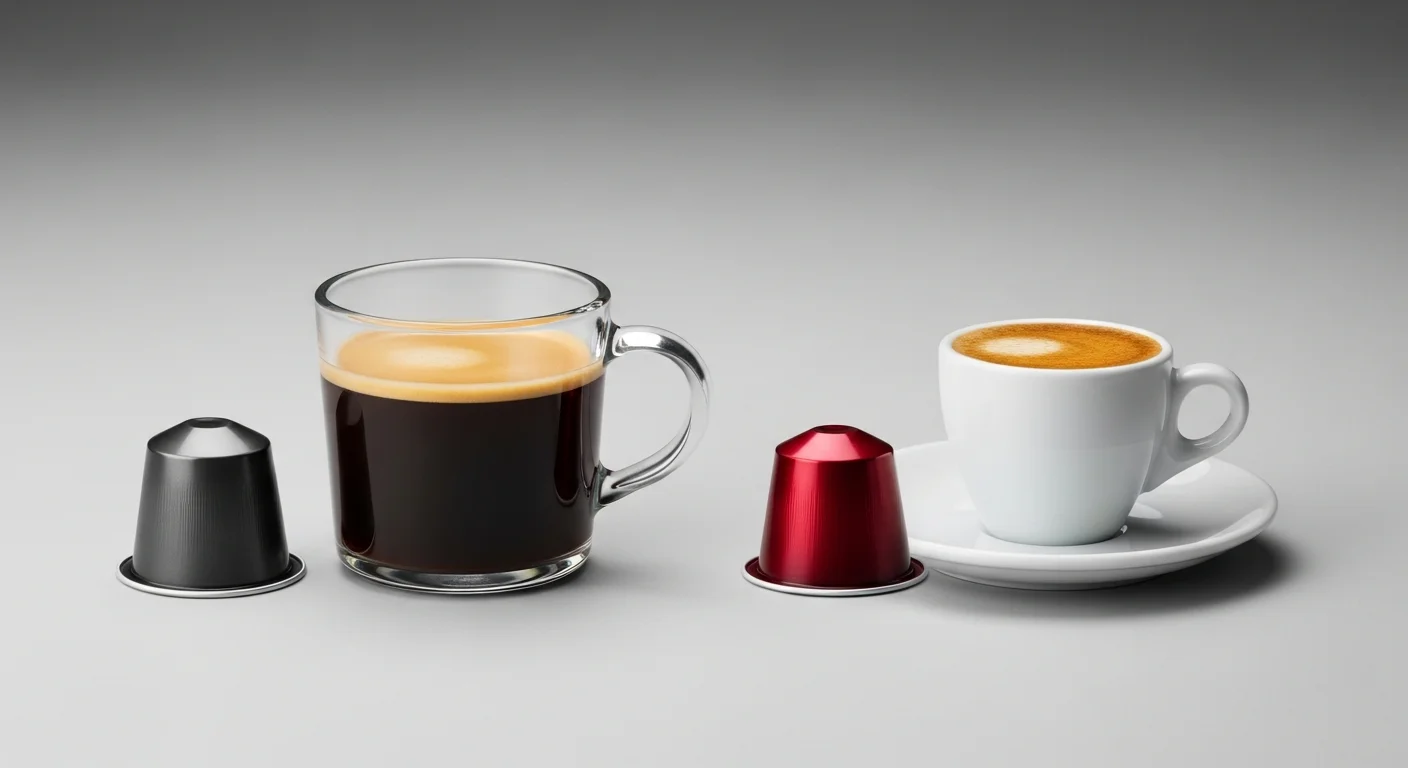
The 19-bar pump produces genuine espresso with a visible crema layer — the golden foam that indicates proper extraction. The taste profile is rich, concentrated, and consistent across capsules. For drinkers who care primarily about the quality of the coffee itself, Nespresso is the stronger system.
Dolce Gusto
Dolce Gusto machines typically operate at 15 bars — lower than Nespresso's 19 bars. The espresso quality is good for casual drinkers, but the depth and complexity of Nespresso espresso at its best is not fully replicated. Where Dolce Gusto excels is in the complete finished drink — the latte, the cappuccino, the chococino — where the combination of coffee and milk capsules produces a ready-to-drink result without extra equipment.
Who Should Choose Nespresso?
- You drink espresso or lungo primarily, often black
- Coffee flavor quality and complexity matter to you
- You prefer a compact, focused machine
- You enjoy exploring coffee origins and roast variations through capsule selection
Who Should Choose Dolce Gusto?
- You drink lattes, cappuccinos, or other milk-based drinks daily
- Multiple household members want different drink types
- You want variety beyond coffee — hot chocolate, chai, matcha
- Lower capsule cost per cup is a meaningful consideration
Pros
- +Nespresso: Superior espresso quality with genuine crema, ideal for purists
- +Dolce Gusto: Complete milk-based drinks without any additional equipment
- +Both systems: One-button operation, minimal cleanup, consistent results
Cons
- -Nespresso: Milk drinks require a separate frother or a premium machine
- -Dolce Gusto: Espresso quality is good but does not match Nespresso's 19-bar extraction
- -Both systems: Per-cup cost is higher than grinding whole beans
Side-by-Side Summary
| Criterion | Nespresso | Dolce Gusto |
|---|---|---|
| Espresso quality | Excellent | Good |
| Drink variety | Moderate (coffee-focused) | High (cafe-style menu) |
| Milk drinks | Requires frother or Creatista | Built into capsule system |
| Entry machine price | ~¥9,980 | ¥16,929 |
| Per-cup cost (coffee) | ~¥80–100 | ~¥60–80 |
| Best for | Espresso lovers | Milk drink fans and families |
Final Verdict
Choose Nespresso if espresso quality is your priority. The 19-bar extraction, wide capsule selection, and compact machine design make it the better choice for anyone who drinks coffee primarily black or with a small amount of milk.
Choose Dolce Gusto if drink variety matters more. The built-in two-capsule system for lattes and cappuccinos eliminates the need for a frother, and the broader menu — including hot chocolate, chai, and iced options — suits households where different people want different drinks.
Both systems share the core appeal of capsule coffee: insert, press, done. Either way, the daily friction of making coffee disappears.
Related Articles
- Best Capsule Coffee Makers 2026 — Top 10 Ranked
- Nespresso All Models Compared — Inissia, Essenza, Creatista Differences
- Nespresso Vertuo vs Original: Which System Should You Choose?
- Fully Automatic vs Semi-Automatic Espresso Machine: Which One Is Right for You?
- Best Automatic Milk Frothers Ranked: 7 Picks for Cappuccinos and Lattes at Home
About the AuthorExpert Reviewed

Coffee Guide Editorial
A team of certified writers and baristas with hands-on experience at origin farms and roasteries. We deliver practical, experience-backed guides on bean selection, brewing methods, and equipment reviews.
Credentials & Experience
- J.C.Q.A. Certified Coffee Instructor
- SCA Certified Barista
- 5+ years running a specialty roasting café
- 200+ coffee beans tasted annually