Coffee Bean Origins: A Ranked Guide to Finding Your Favorite
PRThis article contains affiliate links
Key Takeaways
- Flavor characteristics of 8 major coffee-growing countries
- Origin rankings with practical selection advice
- How processing method affects flavor as much as origin
Learning to choose coffee beans by origin is one of the most rewarding skills you can develop as a coffee drinker. Once you have a basic map of the major producing regions in your head, glancing at a bag label becomes genuinely informative — you'll have a reasonable idea of what to expect before even opening it.
This guide organizes the world's major coffee origins by flavor profile and ranks them for different taste preferences. Use it as a reference whenever you're deciding which origin to try next.
Before choosing by origin, consider roast level
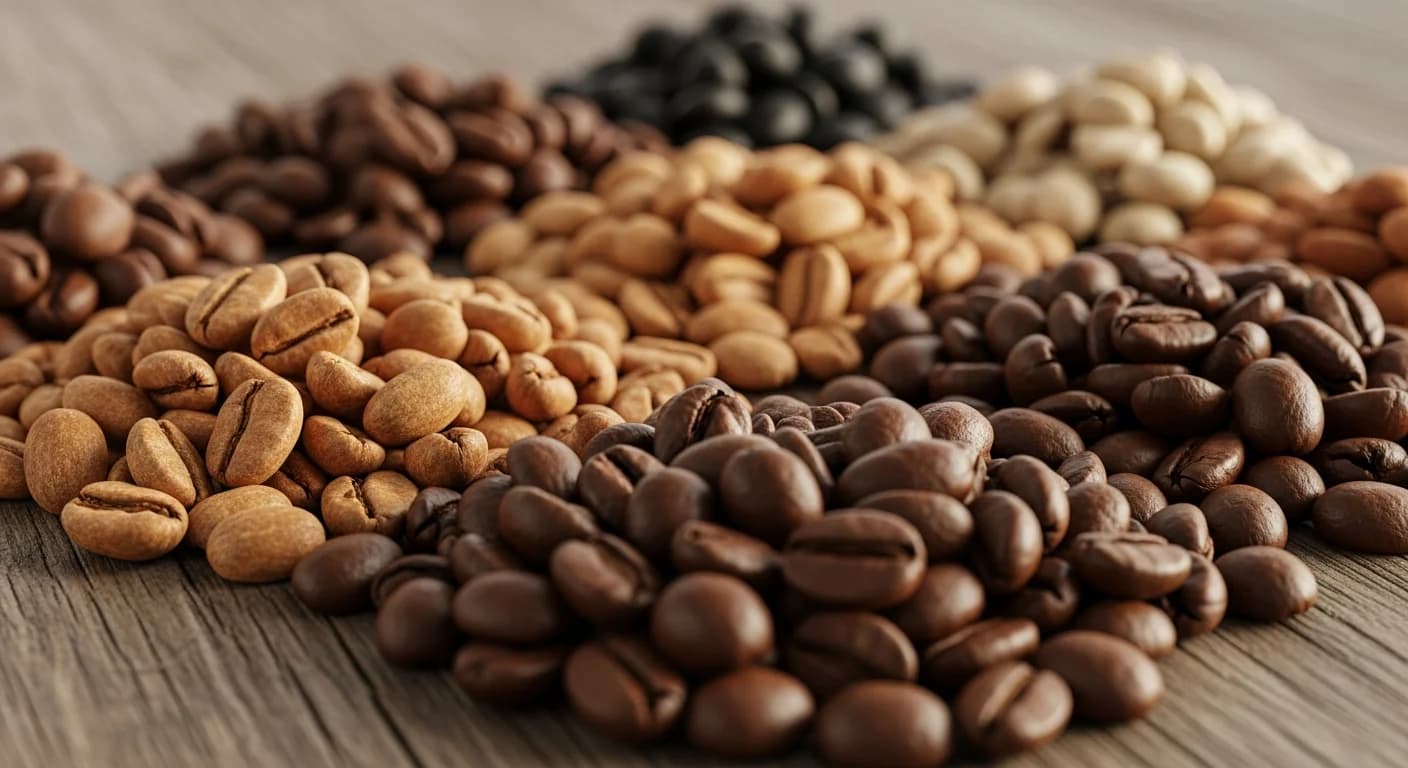
The same origin can taste dramatically different depending on roast level. For experiencing origin character at its clearest, choose light to medium roasts. For bold, bitter richness, go darker. Think of it as "origin × roast level" when making your selection.
Understanding Coffee Origins: The Coffee Belt
Coffee is grown commercially within roughly 25 degrees north and south of the equator — a region known as the Coffee Belt. This zone provides the right balance of temperature, rainfall, and altitude for coffee cultivation, and it spans three main producing regions: Latin America, Africa, and Asia-Pacific.
The key factors that give each origin its distinctive flavor are:
- Altitude: Higher elevations slow bean development, producing denser beans with greater complexity
- Soil: Volcanic soils contribute minerals that can create distinctive sweetness
- Climate: Pronounced dry and wet seasons often concentrate sugars in the coffee cherry
- Processing: How the fruit is removed from the bean after harvest profoundly shapes the final cup
Latin American Origins: Rankings and Profiles
#1: Colombia (Great for beginners through experts)
Colombia is arguably the world's most recognized specialty coffee origin, and for good reason. Grown in the high-altitude Andean regions, Colombian coffee is known for clean, transparent acidity, caramel sweetness, and a balanced, approachable body.
Specific regions like Huila, Nariño, and Antioquia produce exceptional single-origin lots. Medium to medium-dark roasts bring out the best of Colombian beans. Perhaps their greatest virtue is versatility — they work beautifully as black coffee and hold up equally well with milk.
#2: Brazil (Best starting point for beginners)
Brazil is the world's largest coffee producer, accounting for roughly 30% of global supply as of 2026. Brazilian coffees are typically grown at lower to mid-range altitudes, producing beans with nutty, chocolatey, and caramel-like sweetness, low acidity, and a smooth, rounded finish.
Their approachable flavor profile makes them ideal for newcomers. They're also the most common base bean in blended coffees worldwide, which is why "generic" coffee often has a familiar Brazilian character.
#3: Guatemala (For those who want more character)
Guatemala has eight distinct growing regions, each with its own personality. Antigua, grown on volcanic soils near three volcanoes, is particularly prized for its complex chocolate notes and citrus-edged acidity. Medium to light roasts highlight the origin's interesting interplay of sweetness and brightness.
African Origins: Rankings and Profiles
#1: Ethiopia (The coffee lover's coffee)
Ethiopia holds a unique place in coffee history as the likely birthplace of the coffee plant, where wild Arabica still grows in highland forests. The flavor diversity across Ethiopian regions is remarkable: Yirgacheffe is famous for jasmine, bergamot, and citrus; Sidama offers berry sweetness; Harrar produces wine-like complexity.
Processing method is especially important here. Natural-processed Ethiopian beans are intensely fruity and complex, while washed lots are clean and bright.
Starting with Ethiopian coffee? Choose Yirgacheffe washed
Yirgacheffe is the most widely available Ethiopian origin with consistently high quality. Ask for a washed (or "wet process") Yirgacheffe at any specialty shop. The floral and citrus aromatics tend to surprise and delight first-time drinkers.
#2: Kenya (For acidity lovers)
Kenyan coffees are graded by bean size (AA being the largest and most prized) and are renowned for assertive, wine-like acidity and full body. Flavor notes often include blackcurrant, tomato, and grapefruit — flavors rarely associated with coffee until you taste a quality Kenyan lot. They sit at the higher end of the price spectrum, but the experience justifies it.
#3: Tanzania (Accessible African character)
Tanzanian coffee, often labeled under the Kilimanjaro region, is more widely available in Japan and offers a gentler introduction to African brightness. Bright but measured acidity, pleasant sweetness, and a clean finish make it an approachable entry point for those curious about African origins without wanting the full intensity of Ethiopian or Kenyan cups.
Asia-Pacific Origins: Rankings and Profiles
Pros
- +Full-bodied and heavy
- +Pairs well with milk and sugar
- +Develops rich complexity at dark roasts
- +Good for those who dislike acidity
Cons
- -Origin character can be harder to distinguish
- -Quality variation can be wider
- -May be overwhelming for palates unused to earthiness
#1: Indonesia (For lovers of bold, earthy coffee)
Sumatra's Mandheling is one of the world's most distinctive coffee brands. The unique Wet-Hulled (Giling Basah) processing method used in Sumatra creates earthy, low-acid, full-bodied coffee with notes of dark chocolate, tobacco, and cedar spice. Dark roasting amplifies these characteristics further.
Bali and Sulawesi also produce their own interesting profiles, making Indonesia one of the most diverse single-country origins to explore.
#2: Vietnam (Best value for everyday use)
Vietnam is the world's second-largest coffee producer, focusing primarily on Robusta. The beans produce strong, bitter, highly caffeinated coffee that is traditionally consumed with sweetened condensed milk. Not a choice for exploring nuanced flavors, but an excellent option for everyday value or if you enjoy Vietnamese-style iced coffee.
Processing Method: As Important as Origin
Two bags from the same farm can taste completely different based on how the coffee was processed after harvest. In 2026, the three dominant methods are:
Washed (Wet Process): Fruit pulp is mechanically removed before drying. Produces clean, bright, transparent cups where the bean's quality and origin character are most legible.
Natural (Dry Process): Whole cherries are dried in the sun. Fruit sugars and aromatics absorb into the bean, creating intensely fruity, complex, and sometimes wine-like flavors.
Honey Process: A middle path — some mucilage is left on the bean before drying. The result combines washed clarity with natural sweetness, producing layered, complex cups.
Building origin knowledge takes time and repetition. The best approach is to buy a small quantity — 100–150g — of an interesting origin, brew it simply, and reflect on what you notice. Then use those observations to navigate your next choice. In 2026, Japan's specialty coffee infrastructure — including subscriptions, specialty roasters shipping nationwide, and an ever-growing number of cafés — makes exploring global origins more accessible than ever.
Related Articles
- Best Coffee Gear Ranking 2026 | Top 15 Picks for Beginners to Pros
- Best Coffee Beans to Buy Online | A Beginner's Guide with Top Picks
- 5 Best Coffee Bean Subscriptions: Fresh Roasts Delivered Automatically
- 6 Best Decaf Coffee Beans: Specialty-Grade Caffeine-Free Options
- 4 Best Fruity Light Roast Coffee Beans: Bright, Flavorful Picks
Frequently Asked Questions
QWhat are the best coffee origins for different tastes?
QHow does coffee taste differ by origin?
QWhat information should I use when choosing beans by origin?
About the AuthorExpert Reviewed

Coffee Guide Editorial
A team of certified writers and baristas with hands-on experience at origin farms and roasteries. We deliver practical, experience-backed guides on bean selection, brewing methods, and equipment reviews.
Credentials & Experience
- J.C.Q.A. Certified Coffee Instructor
- SCA Certified Barista
- 5+ years running a specialty roasting café
- 200+ coffee beans tasted annually