How to Store Coffee Beans: A Complete Guide to Freshness and Container Choice
PRThis article contains affiliate links
Key Takeaways
- The four main causes of coffee bean degradation are oxygen, light, moisture, and heat
- For room-temperature storage, aim to use beans within two weeks of roasting
- Freeze in single-serving portions for storage beyond one month
You bought a beautiful bag of freshly roasted coffee, but by the time you got through half of it, the vibrant aroma had faded and the cup tasted flat. Sound familiar? Coffee beans begin to degrade immediately after roasting, and poor storage can significantly accelerate the process — sometimes within just a few days.
The good news is that with the right approach, you can preserve the flavor and aroma of your coffee beans for much longer. This guide explains why storage matters, identifies the four main causes of degradation, walks through the best storage methods for different timescales, and helps you choose the right container for your needs.
Why Storage Matters
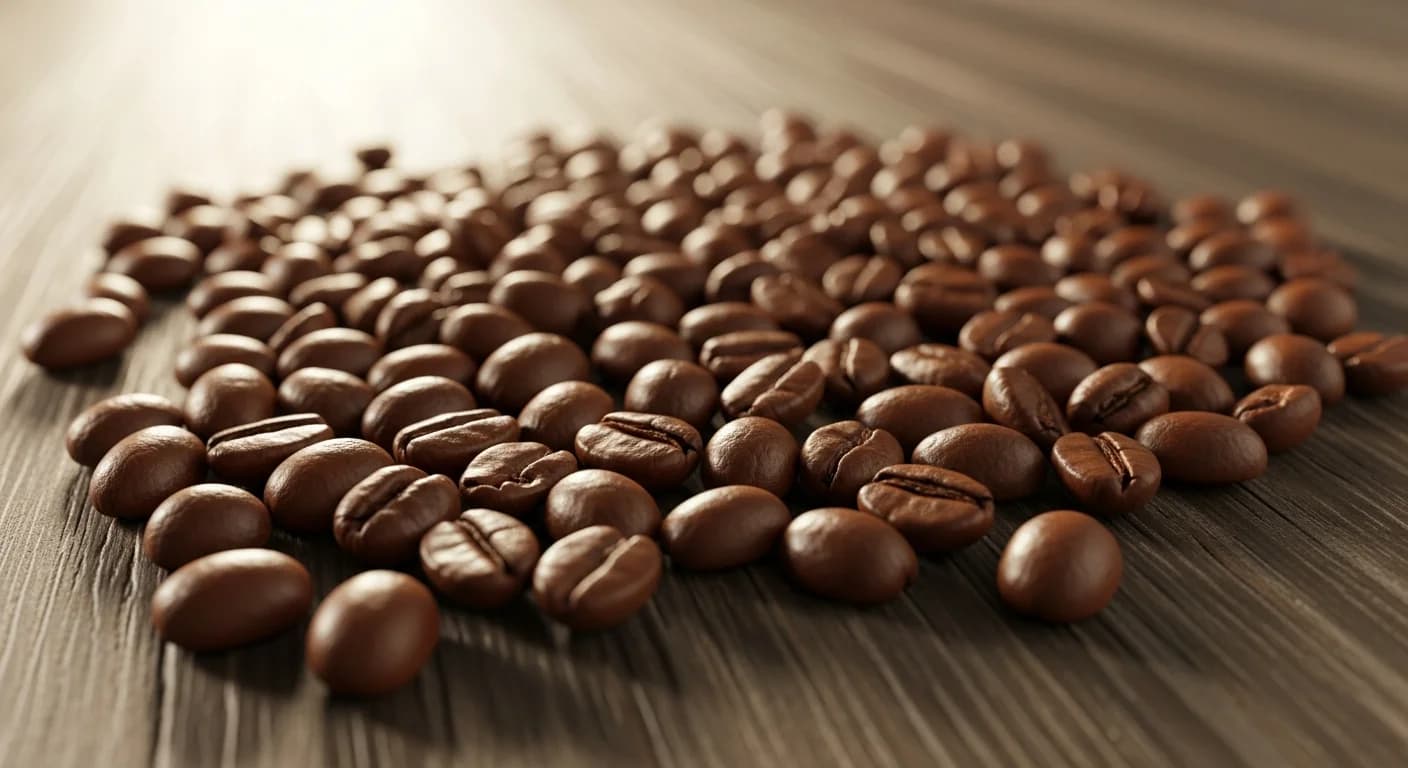
Coffee beans are a perishable product. The roasting process generates a complex array of aromatic compounds and also produces large amounts of carbon dioxide (CO2). That CO2 acts as a natural barrier against oxygen in the days immediately after roasting — but once it dissipates, oxidation takes over.
The Freshness Window for Roasted Coffee
Immediately after roasting, CO2 is still off-gassing from the beans and protecting them from oxygen. For most coffees, the optimal drinking window begins about 2–3 days after roasting and peaks between 7–14 days. After that point, oxidation progressively strips away sweetness and aroma, replacing them with staleness and off-flavors.
The higher the quality of the coffee, the more noticeable the difference between well-stored and poorly stored beans. A specialty coffee that costs several thousand yen per 100g can taste mediocre if stored carelessly, while even a modest everyday coffee will taste noticeably better when kept fresh. Think of roasted coffee beans the way you would think of fresh produce — handle them with care and use them within a reasonable time.
The Four Enemies of Coffee Freshness
Coffee beans have four primary adversaries. Understanding each one makes it easier to choose storage strategies that actually work.
1. Oxygen (Oxidation)
Oxidation is the single most damaging force acting on stored coffee beans. According to SCA's literature review, the degradation rate in a zero-oxygen environment versus normal atmosphere (approximately 21% oxygen) can differ by roughly 20 times. The lipids (fats) in coffee react with oxygen and break down into compounds that produce unpleasant sourness and rancid bitterness. Once you open a bag of coffee, oxidation accelerates rapidly.
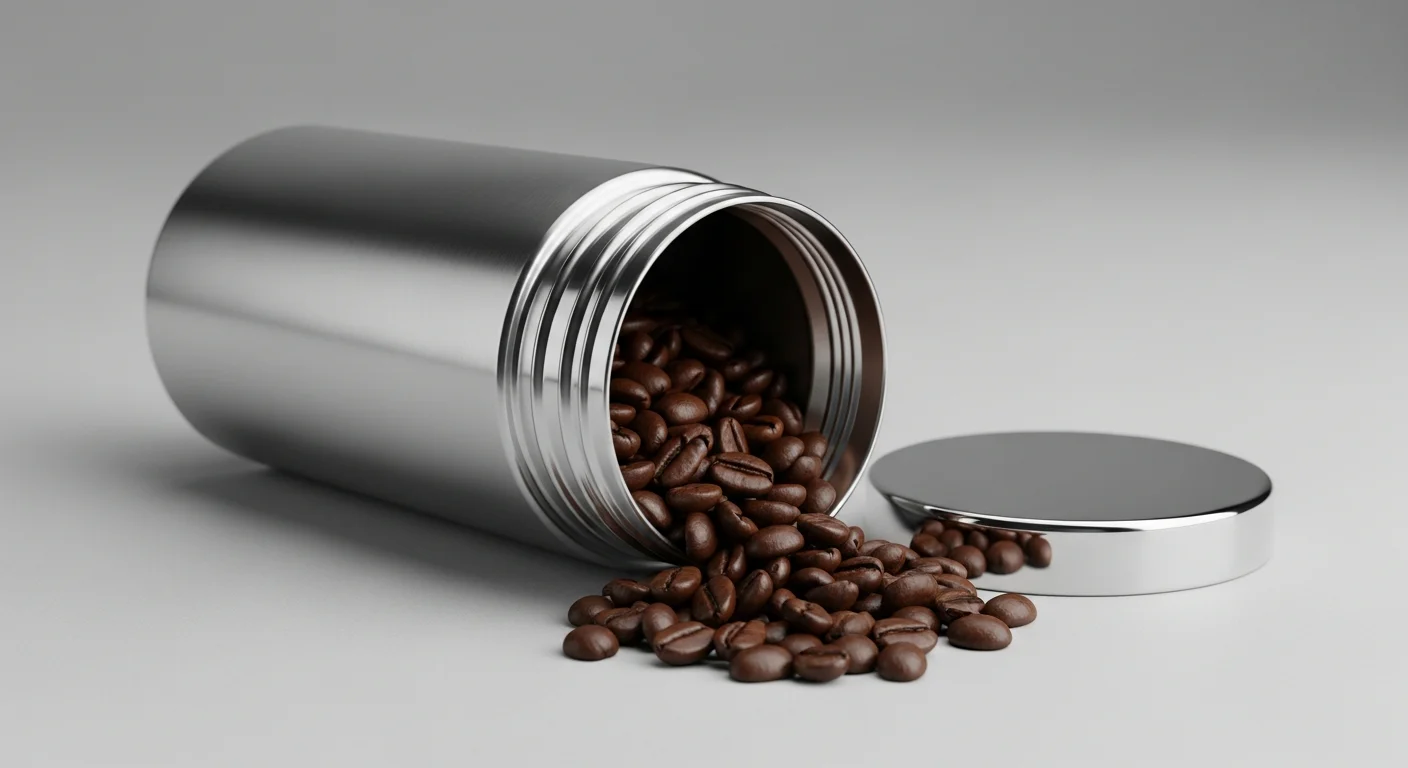
The most effective countermeasure is minimizing air contact: transfer beans to an airtight container immediately after opening the original bag, and replace the lid quickly every time you scoop beans out.
2. Light (UV Radiation)
Direct sunlight and even fluorescent lighting can accelerate the degradation of coffee's aromatic compounds. Light energy catalyzes chemical reactions inside the bean, speeding up the breakdown of the very compounds responsible for your coffee's complexity and aroma.
Transparent glass jars look attractive on a counter but offer no protection from light. Store coffee in an opaque container or keep it inside a cabinet or drawer where it is not exposed to ambient light.
3. Moisture (Humidity)
Moisture is the third major threat. Beans that absorb humidity are at risk of mold growth and also lose aroma compounds as they bind to water molecules and become less volatile. Absorbed moisture also changes the physical structure of the beans, causing uneven grinding and inconsistent extraction.
Humidity is a particular concern during summer and rainy seasons. Never store coffee beans near a sink, kettle, or any other source of steam.
4. Heat (Temperature)
High temperatures accelerate all chemical reactions involved in coffee degradation, including oxidation and aromatic compound breakdown. Fluctuating temperatures are particularly damaging, as they cause condensation inside containers — effectively adding moisture damage on top of heat damage. Store beans away from the stovetop, any heat-generating appliances, and direct sunlight.
Correct Storage Methods
With the four enemies in mind, here are the recommended approaches for different storage timescales.
Room Temperature Storage (Within Two Weeks)
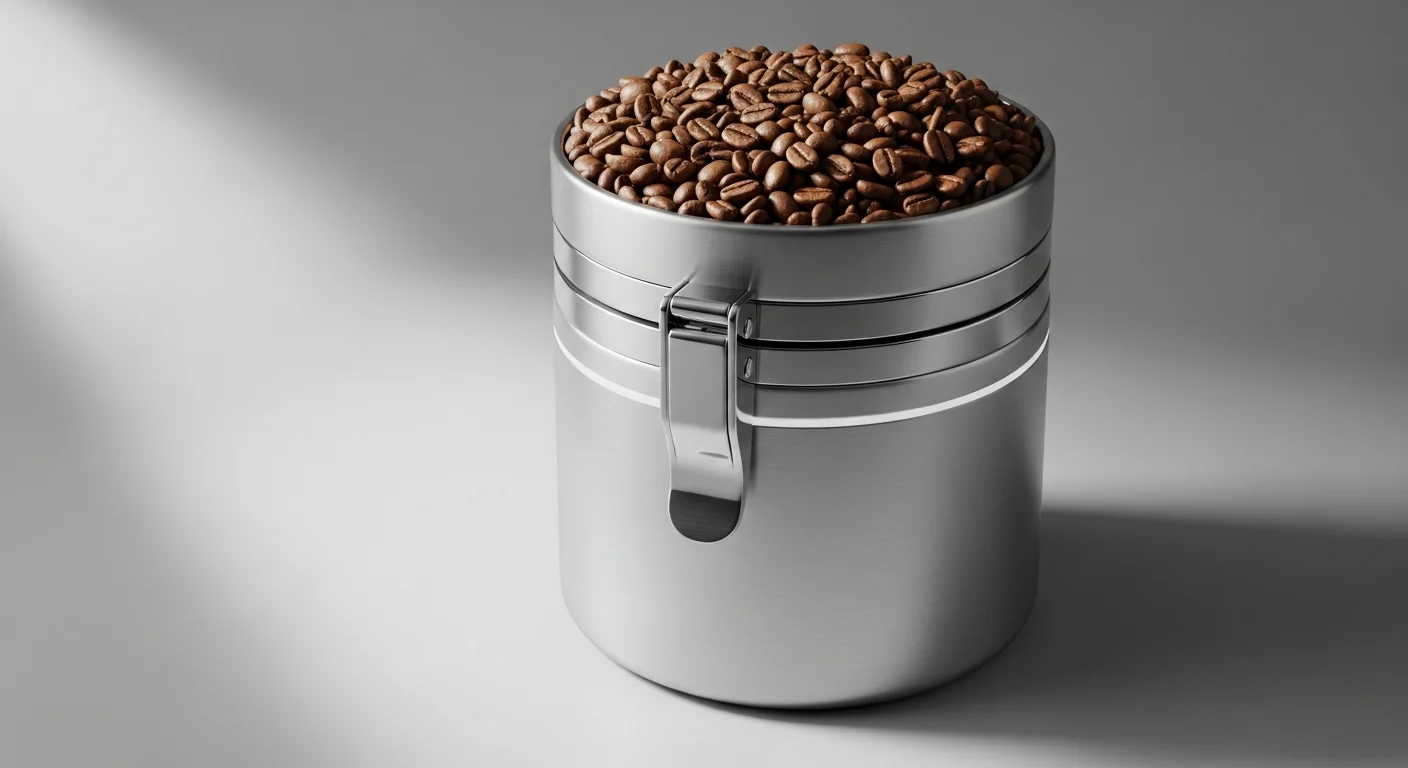
If you can use your coffee within two weeks of opening the bag, room-temperature storage in an airtight container is the simplest and most recommended method.
- Transfer beans to an airtight canister immediately after opening
- Store in a cool, dark location — inside a cupboard or drawer, not on the counter
- Refrigeration is generally unnecessary and can introduce moisture through condensation
For daily coffee drinkers, buying around 200g at a time and consuming it within two weeks is a practical routine that keeps things simple and fresh.
Refrigerator Storage (Two to Four Weeks)
If you need to keep beans for two to four weeks but do not want to freeze them, the refrigerator is a usable option. The key requirement is an airtight container — coffee readily absorbs odors from surrounding foods, and a refrigerator is full of them. Remove only the amount you need each time, replace the lid immediately, and allow the container to return to room temperature before opening to prevent condensation.
Freezer Storage (One Month or More)
For long-term storage — such as when you have bought in bulk or received a large gift — the freezer is highly effective at slowing both oxidation and moisture absorption. The critical rule is to portion the beans before freezing.
Follow these steps for successful freezer storage:
- Divide beans into single-serving portions (10–15g each) before freezing
- Place each portion in a zip-lock bag, press out as much air as possible, and seal tightly
- Place in the freezer
- When you are ready to use a portion, remove the sealed bag from the freezer and let it come to room temperature for about 30 minutes before opening — this prevents condensation from forming on the cold beans
- Open, use the beans, and do not refreeze
Refreezing previously thawed coffee destroys the remaining aromatic structure and should always be avoided.
Recommended Storage Containers
Choosing the right container is one of the most impactful upgrades you can make to your coffee routine. The three criteria to evaluate are: airtight seal, light protection, and ease of use.
Container Materials Compared
Glass: Easy to see remaining contents at a glance and does not retain odors. The main drawback is that clear glass offers no protection from light, so glass canisters must be stored away from light sources.
Stainless steel: Excellent light-blocking properties and odor resistance. High-quality stainless steel canisters made in Japan (particularly from the Tsubamesanjo production region) offer superior construction and long service life. The best choice for light-sensitive storage.
Ceramic and pottery: Often beautiful designs with good light blocking. Airtightness depends on the quality of the seal or gasket — check this carefully before purchasing.
Tips for Freezing Coffee Beans
Done correctly, freezer storage is one of the most effective ways to extend coffee freshness. The two principles to internalize are: single-serving portions and condensation prevention.
The Key to Successful Freezer Storage
Pre-portioning before freezing ensures that each time you open the freezer, only one serving's worth of beans is exposed to air and temperature change. The remaining portions stay perfectly frozen. Always let the sealed bag warm to room temperature before opening — the brief wait eliminates the risk of condensation forming on the cold beans and adding unwanted moisture.
Which Beans Benefit Most from Freezing
Not all coffees benefit equally from freezer storage. Delicate light-roasted specialty coffees contain highly volatile aromatic compounds that can be affected by the freeze-thaw cycle. Freezer storage is most effective — and most practical — for medium to dark roasted everyday coffees bought in larger quantities.
For high-quality specialty coffees, buying small amounts frequently and consuming them fresh within the optimal window will always deliver the best cup quality.
Vacuum-Sealed Canisters
For those who want to go further, vacuum-seal canisters with a built-in pump allow you to remove most of the air from the container after each use, extending freshness beyond what a standard airtight lid provides. Coffee-specific versions with one-way valve lids are also available, allowing the CO2 from fresh beans to escape while preventing outside air from entering.
Summary
Proper coffee bean storage is one of the simplest and most impactful ways to improve the quality of every cup you brew. Here is what to remember:
- The four enemies of coffee freshness are oxygen, light, moisture, and heat — block all four
- An airtight canister kept in a dark, cool location is ideal for beans you will use within two weeks
- For long-term storage, freeze beans in single-serving portions and always let them warm to room temperature before opening
- Choose a storage container based on airtightness, light-blocking ability, and ease of use
- Never refreeze previously thawed coffee beans
Treat your coffee beans as the perishable, craft product they are. A small investment in a good canister and a consistent storage routine will make a noticeable difference in your cup from the first sip to the last bean in the bag.
Related Articles
- Coffee Bean Freshness: Roast Date Guide & When to Drink Your Coffee
- Coffee Bean Storage Guide 2026: How to Keep Your Beans Fresh Longer
- Best Coffee Canisters 2026 — Top 10 Ranked with Storage Guide
- Best Vacuum Coffee Canisters 2026 — Keep Your Beans Fresh Longer
- Blend vs Single Origin Coffee: Differences & How to Choose
Frequently Asked Questions
QWhat is the worst thing to do when storing coffee beans?
QWhat type of container is best for storing coffee beans?
QWhat should I watch out for when freezing coffee beans?
References & Sources
About the AuthorExpert Reviewed

Coffee Guide Editorial
A team of certified writers and baristas with hands-on experience at origin farms and roasteries. We deliver practical, experience-backed guides on bean selection, brewing methods, and equipment reviews.
Credentials & Experience
- J.C.Q.A. Certified Coffee Instructor
- SCA Certified Barista
- 5+ years running a specialty roasting café
- 200+ coffee beans tasted annually