French Press vs Drip Coffee — Which Brewing Method Is Right for You
PRThis article contains affiliate links
Key Takeaways
- French press preserves coffee oils for a fuller, richer body; drip through paper filters removes oils for a cleaner, brighter cup
- French press requires fewer tools and produces consistent results; drip coffee is easier to clean up but demands more skill and consumables
- Neither method is objectively better — the right choice depends on your flavor preferences and daily routine
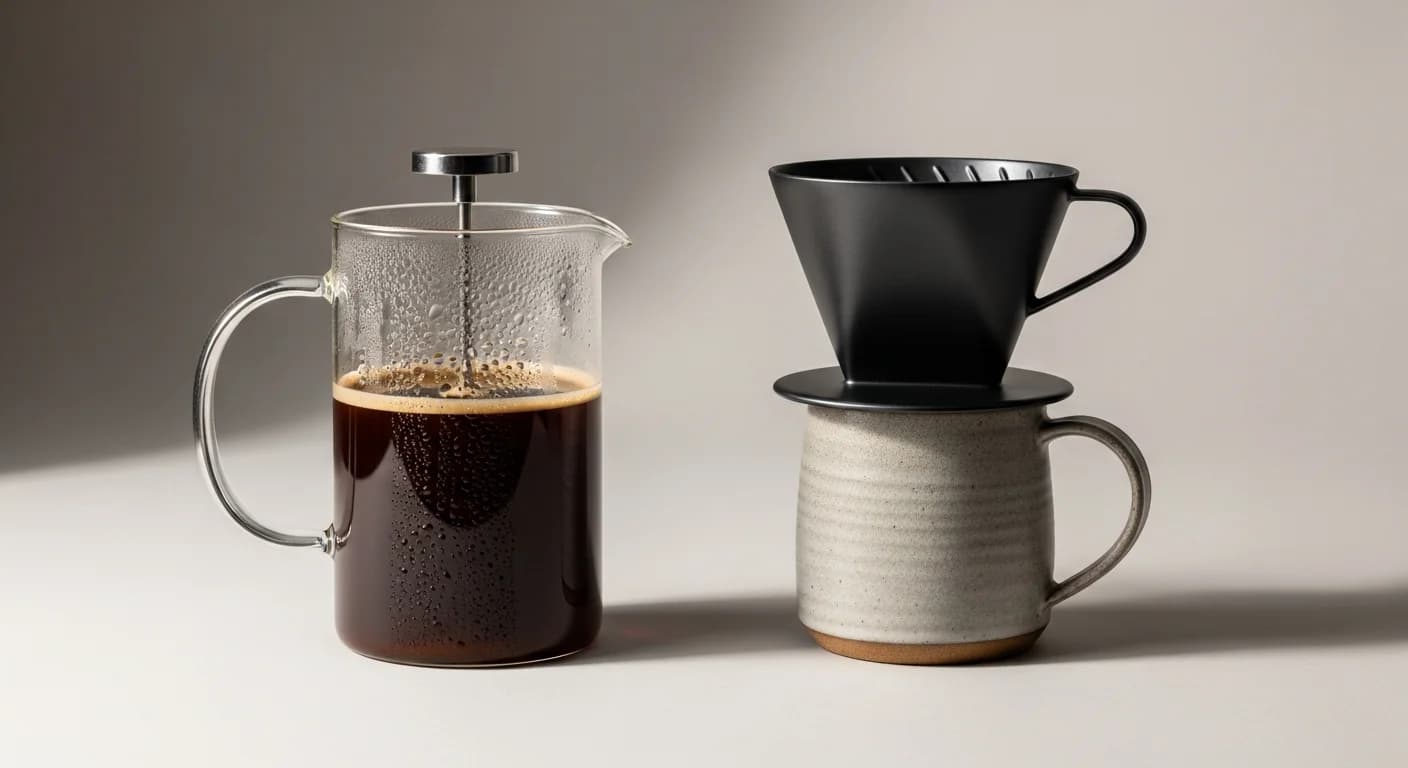
When starting home brewing, one of the first decisions people face is choosing between a French press and a drip coffee setup. The two methods differ fundamentally in how they extract coffee, the flavor they produce, and the daily habits they require. Neither is superior — the right choice depends on your taste preferences, lifestyle, and priorities.
This guide compares the two methods across the key dimensions to help you decide.
What this guide covers
- How French press and drip extraction work differently
- Flavor differences and which coffees suit each method
- Ease of use, cleanup, and cost comparison
- Lifestyle-based recommendations
Extraction Principles
French Press (Immersion)
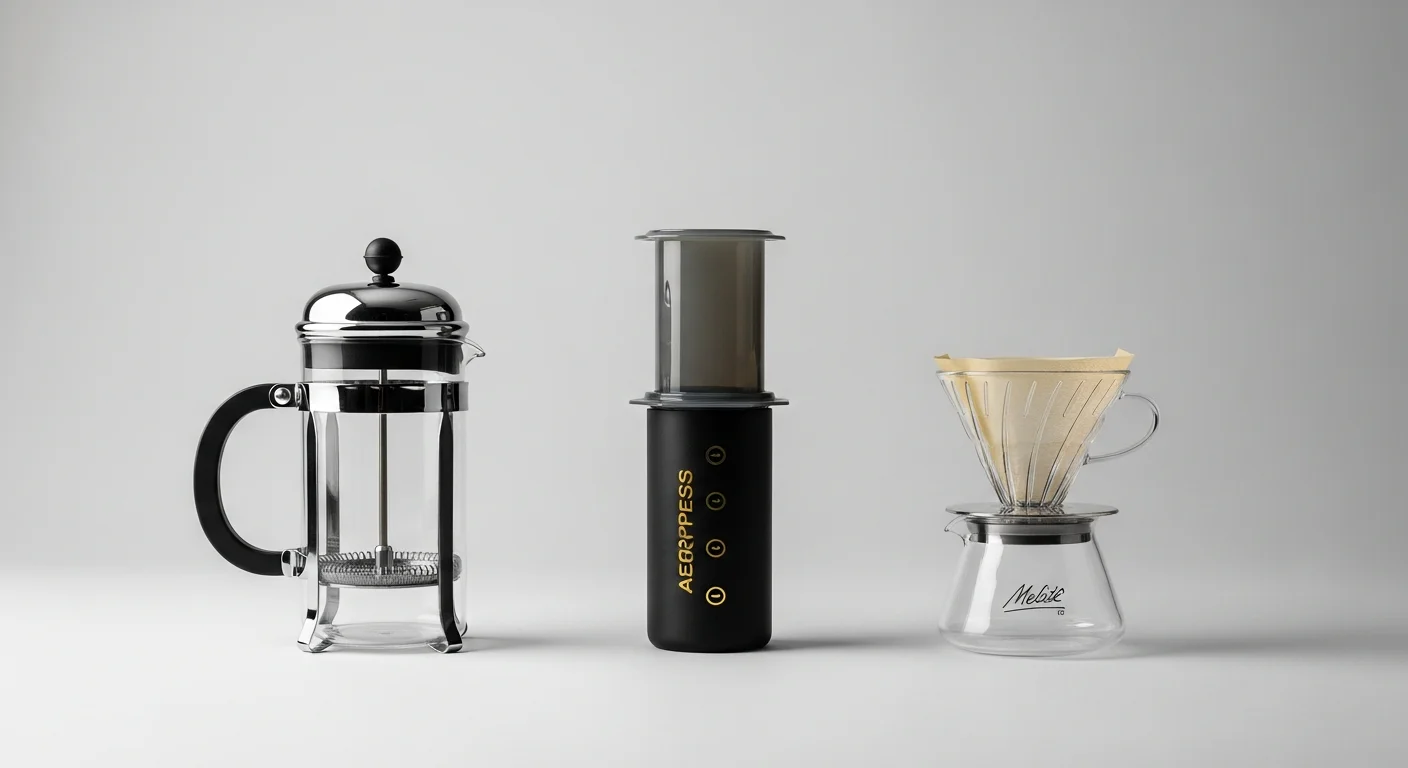
Ground coffee is immersed directly in hot water and steeped — typically for 4 minutes. At the end of steeping, the plunger is pressed down to separate grounds from liquid. The stainless steel mesh filter allows coffee oils and fine particles to pass through into the cup.
Drip Coffee (Percolation)
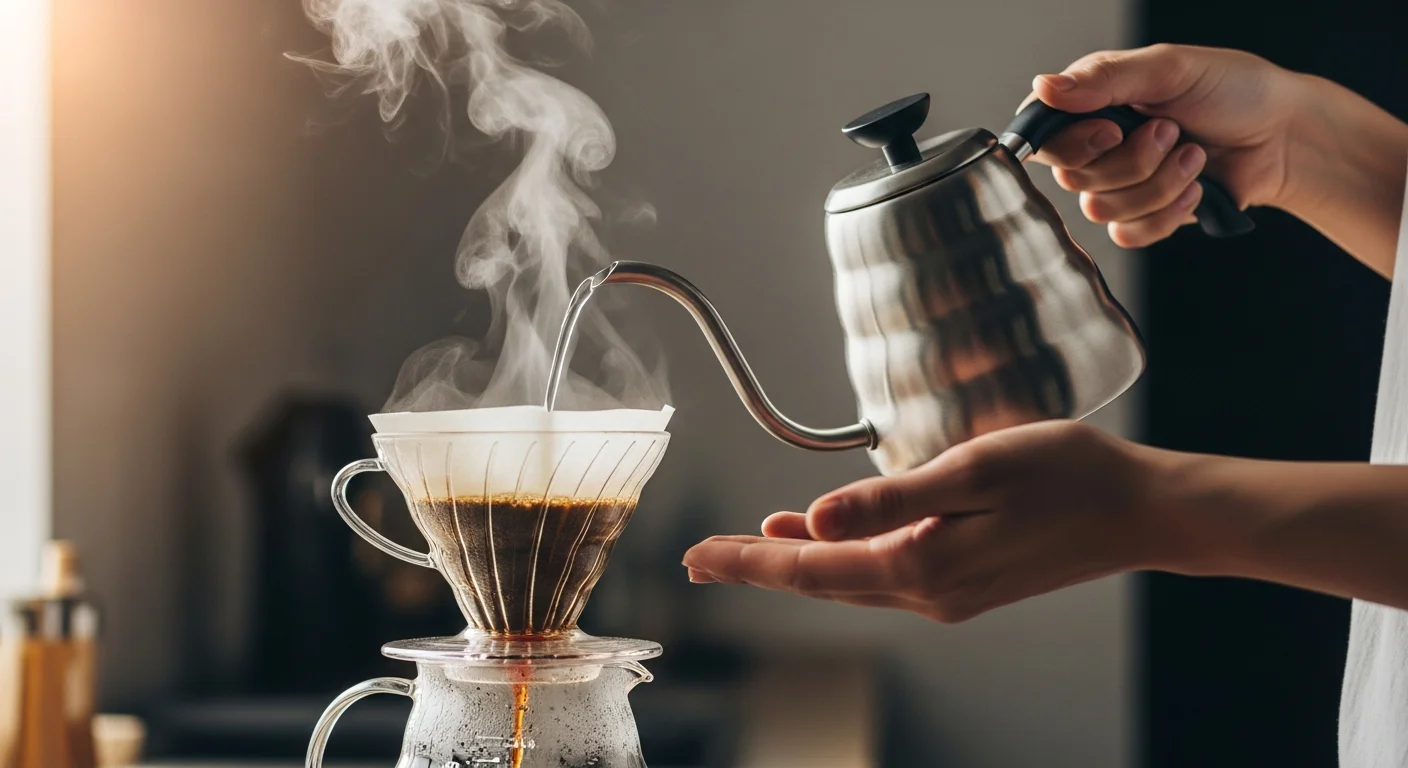
Hot water is poured over grounds and percolates through by gravity. When paper filters are used, they capture most coffee oils and fine particles before they reach the cup.
Flavor Differences
| Characteristic | French Press | Drip (Paper Filter) |
|---|---|---|
| Coffee oils | Pass into cup | Mostly removed |
| Fine particles | Slight residue | Mostly removed |
| Body | Heavy, full | Light, clean |
| Acidity | Rounded, soft | Bright, pronounced |
| Aroma | Rich, full | Clear, floral |
| Off-flavors | More likely | Less likely |
French press suits those who want coffee's characteristic richness and weight. Drip suits those who prefer clarity, brightness, and the expressive character of lighter roasts.
Roast level affects which method works better
Dark roast beans pair well with French press — the full immersion draws out deep, chocolatey richness. Light and medium-light roasts shine through paper filter drip, where floral acidity and fruity notes come through cleanly. Brewing the same beans both ways is an excellent exercise for understanding how extraction method shapes flavor.
Ease of Use Comparison
| Aspect | French Press | Drip (Manual) |
|---|---|---|
| Equipment needed | Press only | Dripper + server + filters + kettle |
| Brewing effort | Low (measure → pour → wait → press) | Higher (pour technique required) |
| Consistency | High (time-based, reproducible) | Lower (technique-dependent) |
| Cleanup | More involved (remove grounds, wash) | Easy (discard filter with grounds) |
| Filter management | None (built-in mesh) | Required (purchase paper filters) |
Cost Comparison
| Item | French Press | V60 Drip Setup |
|---|---|---|
| Initial cost (equipment) | ¥2,000–8,000 | ¥1,000–3,000 |
| Filter costs | ¥0 | ~¥600–1,200/year |
| Durability | High (mind the glass) | High |
Initial costs are similar. Over time, drip coffee costs slightly more due to ongoing paper filter purchases.
Which to Choose
| Lifestyle and priority | Recommendation |
|---|---|
| Prefer rich, full-bodied coffee | French press |
| Prefer clean, bright coffee | Drip |
| Want minimal equipment | French press |
| Prioritize easy cleanup | Drip |
| Want to develop brewing technique | Drip |
| Want to explore single-origin character | Drip (light roast) |
| Want easy, rich dark roast coffee | French press |
Pros
- +French press requires no consumable filters — just the press and coffee beans, making it the simpler starting setup
- +Drip coffee cleanup is minimal — discard the paper filter with grounds and rinse the dripper, which suits busy mornings
- +French press produces consistent results through time control — technique matters less, making it beginner-friendly
Cons
- -French press mesh filters accumulate grounds and require thorough washing after each use
- -Drip coffee flavor varies with pour technique, water temperature, and flow rate — consistent results require practice
- -French press leaves fine sediment in the cup — some drinkers notice a gritty texture toward the end
Summary
French press and drip coffee are not competing for which is better — they serve different preferences and routines.
Rich, full body × easy consistency → French press
Clean, bright flavor × exploring bean character → Drip coffee
Trying both methods with the same beans sharpens your understanding of your own coffee preferences. Equipment costs are low enough that testing both is genuinely worthwhile.
Related Articles
- French Press vs AeroPress vs Clever Dripper: Which Should You Choose?
- Dripper Comparison: V60 vs Kalita Wave vs Chemex vs ORIGAMI [2026]
- Kalita Wave 185 vs 155 — Which Size Should You Choose?
- Pour-Over vs French Press vs AeroPress: Complete Comparison Guide
- Fully Automatic vs Semi-Automatic Espresso Machine: Which One Is Right for You?
About the AuthorExpert Reviewed

Coffee Guide Editorial
A team of certified writers and baristas with hands-on experience at origin farms and roasteries. We deliver practical, experience-backed guides on bean selection, brewing methods, and equipment reviews.
Credentials & Experience
- J.C.Q.A. Certified Coffee Instructor
- SCA Certified Barista
- 5+ years running a specialty roasting café
- 200+ coffee beans tasted annually