Kalita Dripper Review: All Models Compared — How to Choose and Brew
PRThis article contains affiliate links
Key Takeaways
- Kalita's signature three-hole design delivers stable extraction and a clean, well-balanced cup
- Material choice — ceramic, wave, or plastic — affects heat retention and flavor expression; pick based on your goals
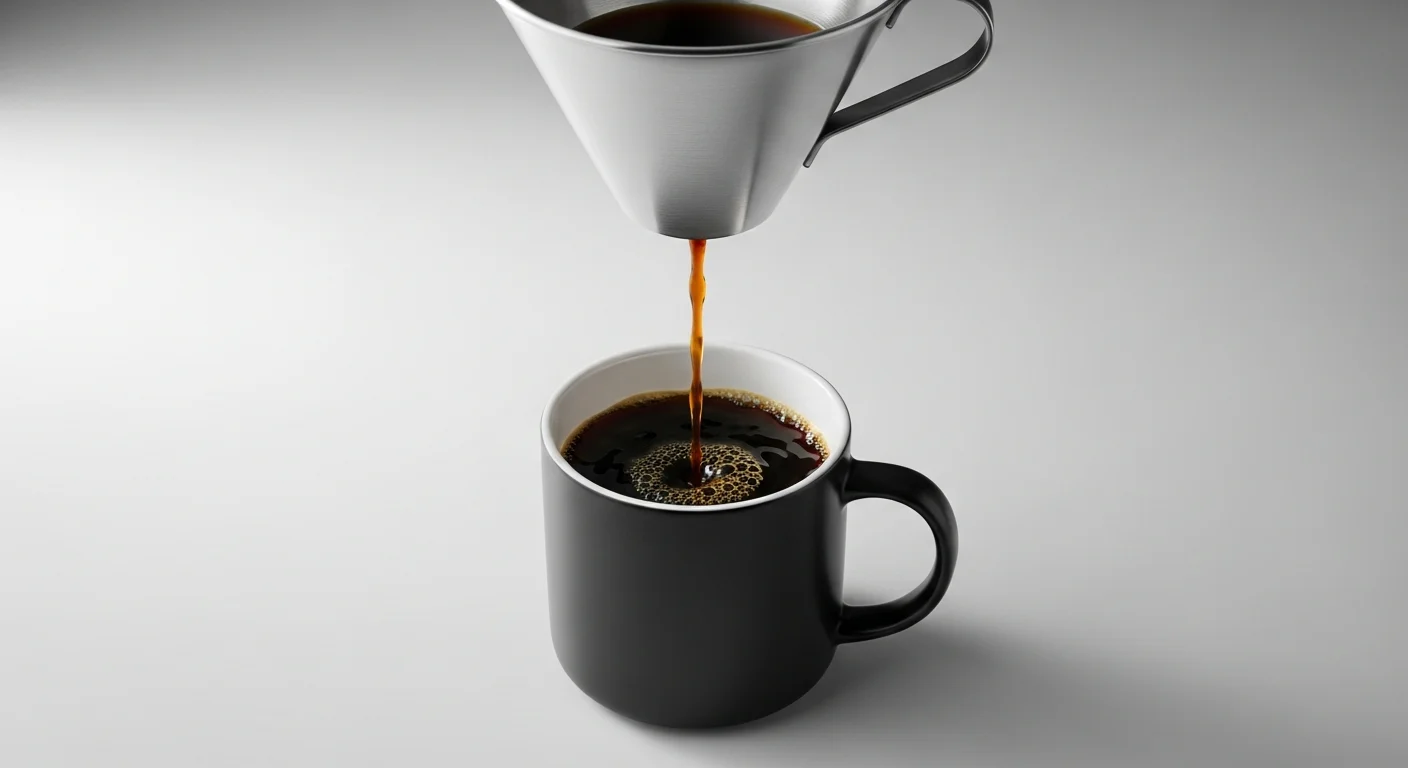
- Following three simple rules — 30-second bloom, three-pour method, and 92–96°C water — gives anyone highly repeatable results
Kalita has been a cornerstone of Japanese pour-over culture since 1959. From professional baristas to home brewers, the brand's drippers have earned a reputation for reliability and consistency. But what makes them so enduringly popular?
In this review, we cover Kalita dripper types, materials, how to choose the right model, detailed reviews of the top picks, and concrete brewing tips to help you get the most out of whichever model you choose.
What Is a Kalita Dripper?
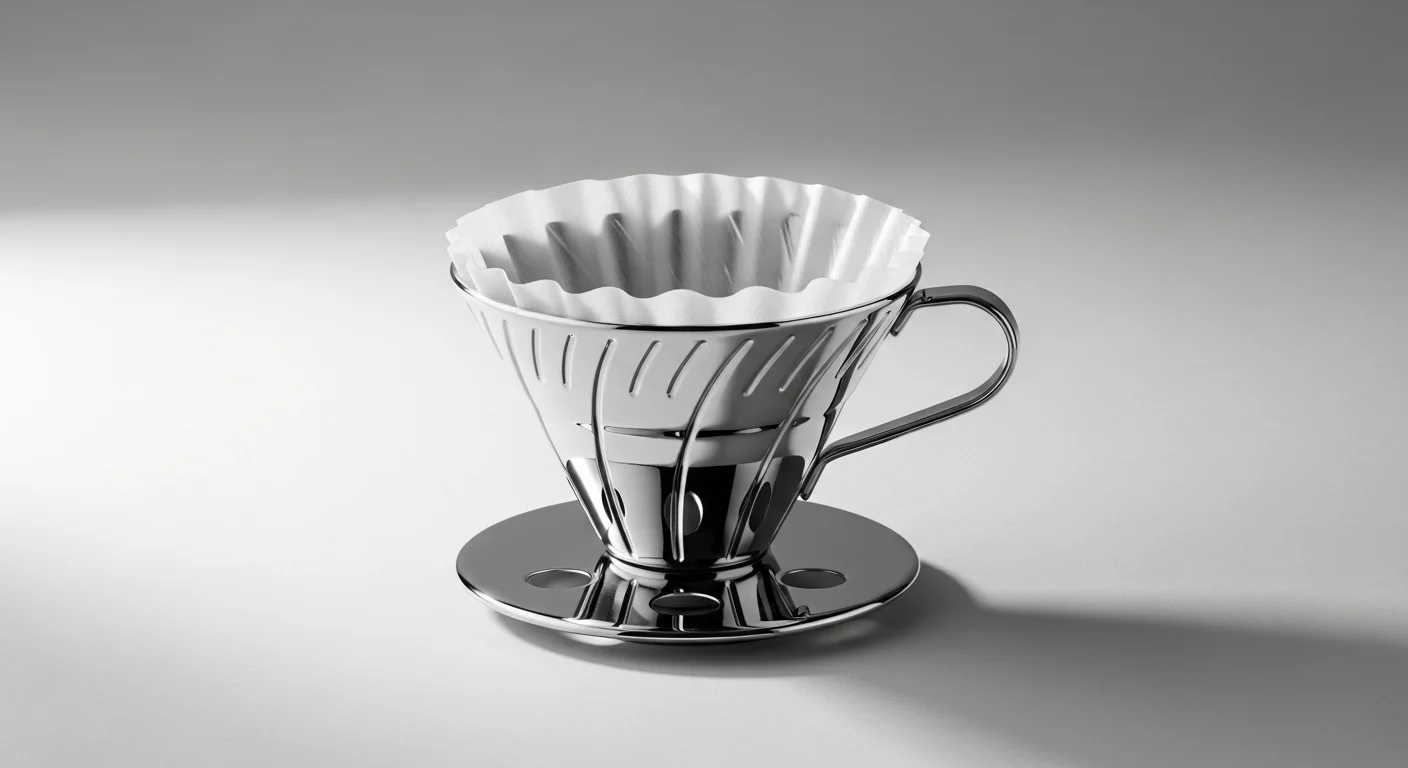
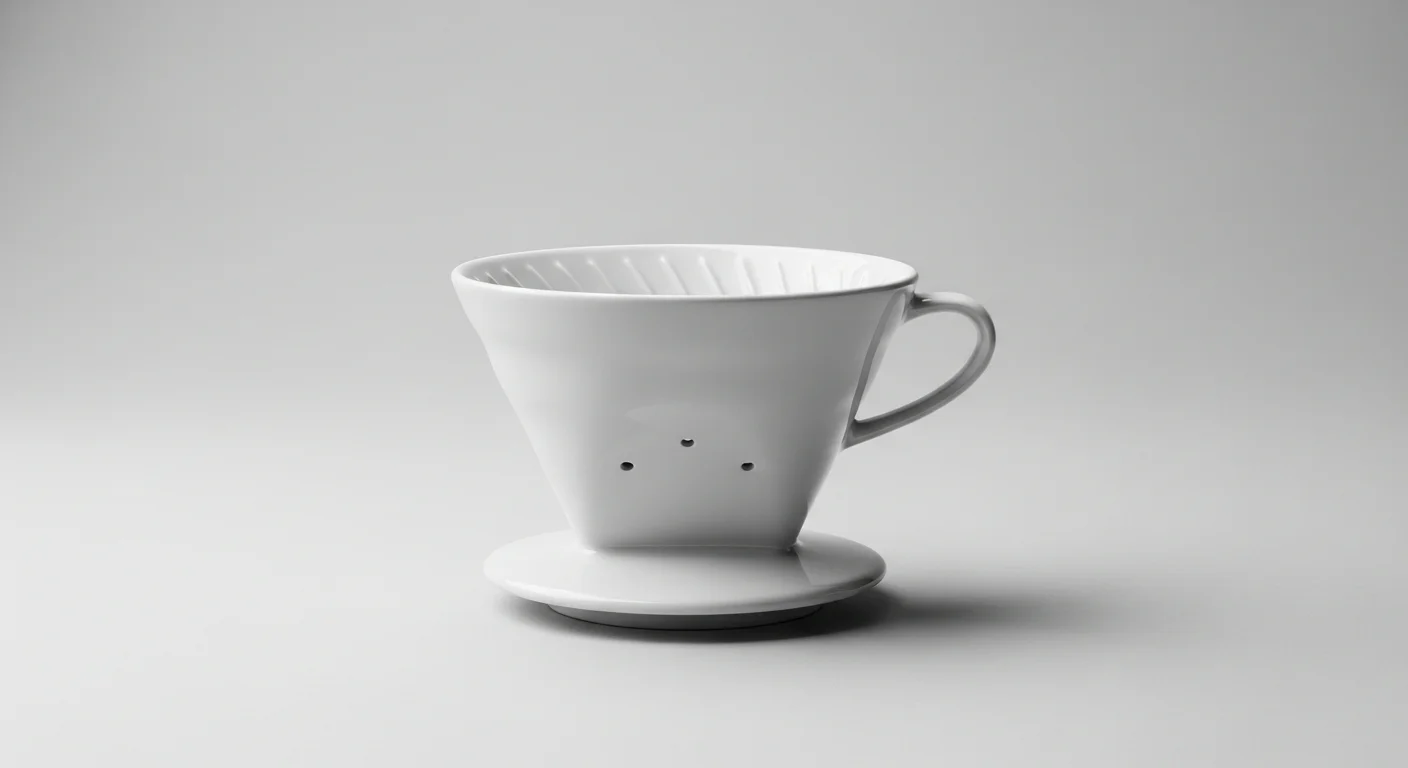
The defining feature of Kalita drippers is the three-hole design at the base. Three small, evenly spaced holes regulate the flow rate of brewed coffee, preventing over-extraction while allowing the bean's natural flavors to come through cleanly.
While many drippers use a single hole (like the Hario V60), Kalita's three-hole approach prioritizes extraction consistency. Because the flow is distributed across three points, the risk of a single clog is reduced and the impact of pouring technique on the final cup is minimized — a practical advantage for brewers at any skill level.
The trapezoidal (flat-bottom) filter shape also plays a key role. Coffee grounds naturally form an even, uniform bed, allowing water to pass through the entire mass more evenly than with cone-shaped drippers. This makes it easier for beginners to achieve a stable, repeatable result.
Kalita drippers use trapezoidal paper filters: size 101 for 1–2 cups and size 102 for 2–4 cups. Always match the filter number to your dripper size before brewing.
Types and Materials
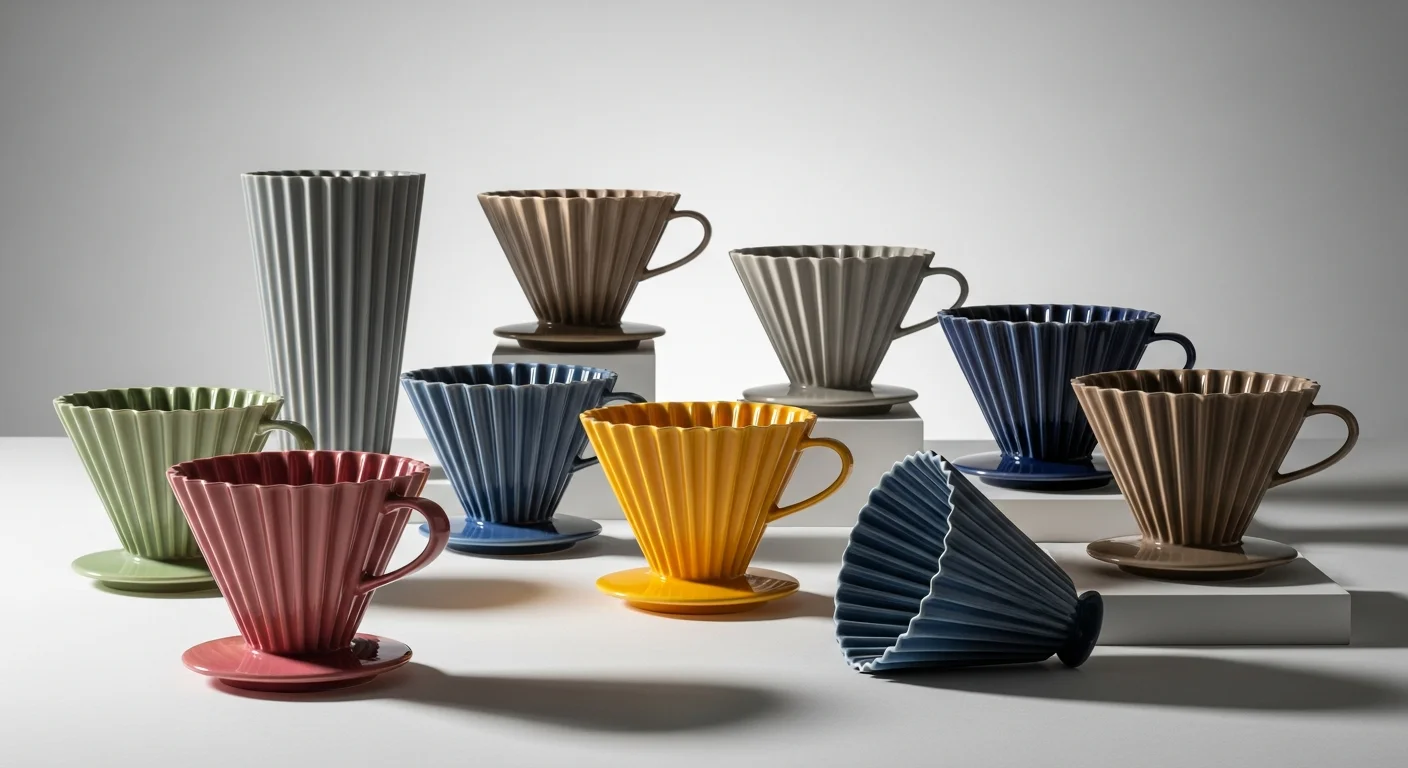
Kalita drippers come in several materials, each with distinct properties for heat retention, weight, and flavor influence.
Ceramic (Porcelain) The highest heat retention of any material. Ceramic absorbs warmth slowly and releases it steadily, keeping extraction temperature consistent from start to finish. Heavier than plastic alternatives, it sits firmly on the server without shifting. Easy to clean, durable, and available in classic white — a perennial favorite for daily home use and gifting alike.
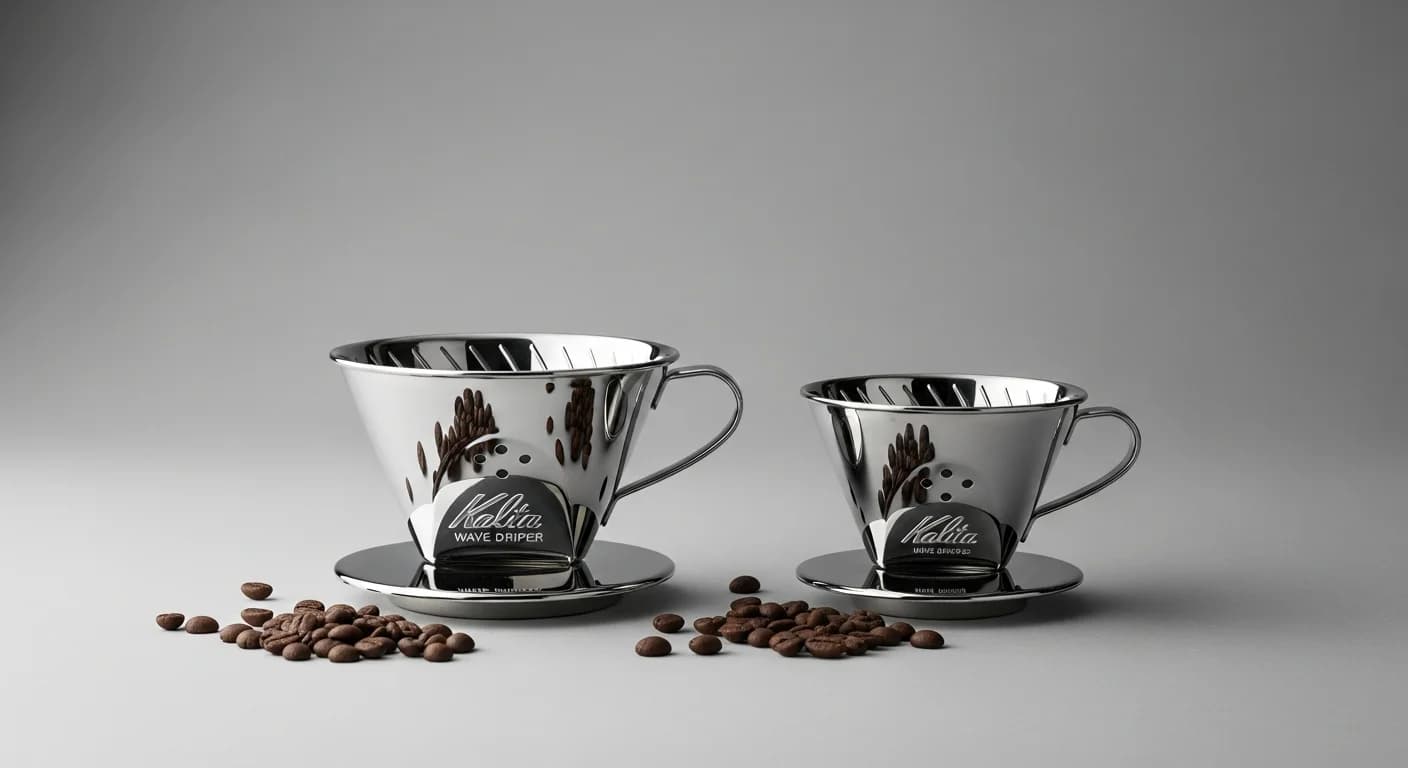
Wave Dripper (Stainless Steel) Kalita's Wave series pairs a stainless steel or ceramic dripper with proprietary wave-shaped filters that minimize contact between the filter and dripper walls. This promotes uniform water distribution across the entire coffee bed — a brewing style known as flat-bottom extraction. The Wave is prized for its ability to faithfully express a bean's individual character, making it a top choice for specialty coffee and light-to-medium roasts.
Plastic (Resin) Lightweight, impact-resistant, and affordable, plastic Kalita drippers are ideal for travel, camping, or as a first dripper. The lower heat retention means it's worth pre-rinsing thoroughly with hot water before brewing to reduce the temperature drop during extraction.
Copper High thermal conductivity means copper heats quickly and evenly when hot water is poured. With regular use, copper develops a rich patina that many enthusiasts find appealing. The most premium option in the lineup, copper drippers are a long-term investment for dedicated pour-over lovers.
How to Choose the Right Kalita Dripper
Three questions will guide you to the right model:
1. How many cups are you brewing? The 101 series is designed for 1–2 cups; the 102 series handles 2–4 cups. Match the size to your most common brewing scenario.
2. What's your priority — convenience or flavor expression? For everyday reliability and ease of use, ceramic models are hard to beat. If you want to explore the nuanced flavors of specialty coffee, the Wave dripper is the more expressive choice.
3. What kind of roast do you prefer? Light-to-medium roasts with pronounced acidity and brightness shine through the Wave dripper's flat-bottom extraction. Medium-to-dark roasts with body and sweetness are well served by the classic three-hole ceramic dripper.
If this is your first Kalita dripper, start with the ceramic 102-Roto. Its high heat retention, stable extraction, and straightforward design make it the ideal tool for learning the fundamentals of pour-over brewing.
Recommended Models: Detailed Reviews
Here are three standout models from the Kalita lineup, covering different use cases and brewing styles.
Kalita 102-Roto Ceramic Dripper (2–4 Cups)
The quintessential Kalita dripper. The 102-Roto's clean white ceramic finish suits any kitchen aesthetic, and its high heat retention keeps extraction temperature steady throughout the brew. In practical use, the consistency is impressive — repeat brews with the same bean, grind, and water volume produce very similar results, cup after cup.
This is the model most often recommended to beginners and intermediate brewers who want to develop their technique without unpredictable variables getting in the way.
Kalita Wave Dripper 155 (1–2 Cups)
The 1–2 cup model from Kalita's Wave series. By using the proprietary wave-shaped filter, water spreads across the flat coffee bed with exceptional uniformity — a distinct advantage when brewing single-origin or specialty coffees where clarity and complexity matter.
The Wave dripper is less sensitive to pouring technique than many other drippers, meaning that following a consistent recipe produces consistent results. Widely used in cafés and specialty coffee shops, this is a professional-grade tool that works equally well at home.
Kalita 101-Roto Ceramic Dripper (1–2 Cups)
The compact sibling of the 102-Roto, scaled for solo brewing or small-batch preparation. Everything that makes the 102-Roto excellent — ceramic heat retention, three-hole stability, clean design — carries over to this smaller form factor.
A great choice for single-person households or anyone who values a careful, cup-by-cup approach to their morning coffee.
Pros and Cons of Kalita Drippers
Pros
- +Highly repeatable extraction results for brewers of all skill levels
- +Wide range of models to suit different purposes and budgets
- +Trapezoidal filter creates a uniform, even coffee bed
Cons
- -Wave series requires proprietary filters which cost more than standard options
- -Slightly less expressive flavor range compared to cone-shaped drippers for complex roasts
Brewing Guide: Tips for a Great Cup
The following recipe works with any standard Kalita three-hole dripper. Stick to the water temperature, timing, and pour count, and you will have a reliable, repeatable brew every time.
Kalita Three-Hole Dripper
Total 3 min 30 secGrind 20g of coffee to a medium grind (similar to granulated sugar)
Set the filter in the dripper, rinse with hot water to pre-heat, then discard the rinse water
Add the coffee grounds and gently level the bed
Pour 40ml of 92–96°C (197–205°F) water from the center, then wait 30 seconds to bloom
First pour
slowly pour 80ml in a circular motion from center outward over 30 seconds
Second pour
once the liquid drops to about halfway, add another 80ml
Third pour
add the final 100ml to reach 300ml total, then remove the dripper before the last drops fall
Extra tips to dial in your brew
Always pour onto the coffee grounds — never directly onto the paper filter near the wall of the dripper. Water hitting the filter edge bypasses the coffee bed entirely, resulting in a thin, under-extracted cup.
Removing the dripper just before the last drop falls (when the stream begins to slow to a drip) prevents the bitter, astringent compounds in the final liquid from entering your cup. This single habit makes a noticeable difference in overall cleanliness and finish.
Pre-heating the dripper with hot water before brewing is essential, especially for ceramic models. Ceramic absorbs a significant amount of heat on the first contact, so a thorough rinse brings the dripper up to temperature and protects your brew from an unexpected drop in extraction temperature.
Overall Rating
Conclusion
Kalita drippers deliver on a simple but powerful promise: consistent, clean, repeatable extraction — regardless of the brewer's experience level. The three-hole design minimizes technique-related variables, while the wide material lineup means there is a Kalita for every brewing context, from the ceramic 102-Roto for everyday reliability to the Wave for exploring specialty coffee at its best.
If you are new to pour-over, the ceramic 102-Roto is the most forgiving and practical starting point. As your technique develops and your curiosity grows, the Wave dripper offers a more expressive next step.
A Kalita dripper is not just a piece of equipment — it is a long-term companion for your coffee journey. The more you use it, the more its quiet consistency becomes something you genuinely appreciate.
Related Articles
- Kalita Wave Dripper Review — Why It's the Best Beginner Pour-Over Dripper
- Chemex Review & How to Use It — The Most Beautiful Coffee Maker Explained
- Dripper Comparison: V60 vs Kalita Wave vs Chemex vs ORIGAMI [2026]
- Hario Switch Immersion Dripper Review — One Dripper, Two Brewing Styles
- Kalita Coffee Gear Guide — Wave Dripper, 102 Dripper, and Servers
About the AuthorExpert Reviewed

Coffee Guide Editorial
A team of certified writers and baristas with hands-on experience at origin farms and roasteries. We deliver practical, experience-backed guides on bean selection, brewing methods, and equipment reviews.
Credentials & Experience
- J.C.Q.A. Certified Coffee Instructor
- SCA Certified Barista
- 5+ years running a specialty roasting café
- 200+ coffee beans tasted annually