Kalita Wave Dripper Review — Why It's the Best Beginner Pour-Over Dripper
PRThis article contains affiliate links
Key Takeaways
- The Kalita Wave's flat-bottom 3-hole design makes it the most forgiving pour-over dripper for beginners
- The Wave Filter creates an air layer that insulates heat and guides water evenly through the coffee bed
- The 155 size is for 1–2 cups; the 185 is for 2–4 cups — choose based on how much you brew at once
When baristas recommend a first pour-over dripper, the Kalita Wave comes up more often than any other name. Its flat-bottom design and three-hole extraction system produce remarkably consistent cups — even when your pouring technique isn't perfect yet.
This review covers the Wave's structural design, how to use it, which size to buy, and how it compares to V60 and Chemex.
- ✓The Kalita Wave's flat-bottom 3-hole design makes it the most forgiving pour-over dripper for beginners
- ✓The Wave Filter creates an air layer that insulates heat and guides water evenly through the coffee bed
- ✓The 155 size is for 1–2 cups; the 185 is for 2–4 cups — choose based on how much you brew at once
What Is the Kalita Wave Dripper?
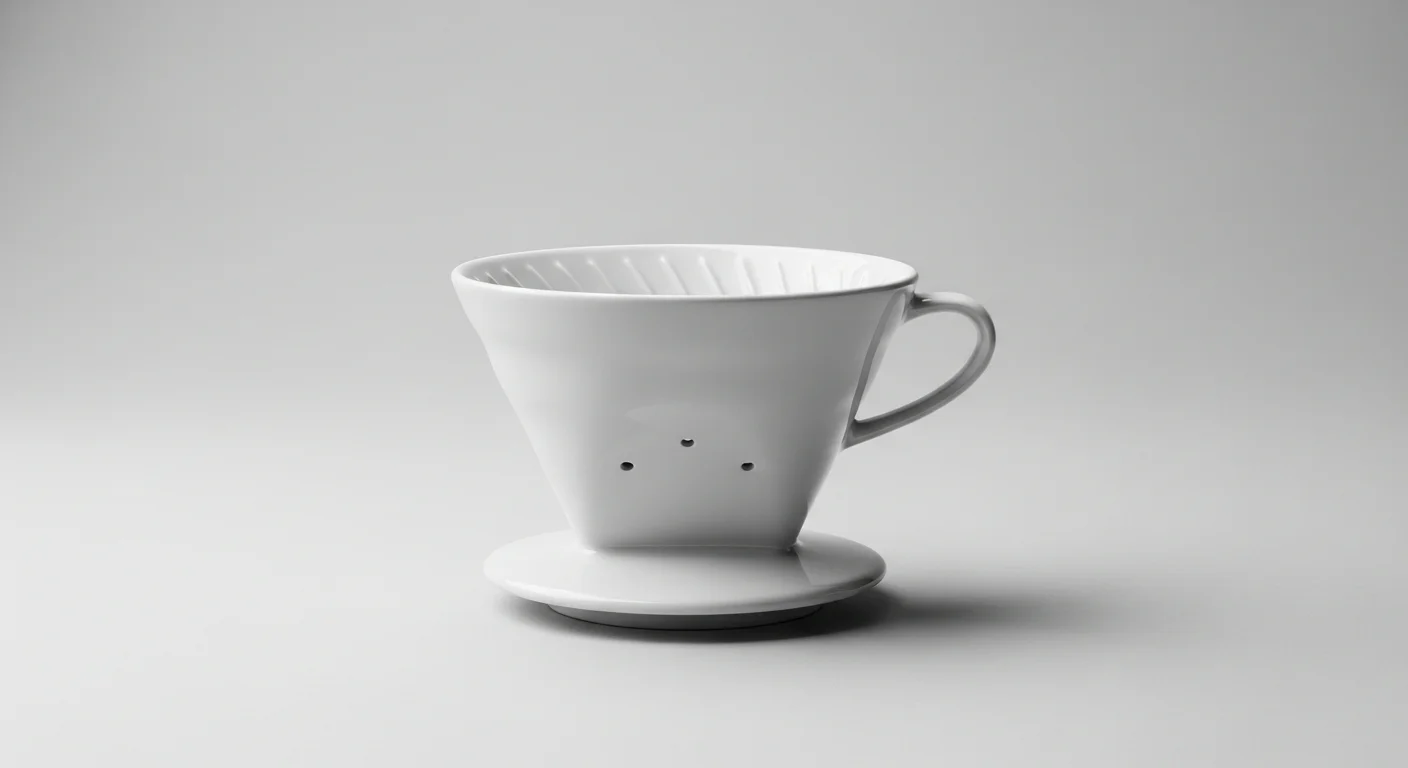
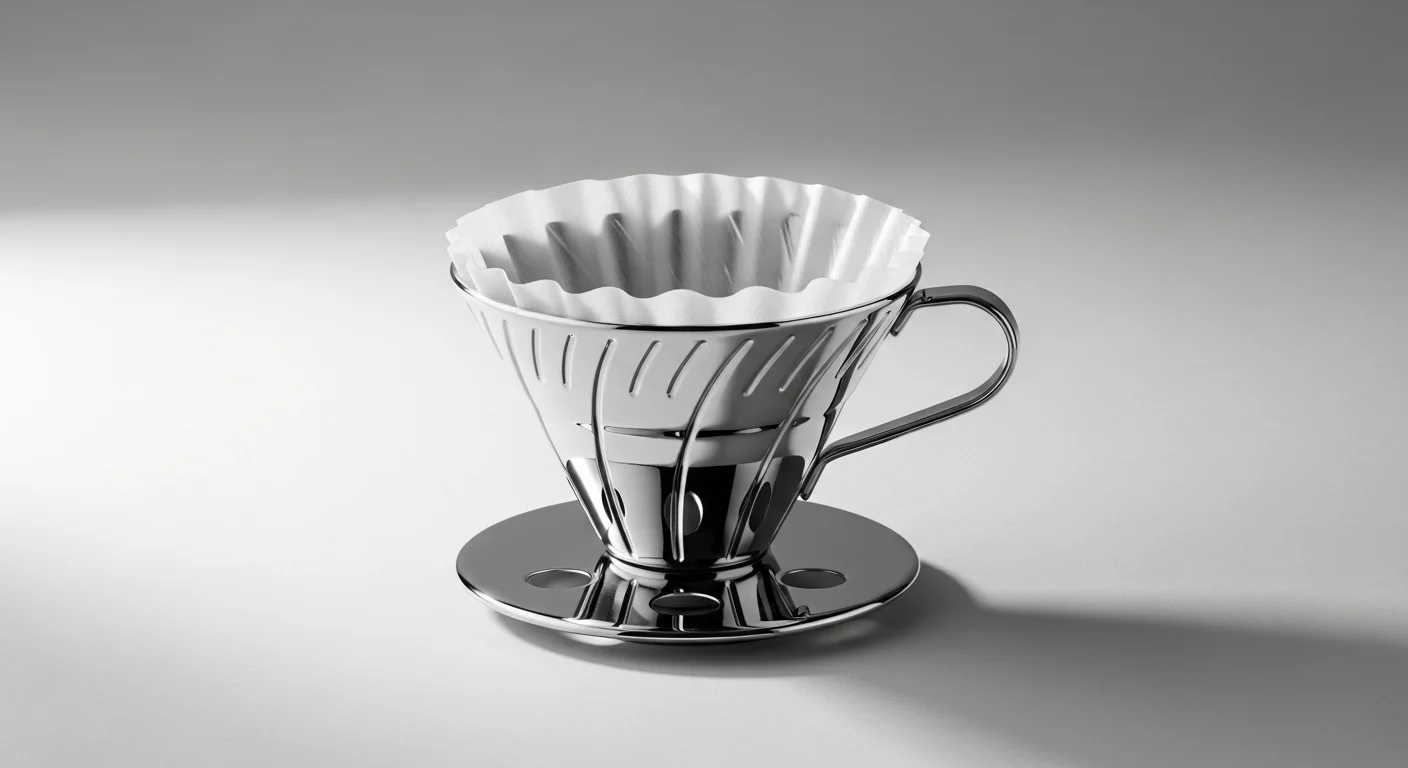
The Kalita Wave Dripper is a pour-over coffee dripper made by Japanese manufacturer Kalita. Its defining features are a flat bottom and three small extraction holes — a combination that fundamentally changes how extraction works compared to cone-shaped drippers.
How the Flat-Bottom Design Creates Consistency
Cone drippers like the Hario V60 funnel coffee grounds toward a single point. Water naturally follows the path of least resistance, concentrating flow through the center. If your pour is uneven, one part of the coffee bed extracts more than the rest.
The Wave's flat bottom spreads grounds evenly across the entire base. Water contacts the whole coffee bed more uniformly, which means pour technique matters less — a small inconsistency in your pouring won't ruin the cup. This is the core reason the Wave is so reliable for beginners.
How the Wave Filter Works
The Wave requires a dedicated Wave Filter with 20 accordion-style pleats. These pleats create an air gap between the filter and the dripper walls, which does two things:
- Insulates the brew: The air layer slows heat loss, keeping water temperature more stable during extraction.
- Distributes water flow: The pleats prevent the filter from pressing flat against the dripper walls, maintaining consistent water channels around the entire perimeter.
Product Options
Kalita Wave Dripper 155 — For 1–2 Cups
The 155 is the right size for solo brewers or households that drink one or two cups at a time. It's compact, easy to rinse clean, and durable. The stainless steel version holds up well over years of daily use.
Kalita Wave Dripper 185 — For 2–4 Cups
If you regularly brew for two or more people, the 185 provides a larger flat bed that accommodates more grounds without crowding. The wider base allows for better water distribution when brewing larger volumes.
Kalita Wave Dripper 155 — Resin Version (#04151)
The resin version is lighter, less expensive, and doesn't shatter if dropped — useful for camping or travel. It performs identically to stainless for most brews, though it's less heat-resistant and should not be used over direct flame.
155 vs 185: Which Size to Choose
- 1–2 cups at a time: 155 size (compact, easy to clean)
- 2–4 cups at a time: 185 size (larger bed, better for batches)
- Not sure: Start with the 155 — it covers single-serve to two cups comfortably
How to Brew with the Kalita Wave
What You Need
- Kalita Wave Dripper (155 or 185)
- Wave Filter (KWF-155 or KWF-185)
- Coffee beans, medium grind
- Gooseneck kettle
- Coffee server or mug
- Coffee scale (strongly recommended)
Basic Recipe (1 cup)
| Parameter | Target |
|---|---|
| Coffee | 13–15g |
| Water | 220ml (1:15–16 ratio) |
| Water temp | 90–93°C (194–199°F) |
| Bloom time | 30 seconds |
| Total brew time | 3:00–3:30 |
Step-by-Step Brew
1. Place the filter Set the Wave Filter into the dripper. No folding required — the Wave Filter stands on its own pleats.
2. Rinse (optional) Pour a small amount of hot water through the filter to pre-wet it and warm the dripper and server. Discard the rinse water.
3. Add coffee Add 13–15g of medium-ground coffee. Give the dripper a gentle shake to level the coffee bed.
4. Bloom Pour about 30ml of water slowly over the grounds to saturate them evenly. Wait 30 seconds. A gentle dome rising from the grounds indicates fresh coffee.
5. Main pour In 3–4 pours of 50–60ml each, pour in concentric circles from center to edge. Add each pour as the previous one drains, keeping the coffee bed consistently wet.
6. Finish Once you reach 220ml total, remove the dripper. You don't need to wait for it to drain completely.
How It Compares
The Wave Dripper is a Good Fit If You...
- Want consistent results without mastering pour technique
- Prefer a forgiving, low-stress brewing experience
- Want a durable, cleanable dripper at a reasonable price
- Enjoy a balanced, clean cup profile
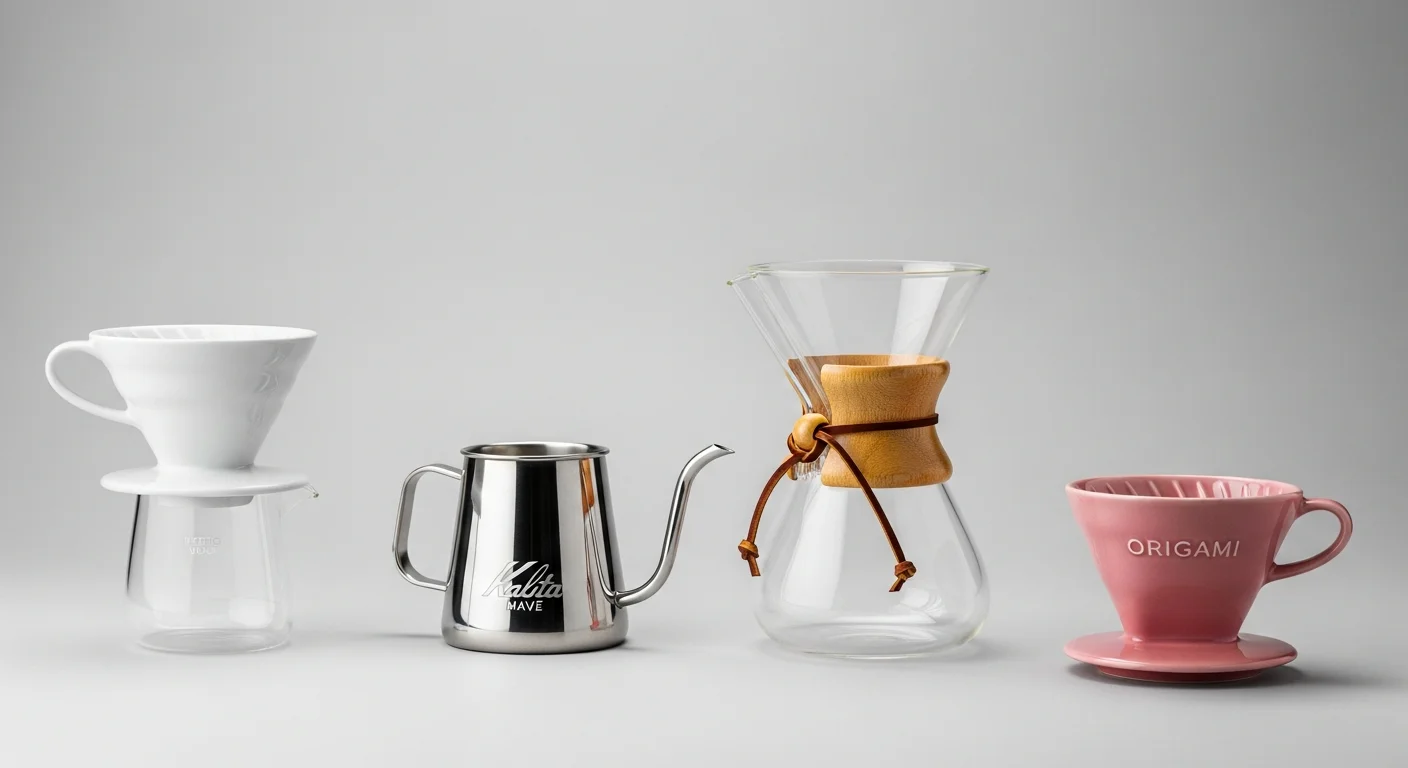
Wave vs Hario V60
The V60's large single hole makes flow rate highly sensitive to grind size and pouring speed — which gives experienced brewers precise control but creates inconsistency for beginners. The Wave's three small holes restrict flow enough to slow extraction and buffer variable pouring technique, making it far more consistent in everyday use.
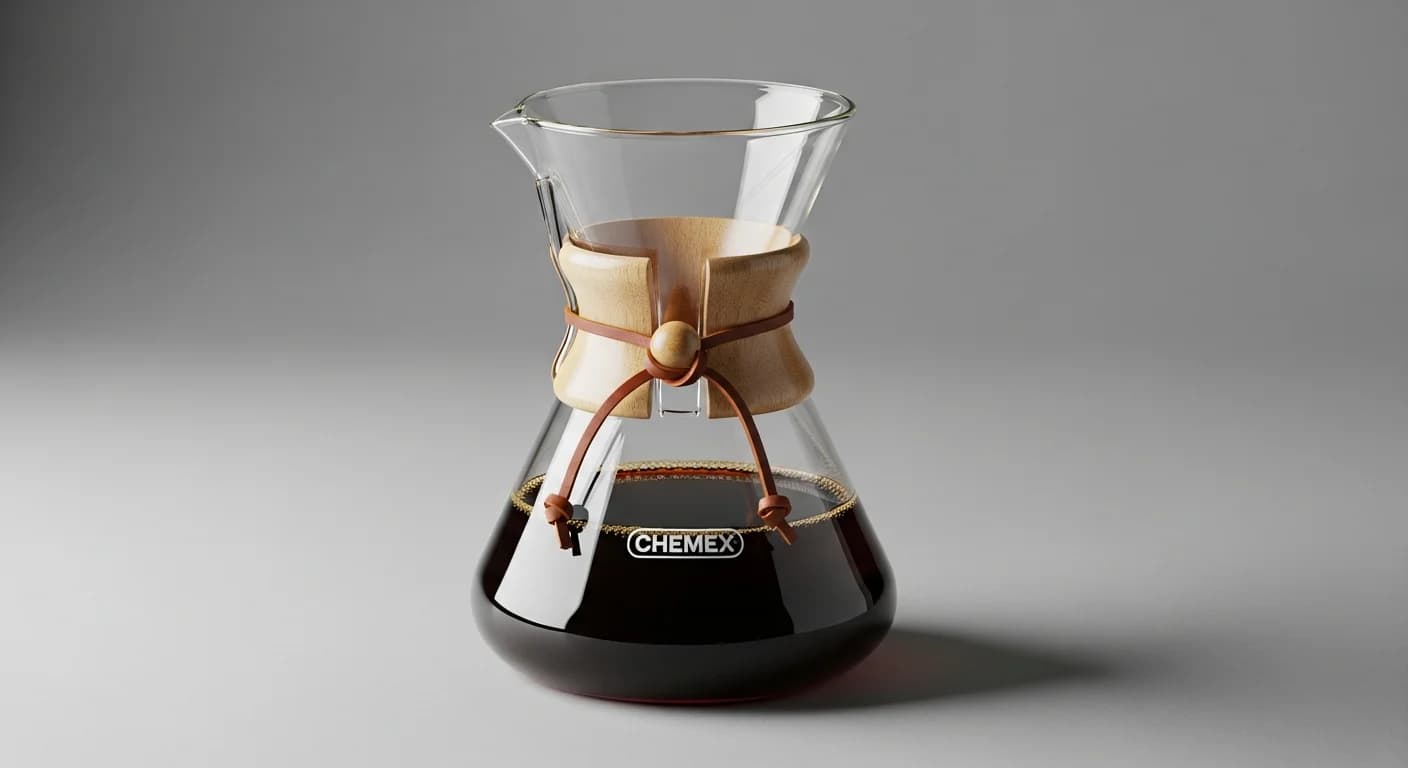
Wave vs Chemex
The Chemex is a combined dripper-and-carafe made of borosilicate glass — visually striking, but less practical as a daily driver. The Wave Dripper works with any server or mug, is easier to clean, and is more affordable. The Chemex uses much thicker filters that produce a notably different (cleaner, lighter-bodied) cup style.
Wave Filter Compatibility
The Wave Dripper requires proprietary Wave Filters — standard cone or basket filters don't fit. Wave Filters are widely available on Amazon.co.jp and come in 50-sheet boxes priced at approximately ¥600–700.
- For the 155: KWF-155
- For the 185: KWF-185
Pros and Cons
Pros
- +Flat-bottom 3-hole design forgives uneven pouring technique
- +Wave Filter insulates heat and guides uniform water flow
- +Stainless steel version is durable and easy to clean
- +Affordable entry point (¥1,500–¥2,500)
- +Consistent cup quality batch after batch
Cons
- -Requires proprietary Wave Filters — standard filters don't work
- -Less extraction control than a V60 for advanced brewers
- -Lower ceiling for technique-driven experimentation
Verdict
The Kalita Wave Dripper is the easiest recommendation for anyone starting pour-over coffee. Its flat-bottom three-hole design removes the most common failure point in beginner brewing — inconsistent pour technique — and delivers a reliably balanced cup without demanding hours of practice.
At ¥1,500–¥2,500, it's one of the most cost-effective quality upgrades in home coffee. Start with the 155 stainless steel if you're brewing for one or two, and upgrade to the 185 when your household coffee habits grow.
Use a medium grind — not too fine, not too coarse. If water drains too slowly (over 4 minutes), grind coarser. If it drains too quickly (under 2 minutes), grind finer. Grind adjustment is the fastest way to dial in your Wave.
Related Articles
- Chemex Review & How to Use It — The Most Beautiful Coffee Maker Explained
- Dripper Comparison: V60 vs Kalita Wave vs Chemex vs ORIGAMI [2026]
- Kalita Dripper Review: All Models Compared — How to Choose and Brew
- ORIGAMI Dripper Review — The Multi-Filter Dripper from Japan's Pottery Capital
- Coffee Starter Kit Under 10000 Yen: Everything a Beginner Needs to Start
About the AuthorExpert Reviewed

Coffee Guide Editorial
A team of certified writers and baristas with hands-on experience at origin farms and roasteries. We deliver practical, experience-backed guides on bean selection, brewing methods, and equipment reviews.
Credentials & Experience
- J.C.Q.A. Certified Coffee Instructor
- SCA Certified Barista
- 5+ years running a specialty roasting café
- 200+ coffee beans tasted annually