Best Outdoor and Camping Coffee Gear — Percolators, Drippers, and Portable Espresso
PRThis article contains affiliate links
Key Takeaways
- Camping coffee style choice (percolator, drip, press) drives equipment selection more than any other factor
- The Coleman stainless percolator handles open fire and makes about 8 cups at once — the classic campsite brewer
- For backpacking, a folding dripper and portable manual grinder combination minimizes weight while maintaining quality
Coffee made in the outdoors tastes different — the environment, the fresh air, the deliberate pace all contribute to a cup that feels better than it has any right to. But choosing the right gear makes the difference between coffee that reinforces the experience and gear that adds frustration.
This guide covers the main outdoor coffee brewing approaches and the best equipment for each.
What this guide covers
- Camping coffee styles: percolator vs drip vs press
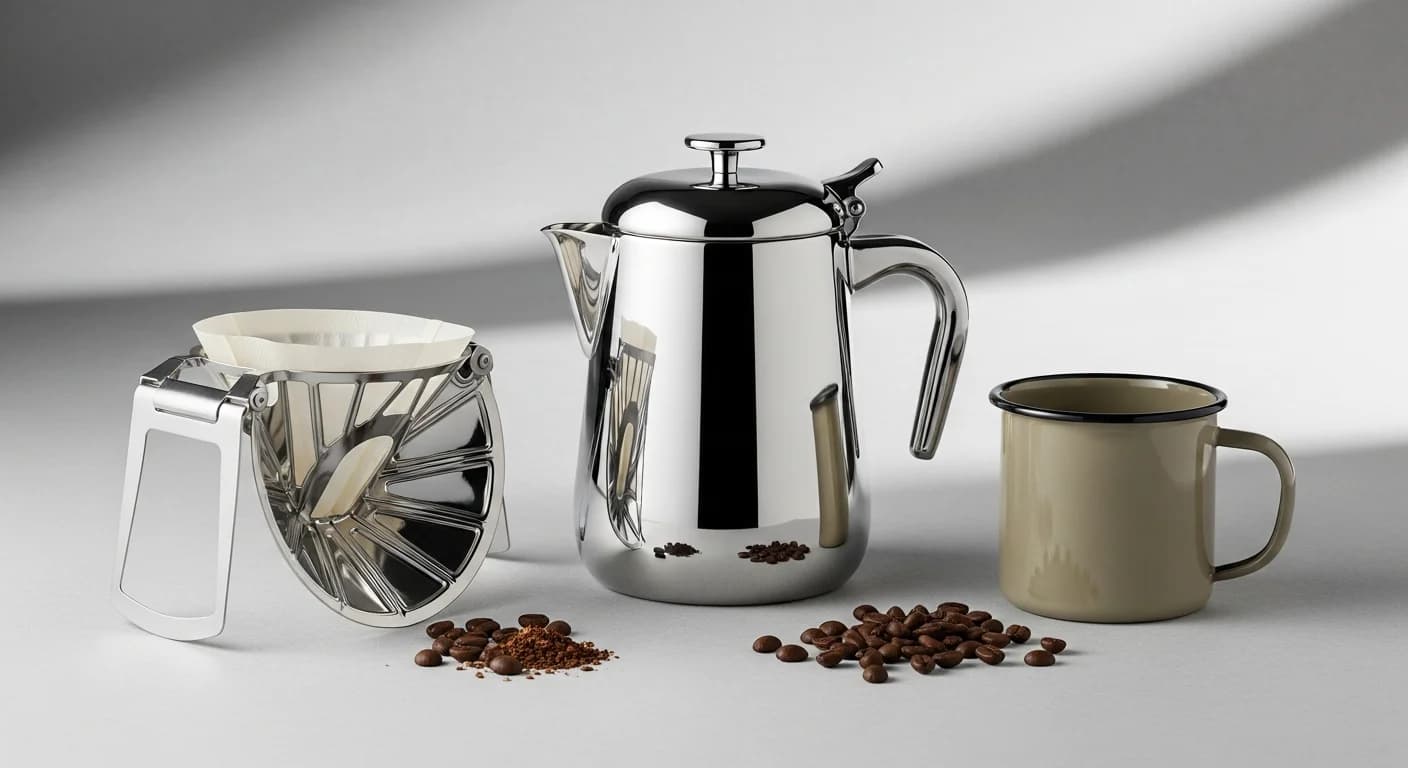
- Coleman stainless percolator — the campfire classic
- Lightweight backpacking setups
- Portable espresso options: Wacaco Nanopresso and others
Choosing Your Outdoor Coffee Style
| Style | Key gear | Best for |
|---|---|---|
| Percolator | Coleman stainless percolator | Groups, campfire atmosphere |
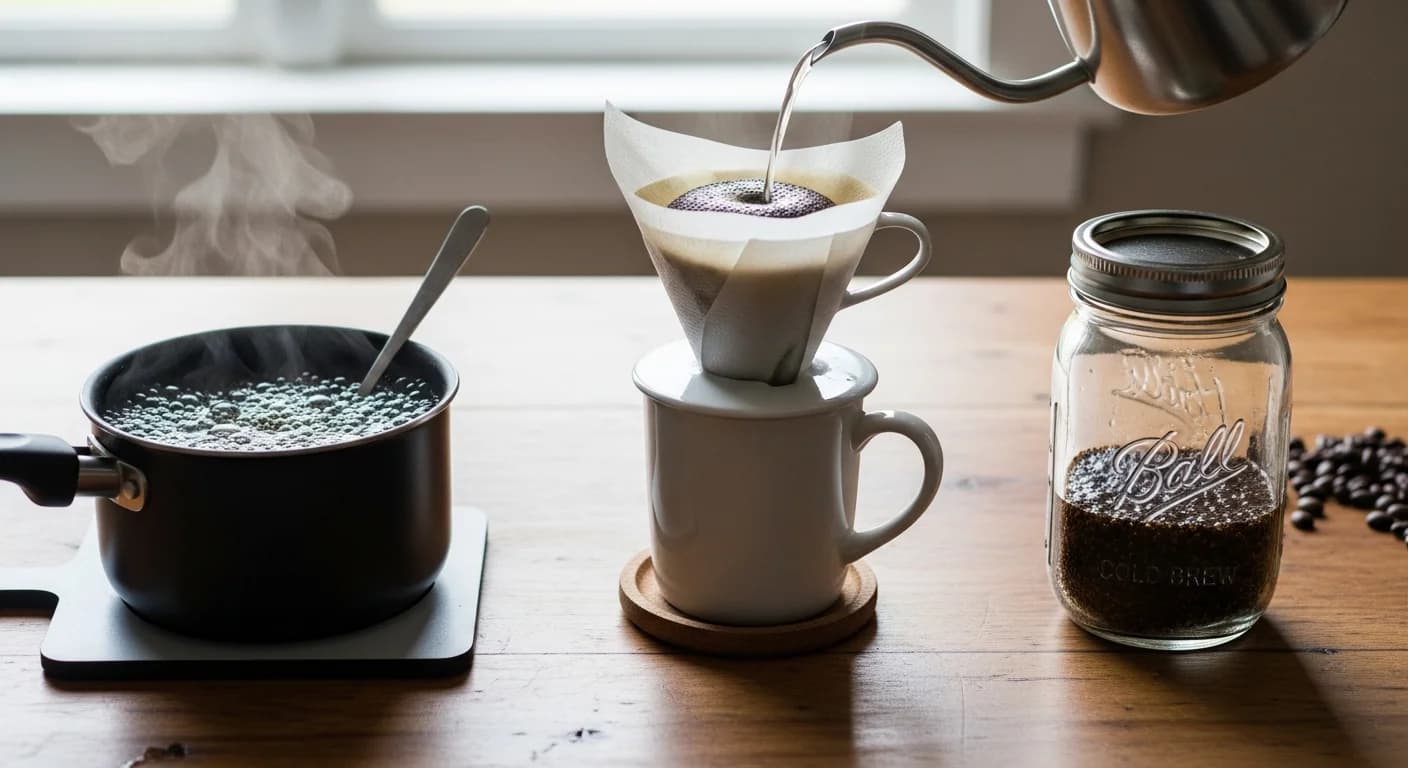
| Pour-over drip | Folding dripper + kettle | Quality-focused, moderate weight |
| Immersion (French press / AeroPress) | Travel press | Minimal technique, consistent results |
| Portable espresso | Wacaco Nanopresso | Solo espresso enthusiasts |
The single most important decision is whether you're brewing for a group around a fire, solo backpacking where weight matters, or prioritizing espresso quality regardless of environment.
Coleman Stainless Percolator
| Specification | Detail |
|---|---|
| Capacity | ~2L (about 8 cups, 1.5L, of coffee per brew) |
| Material | Stainless steel |
| Heat sources | Gas burner, open fire |
| Weight | ~750g |
The percolator cycles boiling water repeatedly through coffee grounds — producing a strong, full-bodied brew that suits the outdoor environment. It's the quintessential campfire coffee maker.
Basic brewing steps:
- Fill the lower chamber with cold water (~1L)
- Add medium-coarse ground coffee to the basket (~50–60g for 6 cups)
- Heat over campfire or burner until cycling begins (~5 minutes)
- Reduce heat; allow gentle cycling for 3–5 minutes
- Remove from heat; pour after 2 minutes
Avoid over-extraction
Percolators recirculate hot water, which risks over-extraction. Use medium-coarse grind, avoid aggressive boiling, and don't extend the brewing time past 5 minutes total. A slightly lower coffee-to-water ratio (1:20 rather than 1:15) prevents excessive bitterness.
Lightweight Backpacking Setup
For weight-sensitive hiking or backpacking, the folding dripper + portable manual grinder combination is the gold standard:
| Component | Example product | Weight |
|---|---|---|
| Folding dripper | Hario portable dripper | ~60g |
| Portable grinder | Porlex Mini | ~180g |
| Paper filters | 10 pre-folded filters | ~10g |
Total weight for a complete pourover setup: under 300g.
AeroPress Go is also an excellent backpacking option — the included travel mug doubles as a brewing vessel, and the whole kit weighs under 300g including the mug.
French Press for Car Camping
For car camping where weight is irrelevant, a French press provides a low-technique, high-consistency brewing experience with minimal gear:
- Advantage: Forgiving grind size, no pouring technique required
- Warning: Glass presses can break — use stainless steel or plastic for outdoor use
The Bodum Travel Press (stainless double-wall) is specifically designed for this use case with insulation for extended warmth.
Portable Espresso Options
| Product | Pressure | Weight | Price |
|---|---|---|---|
| Wacaco Nanopresso | 18 bar (manual pump) | ~336g | ~¥10,000 |
| AeroPress | ~1 bar (plunger) | ~227g | ~¥5,200 |
| Bialetti Moka Express | ~1–2 bar (stovetop) | ~370g | ~¥3,800 |
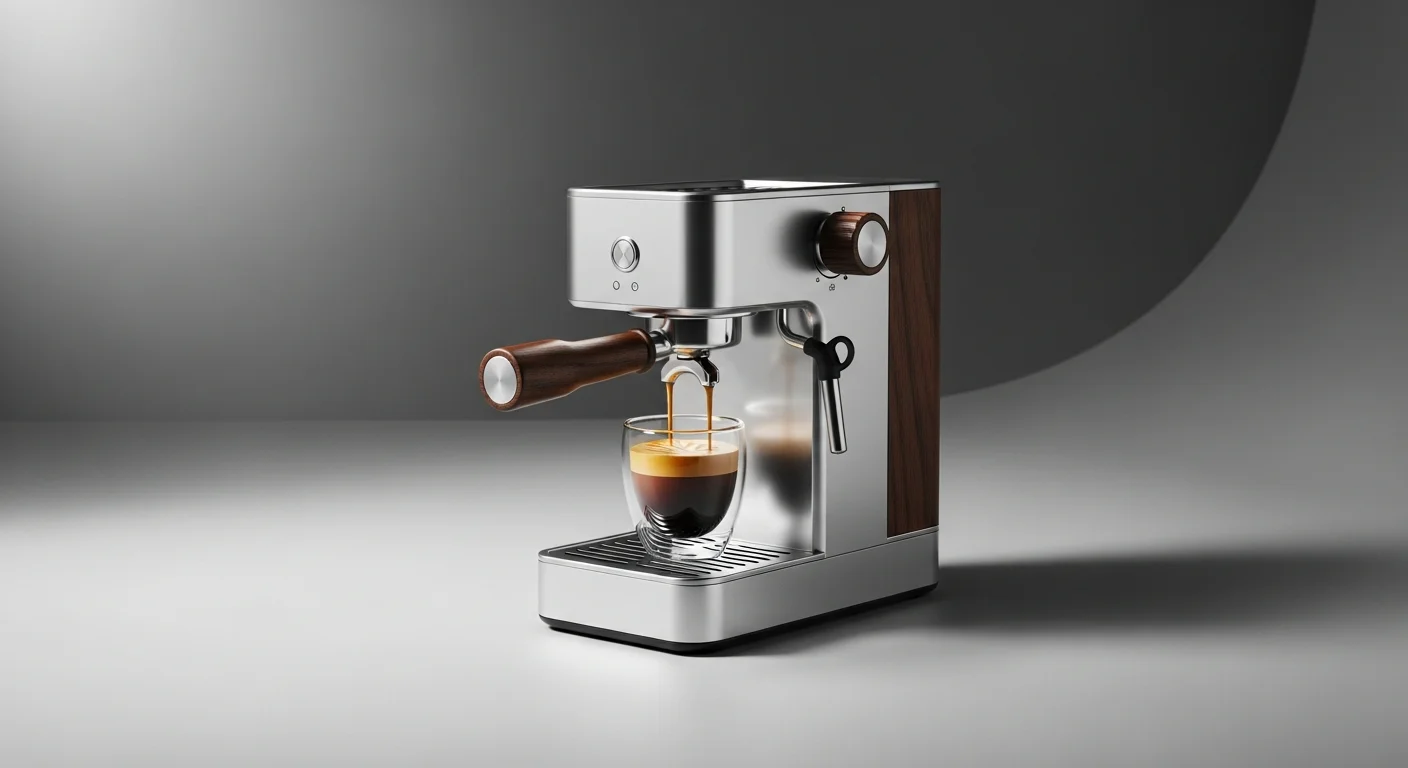
The Nanopresso generates genuine espresso-level pressure via hand-pumping, producing a concentrated shot close to café espresso. For espresso enthusiasts who refuse to compromise even outdoors, it's the benchmark portable option.
Pros
- +Campfire coffee adds a sensory dimension that home brewing cannot replicate
- +Percolator approach handles large groups with minimal setup complexity
- +Lightweight drip and AeroPress setups make quality coffee accessible anywhere
Cons
- -All outdoor brewing requires carrying equipment — weight vs quality trade-off is constant
- -Manual grinders only without electricity — not suitable for those who rely on electric grinders
- -Percolator produces less refined results than controlled pour-over methods
Final Verdict
Outdoor coffee gear selection is simple once you define the scenario:
- Group camping around a fire → Coleman stainless percolator
- Solo backpacking, quality-focused → folding dripper + Porlex Mini
- Car camping, convenience-focused → AeroPress or travel French press
- Espresso-specific outdoors → Wacaco Nanopresso
Match the gear to the actual use case and the right choice becomes clear.
Related Articles
- 10 Coffee Gear Picks for 2026: The Best New and Notable Home Brewing Equipment
- Acaia Pearl Scale Review — The World Coffee Scale Standard Tested
- AeroPress Guide — Which Model to Buy and the Best Accessories
- Fully Automatic vs Semi-Automatic Espresso Machine: Which One Is Right for You?
- Best Automatic Milk Frothers Ranked: 7 Picks for Cappuccinos and Lattes at Home
About the AuthorExpert Reviewed
Coffee Guide Editorial
A team of certified writers and baristas with hands-on experience at origin farms and roasteries. We deliver practical, experience-backed guides on bean selection, brewing methods, and equipment reviews.
Credentials & Experience
- J.C.Q.A. Certified Coffee Instructor
- SCA Certified Barista
- 5+ years running a specialty roasting café
- 200+ coffee beans tasted annually