UCC Drip Pod DP3 Review — Japanese Capsule Coffee Machine Assessment
PRThis article contains affiliate links
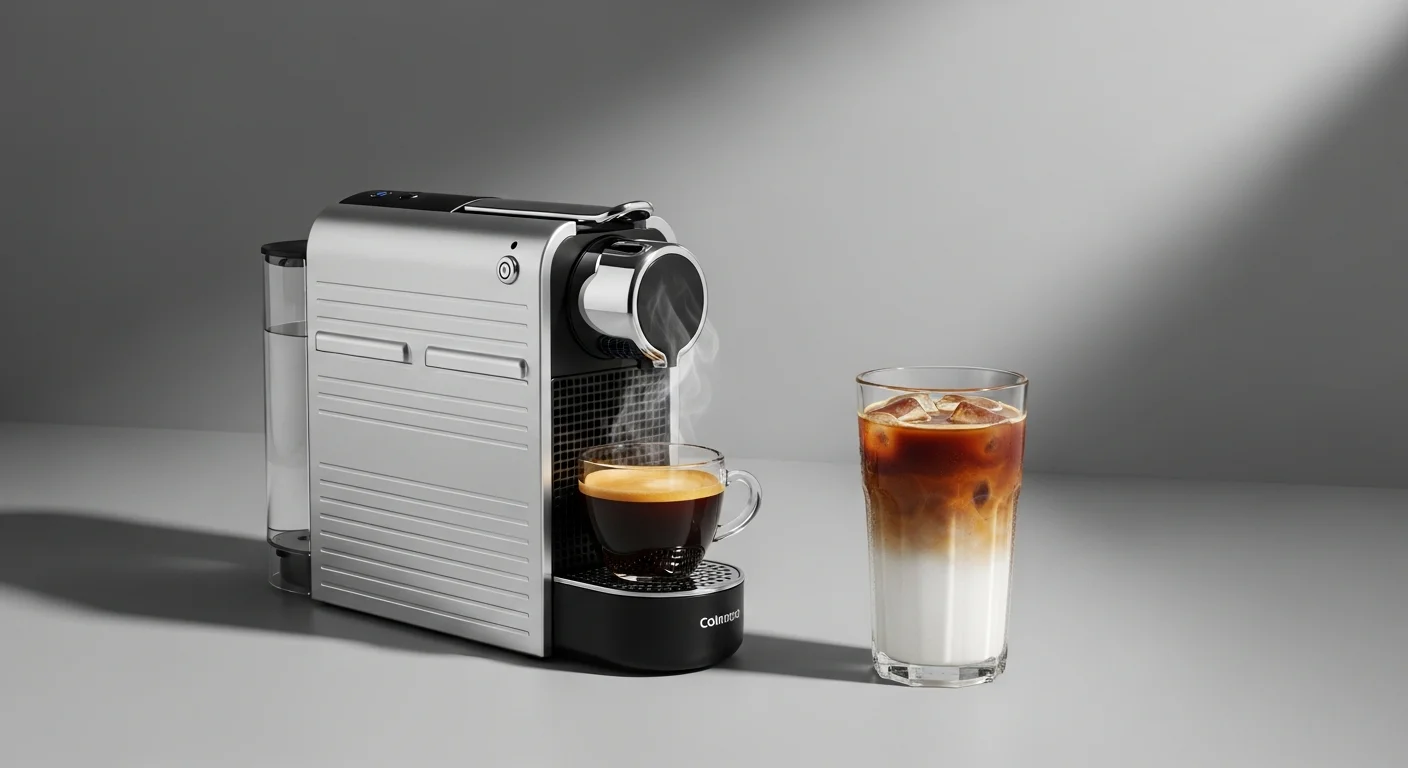
Key Takeaways
- UCC Drip Pod DP3 uses UCC proprietary capsules with Standard, Strong, and Ice extraction modes
- The machine's exceptional low noise output makes it suitable for early morning, shared spaces, and office use
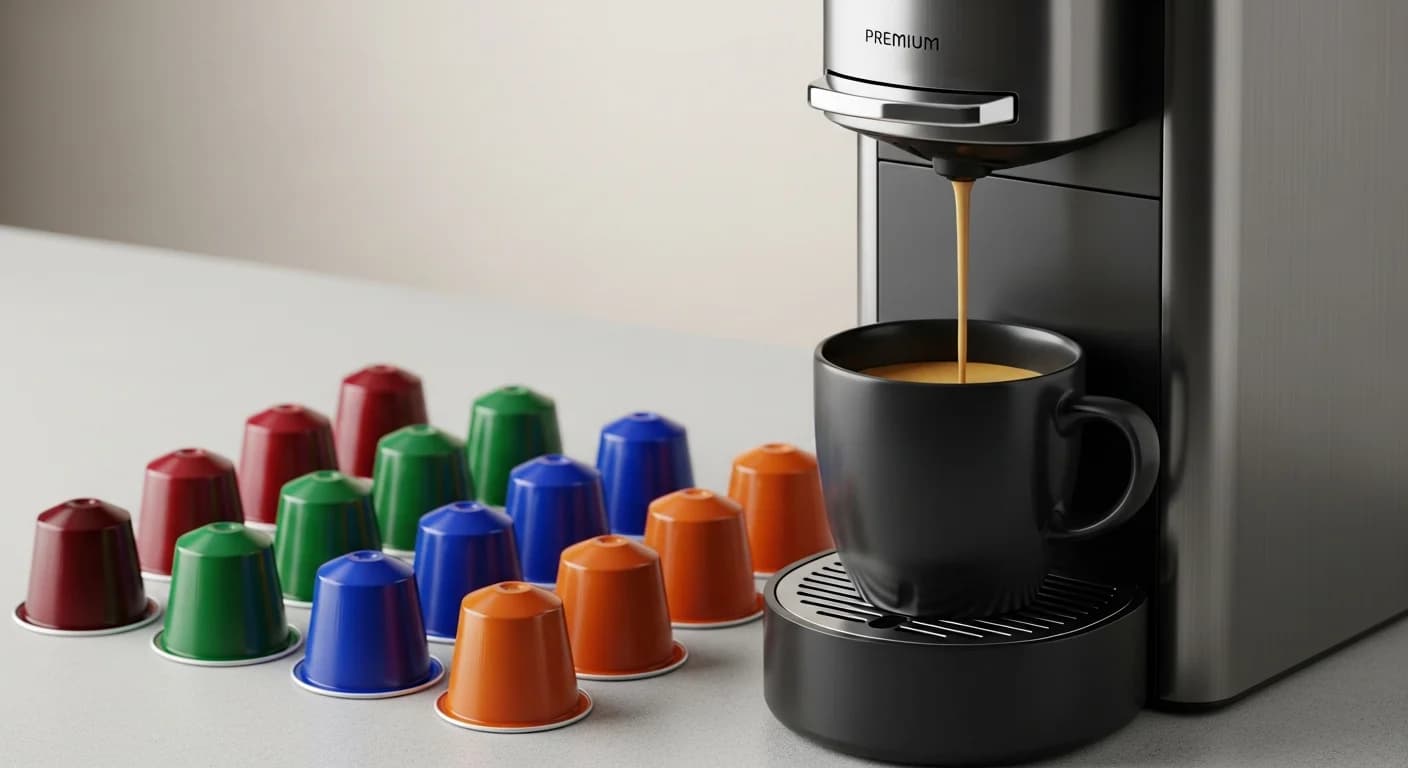
- Per-capsule cost of ¥55–75 produces a higher per-cup cost than hand drip, with 50+ capsule variety options
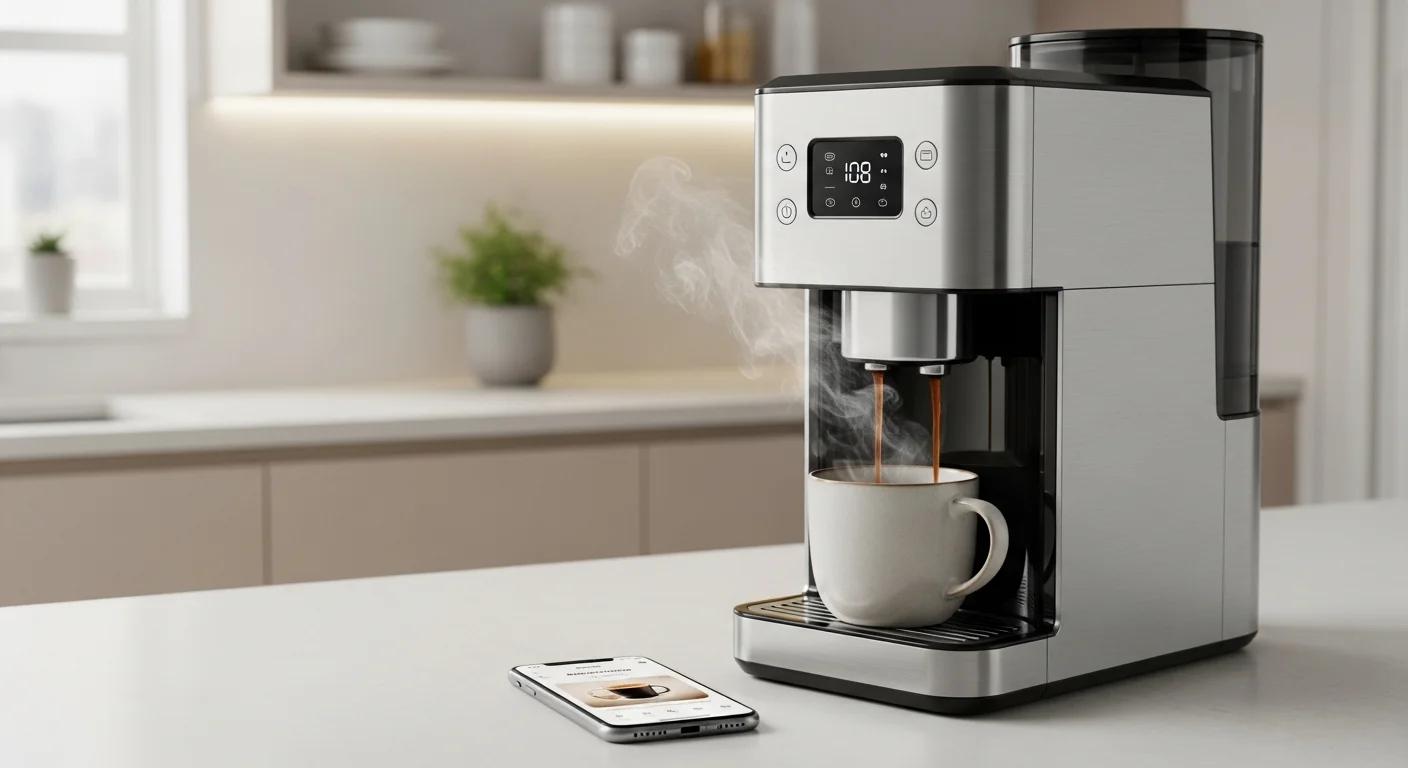
UCC Ueshima Coffee is one of Japan's largest coffee companies, and the Drip Pod series is its capsule-based single-serve machine line. The DP3 is the standard model in the series — compact, quiet, and designed for straightforward daily use with UCC proprietary capsules.
What this review covers
- DP3 specifications and three extraction modes
- Capsule running costs and variety
- Noise performance and daily usability
- Comparison with Nespresso and Dolce Gusto
Product Overview
| Specification | Detail |
|---|---|
| Extraction method | Capsule (Drip Pod proprietary) |
| Extraction modes | Standard / Strong / Ice |
| Water tank | 700ml |
| Extraction volume | Water amount adjustable |
| Ground coffee support | Yes (with separate filter) |
| Dimensions | W13.3 × D22.4 × H29cm |
Three Extraction Modes
Standard Mode
Standard drip coffee extraction. The machine blooms the grounds before full extraction — simulating the hand drip technique. Produces a balanced cup.
Strong Mode
Slower extraction with extended contact time between water and grounds. Produces more concentrated coffee — suitable for drinking black or as a base for iced coffee.
Ice Mode
Designed for extraction directly over ice. Concentrates extraction to account for dilution from ice melt. The result at the intended strength after dilution.
Exceptional noise performance is the DP3's standout advantage
The DP3's low-noise operation is genuinely notable. It suits early morning brewing without waking others, office use in shared spaces, and environments where conventional machines would be disruptive. If quiet operation is a priority, the DP3's noise level is best-in-class for home capsule machines.
Capsule Running Costs
| Purchase method | Per-cup cost |
|---|---|
| UCC subscription | ~¥55–65 |
| Amazon purchase | ~¥60–75 |
| Convenience store | ~¥80–100 |
Annual cost estimate (300 brews, subscription pricing):
- Capsule cost: ~¥16,500–19,500
- Electricity (estimated): ~¥1,000–2,000
- Total: ~¥18,000–22,000/year
Capsule Variety
The Drip Pod capsule ecosystem covers UCC, HARIO, Tully's, and other brand capsules — over 50 coffee varieties plus tea and herbal tea options. The cross-brand capsule compatibility is a meaningful advantage over single-brand capsule systems.
Maintenance
| Item | Frequency | Complexity |
|---|---|---|
| Tray cleaning | Weekly+ | Easy |
| Water tank cleaning | Weekly | Easy |
| Needle check | Monthly | Moderate |
| Internal cleaning | Machine-prompted | Moderate |
The simple internal design requires less maintenance than full-featured automatic machines.
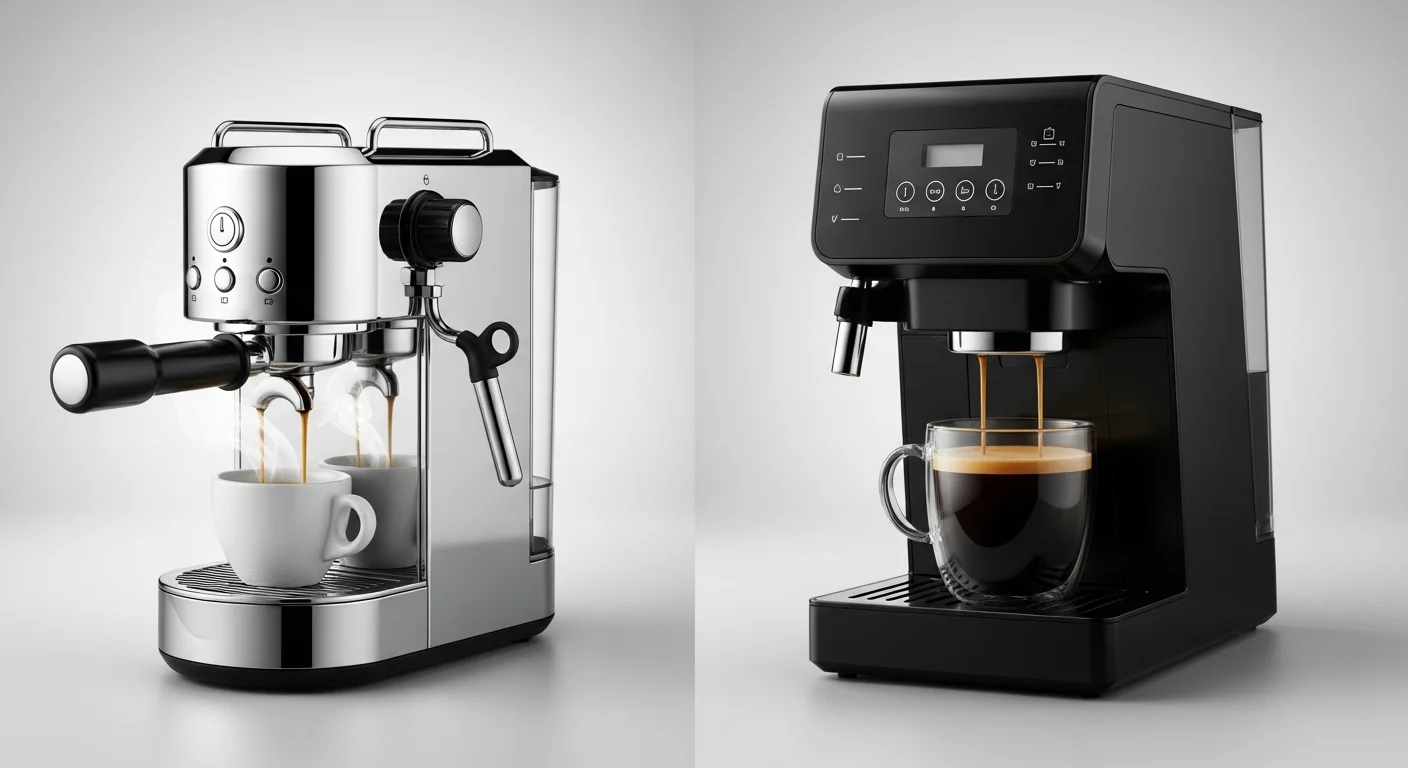
Drip Pod DP3 vs Nespresso vs Dolce Gusto
| Category | DP3 | Nespresso | Dolce Gusto |
|---|---|---|---|
| Extraction method | Drip | Espresso | High-pressure drip |
| Capsule variety | 50+ | 80+ | 50+ |
| Per-cup cost | ¥55–75 | ¥60–100 | ¥50–80 |
| Noise level | Very low | Medium–low | Medium |
| Flavor character | Drip coffee style | Espresso-based | Wide range |
Pros
- +Best-in-class low noise for home capsule machines — consistently cited by users as the defining advantage
- +Cross-brand capsule compatibility (UCC, HARIO, Tully's) provides 50+ variety options including tea and herbal tea
- +Ground coffee compatibility via separate filter provides backup when capsule stock runs out
Cons
- -Per-capsule cost of ¥55–75 is higher than hand drip brewing, producing a premium over time for high-frequency users
- -Single-cup brewing is not suited to making a large batch at once
- -Per-use capsule waste is higher than reusable filter or hand drip alternatives
Verdict
The UCC Drip Pod DP3 is a well-executed capsule machine with one genuinely exceptional characteristic: noise performance. For users who need to brew quietly — early morning, sleeping household members, shared office space — the DP3 delivers where other machines don't. Capsule costs are higher than hand drip but lower than Nespresso, and the cross-brand capsule ecosystem reduces the lock-in risk of single-brand systems. For casual daily coffee drinkers who prioritize convenience and quiet, it performs reliably.
Related Articles
About the AuthorExpert Reviewed

Coffee Guide Editorial
A team of certified writers and baristas with hands-on experience at origin farms and roasteries. We deliver practical, experience-backed guides on bean selection, brewing methods, and equipment reviews.
Credentials & Experience
- J.C.Q.A. Certified Coffee Instructor
- SCA Certified Barista
- 5+ years running a specialty roasting café
- 200+ coffee beans tasted annually