How to Make Cafe Latte at Home: A Complete Beginner's Guide
PRThis article contains affiliate links

Key Takeaways
- A cafe latte is made from espresso and steamed milk in a ratio of roughly 1 to 4
- You can make great lattes at home without an espresso machine using a moka pot and milk frother
- Latte, cappuccino, and flat white differ mainly in milk quantity and foam thickness
That creamy, satisfying cafe latte you order every morning at the coffee shop — have you ever wondered if you could make it at home? The good news is that you can, even without a professional espresso machine. With the right technique and a few simple tools, a barista-quality latte is well within reach.
In this guide, we cover everything you need to know: what a cafe latte actually is, how to steam and froth milk with or without a machine, the basics of latte art, and how a latte differs from a cappuccino or flat white.
How to Make Cafe Latte at Home: A Complete Beginner's Guide
Ingredients
- エスプレッソ30ml
- ミルク200ml
Steps
- 1.Brew Strong Coffee
- 2.Froth the Milk
- 3.Assemble the Latte
What Is a Cafe Latte?
Cafe latte (from the Italian caffè latte, meaning "milk coffee") is one of the most popular espresso drinks in the world. It consists of one or two shots of espresso (30–60ml) combined with about 150–200ml of steamed milk, topped with a thin, velvety layer of microfoam.
What makes the latte so appealing is its balance. The bold, slightly bitter espresso is softened and sweetened by the smooth, warm milk, creating a flavor neither could achieve alone.
Standard latte ratios
- Espresso: 1–2 shots (approx. 30–60ml)
- Steamed milk: 150–200ml
- Microfoam on top: about 5–10mm
Total volume is typically 180–260ml.
Latte vs. Cappuccino vs. Flat White
These three drinks are easy to confuse, but the differences come down to milk volume and foam texture.
| Drink | Espresso | Steamed milk | Foam depth | Character |
|---|---|---|---|---|
| Cafe latte | 1–2 shots | 150–200ml | 5–10mm | Mild and creamy |
| Cappuccino | 1–2 shots | 60–80ml | 2cm+ | Frothy and bold |
| Flat white | 2 shots | 100–120ml | Minimal | Strong coffee flavor |
The flat white originated in Australia and New Zealand. It uses a double shot of espresso with a smaller volume of steamed milk and very little foam. The result is a smaller, stronger drink than a latte, with the espresso flavor front and center.
Equipment and Ingredients
With an Espresso Machine
- Espresso machine (with steam wand)
- Coffee grinder (capable of fine grinding)
- Espresso beans: 15–20g per 1–2 shots
- Whole milk: 150–200ml (froths best)
- Latte cup: 200–250ml capacity
Without an Espresso Machine
- Moka pot (produces espresso-style concentrated coffee) or strong drip coffee
- Electric or manual milk frother or a lidded jar
- Microwave (to heat milk)
Whole milk froths better than low-fat milk and produces a creamier microfoam. Plant-based milks like oat milk and soy milk can be frothed, but achieving the same silky texture as whole milk requires a bit more practice.
Method 1: Cafe Latte with an Espresso Machine
Cafe Latte (Espresso Machine)
Total 5 minGrind espresso beans fine, tamp 15–18g into the portafilter
1 min
Extract espresso (25–30 seconds, 30–60ml)
30 sec
Pour 150–200ml cold milk into a pitcher, steam to about 65°C with the wand
1 min
Pour espresso into the cup, then pour steamed milk from a height
30 sec
Finish by gently settling the foam on top
30 sec
Tips for Perfect Steamed Milk
The key to great steamed milk is the right temperature and fine-textured foam.
1. Use the right pitcher size: Use a pitcher roughly 1.5x the volume of milk you are steaming. For 150ml of milk, use a 250ml pitcher — the milk expands as it foams.
2. Wand angle and position: Place the wand just below the milk's surface and tilt the pitcher slightly to create a vortex. In the first few seconds, introduce a small amount of air. Then submerge the wand deeper to heat the milk.
3. Target temperature: 65°C (149°F): Overheating breaks down milk proteins and produces coarse, dry foam. The 65–68°C range gives you the sweetest taste and silkiest texture.
4. Tap and swirl after steaming: Gently tap the pitcher on the counter to pop any large bubbles, then swirl the milk in a circular motion until it looks glossy and paint-like.
Method 2: Cafe Latte Without a Machine
You do not need an espresso machine to enjoy a great latte at home. Here is how to do it with simple tools.
Step 1: Brew Strong Coffee
With a moka pot: Fill the basket tightly with finely ground coffee and heat over medium flame. The result is a concentrated brew much closer to espresso than drip coffee, making it ideal as a latte base.
With a drip brewer: Use 1.5 to 2 times your normal amount of coffee grounds and brew with less water (about 100ml of water per 15g of grounds). This gives you the bold flavor needed to stand up to the milk.
Step 2: Froth the Milk
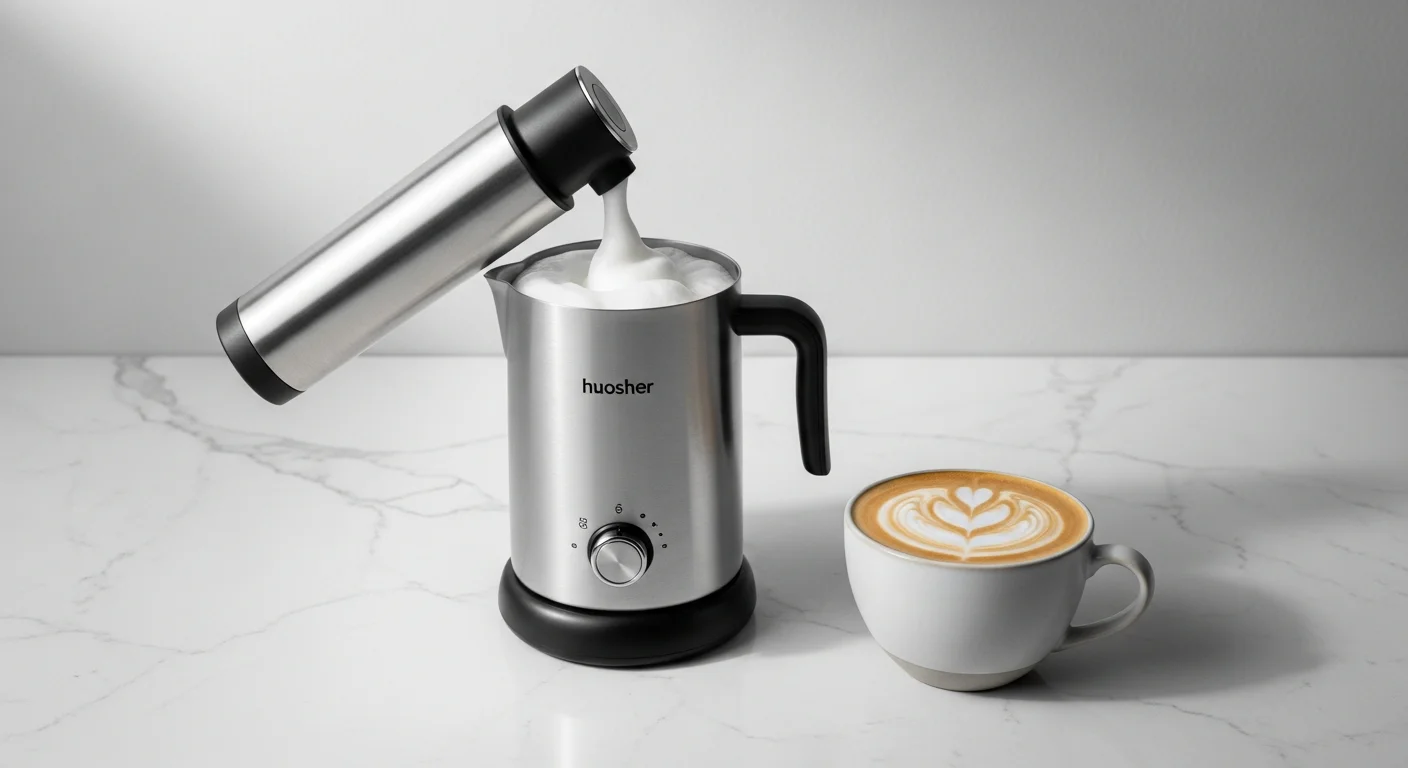
Electric milk frother: The easiest option. Heat milk to 60–65°C, insert the frother, and whisk for 30–40 seconds.
Jar method: Pour cold milk into a jar to about one-third full. Seal the lid tightly and shake vigorously for 30–40 seconds. Then microwave for 30–45 seconds (do not boil). The foam will not be as fine as machine-steamed milk, but it works well.
A handheld battery-powered milk frother — available very cheaply at kitchen stores — is one of the best investments for home latte-making. Heat your milk first, then froth for 30 seconds. The result is surprisingly close to a cafe-quality foam.
Step 3: Assemble the Latte
Pour the strong coffee (60–80ml) into your cup first. Then slowly pour the frothed milk over it, spooning the foam on top at the end for a clean presentation.
Latte Art Basics
Latte art requires both well-steamed milk and espresso crema, so it is easier with a proper machine. That said, a simple heart pattern is achievable for beginners with some practice.
How to Pour a Heart
- Tilt the cup at about a 30–45 degree angle.
- Begin pouring the steamed milk from a height of about 10cm, aiming at the center.
- When the cup is about half full, lower the pitcher close to the surface (2–3cm) to bring the foam out on top.
- As you finish, make a quick straight movement through the center of the foam to form the bottom of the heart.
Latte art is only possible with properly made microfoam — milk that has been steamed to a silky, glossy consistency often described as "liquid velvet" or "wet paint." Getting the milk texture right is the most important skill to develop before attempting any art.
Choosing the Right Coffee Beans
For lattes, choose beans that can hold their own against the milk.
Dark roast: Produces chocolate and caramel flavors that pair beautifully with milk. Italian or French roast blends are classic latte choices.
Medium roast: Retains some brightness and fruitiness. Using a single-origin medium roast in a latte can be a fun way to taste the bean's personality alongside the milk.
Espresso blends: Pre-formulated espresso blends are a safe and reliable choice for lattes. The blend is designed to produce a balanced, full-bodied shot that works well with milk.
Common Mistakes and How to Fix Them
Milk turns out grainy or dry: The milk was overheated or steamed too long. Keep the temperature below 68°C and move quickly from the air-introduction phase to the heating phase.
Can not taste the coffee: Either the espresso is too weak or there is too much milk. Try adding an extra shot, or reduce the milk volume slightly.
Foam is too bubbly: Too much air was introduced. Limit the air-introduction phase to the first 2–3 seconds, then move the wand deeper to create a gentle spinning motion without adding more air.
Summary
A cafe latte is one of the most satisfying coffees to master at home — and once you get the milk texture right, the rest comes together naturally.
- Basic ratio: 1–2 espresso shots + 150–200ml of steamed milk
- Ideal milk temperature: 65–68°C for sweetness and silky texture
- No machine needed: Moka pot + handheld frother gets you very close
- Latte vs. cappuccino vs. flat white: All about milk volume and foam depth
Be patient with the milk frothing — it takes practice, but the improvement from session to session is satisfying. Start brewing at home, and your morning routine will never be the same.
Related Articles
- Flat White Recipe: The Australian Classic at Home
- Honey Lavender Latte Recipe: Floral Coffee with a Touch of Elegance
- Best Milk Frothers Ranking 2026 — Top 8 for Lattes and Cappuccinos
- Cappuccino Recipe: Complete Guide Including How to Make Foamy Milk
- Caramel Latte Recipe: Recreate the Café Flavor at Home
Frequently Asked Questions
QWhat equipment do I need to make a cafe latte at home?
QWhat's the difference between a latte and a cappuccino?
QWhat beans work best for a cafe latte?
About the AuthorExpert Reviewed

Coffee Guide Editorial
A team of certified writers and baristas with hands-on experience at origin farms and roasteries. We deliver practical, experience-backed guides on bean selection, brewing methods, and equipment reviews.
Credentials & Experience
- J.C.Q.A. Certified Coffee Instructor
- SCA Certified Barista
- 5+ years running a specialty roasting café
- 200+ coffee beans tasted annually