Coffee Bean Freshness: Roast Date Guide & When to Drink Your Coffee
PRThis article contains affiliate links
Key Takeaways
- Coffee's peak drinking window is 7–21 days after roasting for most roast levels, after the initial 2–4 day degassing (outgassing) period has passed
- Roast date is the most useful freshness indicator — best-by dates are legally mandated food safety markers, not quality freshness windows
- The four enemies of coffee freshness are oxidation, moisture, heat, and light — airtight, opaque containers at room temperature are the standard defense
"Coffee is best fresh." You've heard this. But what does "fresh" actually mean? How many days after roasting? What happens to the beans as they age? And how should you store them to extend the freshness window?
The answers are more specific than most coffee drinkers realize — and understanding them will improve every cup you make.
The Outgassing Phase: Days 1–4 After Roasting
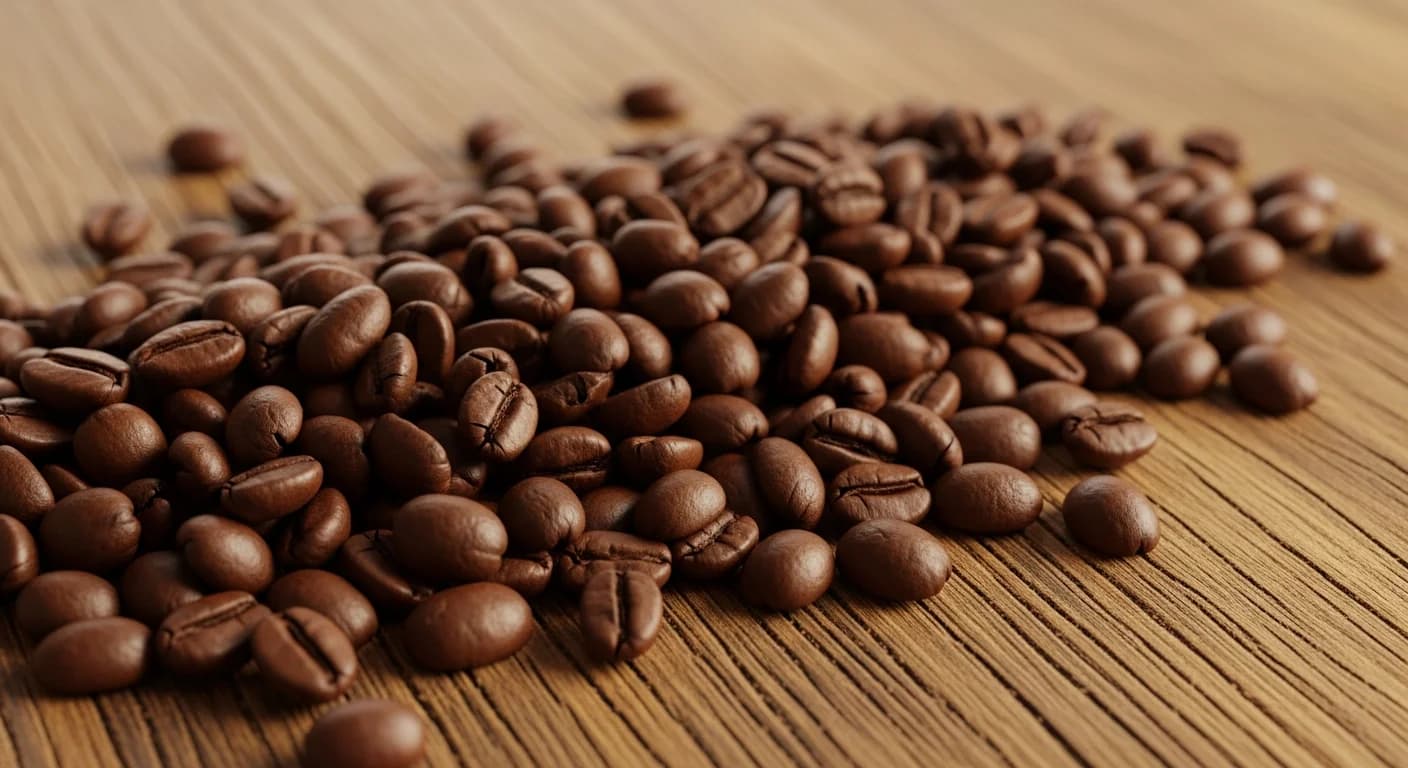
When coffee is roasted, the beans undergo chemical reactions that produce large amounts of carbon dioxide (CO₂). This gas is trapped inside the bean's cellular structure. After roasting, the CO₂ slowly escapes — a process called outgassing (or degassing).
The one-way valve you see on specialty coffee bags exists specifically to let this CO₂ out without letting oxygen in.
Why You Shouldn't Brew Coffee Too Soon
During the first 2–4 days after roasting, outgassing is most intense. When you brew very fresh-roasted coffee, the CO₂ interferes with water penetrating the grounds evenly. The result: uneven extraction, channeling in espresso, and a cup that tastes underdeveloped.
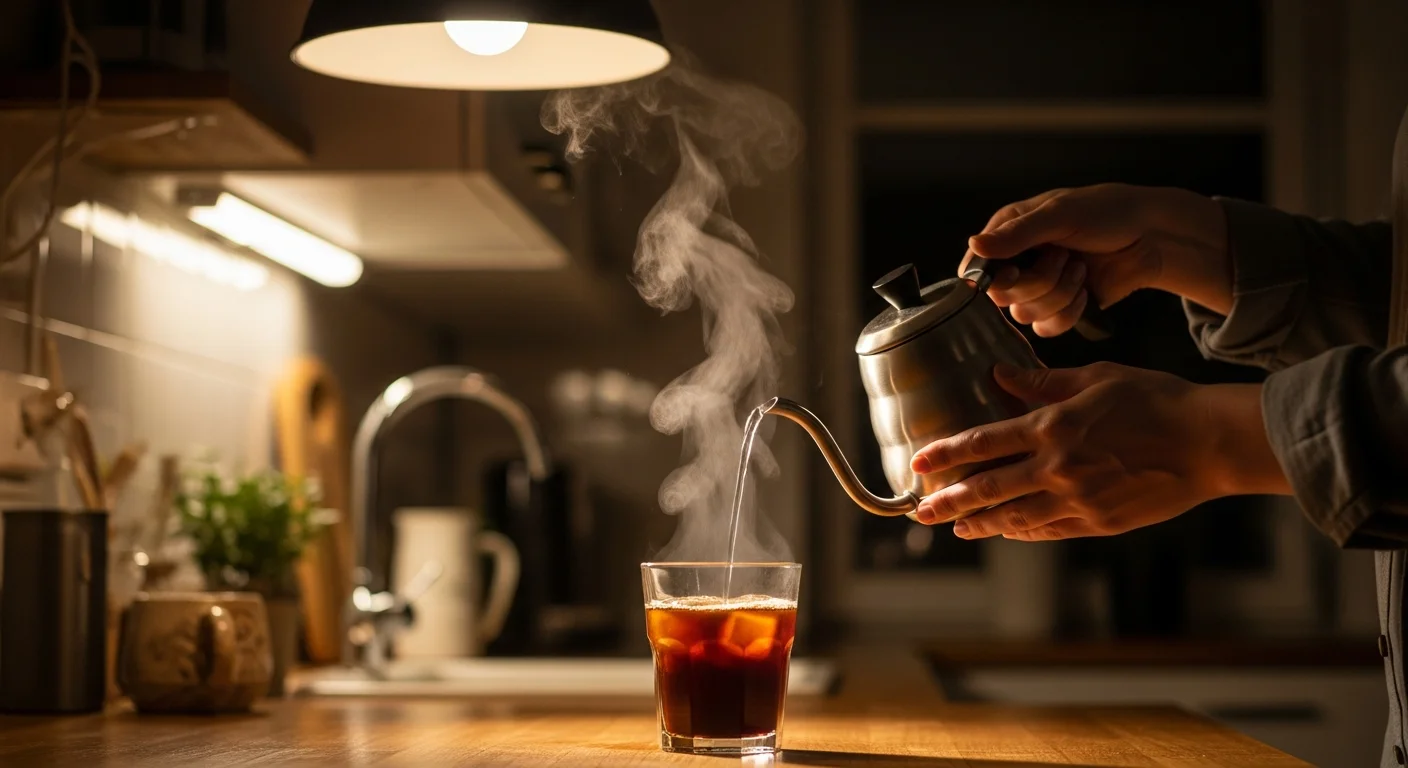
The "bloom" you see when pouring water over coffee grounds — that dome of bubbling grounds — is largely CO₂ escaping. On very fresh beans, the bloom is dramatic. On 3-week-old beans, it's minimal.
The Peak Drinking Window
| Roast Level | Optimal Window | Use-By Recommendation |
|---|---|---|
| Light roast | 5–21 days post-roast | Within 30 days |
| Medium roast | 4–14 days post-roast | Within 25 days |
| Dark roast | 3–10 days post-roast | Within 20 days |
Dark roasts contain more volatile aromatic compounds that oxidize faster. Light roasts have more stable organic acids that preserve flavor longer.
Professional baristas and specialty coffee competitors generally agree that 7–21 days post-roast is the ideal window for most coffees. This is when outgassing has settled, the flavors have "opened up," but oxidation hasn't yet diminished the aromatics. This window is sometimes called the "sweet spot" or "peak drinking window."
Roast Date vs. Best-By Date
Roast date: When the beans were actually roasted. The most useful freshness indicator.
Best-by date: A legally mandated food safety marker. For unopened coffee, this is typically 12–24 months after roasting. It indicates when the product is safe to consume, not when it's at its best.
A coffee that was roasted 11 months ago and expires next month is technically "not expired" but has lost the vast majority of its aromatic freshness. Always look for roast date, not best-by date.
Roasters who care about quality will always print the roast date on the bag. If you can only find a best-by date, you don't know when the coffee was roasted.
Signs Your Coffee Has Gone Stale
You can tell without tasting if your coffee has lost freshness:
- No bloom on brewing: Little or no CO₂ release means the beans have degassed completely
- Weak aroma when you open the bag: Fresh beans smell intensely of coffee; stale ones barely smell at all
- Flat, dull flavor: Loss of acidity and aromatics; tastes like "brown water" rather than coffee
- Oily surface on dark roast beans: Some surface oil is normal, but excessive greasiness can indicate oxidation
Proper Storage
The Four Enemies of Coffee Freshness
| Enemy | Source | Defense |
|---|---|---|
| Oxygen | Air exposure | Airtight container |
| Moisture | Humidity, refrigerator | Room temperature storage, no refrigerator |
| Heat | Sunlight, stovetop | Cool, dark location |
| Light | UV radiation | Opaque container |
Standard Storage
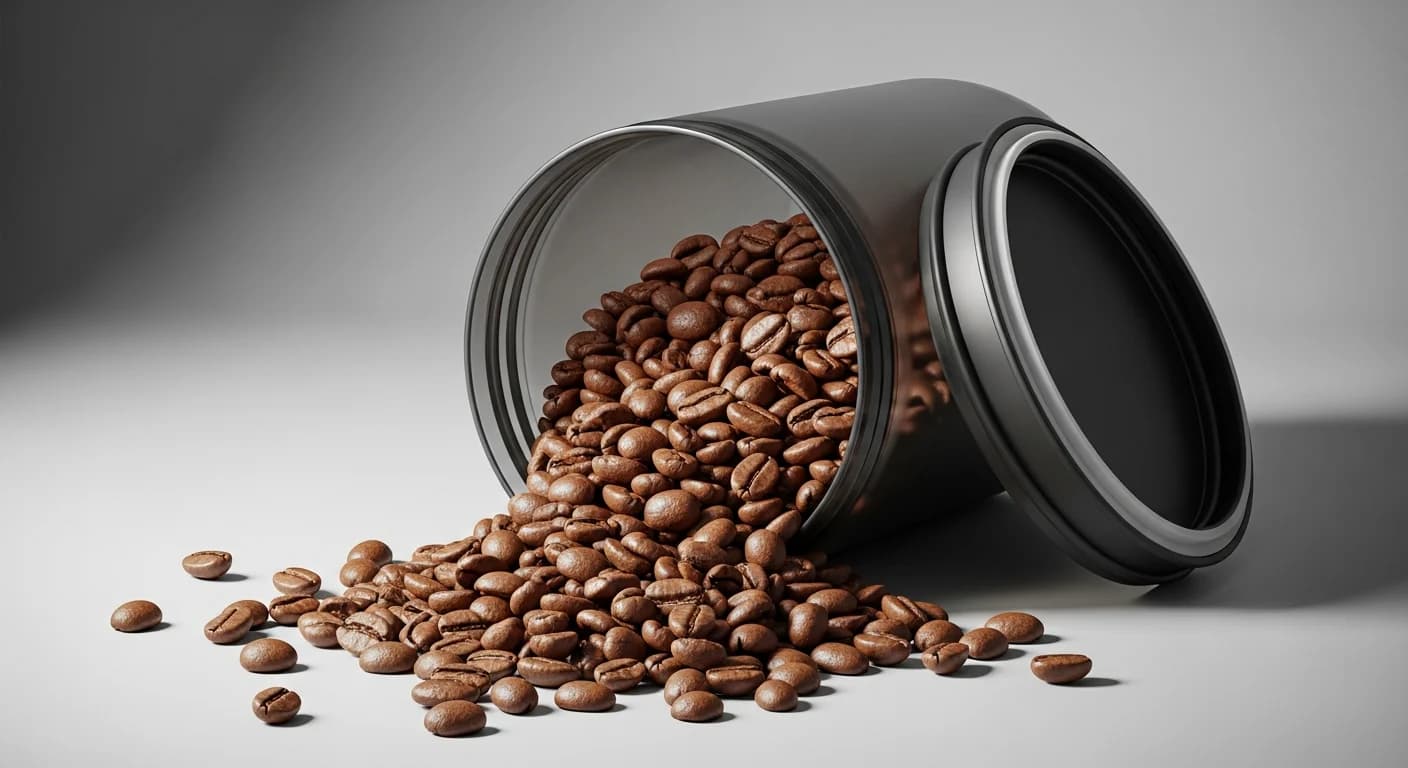
- Container: The bag the coffee came in (with the one-way valve), or an airtight glass/ceramic container — see 10 coffee canisters compared by price
- Location: Cool, dark shelf or cabinet — not on the counter near the stove
- Temperature: Room temperature
- Avoid: The refrigerator (humidity and odor absorption from other foods)
Freezing for Long-Term Storage
If you have more coffee than you'll drink within 3–4 weeks:
- Divide into single-session portions (enough for one or two uses)
- Seal in airtight bags or containers, removing as much air as possible
- Freeze
- Do not refreeze: Once thawed, use within a week
- Allow to reach room temperature before opening: Prevents condensation
The most practical freshness strategy is to buy less more often. Purchasing 200g every 2–3 weeks (if you drink one cup per day) means you always have fresh beans and never face the choice between stale coffee and no coffee. Even if per-unit prices are slightly higher for smaller quantities, the quality improvement is significant.
How to Find Fresh Coffee Online
When buying online, look for:
- "Roasted to order" or "same-day roasting": Beans are roasted after your order — peak freshness guaranteed
- Roast date on the listing: Some sellers specify the roast date range
- Specialty roasters' direct websites: Typically ship within days of roasting
- Coffee subscription services: Quality subscriptions time deliveries around roasting schedules
Summary
Coffee freshness is measurable, manageable, and makes a substantial difference in your cup.
Key takeaways:
- The peak drinking window is 7–21 days post-roast after the initial 2–4 day outgassing phase
- Roast date is the most useful freshness indicator; best-by date is a legal food safety marker, not a quality guide
- Store in airtight, opaque containers at room temperature — the refrigerator is counterproductive
- Buy 200g at a time and consume within 2–3 weeks for consistently fresh coffee
Related Articles
About the AuthorExpert Reviewed
Coffee Guide Editorial
A team of certified writers and baristas with hands-on experience at origin farms and roasteries. We deliver practical, experience-backed guides on bean selection, brewing methods, and equipment reviews.
Credentials & Experience
- J.C.Q.A. Certified Coffee Instructor
- SCA Certified Barista
- 5+ years running a specialty roasting café
- 200+ coffee beans tasted annually