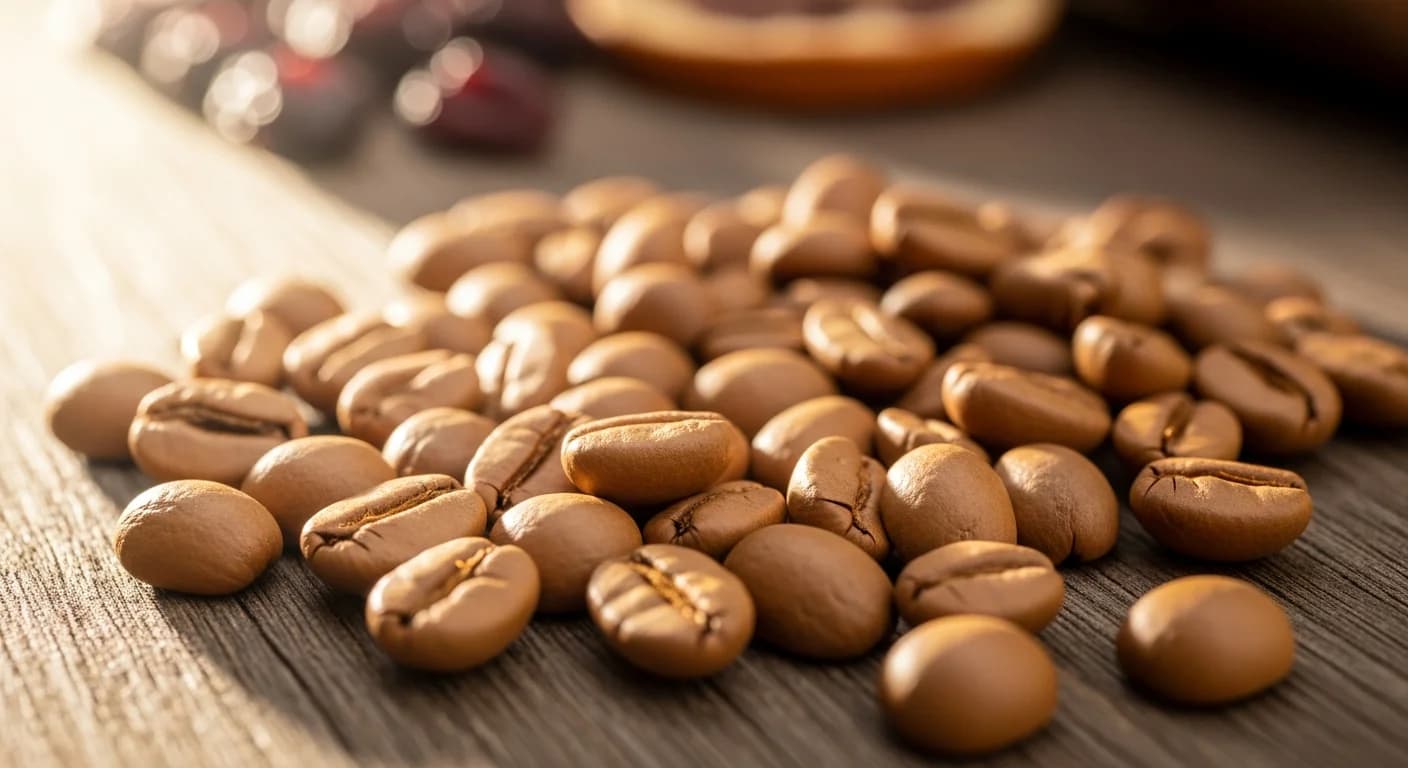
Ethiopia Coffee Beans: Origins, Flavor Profiles & How to Choose
PRThis article contains affiliate links
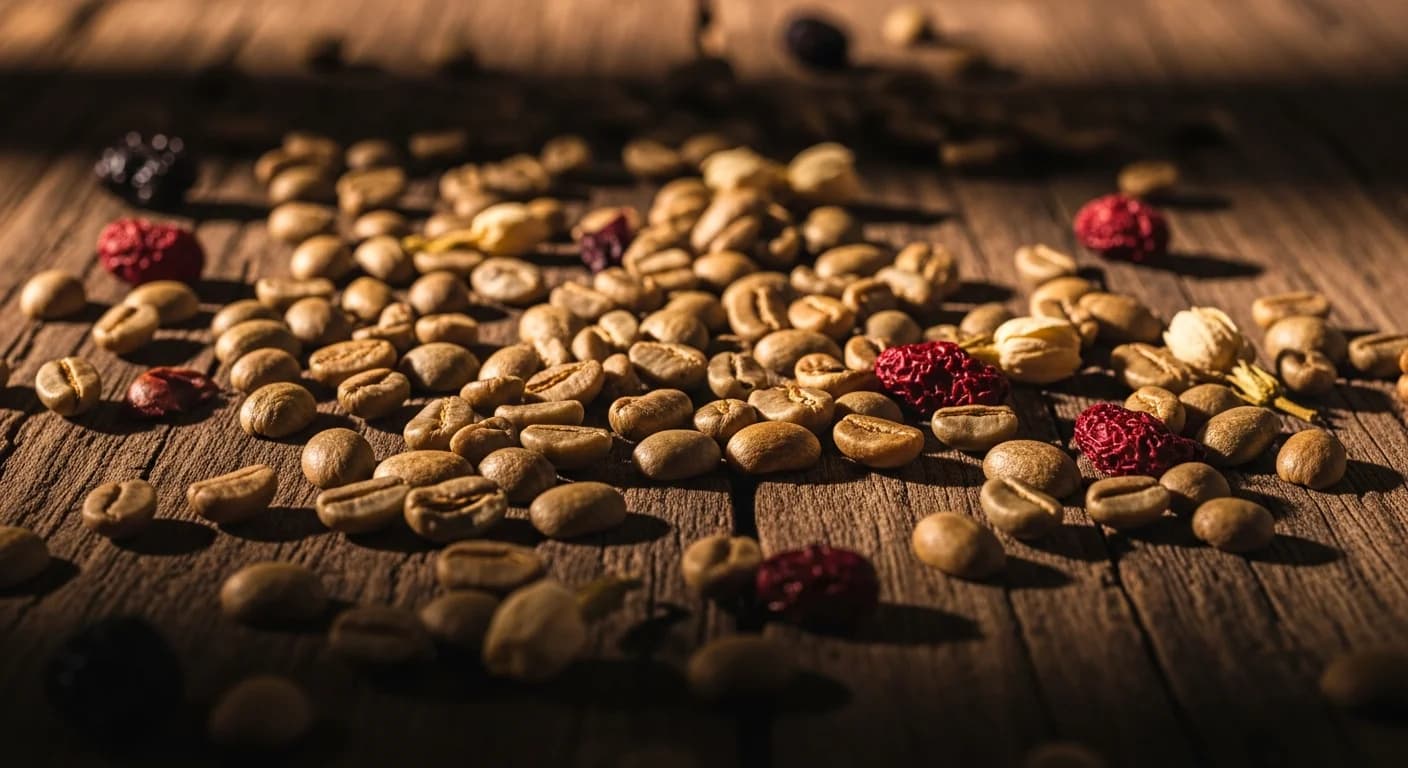
Key Takeaways
- Ethiopia is the birthplace of Arabica coffee, and its high-altitude farms at 1,500–2,200m produce distinctively bright, complex acidity
- Yirgacheffe offers floral and berry notes, Sidama is balanced and peachy, while Harrar delivers bold, wine-like fruit flavors
- Light-to-medium roasts bring out Ethiopia's best qualities; brew at 90–93°C with a pour-over for the most expressive cup
Ethiopian coffee has a character unlike anything else in the world. Blueberry, jasmine, lemon zest — flavors that make first-timers ask, "Is this really coffee?" That distinctive brightness is no accident. It comes from the very place where coffee was born.
This guide covers everything you need to know about Ethiopian coffee beans: the regions, processing methods, roast levels, and how to brew them for the best possible cup.
Why Ethiopia Is the Home of Coffee
Ethiopia is the native homeland of Arabica coffee (Coffea arabica). Wild coffee trees still grow in the forests of the southwest, making it the only country in the world where you can find coffee growing naturally in the wild.
The most well-known origin story involves a goat herder named Kaldi in the Kaffa region, who noticed his goats becoming lively after eating coffee cherries. Some historians believe the name "Kaffa" itself is the root of the word "coffee" — a detail that deepens the connection between Ethiopia and the drink it gave to the world.
The growing conditions that make Ethiopian coffee exceptional:
- Altitude: 1,500–2,200 meters above sea level
- Climate: Large temperature swings between day and night slow cherry maturation
- Soil: Fertile volcanic soils rich in minerals
- Rainfall: Well-defined wet and dry seasons create ideal growing cycles
Beans grown at high altitude mature slowly, which allows organic acids — malic acid, citric acid, chlorogenic acid — to build up in the seed. This is what creates the vivid, fruit-forward acidity that defines Ethiopian coffee.
Ethiopia is home to thousands of distinct coffee varieties, many of them still uncatalogued. This genetic diversity is a global treasure and the foundation for much of the world's coffee breeding. In specialty coffee, Ethiopian landrace varieties are among the most prized origins you can find.
The Main Growing Regions and Their Flavors
Three regions stand out for their consistency and character. Each produces coffee with a markedly different personality.
Yirgacheffe
The most celebrated Ethiopian origin, and arguably the most distinctive coffee in the world. Located at 1,700–2,200m in the southern highlands, Yirgacheffe is dominated by washed processing. The result is a cup with an almost tea-like delicacy.
Tasting profile: Jasmine and bergamot florals, bright blueberry and lime acidity, honey-like sweetness in the finish. The complexity can feel closer to a fruit tisane than a traditional coffee.
Best served: Light-to-medium roast, pour-over or AeroPress, black.
Sidama (Sidamo)
A large and diverse region north of Yirgacheffe, ranging from 1,400–2,200m. Both washed and natural processing are common here, and the flavor profile shifts dramatically depending on the method.
Washed tasting profile: Stone fruit sweetness (peach, nectarine), gentle jasmine florals, clean and balanced finish.
Natural tasting profile: Dense dark cherry and blueberry, wine-like complexity, lingering sweetness with a hint of fermentation.
For those new to Ethiopian coffee, washed Sidama is an excellent starting point — approachable yet distinctly Ethiopian.
Harrar
Located in the highlands of eastern Ethiopia at 1,500–2,100m, Harrar is one of the oldest named coffee origins in the world. Historically exported to the Arab world as "Mocha Harrar," it uses almost exclusively natural processing, giving it a bold, rustic character.
Tasting profile: Concentrated blueberry and dark cherry, dark chocolate richness, spice in the finish. Fuller-bodied than Yirgacheffe or Sidama, making it a good bridge for drinkers who prefer bolder cups.
How Processing Method Shapes the Flavor
Processing method is just as important as origin when it comes to Ethiopian coffee. The same Yirgacheffe beans can taste completely different depending on how they were processed after harvest.
Natural (Dry Processed)
Coffee cherries are dried whole in the sun, with the fruit still attached. Over several weeks, the sugars and flavors of the fruit are absorbed into the bean.
Result: Intense fruit flavors, wine-like complexity, heavier body. Natural-processed coffees can be inconsistent, but when done well, they are extraordinarily expressive.
Washed (Wet Processed)
The fruit is removed mechanically before the beans are fermented briefly in water, washed, and dried. This method highlights the inherent character of the bean and terroir.
Result: Clean, bright acidity, pronounced florals, transparent flavor. Washed coffees tend to score consistently high in specialty coffee evaluations because their clarity makes quality easy to assess.
If you're buying your first bag of Ethiopian coffee, start with a washed Yirgacheffe or Sidama. The clean, floral brightness is the most accessible expression of Ethiopian character. Natural-processed varieties are wonderful but more intense — save them for after you know you enjoy the style.
Roast Level and Its Impact on Acidity
Roast level determines how much of Ethiopia's distinctive acidity comes through in the cup.
Light Roast
Floral aromas and bright fruit acidity are at their most vivid. The berry and citrus notes shine, and the cup can feel almost juice-like in its complexity. Most specialty roasters offer Ethiopian origins at this level, and it's where the origin truly shows its range.
Medium Roast
A well-balanced cup that retains the sweetness and complexity while softening the sharpness of the acidity. This is the most approachable entry point for those who enjoy nuance without intensity. A good choice for everyday drinking.
Dark Roast
Acidity recedes and bittersweet chocolate and caramel flavors come forward. The distinctly Ethiopian fruitiness fades significantly. Useful for those who enjoy Ethiopian terroir but prefer a more conventional coffee profile.
Pros and Cons of Ethiopian Coffee
Pros
- +Uniquely fruity acidity and floral complexity unavailable in other origins
- +Consistently high scores in specialty coffee evaluations worldwide
- +Versatile across roast levels and brewing methods
Cons
- -High-quality single-origin beans can be pricier than commodity blends
- -The bright acidity may not suit those who prefer smooth, bitter-forward coffees
Brewing Guide
Ethiopian coffees are rewarding to brew but sensitive to technique. The following guidelines apply particularly to Yirgacheffe and washed Sidama.
Pour-Over (Recommended)
Pour-over methods give you full control over extraction and do the best job of preserving Ethiopia's delicate florals and fruit notes.
- Water temperature: 90–93°C (let boiled water rest for 1–2 minutes)
- Grind size: Medium-fine for paper filter
- Ratio: 15–18g coffee to 250–270ml water
- Total brew time: 3:00–3:30 minutes
Brewing at high temperatures (above 95°C) tends to make the acidity sharp and astringent. Slightly cooler water brings out softer, rounder fruit sweetness.
French Press
A good option if you want to experience the body and oils in Ethiopian coffee. The lack of paper filtration allows more texture in the cup, making the mouthfeel richer.
Adjusting to Your Preference
To tame acidity: use slightly hotter water (93–95°C), a finer grind, and a longer brew time. The extra extraction adds bitterness that balances out the brightness.
To emphasize acidity: lower water temperature (88–90°C), coarser grind, and shorter brew time will bring the fruit notes to the front.
Try tasting your Ethiopian coffee at different temperatures — immediately after brewing, then again when it has cooled to around 50°C. As it cools, the sweetness becomes more pronounced and the fruit character often becomes clearer. This is a hallmark of high-quality, naturally acidic coffees.
Storage and Freshness
The delicate aromatics and bright acidity in Ethiopian coffee are highly sensitive to aging. Follow these guidelines to keep your beans at their best.
- Check the roast date: Aim for beans roasted within the past two weeks. Roasters who print the roast date on their bags are a good sign of quality consciousness
- Airtight container: Store in a valve-sealed bag or opaque airtight container
- Location: Away from direct light, heat, and humidity — a cool pantry is ideal
- Freezing: For longer storage, divide beans into single-use portions and freeze. Do not refreeze thawed beans
Once opened, aim to use the bag within two to three weeks to enjoy the full aromatic expression.
Recommended Ethiopia Coffee Beans
Summary
Ethiopian coffee earns its reputation as one of the world's finest origins through a combination of ancient genetic diversity, exceptional growing conditions, and centuries of coffee culture.
Key takeaways from this guide:
- Ethiopia is the birthplace of Arabica coffee; high-altitude farms at 1,500–2,200m create naturally complex acidity
- Yirgacheffe (floral, bright), Sidama (balanced, peachy), and Harrar (bold, wine-like) each offer a distinct experience
- Washed processing = clean and floral; natural processing = intense and fruity
- Light-to-medium roast brings out the origin's best qualities; brew at 90–93°C with a pour-over for the most expressive cup
If you haven't tried Ethiopian coffee as a single-origin yet, it's one of the most rewarding places to start exploring the world of specialty coffee. A well-brewed cup of Yirgacheffe may change how you think about what coffee can be.
Related Articles
- 4 Best Fruity Light Roast Coffee Beans: Bright, Flavorful Picks
- Kenya Coffee Beans: SL28, AA Grade & Flavor Guide
- Blend vs Single Origin Coffee: Differences & How to Choose
- Light Roast vs Dark Roast | Differences, Pros and Cons, and How to Choose
- Coffee Roast Levels Complete Guide | Light, Medium & Dark Explained
Frequently Asked Questions
QWhat does Ethiopian coffee taste like?
QWhat are the famous coffee-growing regions in Ethiopia?
QWhat brewing method best suits Ethiopian coffee?
About the AuthorExpert Reviewed

Coffee Guide Editorial
A team of certified writers and baristas with hands-on experience at origin farms and roasteries. We deliver practical, experience-backed guides on bean selection, brewing methods, and equipment reviews.
Credentials & Experience
- J.C.Q.A. Certified Coffee Instructor
- SCA Certified Barista
- 5+ years running a specialty roasting café
- 200+ coffee beans tasted annually