Guatemala Coffee Beans: Antigua, Huehuetenango & Flavor Guide
PRThis article contains affiliate links
Key Takeaways
- Guatemala has eight distinct coffee-growing regions, each with unique terroir — Antigua offers chocolate and smoke notes, while Huehuetenango delivers complex fruit and floral profiles
- The country's volcanic soils, high altitude (1,200–2,000m), and dramatic temperature swings create exceptional growing conditions for Arabica
- Guatemalan coffee pairs well with medium roasts that balance its natural sweetness and acidity
Guatemala is one of Central America's most respected coffee origins, producing beans that balance chocolate sweetness, complex acidity, and occasional spice notes. From the famous Antigua valley to the remote highlands of Huehuetenango, the country's diverse terroir creates a wide range of exceptional cups.
Why Guatemala Produces Great Coffee
Guatemala's coffee success comes from its geography:
- High altitude: Most specialty coffee grows between 1,200–2,000m
- Volcanic soil: Rich in minerals, excellent drainage
- Microclimates: Eight distinct growing regions with unique temperature, rainfall, and soil profiles
- Traditional varieties: Bourbon, Caturra, and Typica dominate, prized for cup quality
The Eight Growing Regions
Antigua
The most famous Guatemalan origin. Surrounded by three volcanoes (Agua, Fuego, Acatenango), Antigua produces coffees with:
- Chocolate and caramel sweetness
- Smoky notes from volcanic ash in the soil
- Medium to full body
- Bright but balanced acidity
Huehuetenango
Guatemala's highest and most remote growing region (up to 2,000m). Isolated from the moderating effects of the Pacific, it relies on hot, dry winds from Mexico. The result:
- Complex fruit and floral notes
- Vivid, wine-like acidity
- Lighter body than Antigua
- Outstanding cup quality, prized by specialty roasters
Atitlán
Coffee grown on the slopes of Lake Atitlán. The lake creates a unique microclimate:
- Bold body
- Distinct fruit and chocolate balance
- Full-flavored cups
San Marcos
Receives the highest rainfall of any Guatemalan region. Early ripening, often with bright acidity and floral notes.
Cobán and Huehuetenango Highlands
Cobán's unique cloud forest produces coffees with earthy, acidic profiles. Huehuetenango's highland farms rank among the finest in Central America.
Flavor Profile
Guatemalan coffees are known for:
| Note | Description |
|---|---|
| Chocolate / Cocoa | From volcanic soil and medium roast |
| Brown sugar / Caramel | Natural sweetness |
| Apple / Stone fruit | Particularly from higher altitudes |
| Nuts (almond, hazelnut) | Medium roast characteristic |
| Smoke (Antigua) | Unique volcanic terroir note |
Best Brewing Methods
Guatemala's chocolate and caramel sweetness comes through beautifully in:
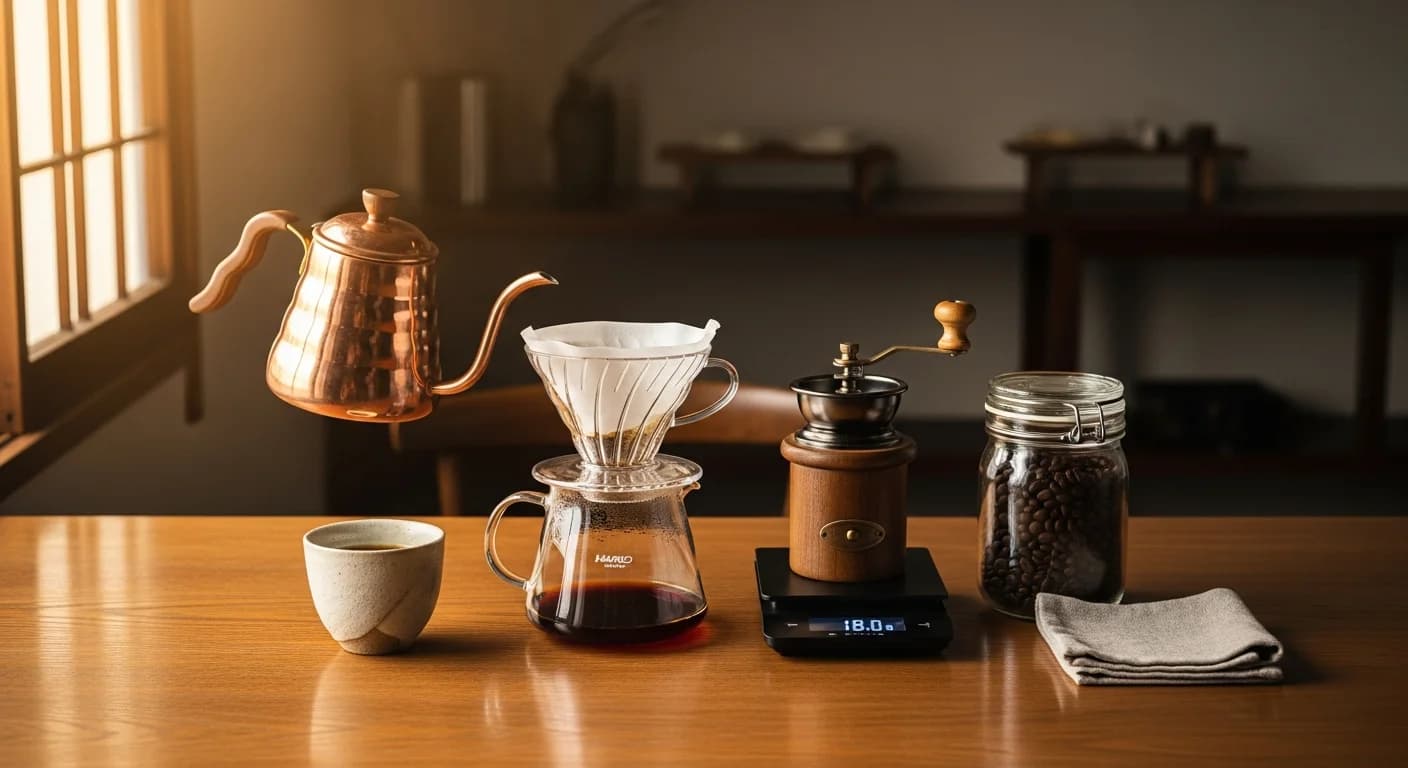
- Pour-over (V60, Chemex): Highlights the fruit and floral clarity
- French Press: Amplifies body and chocolate notes
- Espresso: Excellent base for espresso with natural sweetness
Brew parameters:
- Water temperature: 91–93°C
- Grind: Medium for pour-over, slightly coarser for French Press
- Ratio: 1:15 to 1:16
If you enjoy Guatemala's chocolate notes but find the acidity too bright, try brewing 2–3°C cooler (88–90°C). The reduction in temperature slows acid extraction while preserving the full body and chocolate sweetness.
Summary
Guatemala offers some of Central America's most diverse and expressive coffees.
Key takeaways:
- Eight distinct regions mean wide flavor variety — from Antigua's chocolate-smoke to Huehuetenango's fruit-floral complexity
- Volcanic soil and high altitude create the foundation for exceptional Arabica
- Medium roast best expresses Guatemala's natural chocolate sweetness and balanced acidity
- Pour-over and French Press are ideal brewing methods for highlighting regional character
Related Articles
- Anaerobic Fermentation Coffee: What It Is & Why It Tastes So Different
- Coffee Flavor Wheel Guide: How to Taste and Describe Coffee Like a Pro
- Costa Rica Coffee Beans: Honey Process, Tarrazu & Flavor Guide
- Geisha Coffee: Why It Costs So Much & What Makes It Extraordinary
- Jamaica Blue Mountain Coffee: Why It Costs So Much & Is It Worth It?
About the AuthorExpert Reviewed
Coffee Guide Editorial
A team of certified writers and baristas with hands-on experience at origin farms and roasteries. We deliver practical, experience-backed guides on bean selection, brewing methods, and equipment reviews.
Credentials & Experience
- J.C.Q.A. Certified Coffee Instructor
- SCA Certified Barista
- 5+ years running a specialty roasting café
- 200+ coffee beans tasted annually