Hawaii Kona Coffee: 100% Kona vs Blends & Complete Buying Guide
PRThis article contains affiliate links
Key Takeaways
- Hawaii Kona coffee must be grown on the slopes of Mauna Loa and Hualalai volcanoes in the North and South Kona districts — the "Kona Coffee Belt" covering approximately 5,600 acres
- Products labeled "Kona Blend" in the US only need to contain 10% Kona coffee — the remaining 90% can be low-grade coffee from any origin, making the label misleading
- 100% Kona Extra Fancy is the highest grade, with the mildest acidity, excellent balance, and distinctive smoothness that justifies Kona's premium price
Kona coffee holds a unique distinction: it's the only coffee grown commercially in the United States. Produced on Hawaii's Big Island on the slopes of active volcanoes Mauna Loa and Hualalai, Kona has built a global reputation for its smooth, mellow character and bright acidity.
But Kona's fame has also made it a target for misleading marketing. Understanding the difference between 100% Kona and "Kona blends" is essential before you buy.
The Kona Coffee Belt
Kona coffee grows in a narrow strip called the Kona Coffee Belt on the western slope of the Big Island:
- Location: North and South Kona districts, Hawaii County
- Altitude: 600–2,500 feet (180–760m) — lower than most specialty origins
- Microclimate: Sunny mornings, afternoon cloud cover, mild temperatures, 60–100 inches of rain annually
Despite its relatively low altitude compared to Central American or East African origins, Kona's unique microclimate — the shield of afternoon clouds that protects beans from harsh afternoon sun — compensates for altitude, producing slow, even maturation.
100% Kona vs Kona Blends: A Critical Distinction
100% Kona
Means every bean in the bag was grown in the Kona Coffee Belt. These products are strictly certified and typically labeled with the estate name, grade, and harvest year.
"Kona Blend" (Warning)
Under Hawaii state law, a product can be labeled "Kona Blend" if it contains as little as 10% Kona coffee. The remaining 90% can be commodity-grade coffee from Brazil, Vietnam, or anywhere else. This practice has been highly controversial and is considered misleading by many in the specialty coffee industry.
Rule: If it doesn't say "100% Kona," assume it isn't.
Kona Grading System
Hawaii uses a rigorous grading system based on bean size, moisture content, and defects:
| Grade | Description |
|---|---|
| Extra Fancy | Largest screen size, fewest defects — the highest grade |
| Fancy | High quality, slightly smaller |
| Number 1 | Good quality, moderate defects allowed |
| Select | Smaller beans, more variation |
| Prime | Lowest commercial grade |
Extra Fancy is the grade associated with Kona's reputation for smoothness and clarity.
Flavor Profile
100% Kona Extra Fancy is characterized by:
- Exceptional mildness: Almost no bitterness, smooth from first sip to last
- Bright acidity: Clean, crisp, but not sharp — reminiscent of light fruit
- Medium body: Not heavy, silky texture
- Subtle sweetness: Honey, caramel, light brown sugar
- Floral hints: Particularly in lighter roasts
- Clean finish: No off-flavors or harsh aftertaste
Kona's reputation for mildness is partly due to its lower altitude compared to other premium origins. Lower altitude typically means less malic and citric acid development. This is why Kona tastes "smoother" than Kenyan or Ethiopian coffee — not necessarily more complex, but less confrontational and more immediately accessible.
Pricing and Value
100% Kona coffee is expensive — typically $40–80+ per pound for Extra Fancy. The reasons:
- US labor costs: Hawaiian farm workers earn US minimum wage or above
- Limited land: The Kona Coffee Belt is geographically tiny
- Hand harvesting: The steep volcanic slopes require hand-picking
- High demand: Kona's brand recognition drives premium pricing
How to Brew It
Kona's mildness shines best with clean methods:
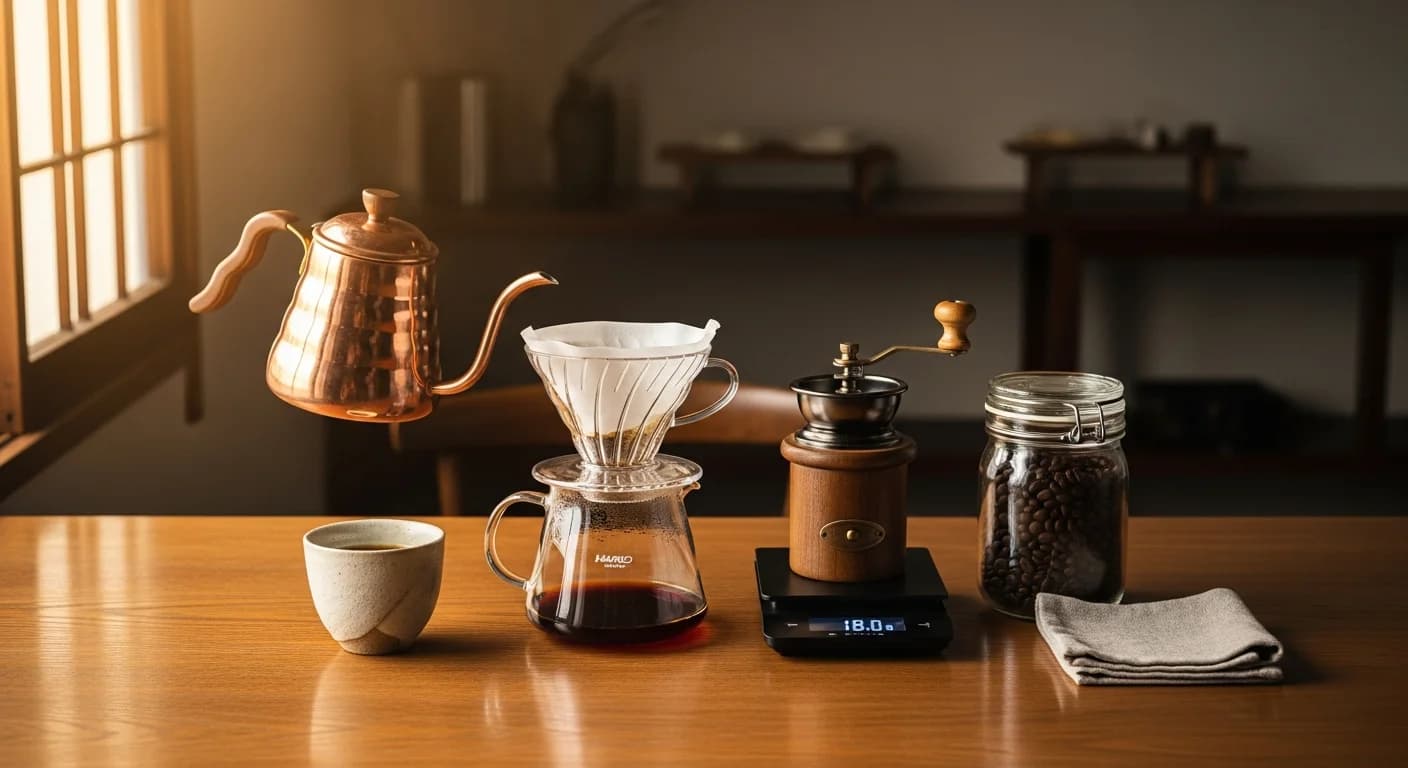
- Pour-over or drip: Best for highlighting the clean, clear character
- Temperature: 89–91°C (lower temperatures preserve delicate floral notes)
- Grind: Medium
- Drink: Black, without milk — Kona's subtlety is easily masked
When trying 100% Kona for the first time, compare it side-by-side with an Ethiopian Yirgacheffe or Kenyan AA. The contrast between Kona's smooth mildness and the African coffees' vibrant intensity illustrates exactly what makes each origin special and makes the differences unmistakably clear.
Summary
Hawaii Kona is a genuinely unique coffee from America's only commercial growing region, but navigating the labeling landscape requires care.
Key takeaways:
- "Kona Blend" means as little as 10% actual Kona coffee — always look for "100% Kona"
- Extra Fancy is the highest grade, with the largest beans and fewest defects
- The flavor is exceptionally mild, smooth, and clean — accessible but less complex than top East African origins
- Brew at 89–91°C with pour-over and drink black to experience Kona's defining smoothness
Related Articles
- Jamaica Blue Mountain Coffee: Why It Costs So Much & Is It Worth It?
- Anaerobic Fermentation Coffee: What It Is & Why It Tastes So Different
- Beginner's Guide to Buying Coffee Beans | How to Choose Without Regret
- How to Choose Coffee Beans 2026 | A Complete Guide Using 5 Key Criteria
- Coffee Bean Freshness: Roast Date Guide & When to Drink Your Coffee
About the AuthorExpert Reviewed

Coffee Guide Editorial
A team of certified writers and baristas with hands-on experience at origin farms and roasteries. We deliver practical, experience-backed guides on bean selection, brewing methods, and equipment reviews.
Credentials & Experience
- J.C.Q.A. Certified Coffee Instructor
- SCA Certified Barista
- 5+ years running a specialty roasting café
- 200+ coffee beans tasted annually