Indonesia Coffee Beans Guide | Origins, Mandheling & How to Choose
PRThis article contains affiliate links
Key Takeaways
- Indonesia is the world's fourth-largest coffee producer, with diverse islands each offering unique profiles
- The wet-hull (Giling Basah) process unique to Sumatra creates earthy, herbal, full-bodied cups
- Mandheling SCA 83+ lots deliver complex flavor at depth; best enjoyed dark-roasted
Indonesian coffee occupies a unique corner of the coffee world. Its earthy, full-bodied, and sometimes spicy character stands in sharp contrast to the bright, fruit-forward coffees from Africa or the clean sweetness of Latin American origins. For those who have encountered it, Indonesian coffee — especially Mandheling from Sumatra — tends to become an irreplaceable part of the rotation.
That said, the variety of island origins and unfamiliar processing terminology can make it difficult to know where to start. This guide breaks down Indonesia's major growing regions, explains the wet-hull process that defines so much of the country's coffee character, and provides practical guidance on choosing the right roast level and brewing method.
Indonesian Coffee: The Basics
Indonesia ranks as the world's fourth-largest coffee producer. Coffee is grown across several major islands — Sumatra, Java, Sulawesi, Flores, and Bali — each producing a distinct flavor profile shaped by altitude, soil, climate, and processing method.
The Wet-Hull Process: Indonesia's Defining Technique
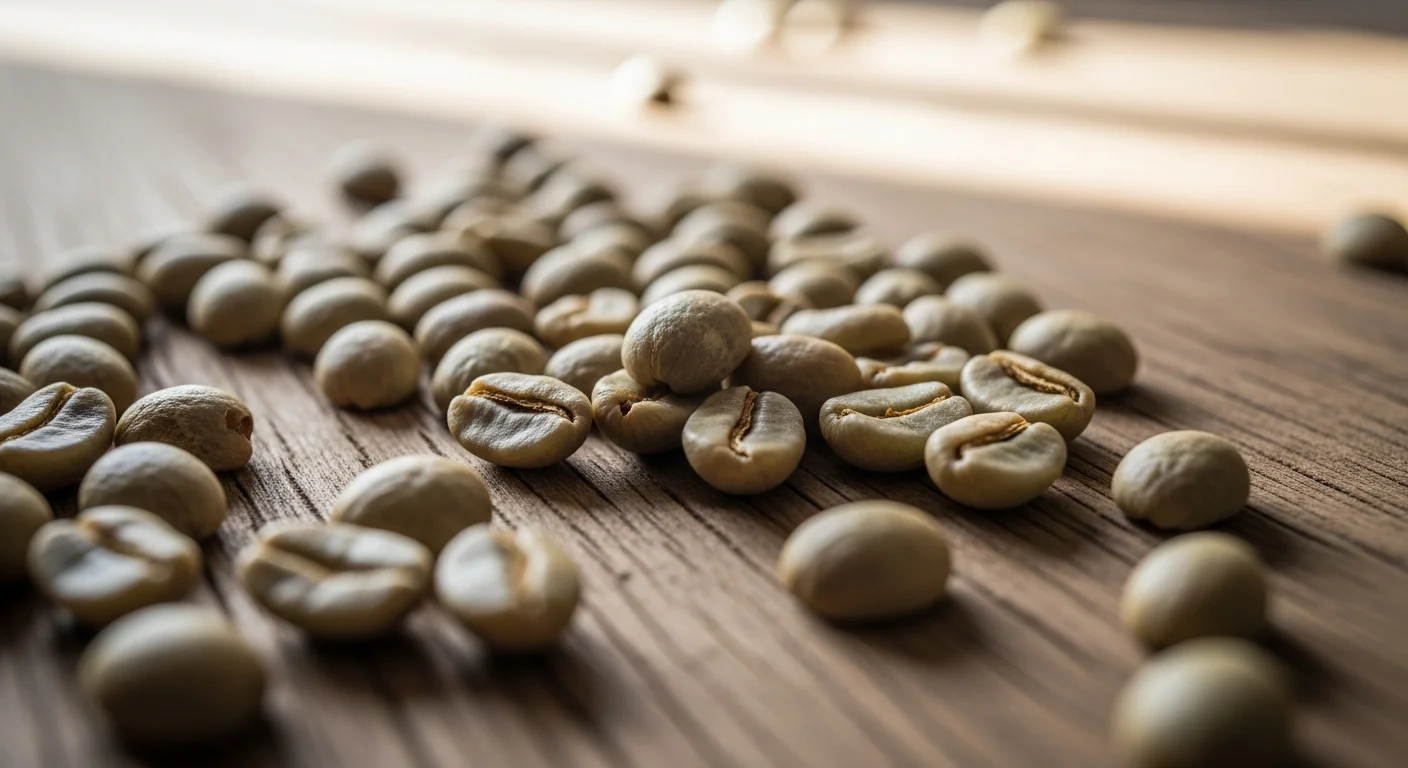
The wet-hull method (known locally as Giling Basah) is practiced almost exclusively in Indonesia, particularly on Sumatra. Unlike conventional washed processing, the parchment layer is stripped from the bean while it still retains significant moisture, exposing the green bean to the open air for an extended period. This unique step is responsible for the earthy, herbal, and spicy complexity that distinguishes Sumatran coffee from any other origin in the world.
Approximately 75% of Indonesia's total production is Robusta, but the Arabica-growing regions are internationally recognized for exceptional quality. Specialty coffee retailers almost exclusively carry Indonesian Arabica.
Major Regions and Flavor Profiles
Sumatra: Mandheling
The most iconic Indonesian coffee, Mandheling comes primarily from the Lintong Nihuta and Takengon districts of North Sumatra. Expect an intensely full body, low acidity, and a complex layering of earthy, spicy, and herbal notes — cedar, tobacco, dark chocolate, and a long, lingering finish. Dark roast brings out Mandheling's most characteristic profile and is how most specialty roasters choose to present it.
Specialty-grade Mandheling lots scoring above 83 on the SCA scale are increasingly available, offering the same distinctive profile with a cleaner, more refined cup.
Sumatra: Gayo
Grown in the Takengon highlands of Aceh Province at elevations higher than most Mandheling farms, Gayo coffee has developed a strong following in Western specialty markets, particularly for its growing number of certified organic lots. The cup is slightly more fruit-forward than Mandheling, with a red wine-like depth of acidity alongside the characteristic Indonesian earthiness.
Sulawesi: Toraja
Toraja comes from the Tana Toraja highlands of southern Sulawesi. Historically marketed as "Celebes" coffee, it is one of the oldest Indonesian coffee traditions. Compared to Mandheling, Toraja is noticeably cleaner and a touch brighter, with chocolate and fruit notes that intersect in an unusual and appealing way. Medium-dark to dark roast is optimal.
Java
Java carries enormous historical significance — the word "java" became synonymous with coffee itself centuries ago. Modern Javanese coffee is predominantly wet-processed (washed), giving it a cleaner, more acidic character than Sumatran coffee. Notes of mild spice, light fruit, and modest body make it the most approachable of Indonesia's major origins.
Bali and Flores
Kintamani in Bali and the Bajawa highlands of Flores produce Arabica coffees that are cleaner and fruitier than Sumatran offerings. With balanced acidity, moderate body, and bright fruit character, these origins serve as excellent entry points for those new to Indonesian coffee.
Recommended Product
How to Choose Your Roast Level
Indonesian coffee performs best at medium-dark to dark roast levels.
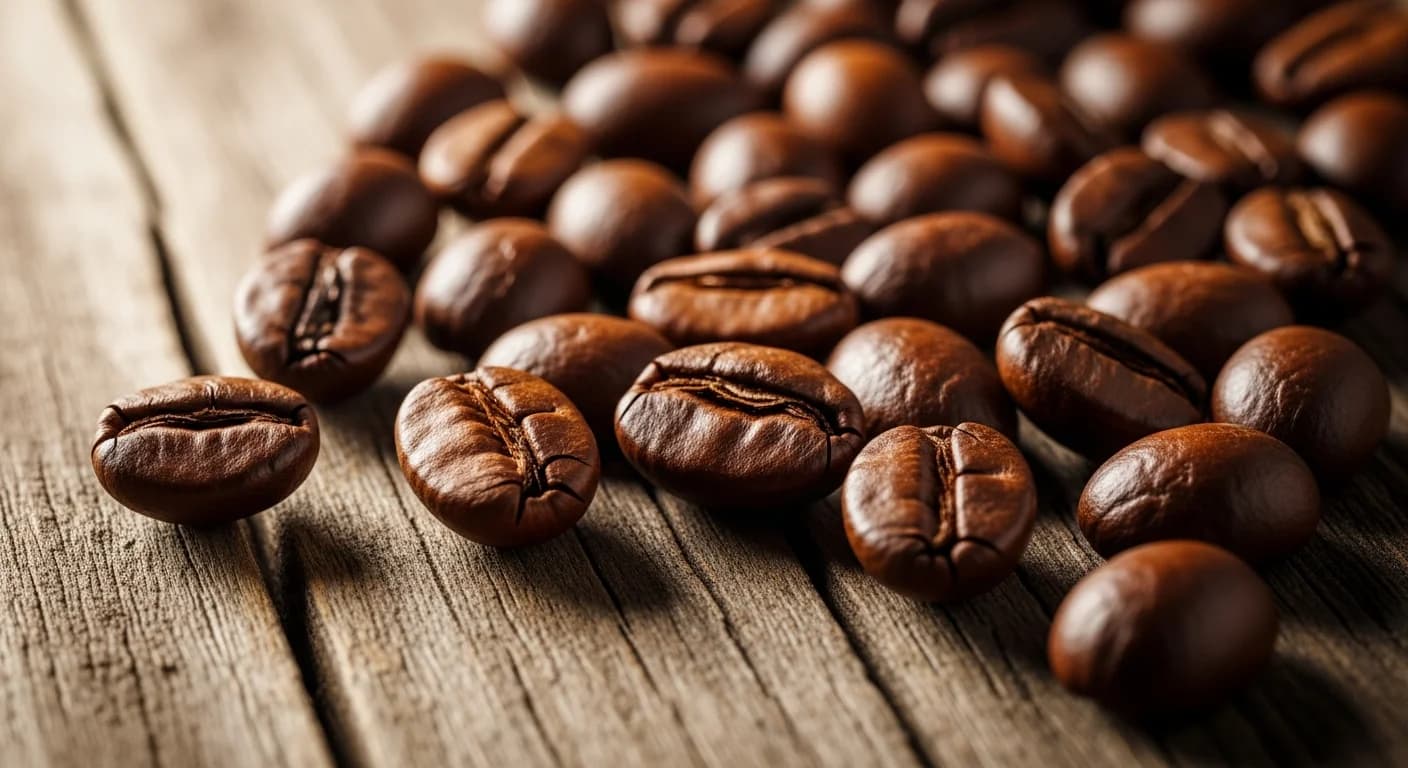
Dark roasting intensifies the earthy, bittersweet chocolate character and builds the heavy body that defines Mandheling and Toraja. This is the traditional and most widely appreciated way to enjoy these coffees.
Medium roast retains more of the herbal complexity and allows a hint of brightness to emerge. High-quality lots from Gayo or Flores respond particularly well to medium roasting, revealing nuanced flavor layers that would otherwise be masked by darker roasting.
Light roasting Indonesian beans — especially wet-hull-processed Sumatran — can amplify the earthiness into an overwhelming rusticity. This approach is better suited to experienced drinkers and specific high-scoring lots.
Brewing Methods
French press is arguably the ideal brewing method for Indonesian coffee. Without a paper filter to remove oils, the full weight and texture of the bean come through in the cup, producing the heavy, syrupy mouthfeel that makes Mandheling so distinctive.
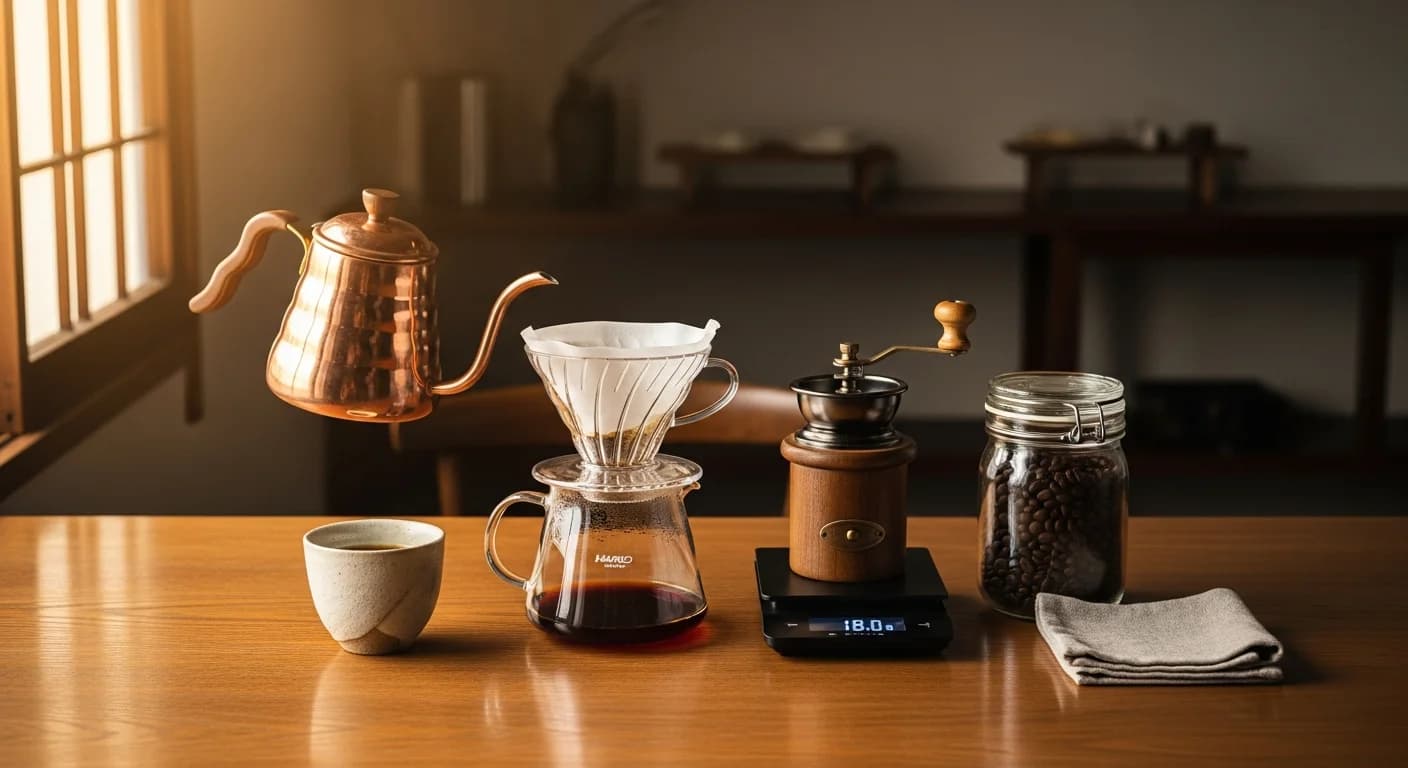
Pour-over or drip with a paper filter produces a cleaner, lighter interpretation of the same beans. Useful for those who want to explore the flavor complexity without the weight. Water temperature of 90–93°C (194–200°F) and a slightly finer grind than usual will increase extraction and body.
Espresso with dark-roasted Mandheling makes for an intensely rich, bittersweet shot with excellent crema. It pairs exceptionally well with milk and is frequently used as an espresso blend base.
Tip: Let your cup cool to around 60–65°C before drinking. Indonesian coffee reveals its sweetness and spice nuances more clearly as temperature drops.
Advice for Beginners
If the earthy reputation of Indonesian coffee sounds daunting, start with Bali Kintamani or Flores Bajawa in a medium roast. These origins share the Indonesian profile's characteristic body without the intensity of Sumatran earthiness, making them a gentle introduction.
When trying Mandheling for the first time, look for specialty-grade lots with a published SCA score. Lower-quality Mandheling can have a rough, overpowering earthiness. Purchasing from a trusted specialty roaster minimizes this risk considerably.
Conclusion: Indonesian Coffee Rewards the Curious
Indonesian coffee's appeal lies in its unapologetic individuality. Earthy, full-bodied, complex, and warming — it offers a completely different lens through which to experience coffee. Whether you start with a clean Bali pour-over or go straight to a dark-roasted Mandheling in a French press, Indonesian coffee has the potential to become a permanent fixture in your coffee repertoire.
Related Articles
- Anaerobic Fermentation Coffee: What It Is & Why It Tastes So Different
- Beginner's Guide to Buying Coffee Beans | How to Choose Without Regret
- How to Choose Coffee Beans 2026 | A Complete Guide Using 5 Key Criteria
- Coffee Bean Freshness: Roast Date Guide & When to Drink Your Coffee
- How to Choose Coffee Beans: A Complete Guide
Frequently Asked Questions
QWhat does Indonesian coffee taste like?
QWhat is Mandheling coffee?
QWhat brewing method suits Indonesian coffee best?
About the AuthorExpert Reviewed

Coffee Guide Editorial
A team of certified writers and baristas with hands-on experience at origin farms and roasteries. We deliver practical, experience-backed guides on bean selection, brewing methods, and equipment reviews.
Credentials & Experience
- J.C.Q.A. Certified Coffee Instructor
- SCA Certified Barista
- 5+ years running a specialty roasting café
- 200+ coffee beans tasted annually