Jamaica Blue Mountain Coffee: Why It Costs So Much & Is It Worth It?
PRThis article contains affiliate links
Key Takeaways
- Jamaica Blue Mountain coffee must be grown above 910m in the Blue Mountains and certified by JACRA — the protected designation system that controls quality and supply
- The combination of persistent cloud cover, high rainfall, cool temperatures, and extremely slow bean maturation creates a uniquely mild, balanced, non-bitter flavor
- Japan imports approximately 80% of Jamaica Blue Mountain production, making it difficult to source outside Japan and driving up global prices
Jamaica Blue Mountain is one of the most famous coffee names in the world — and also one of the most controversial. Priced at ¥3,000–6,000 per 100g or more, it's consistently among the world's most expensive coffees. But what exactly makes it special, and does the price reflect the quality?
What Qualifies as Jamaica Blue Mountain?
Not just any coffee from Jamaica can carry the Blue Mountain name. The Jamaica Agricultural Commodities Regulatory Authority (JACRA) strictly controls the designation:
- Must be grown in the Blue Mountain region (parishes of St. Andrew, St. Thomas, Portland, and St. Mary)
- Must be grown above 910m altitude
- Must pass rigorous quality inspection
- Must be packaged in the traditional hand-crafted wooden barrels unique to Jamaica Blue Mountain
Coffee grown at lower elevations in Jamaica is called "Jamaica High Mountain" or "Jamaica Prime" — neither of which commands the same price or reputation.
Why Is It So Expensive?
1. Extremely Limited Supply
The Blue Mountain growing zone covers roughly 6,000 hectares — tiny compared to major coffee-producing countries. Annual production is approximately 2,000 metric tons, a fraction of Ethiopia or Colombia's output.
2. Japan Controls the Market
Japan imports approximately 80% of all Jamaica Blue Mountain production through long-term contracts with Jamaican estates. This arrangement — dating back to the 1960s — means most of the world's Blue Mountain ends up in Japan, reducing global availability and driving up prices elsewhere.
3. Slow Maturation = High Cost
The persistent cloud cover, cool temperatures (13–18°C at altitude), and high rainfall in the Blue Mountains mean coffee cherries take nearly 10 months to mature — almost twice as long as in other origins. This extended growing season ties up land and labor, significantly increasing production costs.
4. Traditional Barrel Packaging
The iconic wooden barrel (traditionally made from ashen wood) is part of the JACRA certification requirement. Producing and shipping these barrels adds to the cost.
Flavor Profile
Jamaica Blue Mountain is famous for what it doesn't have as much as what it does:
- Exceptionally mild: No harsh bitterness, minimal astringency
- Balanced: Sweetness, mild acidity, and body in near-perfect equilibrium
- Subtle complexity: Floral hints, soft fruit notes (peach, melon)
- Clean finish: No off-flavors, remarkable cleanliness
- Creamy body: Silky mouthfeel
Some coffee critics argue that Jamaica Blue Mountain's fame exceeds its cup quality, particularly when compared to top-tier Ethiopian or Kenyan specialty coffee at lower prices. Its reputation was established in a pre-specialty era when "mild and smooth" was the highest praise for coffee. Today's specialty market has produced equally or more complex cups from other origins at a fraction of the price.
Is It Worth the Price?
For the experience: Yes. Jamaica Blue Mountain is a piece of coffee history and a genuinely distinctive cup. If you've never tried it, the experience of its unique mildness is worth doing once.
For daily drinking: Probably not. At ¥3,000–6,000 per 100g, you can buy multiple bags of equally complex (or more complex) specialty coffee from Ethiopia, Kenya, or Panama.
As a gift: Absolutely. The brand recognition, elegant presentation, and story behind Jamaica Blue Mountain make it an impressive gift for coffee lovers.
How to Brew It
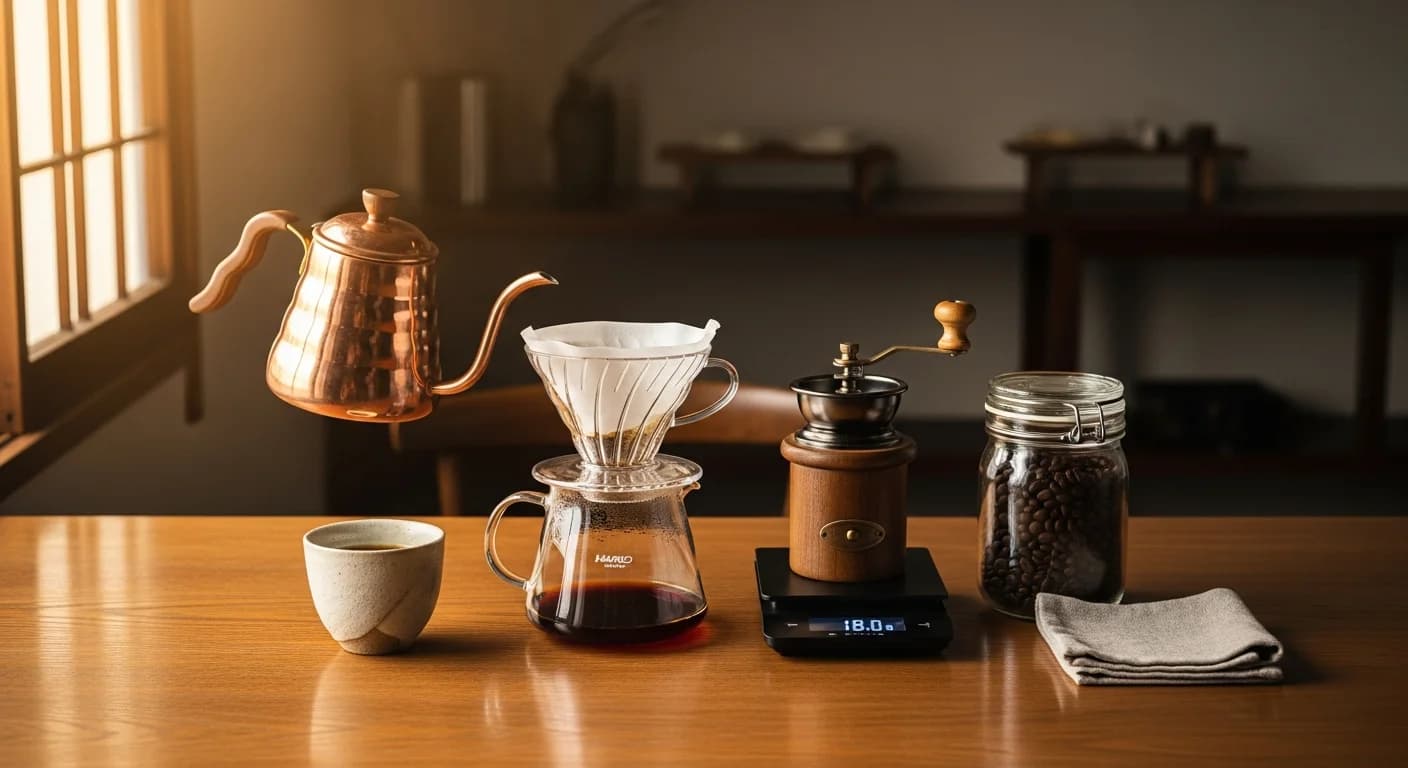
Jamaica Blue Mountain deserves a brewing method that preserves its delicate mildness:
- Method: Pour-over or drip (avoid espresso — it overwhelms the subtlety)
- Temperature: 88–90°C (lower temperature preserves delicate floral notes)
- Grind: Medium
- Ratio: 1:14 to 1:15 (slightly higher coffee ratio to capture full flavor)
Drink Jamaica Blue Mountain black, without milk or sugar. The defining characteristic of this coffee is its mildness and balance — adding anything will mask precisely what you're paying for.
Summary
Jamaica Blue Mountain is a legitimately unique coffee with a well-earned reputation, even if its price reflects scarcity and brand prestige as much as pure cup quality.
Key takeaways:
- JACRA certification strictly controls quality — only coffee above 910m in specific parishes qualifies
- Japan's 80% import share creates artificial scarcity that drives up global prices
- The flavor profile is exceptional for its mildness, balance, and clean finish — not for complexity
- Brew at 88–90°C with pour-over and drink black to experience what makes it distinctive
Related Articles
- Anaerobic Fermentation Coffee: What It Is & Why It Tastes So Different
- Coffee Flavor Wheel Guide: How to Taste and Describe Coffee Like a Pro
- Costa Rica Coffee Beans: Honey Process, Tarrazu & Flavor Guide
- Geisha Coffee: Why It Costs So Much & What Makes It Extraordinary
- Guatemala Coffee Beans: Antigua, Huehuetenango & Flavor Guide
About the AuthorExpert Reviewed
Coffee Guide Editorial
A team of certified writers and baristas with hands-on experience at origin farms and roasteries. We deliver practical, experience-backed guides on bean selection, brewing methods, and equipment reviews.
Credentials & Experience
- J.C.Q.A. Certified Coffee Instructor
- SCA Certified Barista
- 5+ years running a specialty roasting café
- 200+ coffee beans tasted annually