5 Best Low-Acid Coffee Beans: Stomach-Friendly Options for Sensitive Drinkers
PRThis article contains affiliate links
Key Takeaways
- Dark roasting breaks down chlorogenic acids in coffee, reducing acidity and stomach irritation — French roast and darker are the most stomach-friendly by roast level
- Mandheling (Sumatra/Indonesia) is inherently low-acid due to the region's terroir and Wet-Hulled processing, making it the best origin for acid-sensitive coffee drinkers
- Brewing adjustments (lower temperature, coarser grind, cold brew) can reduce acid extraction by up to 67% compared to standard hot brewing
Coffee's bright acidity is a feature that specialty enthusiasts celebrate. But for people with sensitive stomachs, acid reflux, or simply a preference for smoother coffee, that same acidity is a reason to avoid the drink entirely.
The good news: there are genuine low-acid coffee options that don't require sacrificing flavor.
Why Coffee Causes Stomach Issues
Coffee stimulates gastric acid secretion through two mechanisms:
- Chlorogenic acids: Organic acids naturally present in coffee that trigger stomach acid production
- Caffeine: Relaxes the lower esophageal sphincter, allowing stomach acid to reflux
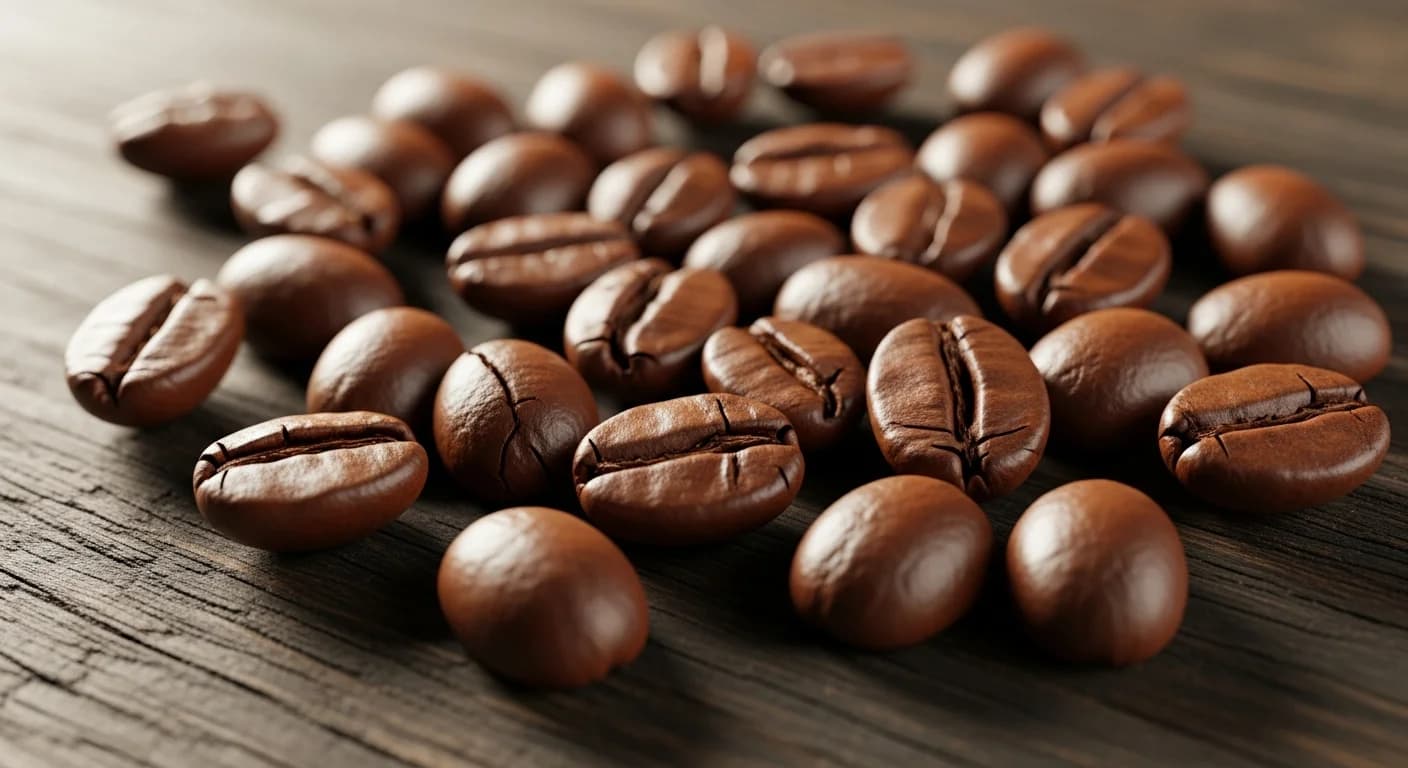
Dark roasting breaks down chlorogenic acids through heat, reducing their concentration significantly. This is why dark roast is consistently more stomach-friendly than light roast, despite its more intense flavor.
Acid Reduction by Approach
| Method | Mechanism | Acid Reduction |
|---|---|---|
| Dark roasting | Chlorogenic acid breakdown via heat | Significant |
| Low-acid origins (Mandheling) | Lower inherent acid content | Inherent |
| Decaffeination | Removes caffeine (one of two irritants) | Partial |
| Cold brew | Low temperature reduces acid extraction | Up to 67% vs hot brew |
A common confusion: coffee's pH (approximately 5–6, mildly acidic) and its stomach irritation potential are related but not identical. The same pH coffee can cause very different levels of irritation depending on which specific acids are present. Chlorogenic acid and caffeine are the primary irritants; reducing these — not just targeting pH — is the key to stomach-friendly coffee.
5 Recommended Low-Acid Coffee Beans
1. Parrot Coffee Mandheling Mitra Dark Roast
Mandheling from Indonesia is known for its low acidity and heavy, earthy body. This one is a French roast, and the seller describes it as strongly bitter with no noticeable acidity.
2. Kuro no Aoyama Coffee Dark Roast Blend
A city roast blend. The seller describes it as balanced across aroma, acidity and bitterness, so it is not acid-free, but its acidity is milder than a light roast's.
3. Night de Cafe Dark Roast Decaf
A dark-roast decaf with low acidity. The caffeine is removed with a water process, and the beans are a Brazil and Guatemala blend. Removing caffeine eliminates one of the two stomach irritants, and the dark roast keeps the acidity down.
4. Charcoal-Roasted French Roast
A blend of Brazilian, Colombian and Mandheling beans, roasted over charcoal to a French roast. Mandheling and Brazil are both low-acid origins. The seller describes it as an easy-drinking dark roast. The 300g pack comes as two 150g bags, about 30 cups.
5. Maruyama Coffee Blend (Dark Roast)
Maruyama Coffee's standard dark roast blend. The seller's taste chart rates it strong in bitterness and low in acidity, with a dark chocolate-like flavor.
Low-Acid Brewing Tips
Lower Your Water Temperature
| Brew Temperature | Acid Extraction |
|---|---|
| 95°C | Maximum acid extraction |
| 90°C | Moderate reduction |
| 85°C | Significant reduction |
| Cold brew (room temp) | Minimum acid extraction |
Dropping from 95°C to 85°C reduces acid extraction while preserving body and sweetness.
Try Cold Brew
Cold brew (steep in cold water 12–16 hours in the refrigerator) is the most effective brewing method for low-acid coffee. Research has shown cold brew can have up to 67% less acid than equivalent hot-brewed coffee.
Drink After Meals
Drinking coffee on an empty stomach increases acid's irritating effect. The same coffee taken after a meal with food in your stomach causes significantly less discomfort.
If you want to test whether roast level or origin makes more difference for your stomach, try this: brew a medium roast Ethiopia and a dark roast Mandheling side-by-side at the same temperature. The difference in how they feel on your stomach (as well as taste) will tell you whether roast or origin has more impact for you personally — and guide future purchases.
Summary
Low-acid coffee is achievable through origin selection, roast level, decaffeination, and brewing adjustments.
Key takeaways:
- Mandheling (Indonesia/Sumatra) is the best low-acid origin by terroir
- Dark roast breaks down chlorogenic acids — go French roast or darker for maximum acid reduction
- Decaf removes caffeine (one of two main stomach irritants) for additional stomach comfort
- Cold brew reduces acid extraction by up to 67% — the brewing method with the lowest acid impact
Related Articles
- 5 Best Strong, Bold Coffee Beans: Dark Roast Guide for Intensity Seekers
- Best Coffee Beans to Buy Online | A Beginner's Guide with Top Picks
- Coffee Bean Origins: A Ranked Guide to Finding Your Favorite
- 5 Best Coffee Bean Subscriptions: Fresh Roasts Delivered Automatically
- 6 Best Decaf Coffee Beans: Specialty-Grade Caffeine-Free Options
About the AuthorExpert Reviewed

Coffee Guide Editorial
A team of certified writers and baristas with hands-on experience at origin farms and roasteries. We deliver practical, experience-backed guides on bean selection, brewing methods, and equipment reviews.
Credentials & Experience
- J.C.Q.A. Certified Coffee Instructor
- SCA Certified Barista
- 5+ years running a specialty roasting café
- 200+ coffee beans tasted annually