The Fourth Wave of Coffee — What Comes After Specialty?
PRThis article contains affiliate links
Key Takeaways
- The fourth wave refers to a new phase integrating precision science, data-driven quality, and deep sustainability into coffee culture
- Key characteristics include data-logged roasting, extraction measurement tools, AI applications, and climate change response
- The concept is still forming — many in the industry debate whether it constitutes a distinct wave or is simply the maturation of the third wave
The specialty coffee movement — the third wave — transformed coffee from commodity to craft. Origin mattered. Roasting lightened. Brewing became precise. The barista became a professional with serious skills.
But where does it go from here? The conversation about a fourth wave of coffee is underway, though what exactly it means remains contested. This guide surveys what different voices mean by it and what trends are shaping coffee's next chapter.
The Three Waves: Quick Summary
First wave: Mass production, commodity coffee — instant, canned, cheap. Convenience over quality.
Second wave: Starbucks and branded café culture — espresso drinks as lifestyle. Coffee as experience and status.
Third wave (2000s–present): Specialty coffee — origin, transparency, light roasting, precision extraction. Coffee treated as a food with inherent quality worth understanding.
What People Mean by the Fourth Wave
The term lacks a single agreed definition. But several recurring themes appear in fourth-wave discussions.
1. Science and Precision as Core Values
The third wave brought sensory sophistication. The fourth wave brings measurement and research:
- Data-logged roasting: Software like Cropster and Artisan records every roast as a replicable data set, enabling precise control and systematic improvement
- Extraction measurement: TDS meters, refractometers, and extraction yield calculations move quality control from taste alone to measurable parameters
- Research partnerships: Collaborations between academia and the coffee industry (water chemistry research, roast chemistry, varietal genetics)
2. Technology Integration
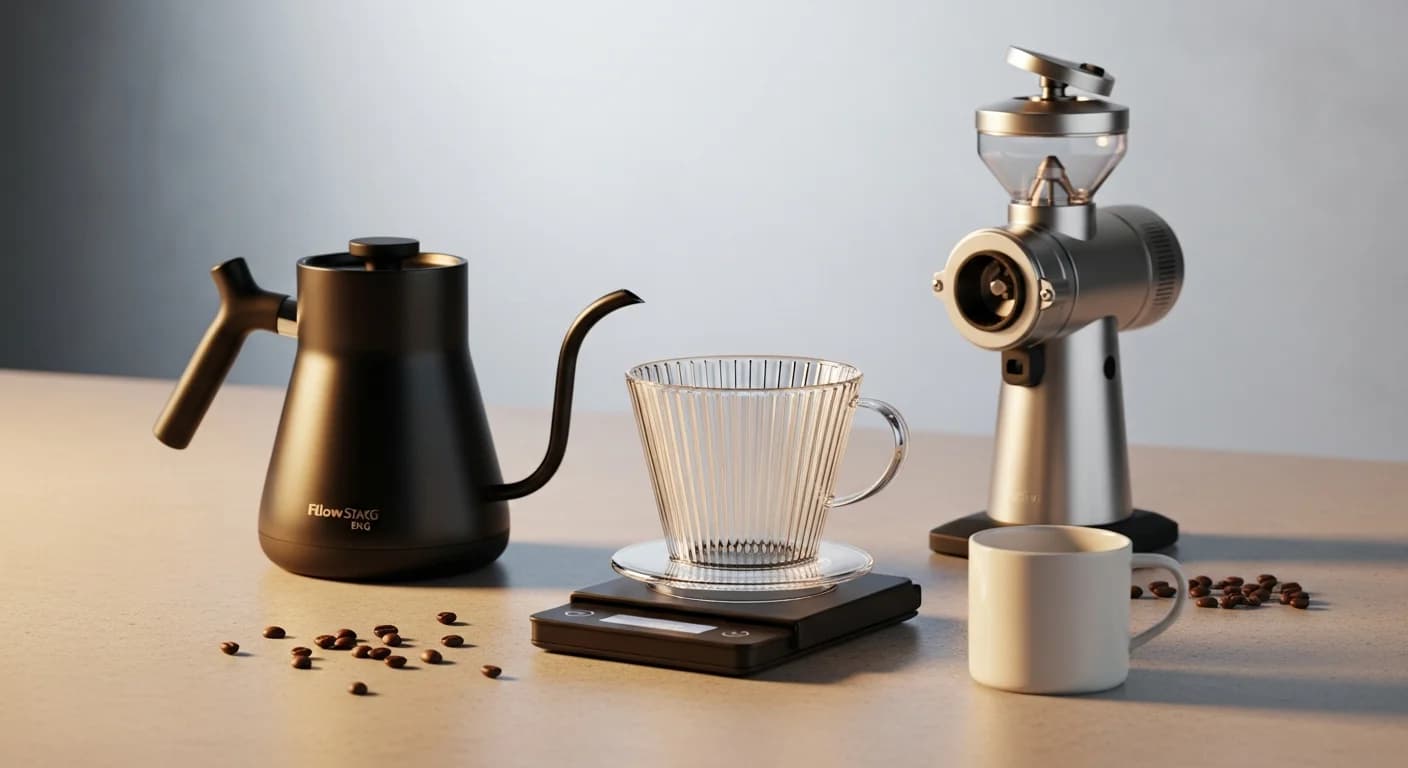
- Precision grinding: High-specification grinders like the EG-1 and Comandante C40 enable consistent particle size distribution that was previously unattainable
- Programmable espresso: Machines like the Decent Espresso Machine allow millisecond-level control over pressure, temperature, and flow rate during extraction
- AI applications: Machine learning approaches to roast profile optimization and green coffee quality prediction are in early deployment
3. Deeper Sustainability Commitment
The third wave acknowledged sustainability. The fourth wave makes it existential:
- Climate change response: Coffee's growing regions are shrinking northward and to higher altitudes; new cultivar development and adaptation are industry priorities
- Supply chain equity: Direct trade evolving toward greater price transparency and producer financial security
- Zero-waste operations: Coffee grounds repurposing, packaging elimination, carbon accounting
Where the Term Comes From
"Fourth wave" began appearing in specialty coffee media — particularly Sprudge — around 2018. It catalyzed debate but no consensus. Many working professionals consider the third wave still formative and resist the periodization. The concept is useful as a directional indicator rather than a historical marker.
4. The Empowered Home Consumer
- Home barista culture has grown substantially: espresso machines, precision grinders, scales, and temperature-controlled kettles in domestic kitchens
- Online coffee communities (YouTube, Reddit's r/coffee, Discord servers) distribute advanced knowledge at scale
- Consumers arrive at cafés with sophisticated expectations formed at home
5. Coffee and Wellness
- Functional additions to coffee (collagen, MCT oil, adaptogens)
- Low-acid coffee development for digestive sensitivity
- Performance-oriented coffee timing strategies based on neuroscience
The Fourth Wave Debate
Not everyone accepts the framing.
"The third wave isn't over": Specialty coffee's values — transparency, quality, producer relationships — are still working their way into mainstream café culture globally. Declaring a fourth wave may be premature.
"The technology risks losing the human": Precision measurement culture can produce excellent coffee while losing the social and sensory dimensions that make specialty coffee compelling to most people.
"Elitism problem": High-specification equipment, complex vocabulary, and measurable parameters create barriers to entry that can make coffee inaccessible.
"Coffee is too diverse for one narrative": The third-wave story worked because it had a clear alternative to push against. The current landscape is too fragmented for a single next-wave story to hold.
What to Watch
Regardless of whether "fourth wave" is the right label, certain trends are clear:
- Precision brewing tools will continue to improve and become more accessible
- Climate change will reshape which origins are viable and what varietals dominate
- Producer economics will receive more scrutiny as traceability increases
- Home barista culture will continue to grow and feed back into café culture
Engaging with Fourth-Wave Sensibility
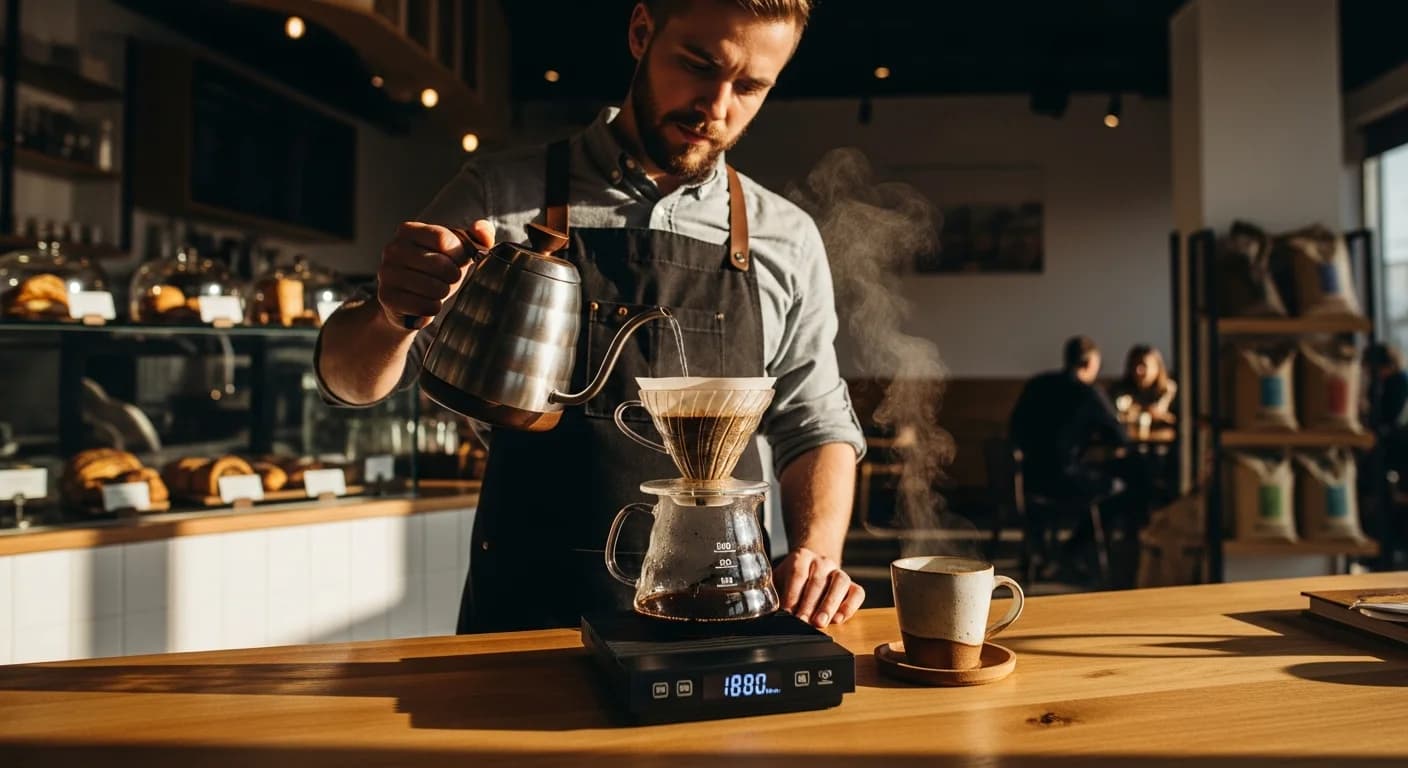
To explore these ideas practically: start measuring. A simple TDS meter and coffee scale introduce the measurement mindset. Tracking extraction yield across different brews makes quality differences visible and reproducible rather than mysterious. That shift — from felt experience to documented process — is the fourth wave in miniature.
Summary
The fourth wave describes coffee culture in the process of becoming more scientific, more sustainable, and more consumer-sophisticated.
- Precision and science: Data-logged roasting, extraction measurement, research partnerships
- Technology: Programmable machines, high-specification grinders, AI applications
- Deep sustainability: Climate adaptation, producer equity, waste reduction
- Advanced home consumers: The democratization of previously professional knowledge
Whether the fourth wave is a real wave or just the continued evolution of the third, the direction of travel is clear: coffee is becoming more measurable, more responsible, and more globally complex — and the coffee drinkers who engage with it are becoming more knowledgeable than any previous generation.
Related Articles
- Coffee Omakase — Japan's Tasting Menu Format for Specialty Coffee
- Fukuoka Coffee Guide — Specialty Cafés, Roasters, and Kissaten
- Australian Coffee Culture — The Flat White and Melbourne's World-Class Café Scene
- Barista World Championships — WBC, WLAC, WBrC and Japanese Competitors
- The Coffee 2050 Problem — Climate Change Impact on Coffee Cultivation
About the AuthorExpert Reviewed

Coffee Guide Editorial
A team of certified writers and baristas with hands-on experience at origin farms and roasteries. We deliver practical, experience-backed guides on bean selection, brewing methods, and equipment reviews.
Credentials & Experience
- J.C.Q.A. Certified Coffee Instructor
- SCA Certified Barista
- 5+ years running a specialty roasting café
- 200+ coffee beans tasted annually