4 Best Fruity Light Roast Coffee Beans: Bright, Flavorful Picks
PRThis article contains affiliate links
Key Takeaways
- Fruity coffee flavor comes from the combination of Ethiopian origin genetics, natural or anaerobic processing, and light roasting that preserves fruit-derived aromatic compounds
- Ethiopia's Yirgacheffe and Guji regions produce the world's most recognizably fruity coffees — strawberry, blueberry, jasmine, and tropical fruit are authentic descriptor notes for these origins
- Light roast coffee (light to cinnamon roast) brewed at 93–95°C with pour-over delivers the most vivid fruit expression from quality beans
If you've never tried light roast Ethiopian coffee, you may not believe what coffee is capable of. Strawberry, blueberry, jasmine, passionfruit — these aren't marketing exaggerations. They are authentic descriptions of what certain coffees taste like when the beans are grown in the right place, processed correctly, and roasted lightly.
Here are four recommended fruity light roast coffees that deliver on that promise.
Why Some Coffees Taste Like Fruit
Coffee's fruity flavors aren't added. They emerge from three factors:
1. Origin and Genetics
Ethiopia is the genetic homeland of Arabica coffee and contains more botanical diversity than any other origin. Ethiopian coffees — particularly from Yirgacheffe, Guji, and Sidama — contain aromatic compounds like linalool and geraniol that produce jasmine, strawberry, and citrus notes. These compounds are genetically encoded in the variety.
2. Processing Method
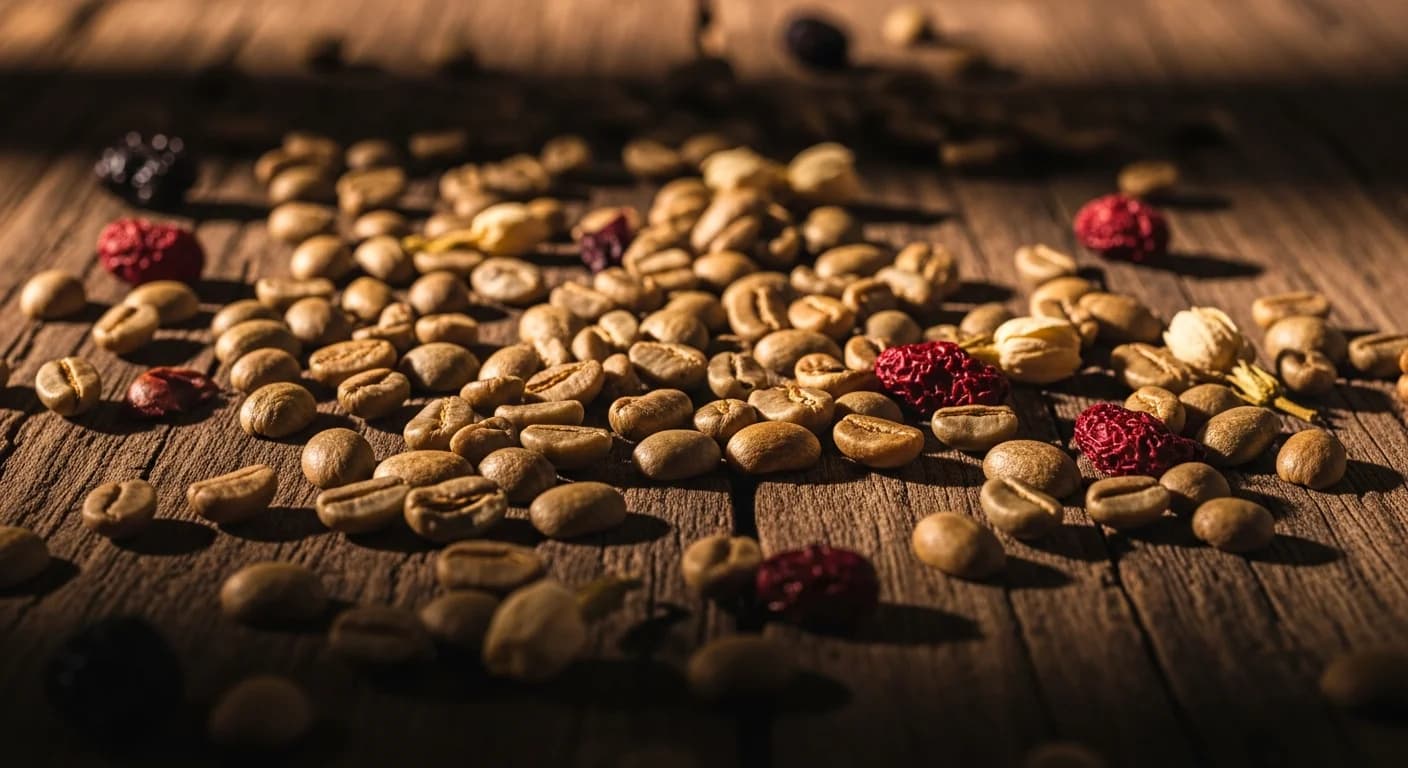
Natural (dry) processing leaves the coffee cherry's fruit intact during drying. As the fruit ferments and desiccates, fruit sugars migrate into the bean. Natural-processed coffees are consistently more fruit-forward than washed-processed coffees from the same origin.
3. Light Roasting
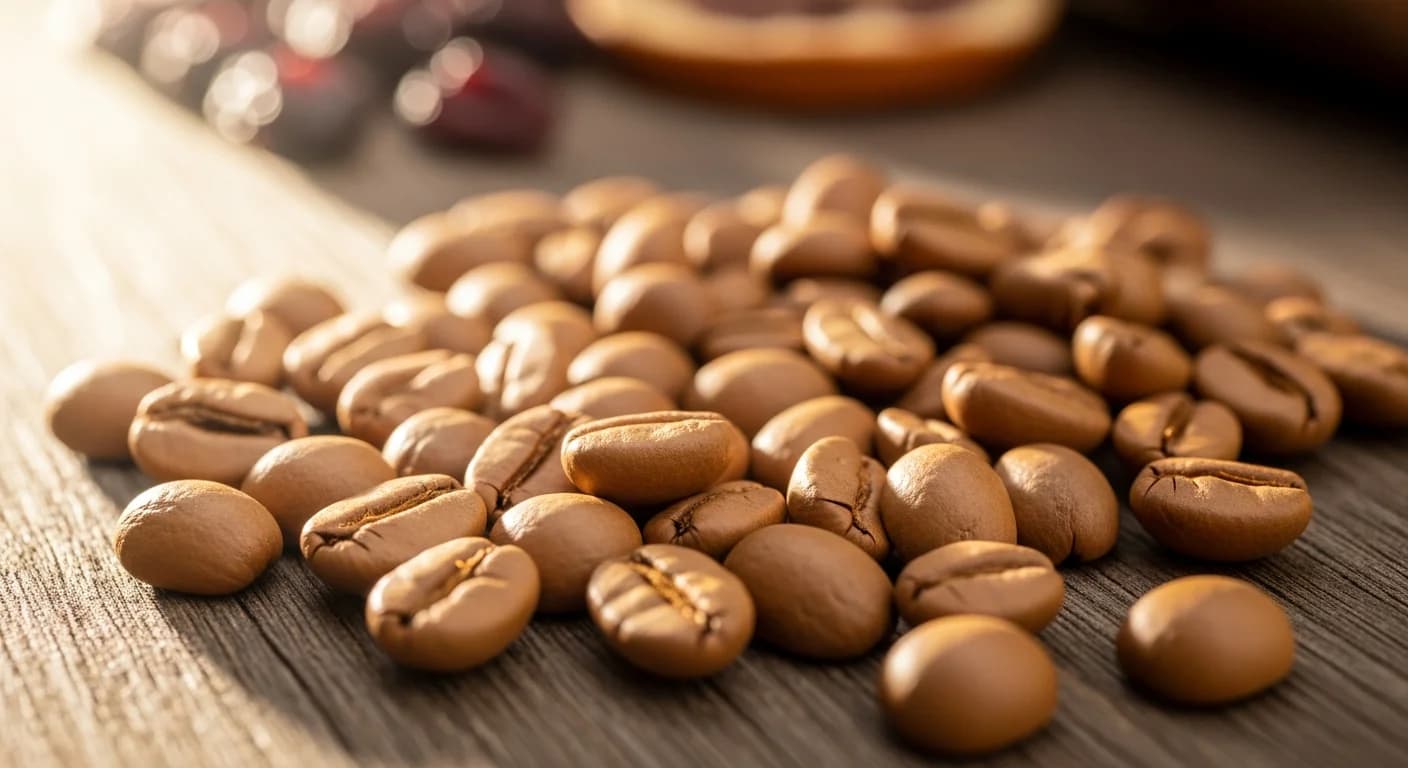
At light roast levels, fruit-derived aromatic compounds are preserved. As roasting progresses to medium-dark and dark, these volatile compounds break down and transform into chocolate, caramel, and smoke notes. Light roasting is the only way to preserve the fruity origin character in the cup.
Over 200 distinct aromatic compounds have been identified in coffee. Ethiopian coffees uniquely contain elevated levels of linalool (also found in lavender and coriander) and geraniol (also in rose and geranium) that directly contribute to the jasmine and floral-fruit notes. These are present in the raw bean before roasting — light roasting preserves them, dark roasting destroys them.
4 Recommended Fruity Light Roast Coffee Beans
1. Hiro Coffee Organic Mocha Yirgacheffe
Organically grown Yirgacheffe from Ethiopia, light roasted by a specialty roaster. It has a soft, citrus-like aroma and a caramel-like sweetness. It arrives as whole beans, so you can grind it fresh.
2. NOBLE TREE COFFEE Ethiopia Guji Natural
Natural processed Guji — more intense and wine-like than Yirgacheffe washed. Ripe tropical fruit, fermented sweetness, heavier body. If Yirgacheffe washed is "clear bright fruit," Guji natural is "dense, concentrated fruit." For those who want the full natural process experience.
3. Kakashi Coffee Sidamo G1 Light Roast
Ethiopia Sidamo G1 at a more accessible price point. It has a bright, strawberry-like aroma and a sweet-tart finish. It is roasted after you order, and you can choose medium grind or whole beans — a good daily-driver fruity specialty.
4. Hiro Coffee Mellow Blend
Fruity blend with gentle, approachable acidity — ideal for people who are curious about light roast but find pure Ethiopian single-origin too intense. A stepping stone that delivers fruit character without the full brightness of a pure Ethiopian.
How to Brew Fruity Light Roast Coffee
Light roast requires different brewing parameters than dark roast:
Pour-Over (Best Method)
- Temperature: 93–95°C — higher than you might expect
- Light roast needs higher temperature because the more dense, less porous bean structure requires more heat for proper extraction
- Lower temperatures under-extract light roast, creating flat, sour cups
- Grind size: Medium-fine
- Extended bloom: 45 seconds with 2–3x coffee weight in water
- Extraction time: 3:00–3:30 minutes
Drink It Black
Milk masks light roast's defining fruit character. Drink black to experience the full fruit expression. As the cup cools from 70°C to 50°C, different flavor compounds emerge — light roast coffee rewards patient, attentive drinking.
Light roast coffee is particularly beautiful as an afternoon iced coffee. Brew double-strength over ice (1:8 ratio instead of 1:15), and the fruit notes become even more vivid and refreshing when cold. This is completely different from the iced dark roast coffee you may be familiar with — it's closer to a cold-brew fruit tea.
Who Will Love Fruity Light Roast
You'll love it if you:
- Enjoy herbal tea, fruit tea, or sparkling water with natural flavors
- Like wine or fruity craft beverages
- Drink coffee black and appreciate nuance
- Are excited by the idea of coffee tasting completely different than expected
Try a blend first if you:
- Are used to dark roast or instant coffee
- Drink coffee with milk or sugar
- Find "sour" coffee unpleasant (light roast done right isn't sour, but poorly made light roast can be)
Summary
Fruity light roast coffee represents specialty coffee's most distinctive and surprising expression.
Key takeaways:
- Ethiopia (Yirgacheffe, Guji, Sidama) produces the world's most recognizably fruity coffee through unique genetics
- Natural processing concentrates fruit sugars and fermentation complexity; washed processing gives cleaner fruit clarity
- Light roast preserves the aromatic compounds that create fruit flavors; dark roasting destroys them
- Brew at 93–95°C with pour-over and drink black for maximum fruity expression
Related Articles
- 7 Best Specialty Coffee Beans to Buy Online: Quality & Origin Guide
- Ethiopia Coffee Beans: Origins, Flavor Profiles & How to Choose
- Best Coffee Beans to Buy Online | A Beginner's Guide with Top Picks
- Coffee Bean Origins: A Ranked Guide to Finding Your Favorite
- 5 Best Coffee Bean Subscriptions: Fresh Roasts Delivered Automatically
About the AuthorExpert Reviewed

Coffee Guide Editorial
A team of certified writers and baristas with hands-on experience at origin farms and roasteries. We deliver practical, experience-backed guides on bean selection, brewing methods, and equipment reviews.
Credentials & Experience
- J.C.Q.A. Certified Coffee Instructor
- SCA Certified Barista
- 5+ years running a specialty roasting café
- 200+ coffee beans tasted annually