Italian Espresso Culture — Bar Culture and Drinking Etiquette
PRThis article contains affiliate links
Key Takeaways
- The Italian bar is a community social space where espresso is drunk standing at the counter in minutes
- Coffee timing is governed by convention — cappuccino is for morning, espresso follows every meal
- Italy's bar culture is the direct origin of the global café movement and the espresso-based drinks the world now drinks
Italy has shaped the way most of the world drinks coffee. Espresso, cappuccino, the macchiato, latte art, the barista as a professional — all of these originate in Italian bar culture. But the way Italians themselves drink coffee differs from what the global café industry has made of their traditions.
This guide explains Italian coffee culture from the inside: how the bar works, what to order when, the unwritten rules, and why this culture matters so much to the wider coffee world.
The Italian Bar: More Than a Coffee Shop
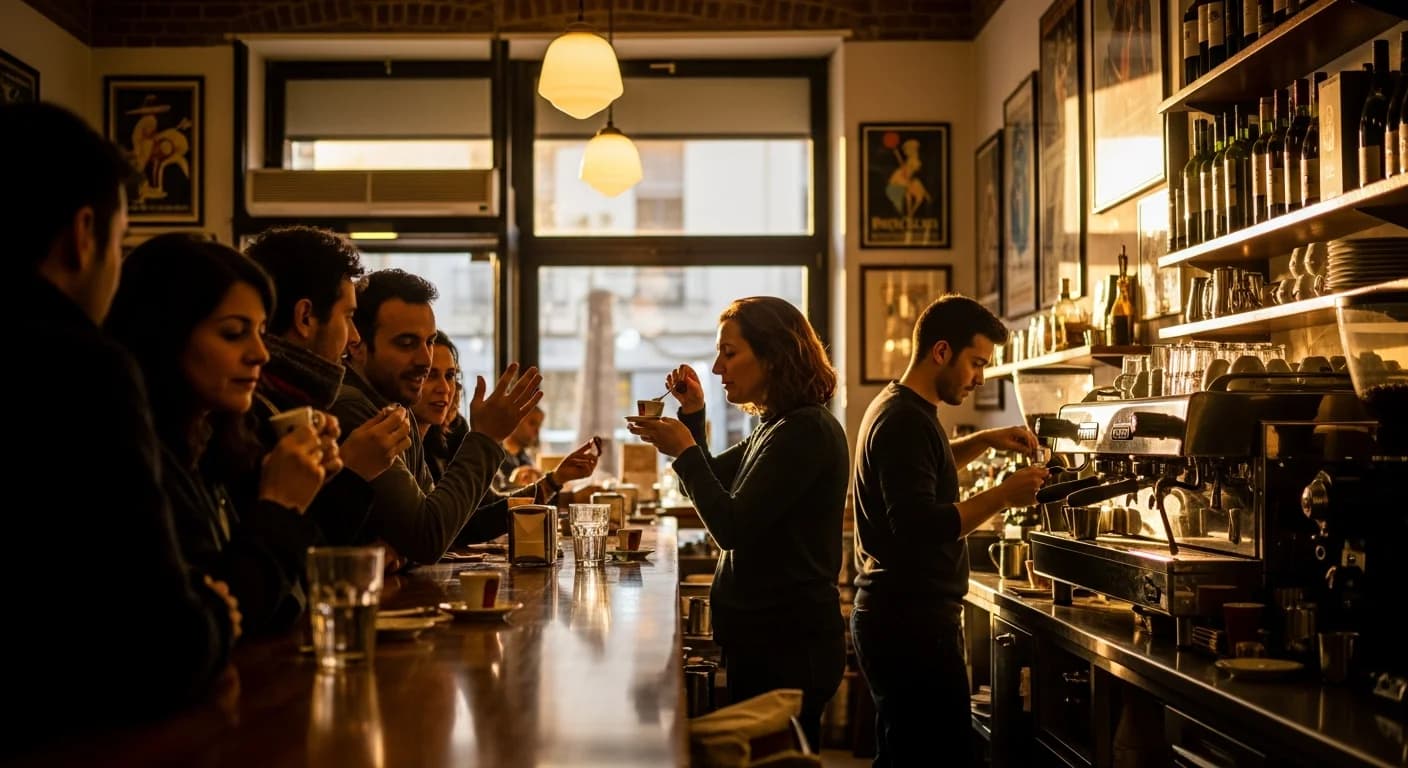
In Italian, "bar" does not mean a drinking establishment in the British or American sense. An Italian bar is open from early morning through late evening and serves coffee, pastries, sandwiches, soft drinks, and alcoholic beverages across the day. It is the daily social anchor of the neighborhood — a place to start the morning, mark a break, meet a friend, or simply stand still for five minutes.
Italian coffee culture is a culture of the counter. Most Italians drink their morning espresso standing, exchange a few words with the barista, and leave in under three minutes. This speed and casualness are entirely intentional.
The Two-Price System
Most Italian bars charge different prices depending on where you drink. At the counter (al banco) — the standing position — prices are lower. At a table (al tavolo) — seated, with table service — prices are higher, sometimes significantly so in tourist areas. Drinking at the counter is the Italian default, costs less, and is more authentically local.
The Italian Coffee Menu
Espresso (Caffè)
Italians almost never say "espresso." They say Caffè. Asking for un caffè brings a small, 25–30ml shot with crema. It is concentrated, slightly bitter, and typically sweetened with sugar.
The correct way to order at a bar counter: say caffè clearly, pay at the register first (in bars where a scontrino/receipt system is used), hand over your receipt to the barista, and drink standing.
Cappuccino
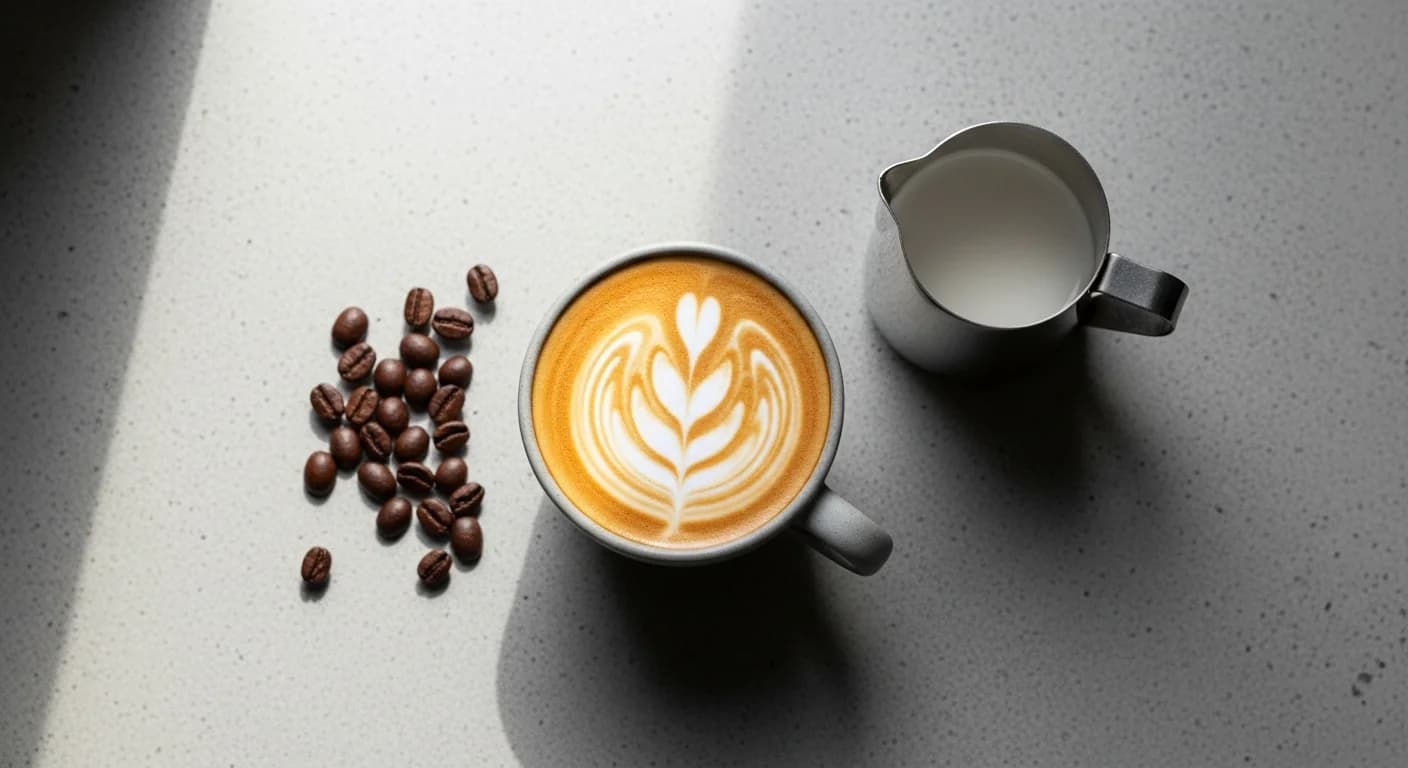
The most iconic Italian coffee drink — espresso, steamed milk, and foamed milk in roughly equal thirds.
The Cappuccino Time Rule
This is perhaps the most frequently discussed rule in Italian coffee culture: cappuccino is a morning drink, consumed before noon and typically at breakfast. Ordering a cappuccino after lunch or dinner will not get you refused — Italians are too polite for that — but it will often produce a raised eyebrow or a gentle question. The logic is that milk-heavy drinks are considered to interfere with digestion after a meal. Espresso after eating is essentially mandatory.
Other Core Drinks
| Name | Description |
|---|---|
| Caffè macchiato | Espresso with a small dollop of foamed milk |
| Caffè lungo | Espresso pulled with more water — milder and larger |
| Caffè ristretto | Espresso pulled with less water — more concentrated than standard |
| Caffè corretto | Espresso "corrected" with a splash of grappa or sambuca |
| Marocchino | Small layered drink of espresso, cocoa, and foamed milk |
The Time-of-Day Coffee Code
Italian coffee consumption follows informal but deeply embedded timing conventions:
Morning (7–10am): Cappuccino or caffè with cornetto (croissant) — the Italian breakfast. Most Italians eat nothing substantial at breakfast.
Mid-morning (10am–noon): Cappuccino becoming unusual; espresso increasingly appropriate.
After lunch (1–2pm): A single espresso is essentially mandatory. Milk-based drinks are widely considered inappropriate.
Afternoon and evening: Espresso only. A caffè corretto may appear after dinner.
Drinking Espresso the Italian Way
Speed: An espresso is drunk in a few sips, not savored over fifteen minutes. The bar is busy; nobody lingers over their coffee.
Sugar: Many Italians add one or two teaspoons of sugar, stir briefly, and drink. This is not considered odd — it is the default. Drinking it unsweetened is also perfectly acceptable.
Water: Many bars bring a small glass of water with espresso. Drink it first to clear your palate — this is the customary purpose.
Crema: The reddish-golden foam on a properly extracted espresso is called crema. Its presence, thickness, and consistency signal fresh beans and good extraction technique. Thick, fine-bubbled crema indicates quality.
Finding the Local Bar
On any Italian street, there is typically a bar frequented primarily by tourists (on the main piazza, expensive, adequate coffee) and a bar frequented by locals (slightly hidden, cheap counter price, often excellent coffee). The local bar is easy to spot: look for where workers gather at 7am.
Italy's Legacy for World Coffee
Howard Schultz's founding vision for Starbucks came directly from his 1983 trip to Milan, where he observed the social energy of Italian espresso bars and decided to bring the model to America. That observation changed global coffee culture permanently.
The espresso machine itself is an Italian invention — from Luigi Bezzera's 1901 patent through the modern pump-driven machines that every specialty café now uses. The profession of barista, latte art as a discipline, and the menu language of the global café industry (macchiato, lungo, ristretto) all originate in Italian bar culture.
Summary
Italian coffee culture is built on simplicity, speed, sociality, and quality.
- The bar is a community space: Standing at the counter for a quick espresso is the authentic Italian experience
- Timing matters: Cappuccino before noon; espresso always after meals
- Counter service is cheaper and more local: Skip the tourist table
- Italy gave the world the espresso bar: Everything from Starbucks to third-wave specialty roasters stands on this foundation
Order a caffè at a bar counter on your next Italian visit, add a little sugar, drink it in three sips, and enjoy the brief perfect moment of Italian daily life.
Related Articles
- Ethiopian Coffee Ceremony — Traditional Ritual in the Birthplace of Coffee
- World Coffee Culture Guide — Ethiopia, Italy, Japan, Nordic Countries, and Turkey
- Australian Coffee Culture — The Flat White and Melbourne's World-Class Café Scene
- Barista World Championships — WBC, WLAC, WBrC and Japanese Competitors
- The Coffee 2050 Problem — Climate Change Impact on Coffee Cultivation
About the AuthorExpert Reviewed
Coffee Guide Editorial
A team of certified writers and baristas with hands-on experience at origin farms and roasteries. We deliver practical, experience-backed guides on bean selection, brewing methods, and equipment reviews.
Credentials & Experience
- J.C.Q.A. Certified Coffee Instructor
- SCA Certified Barista
- 5+ years running a specialty roasting café
- 200+ coffee beans tasted annually