Barista-Recommended Coffee Grinders: Complete Guide with Top 3 Picks
PRThis article contains affiliate links
Key Takeaways
- Grind uniformity is the most important performance metric for any grinder
- Manual grinders are quiet and affordable; electric grinders prioritize speed and convenience
- Choose based on your primary brewing method and daily routine
If you want to improve your coffee without changing your beans or brewing method, upgrading your grinder is the most impactful investment you can make. The difference between pre-ground coffee and freshly ground is significant, and the quality of the grinder you use shapes that difference even further.
This guide covers what professional baristas actually look for when selecting a grinder, explains the key distinctions between manual and electric options, and presents three models worth considering for home use in 2026.
What Baristas Prioritize in a Grinder
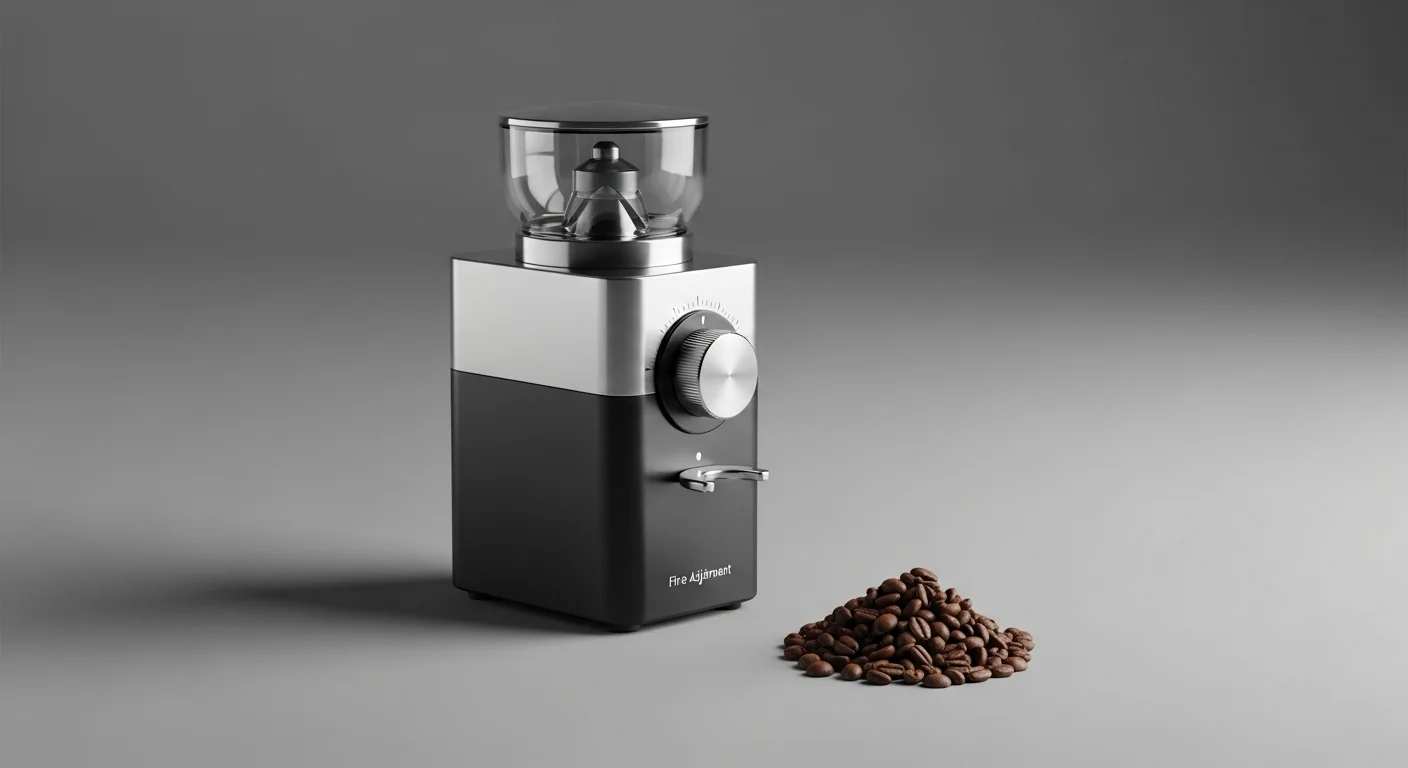
The first thing any professional barista evaluates in a grinder is grind uniformity — how consistently the burrs produce particles of the same size. When grind size is uniform, water passes through the coffee bed evenly and extraction is predictable. When grind size varies widely, fine particles over-extract (producing bitterness) and coarse particles under-extract (producing sourness and weakness) at the same time, resulting in a muddy, imbalanced cup.
After uniformity, the next priority is adjustment range and precision. A grinder needs to move meaningfully between coarse (for French press or cold brew), medium (for pour-over), and fine (for espresso), with enough steps in between to make meaningful adjustments.
For daily home use, additional factors like noise level, ease of cleaning, and long-term durability also matter significantly.
A simple way to test grind uniformity at home is to run your ground coffee through two nested sieves of different mesh sizes. The goal is to have most of the grounds fall into the middle mesh — minimal large chunks and minimal fine powder (called fines). A good grinder produces a tight, centered particle distribution.
Manual vs Electric Grinders: How They Compare
Coffee grinders fall into two main categories: hand grinders (manual) and electric grinders.
| Factor | Manual Grinder | Electric Grinder |
|---|---|---|
| Price range | ¥3,000–¥20,000 | ¥5,000–¥100,000+ |
| Grind uniformity | Medium to high | Medium to very high |
| Speed | 1–3 min per cup | 10–30 seconds |
| Noise | Nearly silent | Motor noise present |
| Portability | Excellent | Not ideal |
| Maintenance | Simple | More involved |
Manual grinders generate less heat during grinding, which can help preserve the more volatile aromatics in fresh coffee. Electric grinders shine when you need speed and convenience, especially if you regularly brew multiple cups.
Three Barista-Recommended Models
1. TIMEMORE C2 (Manual, Entry to Intermediate)
The TIMEMORE C2 delivers exceptional value at its price point. The stainless steel burrs produce uniformity that competes with grinders costing significantly more. With 36 adjustment steps, it handles everything from pour-over to AeroPress well. Among baristas, the C2 is frequently cited as the ideal first grinder for someone serious about improving their home brewing without a large investment.
2. De'Longhi Burr Grinder KG79J (Electric, Entry to Intermediate)
The KG79J grinds between upper and lower burrs (De'Longhi calls this the usu type, not conical) rather than with a propeller blade, which produces significantly more uniform grounds and generates less heat. A grind dial adjusts from fine to coarse, covering espresso through French press. De'Longhi's build quality and after-sales support make this a reliable choice for daily use. For someone who wants an electric grinder without spending heavily and values a recognizable brand, the KG79J is a sensible pick.
3. Porlex Coffee Mill 2 Mini (Manual, Compact and Portable)
Porlex is a Japanese brand that uses ceramic burrs rather than metal, which eliminates any risk of metallic off-flavors transferring to the coffee. The Mini model measures 5cm across and 13.5cm tall and is light enough to take hiking, camping, or on business trips. The burr assembly is fully removable and washable, which makes it easy to keep clean over time. If you want a portable grinder made to a high standard, or if you specifically want a Japanese-made product, the Porlex Mill 2 Mini is the clear recommendation.
A quick guide to choosing between these three: if you want an electric grinder for daily home brewing, go with the KG79J. If you want a manual grinder with excellent value, the TIMEMORE C2 is the best entry point. If portability or Japanese craftsmanship is a priority, the Porlex Coffee Mill 2 Mini is the right choice.
Burr Types and What They Mean
There are three main burr designs used in coffee grinders.
Conical burrs: Upper and lower cone-shaped burrs rotate at low speed, shearing the beans rather than crushing them. Produces uniform grinds with minimal heat. The most common type across home and professional grinders.
Flat burrs: Two parallel flat discs grind coffee between them. Can achieve very high uniformity, especially in professional models. More common in commercial equipment.
Blade (propeller) grinders: A spinning blade chops the beans. Produces highly inconsistent particle sizes and is generally not recommended for serious brewing. Found mainly in the lowest price tier.
For home use across pour-over, AeroPress, and espresso, conical burrs offer the best balance of uniformity, price, and ease of maintenance.
Maintenance and Longevity
Keeping your grinder clean is essential to preserving grind quality and flavor.
- Clean after every use with a brush: Leftover grounds oxidize and introduce stale, off flavors
- Weekly deep clean: Disassemble and remove compacted fines and oils from the burr area
- Check wash instructions: Ceramic burrs are often washable; metal burrs need to be dried thoroughly to prevent rust
- Never expose electric grinder motors to moisture: Wipe the body with a dry cloth only
With regular maintenance, a quality grinder will last anywhere from several years to over a decade.
Summary: Match the Grinder to Your Routine
Key takeaways for choosing a coffee grinder.
- Uniformity first: Consistent particle size is the foundation of good extraction
- Define your use case: Drip-only needs are different from needing espresso capability
- Manual or electric depends on your priorities: Noise, speed, and portability all point in different directions
- Factor in maintenance: A grinder you use every day needs to be easy to clean
Start with the model in this guide that best fits your situation. An investment in a quality grinder has a more immediate and lasting impact on your daily coffee than almost any other equipment upgrade.
Related Articles
- 10 Coffee Gear Picks for 2026: The Best New and Notable Home Brewing Equipment
- Breville Barista Express Review — BES870XL Honest Evaluation
- Burr Coffee Grinder Guide — Flat vs Conical Burrs and How to Choose
- Best Coffee Gear Ranking 2026 | Top 15 Picks for Beginners to Pros
- Manual vs Electric Coffee Grinder: How to Choose the Right One for You
About the AuthorExpert Reviewed

Coffee Guide Editorial
A team of certified writers and baristas with hands-on experience at origin farms and roasteries. We deliver practical, experience-backed guides on bean selection, brewing methods, and equipment reviews.
Credentials & Experience
- J.C.Q.A. Certified Coffee Instructor
- SCA Certified Barista
- 5+ years running a specialty roasting café
- 200+ coffee beans tasted annually