Coffee Maker Electricity Cost Comparison — Power Consumption by Type
PRThis article contains affiliate links
Key Takeaways
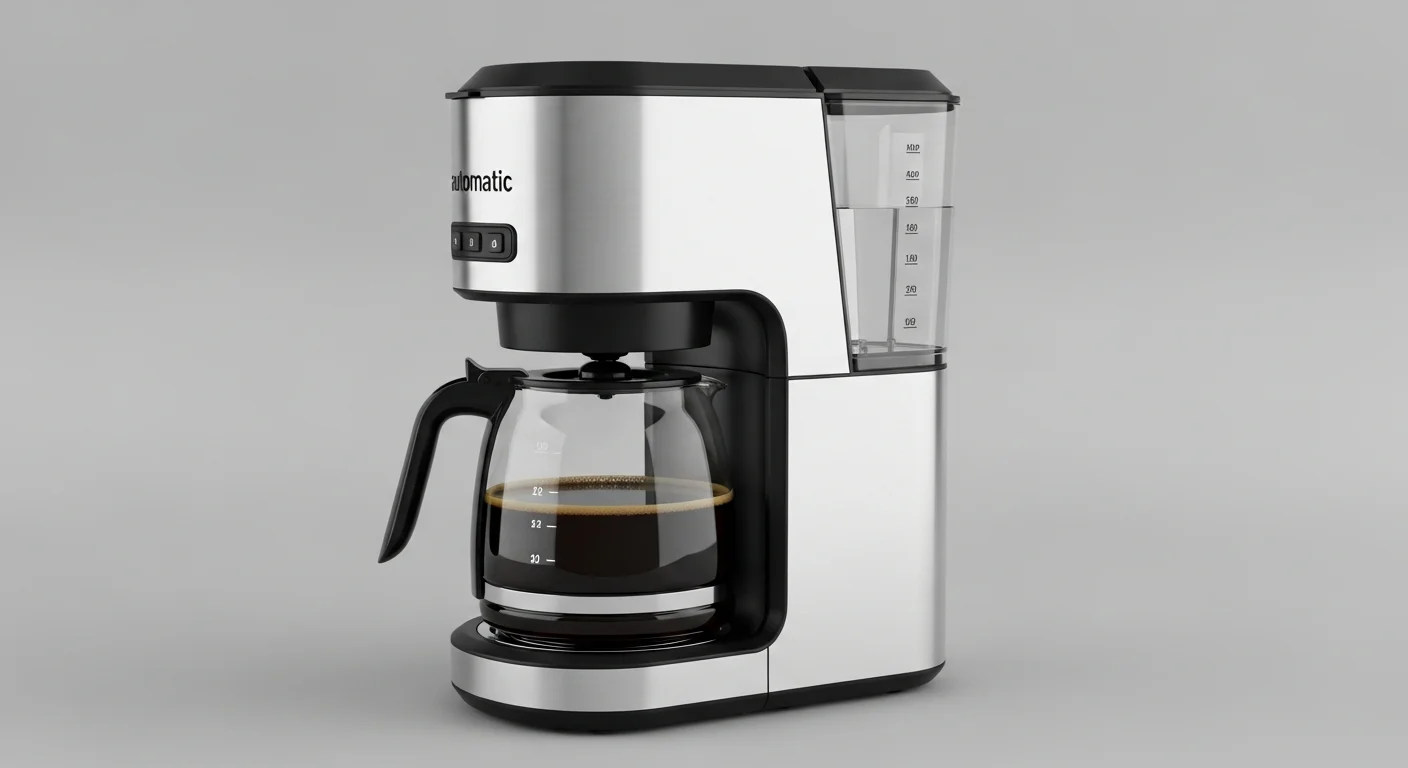
- Coffee maker power consumption varies significantly by type — drip machines draw 600–800W, fully automatic 1000–1500W, and espresso machines 1300–1600W
- Warming plate heaters running continuously add roughly ¥1–1.5 per hour to electricity costs, making extended warming inefficient for both cost and coffee quality
- Per-cup electricity cost across all types is approximately ¥1–5 — a small fraction of total per-cup cost, but standby power and warming habits create meaningful differences over a year
When choosing a coffee maker, purchase price and usability get most of the attention — but as a daily-use appliance, understanding electricity costs is worthwhile. Power consumption varies significantly between types, and usage habits affect the annual electricity bill.
This guide compares power consumption and per-cup electricity costs for the main coffee maker types, with practical tips for reducing energy use.
What this guide covers
- Power consumption comparison by coffee maker type
- How to calculate per-cup electricity cost
- Warming function electricity costs
- Practical habits for reducing electricity use
How to Calculate Electricity Cost
The standard formula: Power (W) × Time (h) ÷ 1000 × Unit price (¥/kWh) = Cost (¥)
Japan's residential electricity rate varies by region and plan. This guide uses ¥31/kWh as the national average reference (2025 figures).
Example calculation:
- 700W drip coffee maker running for 10 minutes (0.167h)
- 700W × 0.167h ÷ 1000 × ¥31 = approximately ¥3.6
Power Consumption by Type
Drip Coffee Makers
| Metric | Typical range |
|---|---|
| Power consumption | 600–800W |
| Brewing time per cycle | 5–10 minutes |
| Per-cup electricity cost | ¥1.5–2.5 |
| Warming plate power | 30–60W |
Drip machines have the lowest per-cup electricity cost due to their short brew cycles. Compact single-serve models can draw as little as 500W.
On the warming function: Glass carafe models typically include a warming plate heater (~50W). Running this continuously for one hour costs approximately ¥1.5. Extended warming also degrades coffee flavor — the coffee reduces and develops bitter compounds. Limiting warming to 30 minutes or less is efficient for both cost and quality.
Stainless thermal carafes eliminate warming costs
Models with stainless vacuum-insulated thermal carafes require no heating element for warming — zero electricity cost for keeping coffee hot. Coffee stays warm for 2–3 hours without power. For households that brew and then return to the coffee over time, thermal carafes are advantageous on both cost and flavor.
Fully Automatic (Bean-to-Cup) Machines
| Metric | Typical range |
|---|---|
| Power consumption | 1000–1500W |
| Brewing time (including grinding) | 3–5 minutes |
| Per-cup electricity cost | ¥2.5–4 |
| Standby power | 1–5W |
Fully automatic machines draw higher power when the grinder activates. However, brew cycles are typically shorter than manual drip, keeping per-cup electricity costs comparable to drip machines.
On standby power: Always-on models consume 1–5W continuously. Over 24 hours, this amounts to ¥0.7–3.7 per day, or ¥260–1,350 per year. Unplugging when not in use or using the machine's energy-saving mode eliminates standby waste.
Capsule Coffee Makers
| Metric | Typical range |
|---|---|
| Power consumption | 1000–1500W |
| Brewing time per cup | 1–3 minutes |
| Per-cup electricity cost | ¥1–2 |
| Standby power | 0–3W (models with auto-off: 0) |
Capsule machines have very short brew cycles, so despite high rated power consumption, per-cup electricity costs are among the lowest of all types. Current Nespresso models include auto power-off that activates after 9 minutes of inactivity, reducing standby waste to near zero.
Espresso Machines (Semi-Automatic and Fully Automatic)
| Metric | Typical range |
|---|---|
| Power consumption | 1300–1600W (some models exceed 2000W) |
| Heat-up time | 30 seconds to several minutes |
| Per-cup electricity cost | ¥2–5 |
| Standby power | 5–30W |
Espresso machines have the highest power consumption. The boiler consumes significant electricity during heating. Heat exchanger (HX) and dual-boiler machines require extended warm-up times during which the boiler draws continuous power.
Usage tip: Turn the machine off after completing the day's brewing. Keeping the boiler at temperature continuously draws meaningful standby power.
Summary Comparison
| Type | Power | Per-cup cost | Key saving opportunity |
|---|---|---|---|
| Drip | 600–800W | ¥1.5–2.5 | Limit warming to 30 min |
| Fully automatic | 1000–1500W | ¥2.5–4 | Cut standby power |
| Capsule | 1000–1500W | ¥1–2 | Use auto power-off |
| Espresso | 1300–1600W | ¥2–5 | Power off after use |
Per-Cup Cost in Context
Electricity cost per cup ranges from ¥1–5 across all coffee maker types — a small fraction of the total per-cup cost when coffee beans, capsules, filters, and machine amortization are included. The electricity cost difference between machine types is unlikely to be a deciding factor in purchasing decisions.
The more meaningful ongoing costs are consumable costs (beans, capsules, filters) and the machine purchase cost divided over its useful life.
That said, warming plate use and standby power are costs reducible through simple habits — and over a year, add up to a few hundred yen in savings.
Measure actual consumption with a watt monitor
Catalog specifications show maximum rated power — actual consumption during typical use is often lower. For accurate electricity cost calculations, a plug-in watt monitor (power consumption meter) measures real usage. This is especially useful for verifying standby power on always-on machines.
Pros
- +Capsule machines combine high rated power with short brew cycles for the lowest per-cup electricity cost across all types — the fast heating is an efficiency advantage despite the large rating
- +Thermal carafe drip machines eliminate warming plate power entirely, maintaining coffee temperature for hours with zero additional electricity cost
- +Standby power and warming habits are controllable through simple daily habits — no equipment changes required to capture meaningful annual savings
Cons
- -Espresso machine boiler heating draws substantial power during warm-up, making single-cup daily use relatively inefficient compared to machines that heat to temperature faster
- -Fully automatic machine standby power varies significantly between models — always-on models can add ¥1,000+ per year to electricity costs without user awareness
- -Per-cup electricity cost differences between types are small enough that prioritizing electricity savings over quality and usability leads to suboptimal machine choices
Summary
Per-cup electricity costs across all coffee maker types range from ¥1–5 — a small fraction of total per-cup cost including beans and consumables. Electricity costs alone should not drive coffee maker selection decisions.
The electricity habits worth developing are straightforward: avoid extended warming plate use, turn off machines when not brewing for extended periods, and use auto power-off features where available. These habits save a few hundred yen annually and improve coffee quality by preventing warming-related flavor degradation simultaneously.
Frequently Asked Questions
QHow much electricity does a coffee maker use?
QHow can I reduce my coffee maker's electricity costs?
QWhat is the typical wattage of a coffee maker?
Related Articles
About the AuthorExpert Reviewed
Coffee Guide Editorial
A team of certified writers and baristas with hands-on experience at origin farms and roasteries. We deliver practical, experience-backed guides on bean selection, brewing methods, and equipment reviews.
Credentials & Experience
- J.C.Q.A. Certified Coffee Instructor
- SCA Certified Barista
- 5+ years running a specialty roasting café
- 200+ coffee beans tasted annually