Coffee Maker Maintenance and Cleaning Guide — Daily to Monthly Care
PRThis article contains affiliate links
Key Takeaways
- Neglected coffee makers accumulate oxidized coffee oils, mineral scale, and mold — all of which degrade flavor and create hygiene issues
- Three-tier maintenance — daily rinse, weekly detergent wash, monthly citric acid descaling — keeps machines clean and coffee tasting fresh
- Citric acid descaling is the most effective internal cleaning method for both drip and fully automatic machines and is safe for all internal materials
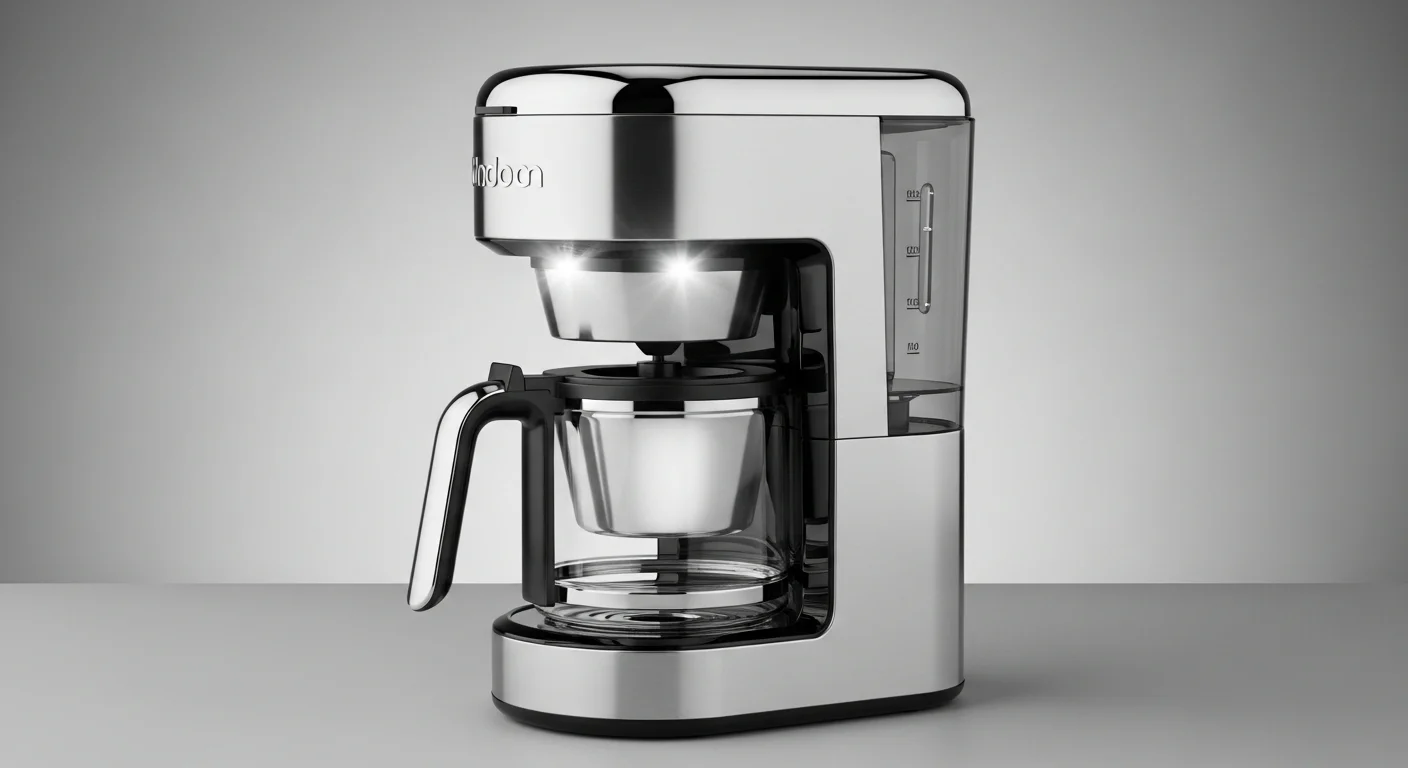
Regular coffee maker maintenance is not optional — it directly affects the flavor of every cup and the working life of the machine. Coffee oils oxidize and build up in internal passages. Mineral deposits from water accumulate around heating elements. Both degrade extraction temperature stability and introduce off-flavors.
This guide covers the maintenance schedule and procedures for all common coffee maker types.
What this guide covers
- How neglected maintenance degrades coffee flavor
- Daily, weekly, and monthly cleaning procedures
- Citric acid descaling step-by-step
- Type-specific care for drip, fully automatic, and capsule machines
What Happens Without Regular Maintenance
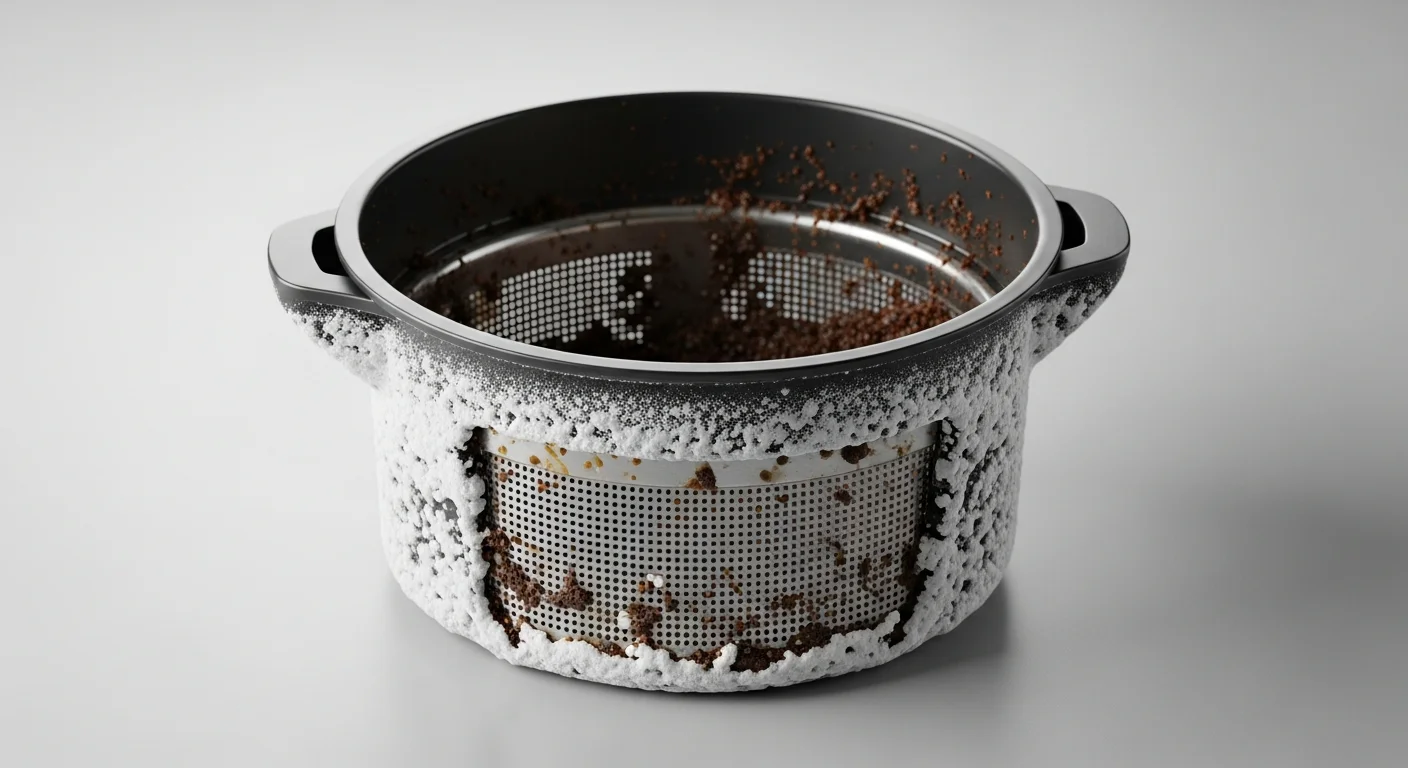
Oxidized coffee oils: Coffee contains oils that coat internal surfaces. Left over time, these oxidize and produce a stale, rancid off-flavor in every subsequent brew.
Mineral scale buildup: Tap water contains dissolved calcium and magnesium. Heat causes these to precipitate as white mineral deposits inside the boiler and water passages. Scale reduces heating efficiency and destabilizes extraction temperature.
Mold and bacterial growth: Residual moisture in the water tank and internal passages provides an environment for mold and bacteria, particularly in warm, humid conditions.
Recommended Maintenance Frequency
| Task | Frequency | Time required |
|---|---|---|
| Rinse after use | Every use | 1–2 minutes |
| Detergent wash of removable parts | Weekly | 5–10 minutes |
| Water tank cleaning | Weekly | 3–5 minutes |
| Citric acid descaling (internal) | Monthly | 30–40 minutes |
| Mold check and dry-out | Monthly | 5 minutes |
Daily Maintenance
The most important daily habit: never leave coffee grounds in the machine.
- Remove the filter basket — discard the paper filter with spent grounds immediately
- Rinse with water — rinse the basket and carafe under running water
- Empty the water tank — do not leave water sitting in the tank overnight
Stale water is a mold risk
Leaving water in the tank overnight provides conditions for mold and bacterial growth. Using fresh water each brew is the ideal, but at minimum, drain leftover water and refill fresh before each brewing session. This single habit significantly reduces mold risk.
Weekly Maintenance
Wash all removable parts with mild dish soap.
Parts to wash:
- Filter basket
- Carafe / coffee server
- Water tank (interior wipe with sponge)
- Drip tray / drip plate
Rinse thoroughly after washing and allow to dry completely before reassembly. Reassembling wet parts accelerates mold growth.
Monthly Citric Acid Descaling
Citric acid is the safest and most effective internal descaling agent for home coffee makers. It dissolves mineral deposits without damaging machine materials, and is food-grade safe.
Zojirushi Coffee Maker Cleaning Agent
This is Zojirushi's own citric acid cleaner made for coffee makers. The product page asks you to follow the cleaning method in your coffee maker's manual. It comes as five 6g sachets.
Descaling Procedure
- Prepare the citric acid solution — dissolve one 6g sachet (or 6g of food-grade citric acid powder) in 500ml of water
- Fill the water tank — pour the citric acid solution into the water tank
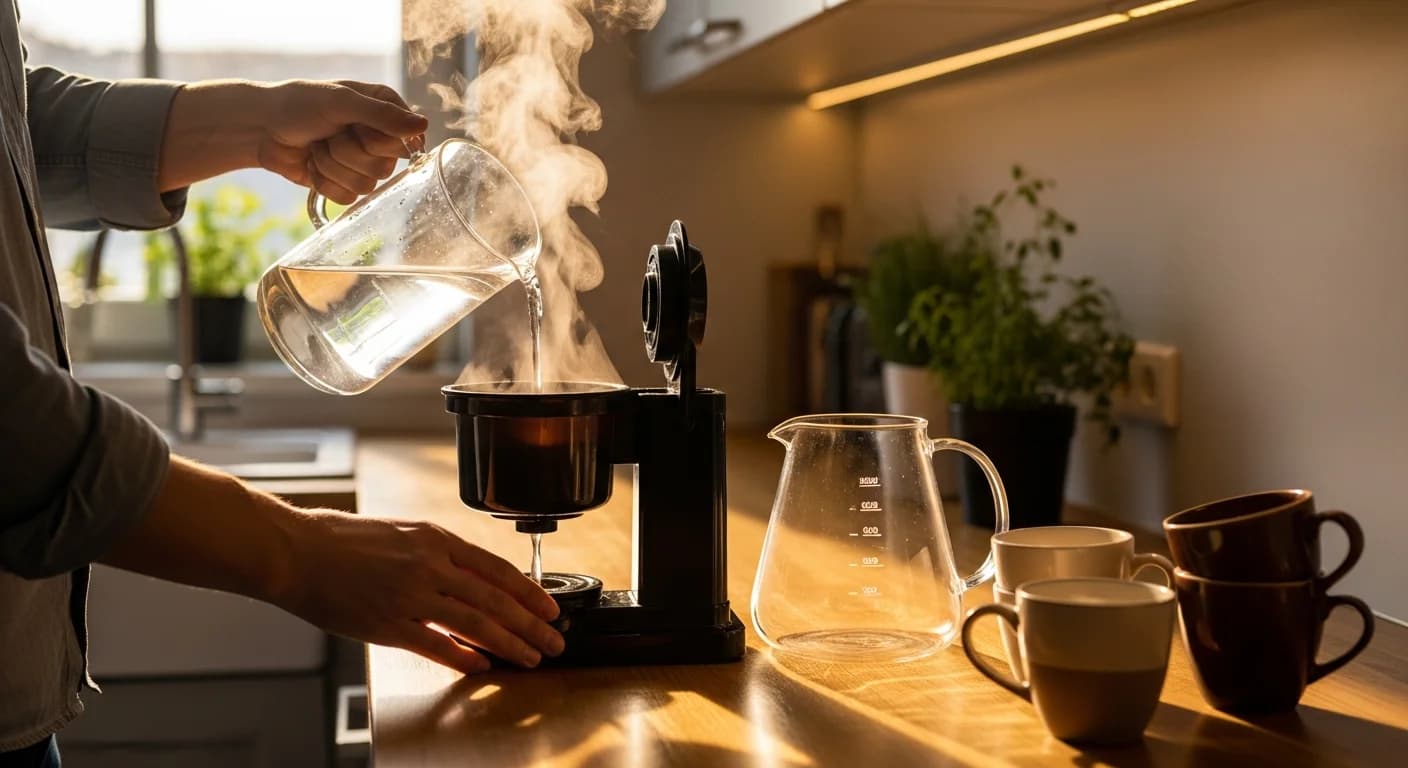
- Run a brew cycle — brew without any coffee grounds to push the citric acid solution through the internal passages
- Wait 30 minutes — allow the solution to sit in the passages and dissolve scale deposits
- Flush twice with fresh water — run two full brew cycles with clean water to remove all citric acid residue
- Dry — leave the lid open for natural drying
Type-Specific Care Notes
Drip Coffee Makers
Simpler internal structure means standard three-tier maintenance is sufficient. The filter basket, carafe, and water tank are the primary maintenance targets.
Fully Automatic (Bean-to-Cup) Machines
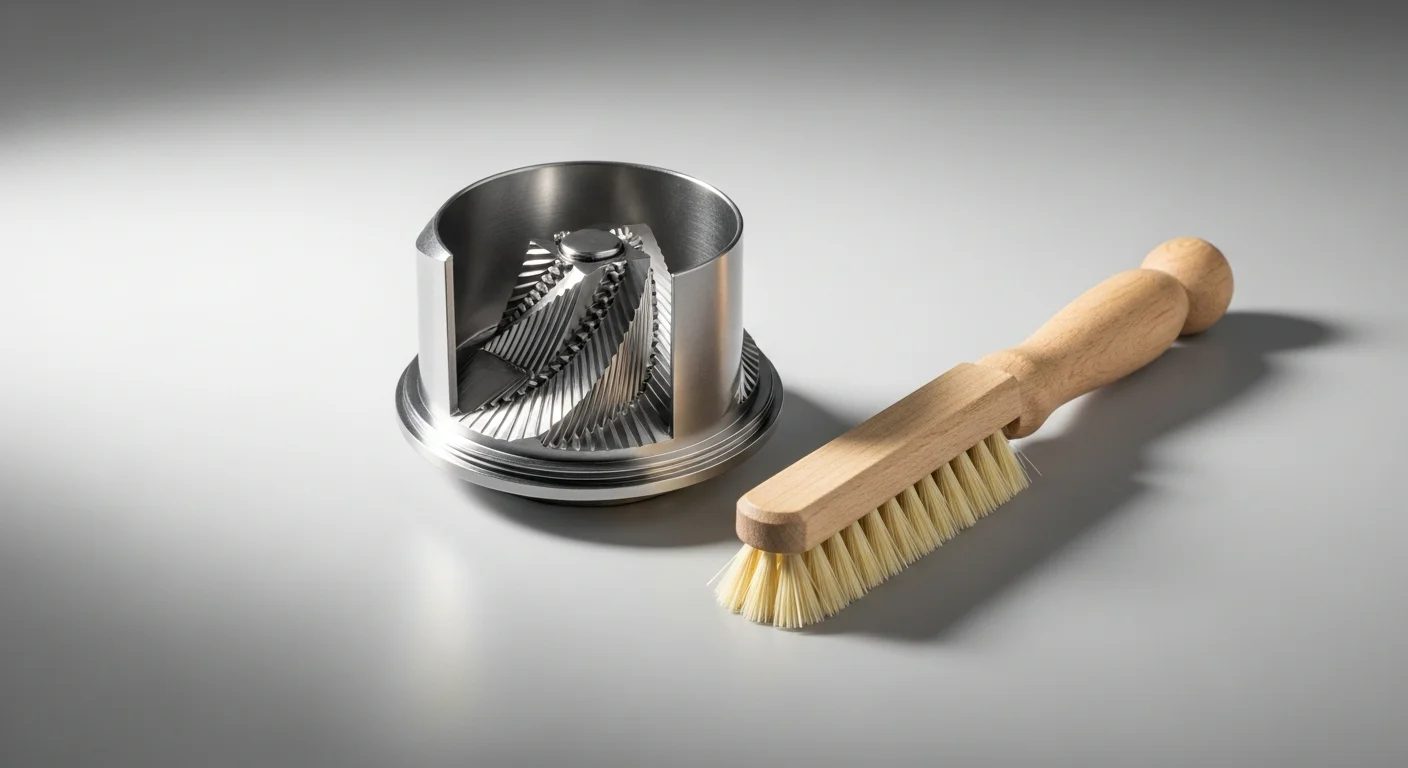
The grinder burrs accumulate coffee particle residue and require weekly brushing with a dedicated brush. Most machines include a built-in cleaning cycle — run it as prompted. Machines with milk frothing systems require the milk circuit to be rinsed after every use without exception.
Capsule Coffee Makers
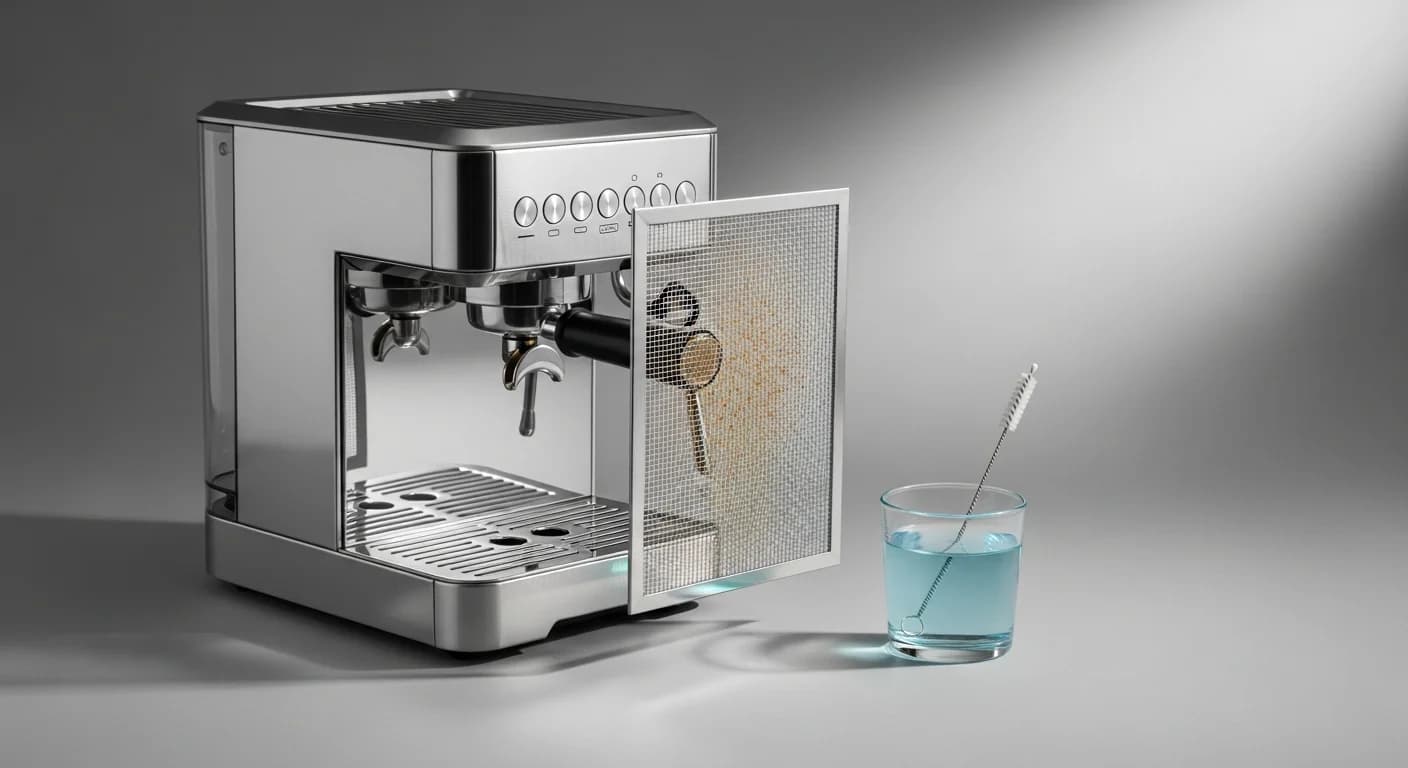
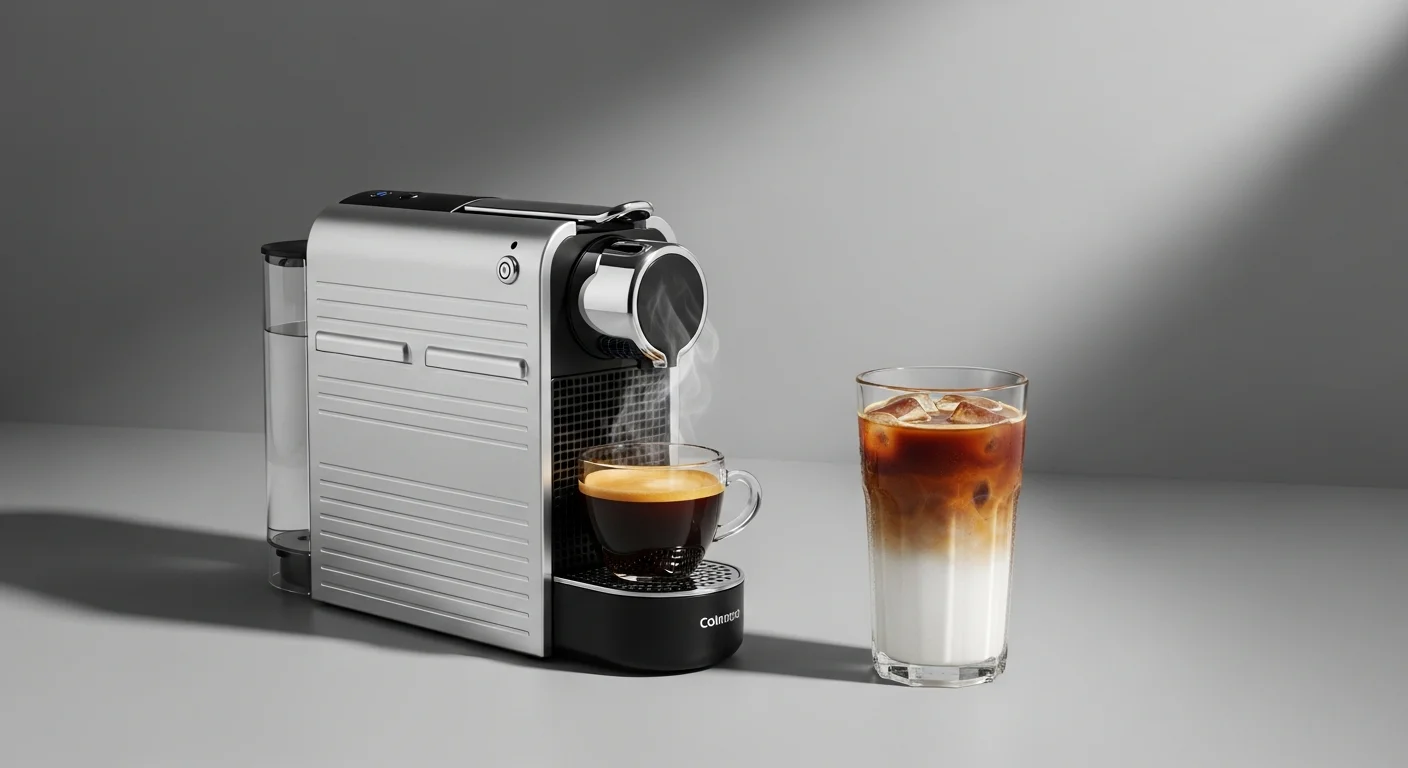
The puncture needle accumulates capsule residue and requires monthly cleaning with a specialized tool or toothpick. Run the machine's built-in cleaning program as prompted. Residue-blocked needles are the most common cause of extraction failure in capsule machines.
Pros
- +Citric acid descaling is food-safe, inexpensive, and removes both mineral scale and oxidized coffee oil residue — one product covers the most important monthly maintenance task
- +Daily rinsing takes under two minutes and dramatically reduces oil accumulation between weekly washes — the effort-to-benefit ratio is very high
- +Consistent maintenance extends machine life significantly, protecting the investment in higher-priced equipment
Cons
- -Monthly descaling with the required wait time and double-rinse cycle takes 30–40 minutes — the time commitment requires deliberate scheduling
- -Fully automatic machines have internal components that cannot be user-cleaned and may require periodic manufacturer service for optimal performance
- -Insufficient rinsing after citric acid descaling can leave an acidic residue that affects the first few brews — always complete the full double-rinse procedure
Summary
The three-tier maintenance schedule — daily rinse, weekly detergent wash, monthly citric acid descaling — covers all the major degradation mechanisms that affect coffee maker performance and coffee flavor.
Maintaining this schedule is the practical difference between a machine that produces consistently good coffee for many years and one that produces progressively worse coffee until it fails. Good coffee starts with a clean machine.
Related Articles
- Espresso Machine Maintenance Guide — Descaling, Backflushing, and Daily Care
- Coffee Grinder Cleaning and Maintenance Guide — Burrs, Brushes, and Static
- Complete Coffee Maker Guide for Beginners: How to Choose the Right One
- Best Coffee Makers Under ¥10,000 — Top Value Picks 2026
- Best Coffee Makers Under ¥30,000 — 2026 Guide
Frequently Asked Questions
QHow often should I clean my coffee maker?
QHow do I remove scale from a coffee maker?
QWhat happens if I don't clean my coffee maker?
About the AuthorExpert Reviewed

Coffee Guide Editorial
A team of certified writers and baristas with hands-on experience at origin farms and roasteries. We deliver practical, experience-backed guides on bean selection, brewing methods, and equipment reviews.
Credentials & Experience
- J.C.Q.A. Certified Coffee Instructor
- SCA Certified Barista
- 5+ years running a specialty roasting café
- 200+ coffee beans tasted annually