Bialetti Moka Express Review — The Classic Stovetop Espresso Maker Explained
PRThis article contains affiliate links
Key Takeaways
- The Bialetti Moka Express has been the global stovetop espresso standard since 1933 — over 300 million units sold
- Steam pressure forces water through coffee grounds for a strong, concentrated brew without an espresso machine
- The aluminum original is a direct-flame stovetop pot; the stainless Brikka variant works on induction
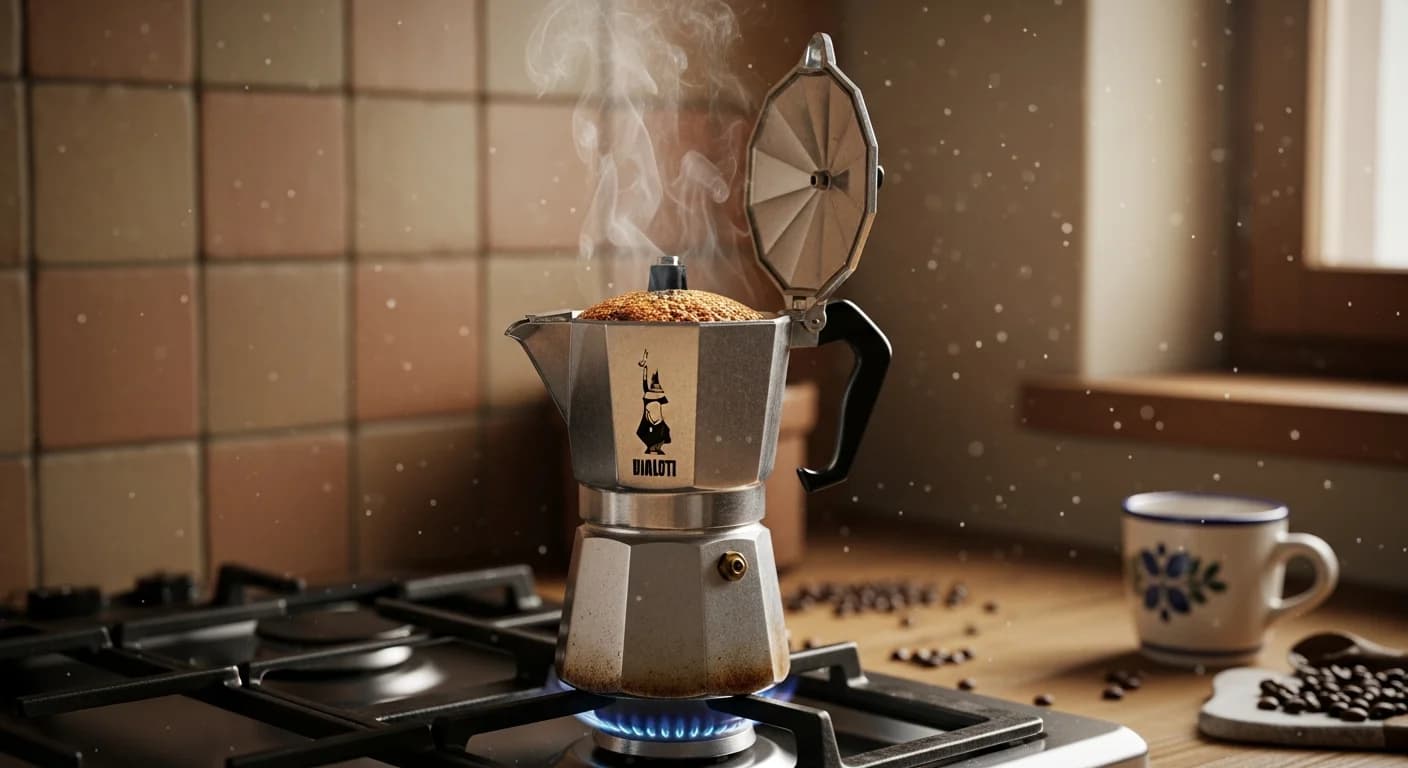
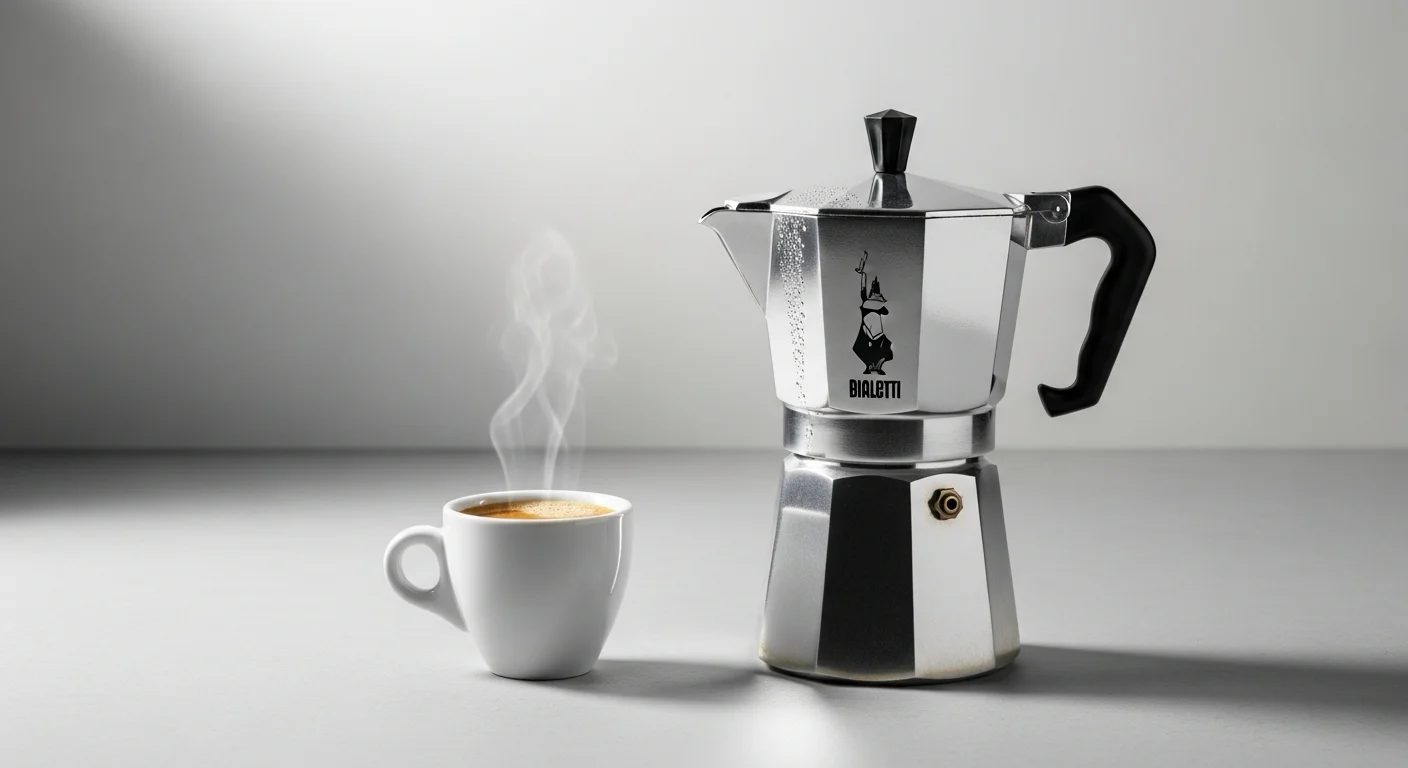
The Bialetti Moka Express is the original stovetop espresso maker, designed in Italy in 1933. Its iconic octagonal aluminum body has remained essentially unchanged for over 90 years, and more than 300 million units have been sold worldwide. It is, by any measure, one of the most successful coffee devices ever made.
For anyone wanting concentrated, espresso-style coffee at home without an espresso machine, the Moka Express is the most accessible starting point.
What this review covers
- How a moka pot extracts coffee (the physics)
- Bialetti Moka Express specifications and brewing method
- Size selection: 1, 3, 6, 9-cup models
- Moka Express vs Brikka (IH-compatible variant)
How a Moka Pot Works
A moka pot uses steam pressure to force water upward through coffee grounds. Water in the lower boiler is heated until steam pressure builds. The pressure pushes hot water through the filter basket containing coffee grounds, and the resulting concentrated coffee collects in the upper chamber.
Extraction pressure is approximately 1–2 bar — well below a professional espresso machine's 9 bar, but significantly stronger than pour-over or drip coffee. The result is a dense, rich brew that Italians call "caffè moka" — the everyday home espresso alternative.
Bialetti Moka Express: Specifications
| Specification | Detail |
|---|---|
| Capacity | 3 cups (~130ml) |
| Material | Aluminum |
| Heat source | Direct flame |
| Weight | 1.01 lb |
| Origin | Made in Italy |
The "3 cup" designation means approximately 3 espresso-sized servings (~130ml total). For 1–2 people drinking concentrated coffee each morning, the 3-cup size is the most practical.
How to Use the Moka Express
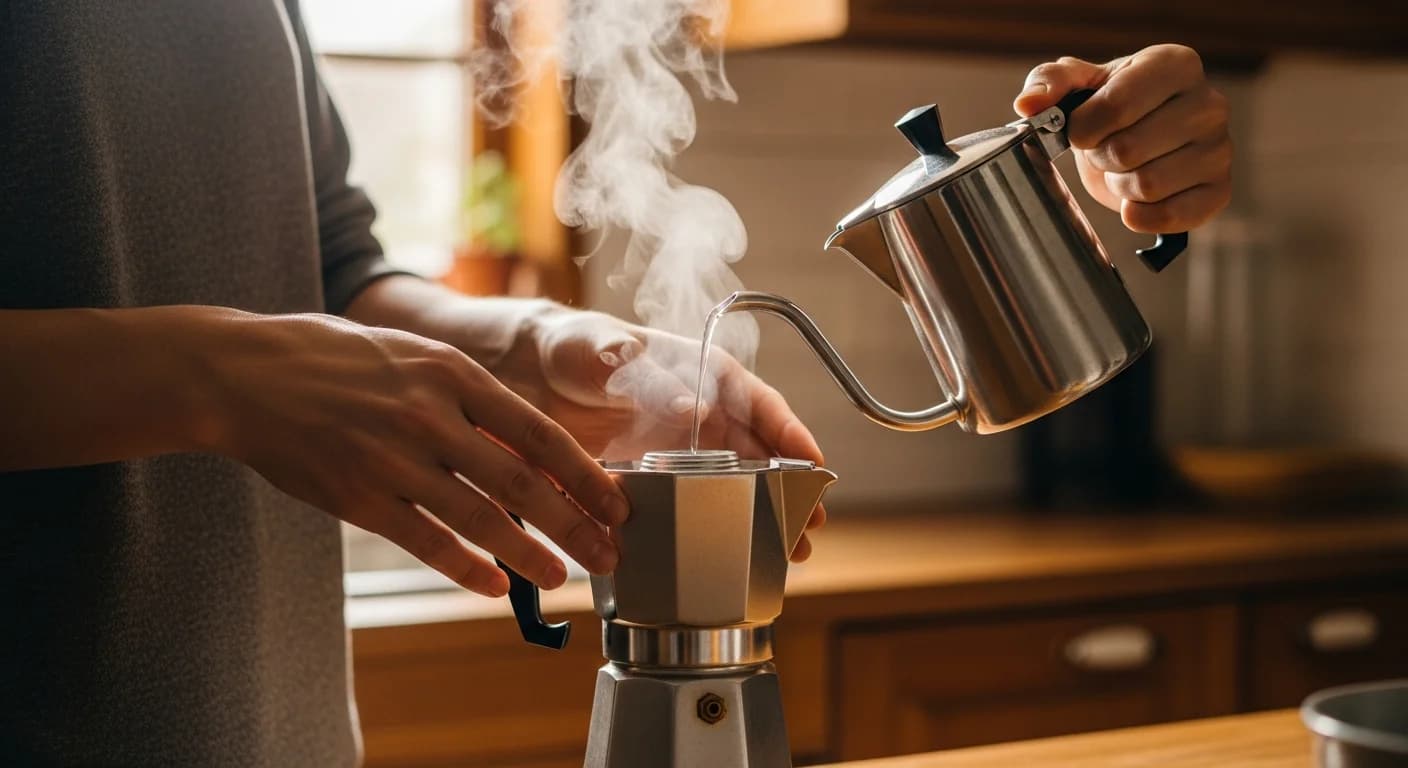
- Fill the lower boiler with water — up to but not above the safety valve
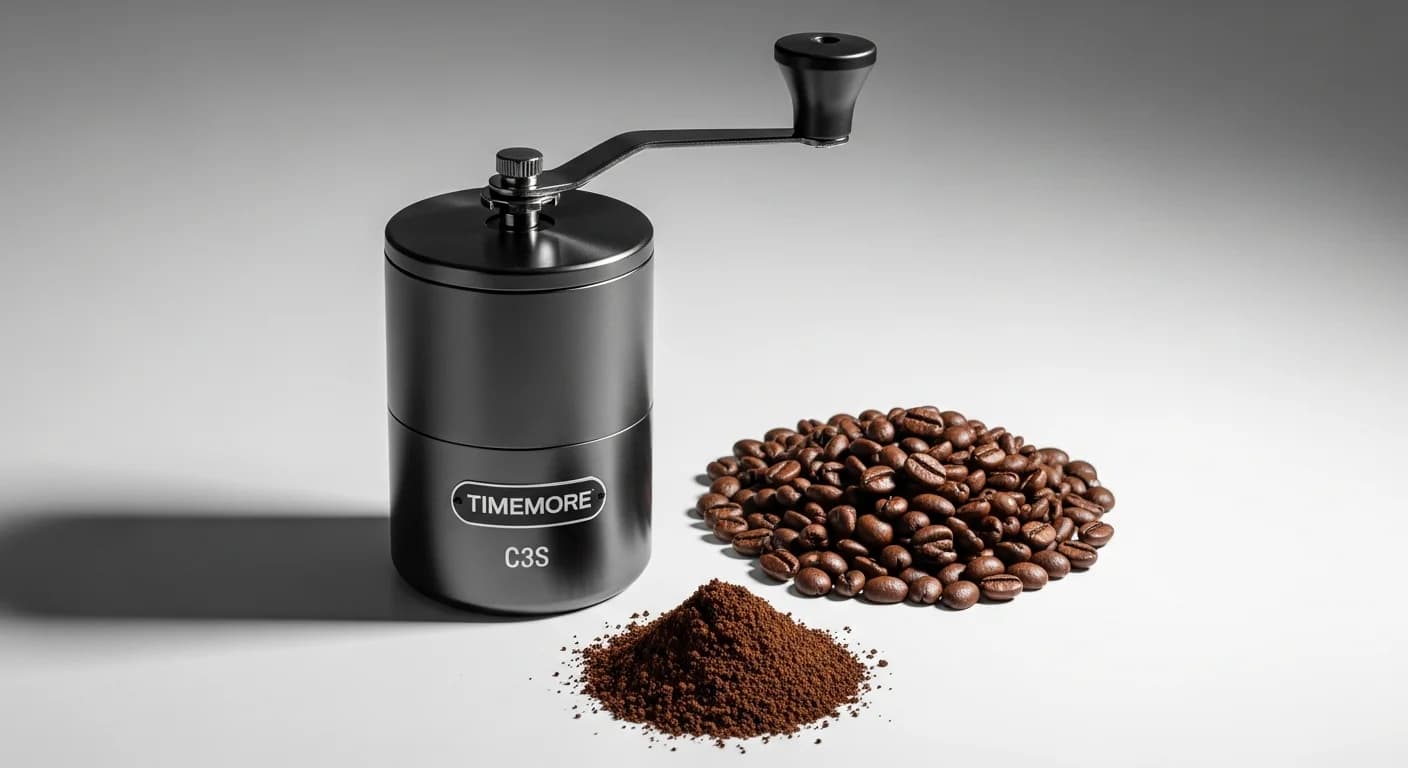
- Fill the basket with fine-medium ground coffee — level, not packed; no tamping
- Screw the top and bottom together and place on medium-low heat
- Remove from heat when coffee stops flowing — a hissing sound signals the end of extraction
Key brewing tips
Pre-fill the boiler with hot water to reduce heating time and prevent the aluminum from being exposed to prolonged direct heat before water enters. Never tamp the coffee grounds — pressing them down restricts steam flow and can cause excess pressure that triggers the safety valve. Medium-low heat is always better than high heat.
Size Selection Guide
| Size | Output | Best for |
|---|---|---|
| 1-cup | ~45ml | Solo, single espresso |
| 3-cup | ~130ml | 1–2 people (most popular) |
| 6-cup | ~260ml | 2–4 people |
| 9-cup | ~390ml | Families, guests |
The 3-cup model is the recommended starting size for most users. The 1-cup produces very little coffee and can be tricky to manage. The 6-cup requires more coffee and water and is best if you regularly brew for multiple people.
Moka Express vs Brikka (IH-Compatible)
| Moka Express | Brikka | |
|---|---|---|
| Material | Aluminum | Stainless steel |
| Induction compatible | No | Yes |
| Pressure | ~1–2 bar | ~3–4 bar (pressure valve) |
| Crema | Minimal | More crema |
| Price | ¥4,988 on Amazon Japan (September 2026) | ~¥7,000 |
The Brikka adds a pressure valve that builds higher internal pressure before releasing — resulting in more crema and a slightly richer cup closer to espresso. It's also stainless steel and induction-compatible.
Choose Moka Express if: You cook on a gas stove and want the classic aluminum experience. Choose Brikka if: You have an induction cooktop, or want more crema and intensity.
Cleaning the aluminum Moka Express
Never use dish soap on the aluminum Moka Express — it strips the thin coffee patina that builds up inside and affects flavor stability. Rinse with water only and dry thoroughly after each use. The patina that develops after the first few uses is intentional and contributes to the characteristic moka flavor.
Pros
- +90-year proven design with 300+ million units sold — maximum reliability and parts availability
- +Produces concentrated espresso-style coffee without an espresso machine
- +Extremely affordable entry into stovetop brewing
- +Compact, durable, and easy to store
Cons
- -Aluminum original is not induction-compatible — Brikka required for IH cooktops
- -Pressure of 1–2 bar cannot produce genuine espresso crema
- -Requires attention during brewing — unattended moka pots can over-extract and burn
Final Verdict
The Bialetti Moka Express is the definitive entry point into stovetop espresso culture. At ¥4,988 on Amazon Japan (September 2026), there is no simpler or more cost-effective way to brew strong, concentrated coffee at home. For gas stove users, the 3-cup Moka Express is the obvious first choice. For induction cooktop owners, the 3-cup Brikka delivers the same experience with IH compatibility.
Related Articles
- How to Use a Moka Pot: Step-by-Step Guide, Common Mistakes, and Best Models
- Acaia Pearl Scale Review — The World Coffee Scale Standard Tested
- AeroPress Guide — Which Model to Buy and the Best Accessories
- Fully Automatic vs Semi-Automatic Espresso Machine: Which One Is Right for You?
- Breville Barista Express Review — BES870XL Honest Evaluation
About the AuthorExpert Reviewed

Coffee Guide Editorial
A team of certified writers and baristas with hands-on experience at origin farms and roasteries. We deliver practical, experience-backed guides on bean selection, brewing methods, and equipment reviews.
Credentials & Experience
- J.C.Q.A. Certified Coffee Instructor
- SCA Certified Barista
- 5+ years running a specialty roasting café
- 200+ coffee beans tasted annually