
Yemen Mocha Coffee: Origins of the Original Coffee, Flavor & Guide
PRThis article contains affiliate links
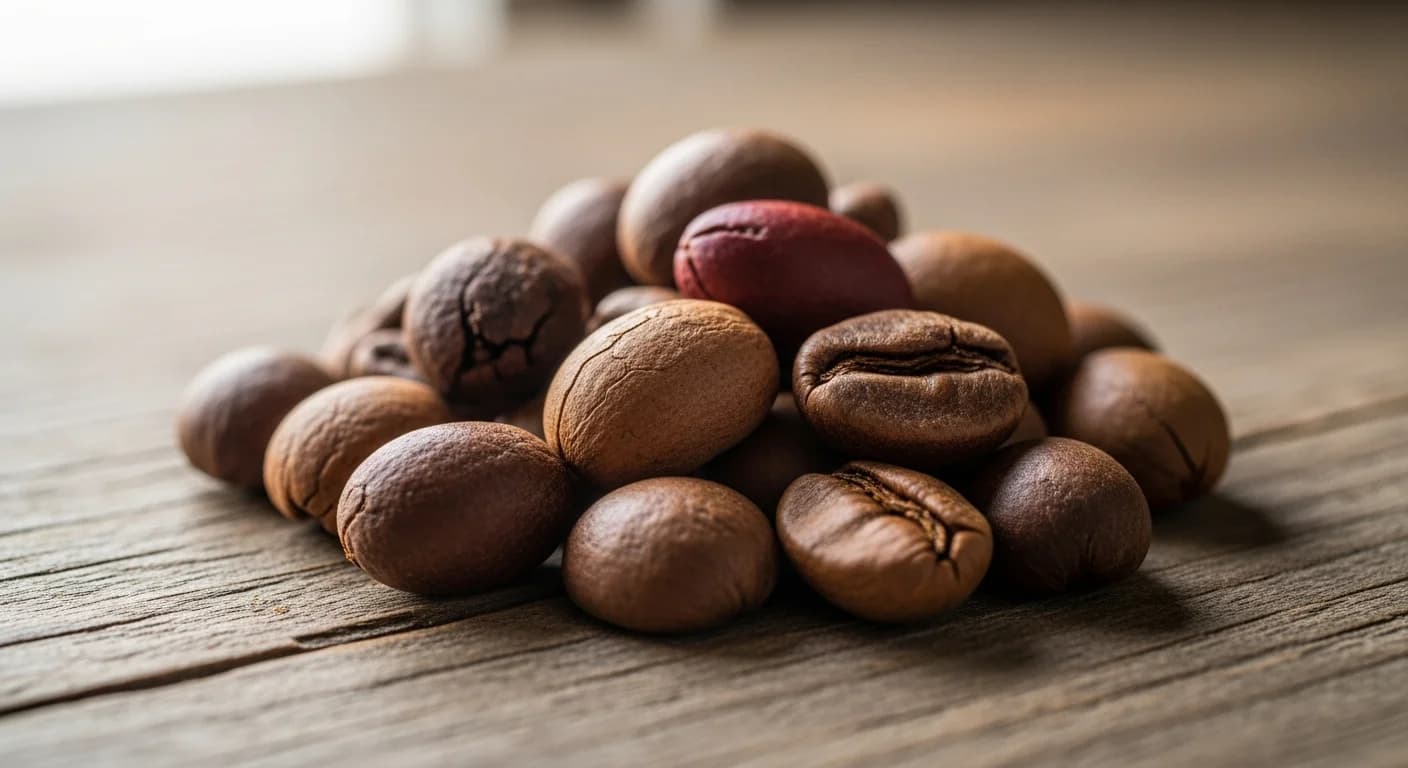
Key Takeaways
- Yemen was the world's first commercial coffee exporter, with the port of Mocha (Al Mukha) dominating global coffee trade from the 15th to 17th centuries — giving coffee its first commercial identity
- Yemeni coffee is still grown using ancient cultivation methods unchanged for centuries: terraced mountain farms, natural sun-drying, and heirloom varieties known collectively as Yemeni landraces
- Ongoing conflict, water scarcity, and infrastructure challenges have made Yemen coffee extremely rare and expensive on the global market
Before Ethiopia was known for its Yirgacheffe, before Colombia built its coffee economy, before Brazil became the world's largest producer — Yemen was where the world's coffee came from. The port city of Mocha (Al Mukha) dominated global coffee trade for over a century. Understanding Yemen coffee is understanding coffee's very origins.
Yemen's Place in Coffee History
Coffee was first cultivated and traded in Yemen, likely by Sufi monks in the 15th century who used it to sustain long night prayers. By the 16th century, the Ottoman Empire had spread coffee culture across the Middle East and Europe, with Yemeni-grown coffee from the port of Mocha being the only source available globally.
The word "mocha" originates from the Yemeni port city of Al Mukha (Mocha) — not from chocolate or any flavor combination. The chocolate-coffee drink "mocha" we know today is named after the city that first shipped coffee to Europe.
Yemen maintained its coffee monopoly by shipping only roasted or partially processed beans that couldn't be replanted. This monopoly broke in the early 18th century when coffee plants were smuggled to India and then to European colonial territories, ending Yemen's dominance.
Growing Regions and Varieties
Mattari (Bani Mattar)
From the mountains west of Sana'a at 1,800–2,400m. Widely considered Yemen's finest coffee:
- Bold, wine-like acidity
- Intense dried fruit (raisin, fig) character
- Full body with complex earthiness
- Distinctive spice notes
Sanani
From the area around the capital Sana'a. More rounded and accessible than Mattari:
- Lighter body than Mattari
- Fruity with chocolate undertones
- More approachable flavor profile
Harazi (Bani Hamdan)
From Yemen's highest coffee-growing region:
- Floral and fruity
- Prized by specialty importers when available
The Ancient Cultivation Method
What makes Yemen coffee genuinely unique is that it has barely changed in 500 years:
- Heirloom varieties: Yemen grows dozens of ancient landrace varieties with no counterparts elsewhere
- Terraced mountain farms: Coffee grows in stone-walled terraces carved into steep slopes at extreme altitude
- Natural processing: Cherries are sun-dried in the fruit on raised beds or rooftops — the original natural process
- Traditional milling: Hand-processing with ancient stone mills still used in rural areas
Yemen's heirloom coffee varieties are scientifically distinct from Ethiopian varieties, despite their common origin. Centuries of isolation in Yemen's mountains have produced genetic diversity that World Coffee Research has described as "critically important to preserve" for the coffee industry's future resilience to climate change.
Why Yemen Coffee Is So Rare and Expensive
Multiple factors have drastically reduced Yemen's coffee output:
- Armed conflict: Ongoing war since 2015 has displaced farmers, disrupted supply chains, and damaged infrastructure
- Water crisis: Yemen is one of the world's most water-scarce countries; coffee farming competes with other water-intensive crops
- Qat competition: Many farmers have switched from coffee to qat (a mildly stimulant leaf), which offers better economics
- Export infrastructure: Damaged ports and limited shipping options make reliable export extremely difficult
The combination means genuine Yemen Mocha from named regions is among the rarest coffees available globally.
Flavor Profile
When you do find genuine Yemen coffee, the experience is unlike anything else:
- Dried fruit: Raisin, fig, tamarind — distinctly different from Ethiopian fruit
- Wine-like complexity: Old-world fermented character
- Earthy spice: Cardamom, cinnamon, tobacco
- Low-to-medium acidity: Less bright than East African coffees
- Heavy body: Thick, syrupy mouthfeel
Brewing Recommendations
Yemen's complex, spice-driven profile works best with:
- French Press or Moka Pot: Preserves the full body and earthy complexity
- Turkish/Ibrik: Particularly appropriate given the coffee's historical origins
- Temperature: 88–92°C
- Note: Yemen coffee is excellent with cardamom, as traditionally prepared in Arab coffee (qahwa)
Yemen coffee is traditionally prepared as qahwa — lightly roasted, with cardamom added during brewing. To experience the coffee's historical context, try adding a cardamom pod to your brew and serving it in small cups without milk or sugar. The spice complements the wine-like earthiness beautifully.
Summary
Yemen Mocha is not just a coffee — it's the original commercial coffee and a living artifact of 500 years of cultivation.
Key takeaways:
- Yemen was coffee's first commercial origin; "mocha" is named after the Yemeni port city Al Mukha
- Mattari is considered the finest Yemeni variety — bold, wine-like, with dried fruit and spice
- Ancient heirloom varieties and terraced mountain farming unchanged for centuries make Yemen coffee uniquely complex
- Ongoing conflict and scarcity make genuine Yemen Mocha extremely rare and valuable
Related Articles
- Geisha Coffee: Why It Costs So Much & What Makes It Extraordinary
- Anaerobic Fermentation Coffee: What It Is & Why It Tastes So Different
- Beginner's Guide to Buying Coffee Beans | How to Choose Without Regret
- How to Choose Coffee Beans 2026 | A Complete Guide Using 5 Key Criteria
- Coffee Bean Freshness: Roast Date Guide & When to Drink Your Coffee
About the AuthorExpert Reviewed

Coffee Guide Editorial
A team of certified writers and baristas with hands-on experience at origin farms and roasteries. We deliver practical, experience-backed guides on bean selection, brewing methods, and equipment reviews.
Credentials & Experience
- J.C.Q.A. Certified Coffee Instructor
- SCA Certified Barista
- 5+ years running a specialty roasting café
- 200+ coffee beans tasted annually
Related Articles

Complete History of Coffee — From Ethiopian Origins to Modern Specialty

Geisha Coffee: Why It Costs So Much & What Makes It Extraordinary
World Coffee Culture Guide — Ethiopia, Italy, Japan, Nordic Countries, and Turkey