How to Make Cold Brew Coffee at Home | A Complete Step-by-Step Guide
PRThis article contains affiliate links
Key Takeaways
- Cold brew uses only water and no heat, resulting in a smooth, low-acidity coffee concentrate
- The basic recipe calls for 60g of coffee grounds steeped in 900ml of water for 8–12 hours in the fridge
- Cold brew tonic and other carbonated variations are easy to make and perfect for summer
What Is Cold Brew Coffee?
Cold brew is a brewing method where coffee is steeped in cold or room-temperature water for an extended period of time—without any heat. Known in Japan as "mizudashi coffee" (水出しコーヒー), it has gained worldwide popularity as a smooth, approachable alternative to traditional iced coffee.
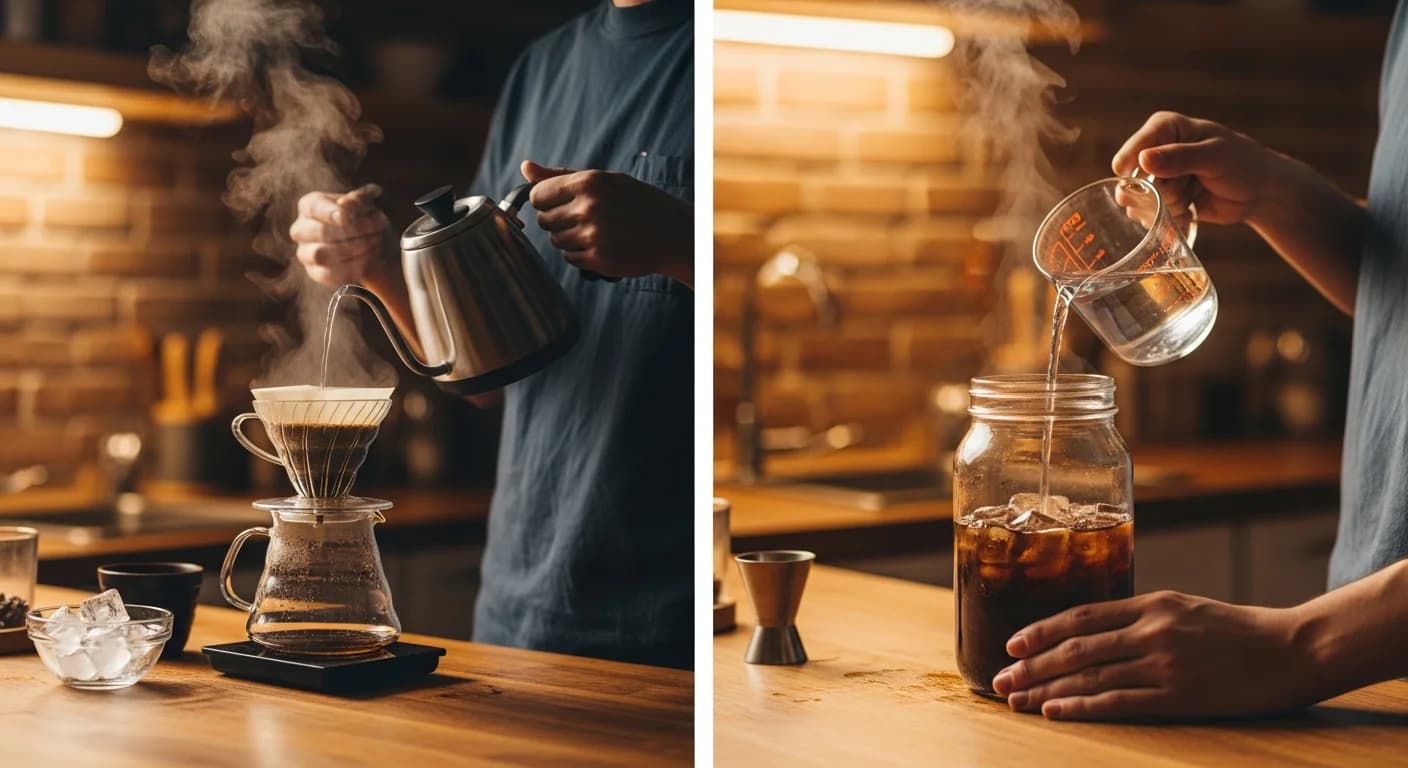
Unlike conventional brewing, which uses water at around 90°C (194°F), cold brew relies on time rather than temperature to extract flavor from the grounds. Because the chemical reactions involved unfold slowly at low temperatures, bitter and acidic compounds are less likely to dissolve, resulting in a naturally sweet, mellow cup. The process takes 8 to 12 hours, but the actual hands-on time is minimal—just prepare it the night before and you'll wake up to a fresh batch.
Cold brew's origins are debated, but one prominent theory traces it to 17th-century Kyoto, where a similar cold-steeping technique was used for green tea before being applied to coffee. In recent years, the third-wave coffee movement has brought cold brew back into the global spotlight, and specialty coffee shops worldwide now feature it as a staple menu item.
Cold brew can be stored in the refrigerator for up to two weeks after brewing. Making a large batch at once means you'll have café-quality coffee ready to pour every morning with zero extra effort.
Cold Brew vs. Iced Coffee: What's the Difference?
"Iced coffee" and "cold brew" are often used interchangeably, but they are distinctly different drinks. Understanding the difference will help you choose the right method for your taste.
Iced coffee is brewed hot—typically at a higher-than-normal concentration—and then poured directly over ice to flash-chill it. The entire process takes just a few minutes. This method preserves the bright acidity and clarity of the beans, making it an excellent choice for highlighting fruity, light-roast profiles.
Cold brew, on the other hand, steeps in water for 8 to 12 hours with no heat involved. The absence of high temperatures limits oxidation, producing a thick, smooth, and richly nuanced flavor. It's also generally gentler on the stomach, making it a good option for people who experience discomfort with regular coffee.
Pros
- +Low acidity and naturally smooth
- +Gentle on the stomach
- +Can be made ahead and stored for up to 2 weeks
- +Pairs beautifully with milk and sparkling water
- +Caffeine extraction is easier to control
Cons
- -Takes 8–12 hours to brew
- -Cannot be made on demand
- -Requires more coffee grounds per serving
- -Delicate notes from light roasts may not come through
Neither method is objectively superior—it comes down to personal preference and occasion. Reach for iced coffee when you want a bright, refreshing cup, and choose cold brew when you're in the mood for something smooth and concentrated.
The Basic Cold Brew Recipe
The cold brew process is refreshingly straightforward. You don't need any special equipment to get started—a wide-mouth jar and a simple filter will do the job.
The standard ratio is 1 part coffee to 15 parts water. For a concentrate (intended to be diluted with water or milk before drinking), use a stronger 1:10 ratio. The recipe below produces a concentrate.
Cold Brew Coffee
Total 8–12 hoursAdd 60g of coarsely ground coffee to a container
Prep
Pour in 900ml of room-temperature water
30 seconds
Stir gently and seal the container
10 seconds
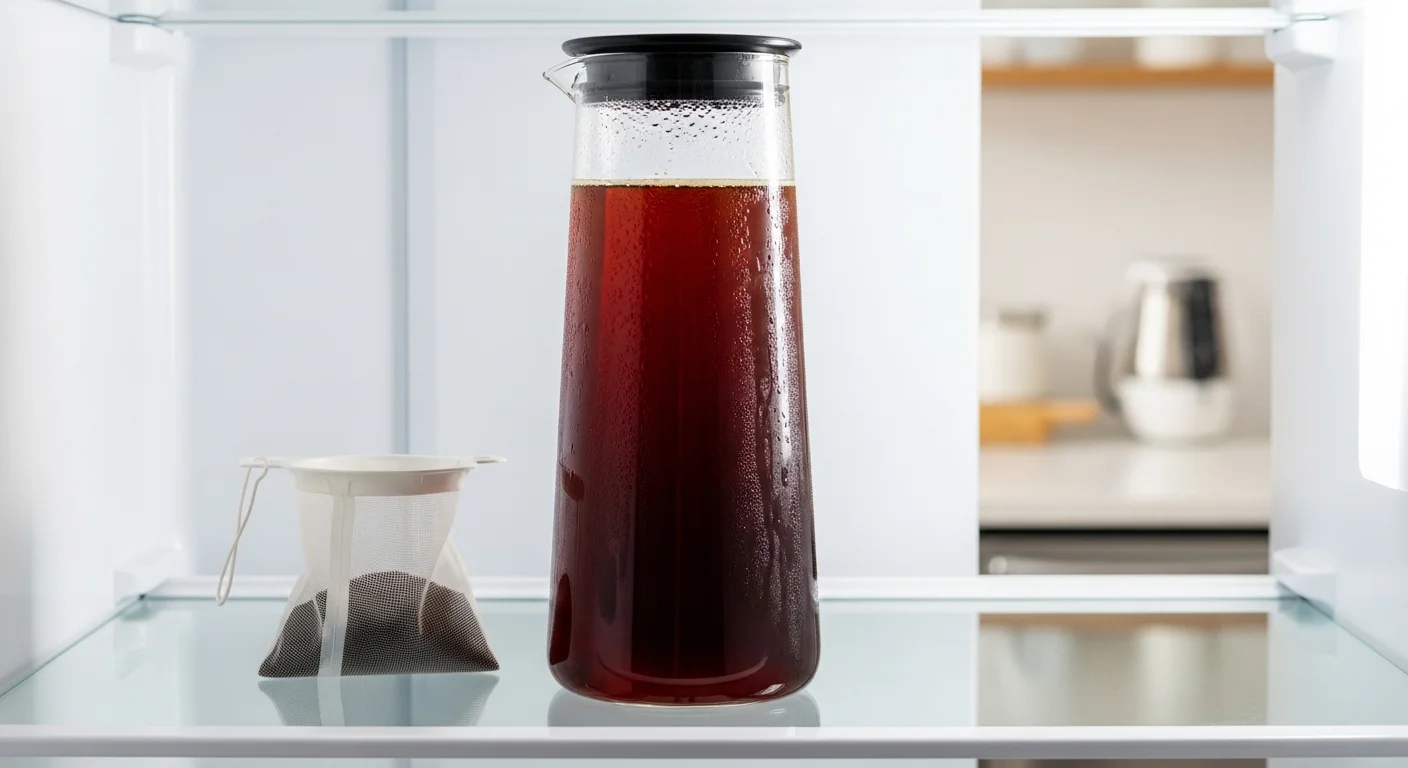
Refrigerate for 8–12 hours
8–12 hours
Strain through a filter
3 minutes
Pour over ice and serve
Done
Choosing your beans: Cold brew works especially well with medium-to-dark roasts. Beans with chocolate, caramel, or nutty tasting notes complement the slow extraction beautifully. Light roasts can also be used—they won't showcase their fruity brightness as clearly, but they offer their own kind of gentle, refined flavor.
Grind size matters: Always use a coarse grind, roughly equivalent to what you'd use for a French press. Fine grinds increase the risk of bitterness, over-extraction, and clogged filters.
Eight hours is enough to produce a solid cold brew, but 12 hours will yield a richer, more developed flavor. Avoid steeping for much longer than 12 hours, as the concentrate may turn overly bitter. Start with 8 hours and adjust from there to find your sweet spot.
Variations and Recipes
One of cold brew's greatest strengths is its versatility as a base. It pairs well with a wide range of mixers, making it ideal for creative drinks. Here's one of the most popular cold brew variations: the Cold Brew Tonic.
The slight bitterness of cold brew and the bittersweet effervescence of tonic water are a surprisingly perfect match. The drink also creates a striking visual effect—a natural gradient where the dark coffee floats atop the clear tonic. You'd pay close to $8 for this at a specialty café, but you can make it at home for a fraction of the cost.
Cold Brew Tonic
Ingredients
- Cold brew concentrate100ml
- Tonic water150ml
- Iceas needed
- Lime wedge1 piece
Steps
- 1.Fill a glass generously with ice
- 2.Pour in the tonic water
- 3.Slowly pour the cold brew concentrate on top
- 4.Garnish with a lime wedge and serve
The key technique here is pouring the tonic water first, then layering the cold brew on top. The density difference between the two liquids creates that beautiful two-tone effect naturally. You can stir it before drinking, or enjoy it layered as you sip through a straw.
Other variations worth trying:
- Cold Brew Latte: Combine 50ml of concentrate with 150ml of whole milk or oat milk. Rich, creamy, and effortless.
- Cold Brew Float: Pour cold brew into a glass and top with a scoop of vanilla ice cream. An indulgent treat that works as both dessert and a coffee drink.
- Cold Brew Soda: Mix 100ml of concentrate with 150ml of sparkling water. Clean and refreshing—perfect on a hot day.
Recommended Gear
Dedicated cold brew equipment makes the process cleaner and more consistent, especially if you plan to brew regularly.
Both options are beginner-friendly and easy to maintain.
Whichever you choose, wash the container and filter thoroughly with warm water and a soft sponge after each use. Coffee oils can accumulate over time and introduce off-flavors if left uncleaned.
Summary
Cold brew is one of the most rewarding brewing methods for everyday use. It requires very little active preparation, produces a versatile concentrate that keeps for weeks, and opens the door to a wide range of creative drinks.
Here are the key takeaways:
- Use medium-to-dark roast beans, ground coarsely
- Follow a 1:15 ratio for drinking strength, or 1:10 for a concentrate
- Steep in the refrigerator for 8–12 hours, and consume within two weeks
- Dilute with water, milk, tonic water, or sparkling water for endless variations
You don't need special gear to get started—any large jar with a paper filter will work. Once you've dialed in your preferred steeping time and concentration, consider investing in a dedicated cold brew pot to make the process even smoother. Make cold brew part of your morning routine, and every day can start with a café-quality cup.
Related Articles
- Iced Coffee vs Cold Brew: Taste, Method, and Caffeine Differences
- Cold Brew Coffee Strength Guide: Beginner-Friendly Tips for the Perfect Brew
- Cold Brew Coffee Concentrate Recipe: Make and Store for Easy Use
- French Press Complete Guide: How to Brew Perfect Coffee for Beginners
- Instant Coffee Upgrade Guide: 7 Ways to Make It Taste Better
Frequently Asked Questions
QWhat is the basic cold brew recipe?
QWhat's the difference between iced coffee and cold brew?
QHow long does cold brew keep?
About the AuthorExpert Reviewed

Coffee Guide Editorial
A team of certified writers and baristas with hands-on experience at origin farms and roasteries. We deliver practical, experience-backed guides on bean selection, brewing methods, and equipment reviews.
Credentials & Experience
- J.C.Q.A. Certified Coffee Instructor
- SCA Certified Barista
- 5+ years running a specialty roasting café
- 200+ coffee beans tasted annually