Espresso Extraction Time: 25–30 Seconds Is the Target | How to Adjust When It's Too Fast or Slow
PRThis article contains affiliate links
Key Takeaways
- The golden standard for espresso is 9 bars of pressure, 90–96°C water, and a 25–30 second extraction
- Crema forms from the emulsification of coffee oils and CO2 under pressure
- Grind size and tamping consistency are the most critical variables to master
Espresso is the most technically demanding — and rewarding — coffee brewing method in the world. "I tried making it at home but it doesn't taste like the café." "My crema is too thin." These are common frustrations, and they almost always trace back to a misunderstanding of how extraction actually works.
This guide takes you from the basics of what espresso is, through the science of extraction, to the ideal brewing parameters, home methods, and recommended equipment.
What Is Espresso
The word "espresso" derives from the Italian verb esprimere — meaning "to press out" or "to express" — a reference to the pressurized extraction process itself. Fine coffee grounds are subjected to hot, pressurized water for 20–30 seconds, producing roughly 25–35ml of intensely concentrated coffee.
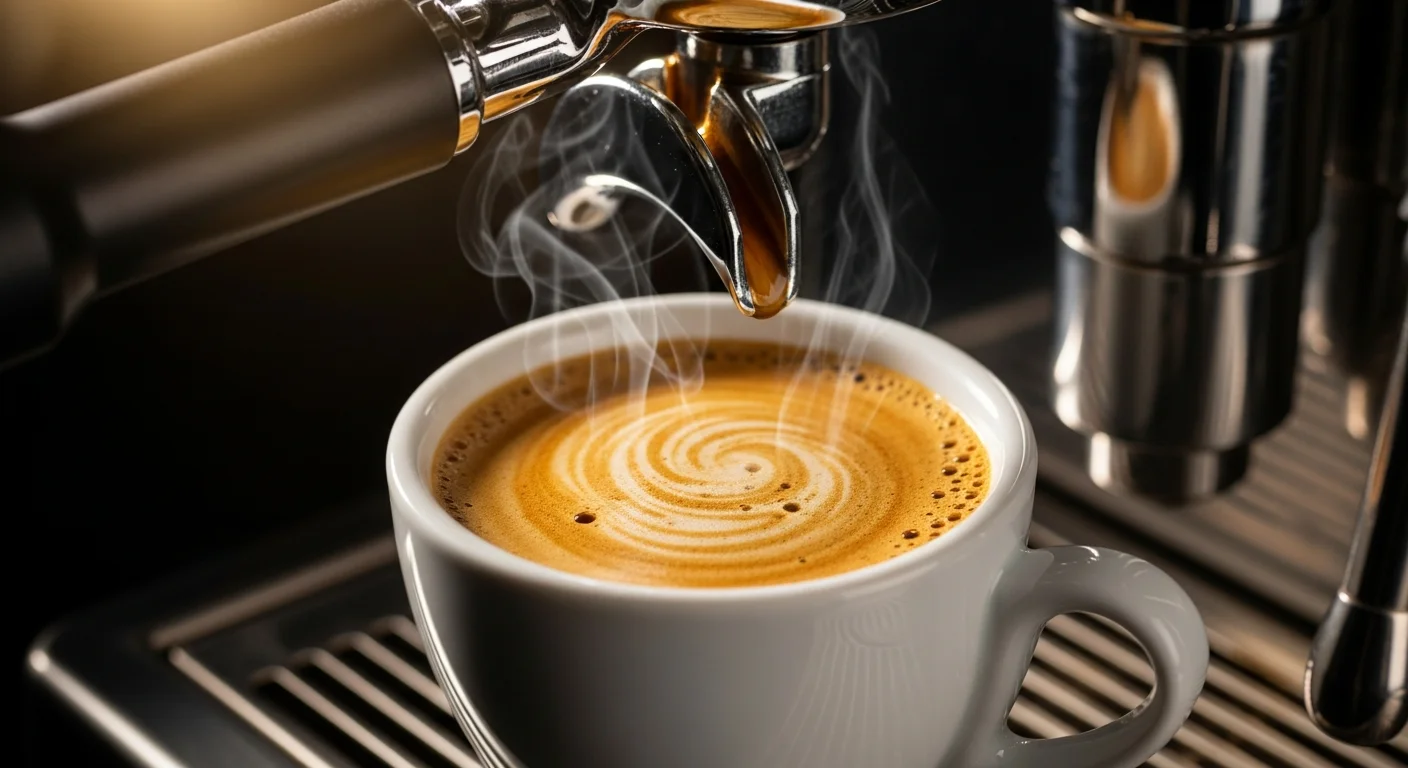
The defining feature of a well-made espresso is the crema — a dense, caramel-colored foam that floats on the surface. Crema forms when pressurized extraction emulsifies coffee oils and dissolved CO2. A healthy crema is a rich hazelnut color and persists for 2–3 minutes. Thin or pale crema usually indicates stale beans or insufficient pressure.
While drip coffee relies solely on gravity, espresso uses pressure to extract an enormous concentration of compounds in a short time. This concentrated liquid forms the base for cappuccinos, lattes, macchiatos, and many other drinks.
Pros
- +Intense, concentrated flavor with deep body
- +Unique mouthfeel and aroma from crema
- +Versatile base for milk drinks and other recipes
- +High satisfaction in a small volume
Cons
- -Requires dedicated equipment and technique
- -Significant learning curve to dial in correctly
- -Equipment costs can be high
- -Uses more coffee per cup (18–20g)
How Espresso Extraction Works
Understanding espresso means understanding how pressure, temperature, and time work together.
The Role of Pressure
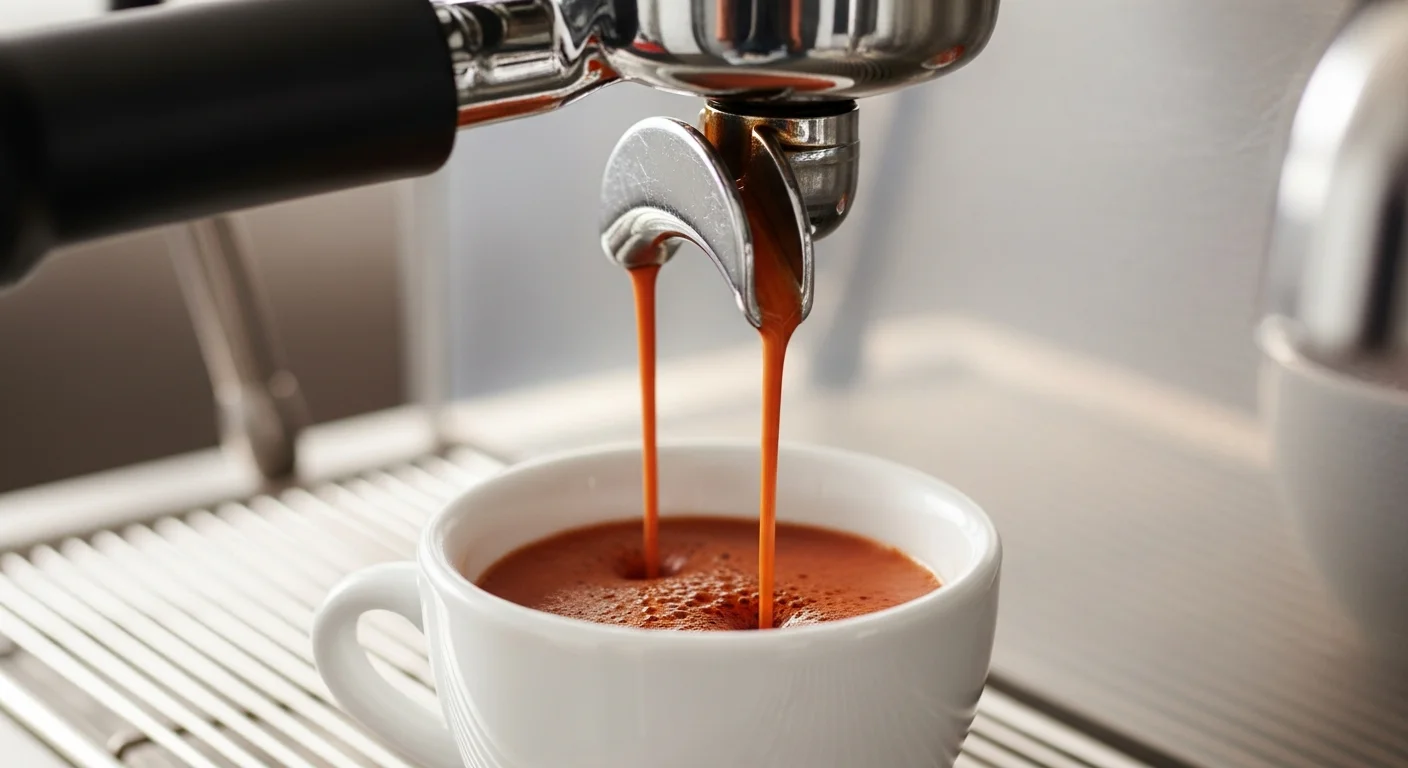
An espresso machine forces water through the coffee puck at approximately 9 bars of pressure — roughly nine times atmospheric pressure. This intense pressure extracts compounds rapidly and in high concentration, creating the richness and body that define espresso.
Pressure that is too high amplifies bitterness and astringency. Pressure that is too low yields thin, watery shots. Nine bars is the widely accepted standard for home and commercial machines.
Staged Extraction Over Time
Different flavor compounds dissolve at different rates during extraction.
| Time | Compounds Extracted |
|---|---|
| 0–10 seconds | Acids (chlorogenic acids, etc.) |
| 10–20 seconds | Sweetness and aromatic compounds |
| 20–30 seconds | Bitterness and body |
| After 30 seconds | Harsh, over-extracted flavors |
Stopping at 25–30 seconds captures the ideal balance of acidity, sweetness, and bitterness while avoiding the unpleasant flavors that develop with prolonged contact.
The Ideal Extraction Parameters
Professional baristas work from a set of standard parameters often called the "golden standard."
Espresso Golden Standard (SCA)
- Coffee dose: 7–9g single / 14–18g double
- Pressure: 9–10 bars
- Water temperature: 90.5–96.1°C (195–205°F)
- Extraction time: 20–30 seconds
- Yield: 25–35ml single / 50–70ml double
Grind Size: The Most Critical Variable
The most direct way to control extraction time is adjusting the grind size.
- Finer grind: Water passes through more slowly → longer extraction time
- Coarser grind: Water flows through more easily → shorter extraction time
When dialing in a new coffee, make small adjustments — one or two steps on the grinder at a time — and evaluate each shot before changing anything else.
Tamping Consistency
Tamping is the process of compressing the coffee grounds in the portafilter using a tamper. Applying consistent, even pressure (approximately 15–20kg / 33–44lbs) creates a uniform puck that water flows through evenly. Inconsistent tamping leads to channeling — where water finds the path of least resistance and bypasses much of the coffee — resulting in uneven extraction and poor flavor.
Recreating Espresso at Home
You do not need a commercial-grade machine to enjoy espresso-style coffee at home. A Moka pot (stovetop espresso maker) is an excellent starting point.
The Moka pot uses steam pressure of approximately 1–2 bars — significantly less than a true espresso machine — but produces a strong, concentrated, and deeply flavored coffee that is closer to espresso than any drip method. In Italian homes, it is the most common way to brew coffee. Since its introduction in 1933, the design has barely changed because it simply works.
Choosing a Home Espresso Machine
If you want to pursue true espresso, investing in a machine that delivers 9 bars of pressure is essential. Key criteria include:
- Pressure: At least 9 bars — non-negotiable
- Temperature control: Adjustable PID is ideal for fine-tuning
- Steam wand: Required for making cappuccinos and lattes
- Ease of cleaning: You will use this daily, so serviceability matters
Recommended Beans for Espresso
Best Roast Levels
Espresso works best with medium-dark to dark roasted beans. Light roasts can work but often produce an overly acidic, imbalanced shot under high pressure.
- Full city roast: Balanced and approachable — ideal for beginners
- French roast: Deep, rich bitterness for those who love intense flavor
- Italian roast: Maximum bitterness with a smoky, dark character
Origin Characteristics
- Brazil: Nutty sweetness, good body, excellent crema formation
- Guatemala: Chocolate-like richness and deep bitterness
- Colombia: Fruity acidity with a well-rounded profile
- Ethiopia: Floral and complex — best suited to lighter espresso styles
Bean freshness is critical for espresso. Use beans within two weeks of roasting for the best crema formation. As beans age, CO2 dissipates and crema thins. Buy in small quantities from a local roaster whenever possible.
Summary
With the right knowledge and equipment, espresso is absolutely achievable at home. Every variable is within your control — and that is part of what makes it so rewarding.
Espresso Extraction — Key Points
- Extraction time: 20–30 seconds (SCA standard)
- Coffee dose: 7–9g single / 14–18g double
- Water temperature: 90.5–96.1°C (195–205°F) (SCA standard)
- Pressure: 9–10 bars
- Yield: 25–35ml single / 50–70ml double
- Adjustment sequence: Start with grind size → then tamping → then dose
- Freshness: Use beans within 7–21 days of roasting for optimal crema
Learning espresso takes patience. Keep notes, change one variable at a time, and resist the temptation to adjust everything at once. Over time, you will develop an intuition for what each shot needs — and that is when espresso becomes genuinely rewarding.
Related Articles
- >-
- Coffee Extraction Methods Compared: Immersion, Percolation, and Pressure
- How Coffee Grind Size Affects Taste: A Grind-to-Flavor Guide
- Coffee Water Quality Guide: How Water Chemistry Affects Your Brew
- How Water Temperature Affects Coffee Flavor: Finding the Optimal Range
- Best Espresso Machines Under ¥50,000
- Moka Pot Guide: How to Use, Common Mistakes & Best Models
Frequently Asked Questions
QWhat is the ideal espresso extraction time?
QHow to fix slow extraction?
QCan I make real espresso at home?
References & Sources
About the AuthorExpert Reviewed

Coffee Guide Editorial
A team of certified writers and baristas with hands-on experience at origin farms and roasteries. We deliver practical, experience-backed guides on bean selection, brewing methods, and equipment reviews.
Credentials & Experience
- J.C.Q.A. Certified Coffee Instructor
- SCA Certified Barista
- 5+ years running a specialty roasting café
- 200+ coffee beans tasted annually