Espresso vs Lungo vs Ristretto vs Americano: What's the Difference?
PRThis article contains affiliate links
Key Takeaways
- Ristretto (~15ml), espresso (~30ml), and lungo (~60ml) differ in extraction volume and time — same dose, different yield
- Americano is espresso diluted with hot water after extraction — not the same as lungo
- Ristretto emphasizes sweetness; lungo emphasizes bitterness; Americano gives a cleaner, larger drink
One espresso machine, one grind setting, one dose of coffee — and four entirely different drinks. Ristretto, espresso, lungo, and Americano each have distinct flavor profiles that come from one core variable: how much water passes through the puck.
This guide explains what separates them, why they taste different, and when to choose each one.
Quick Comparison
| Drink | Volume (single) | Extraction Time | Flavor |
|---|---|---|---|
| Ristretto | ~15ml | ~15–20 sec | Sweet, concentrated, low bitterness |
| Espresso | ~30ml | ~25–35 sec | Balanced — the reference point |
| Lungo | ~60ml | ~45–60 sec | Bitter, more acidic, thinner |
| Americano | 30ml + water | Same as espresso | Clean, large volume, mellow |
Ristretto
Ristretto means "restricted" in Italian. Same coffee dose as espresso, but the yield is cut in half — approximately 15ml per shot.
Flavor Profile
- Sweet and concentrated: The early fraction of extraction is rich in sweetness compounds
- Low bitterness: Bitter compounds (mainly chlorogenic acids) extract later — ristretto stops before them
- Syrupy texture: Dense and viscous
- Fruity notes: Brightness and acidity without harshness
Best Beans for Ristretto
Light to medium single origins benefit most — the restricted extraction highlights their sweetness without introducing excessive bitterness.
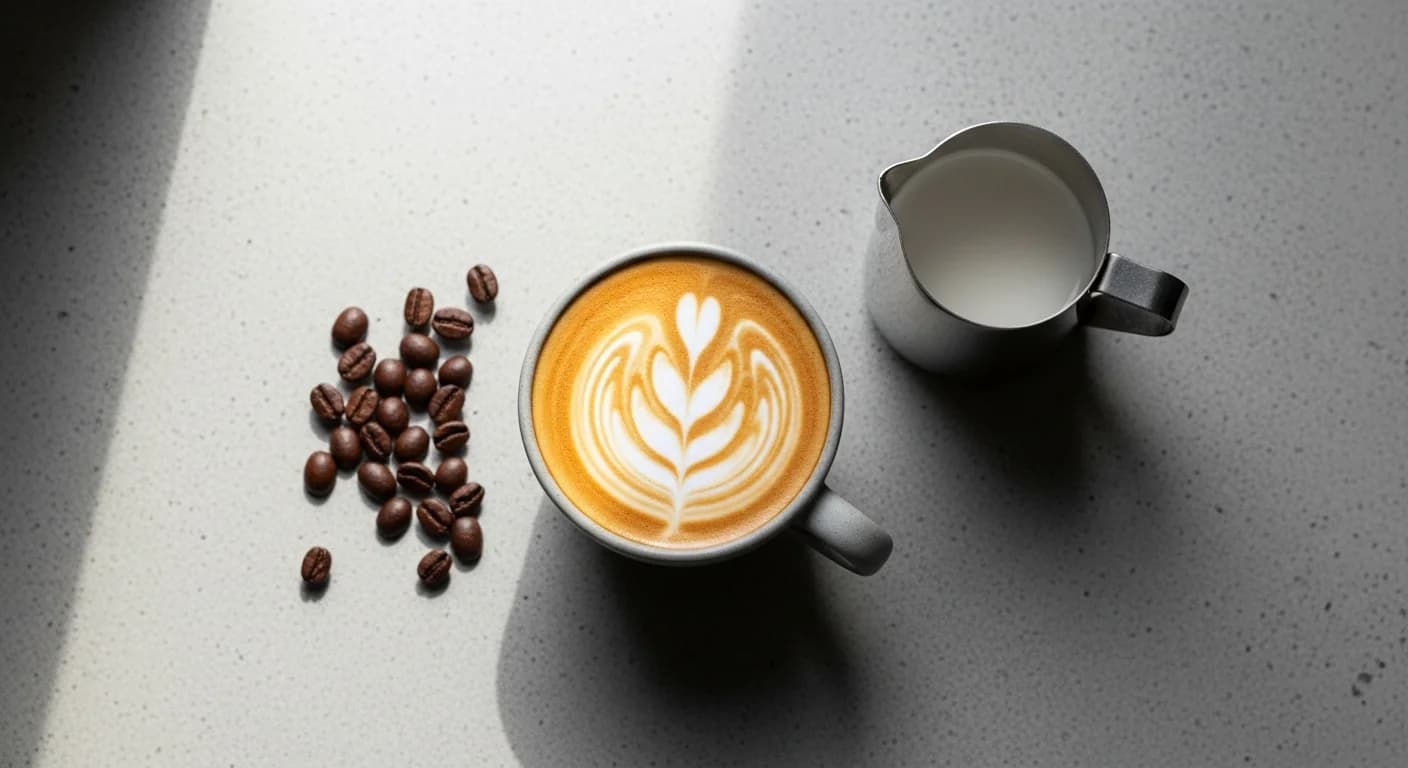
Ristretto in milk drinks Many specialty cafés and major chains offer ristretto-based espresso options for lattes and cappuccinos. The sweeter, more concentrated base integrates exceptionally well with steamed milk. If you find your latte tastes bitter, asking for ristretto shots often solves the problem.
Espresso
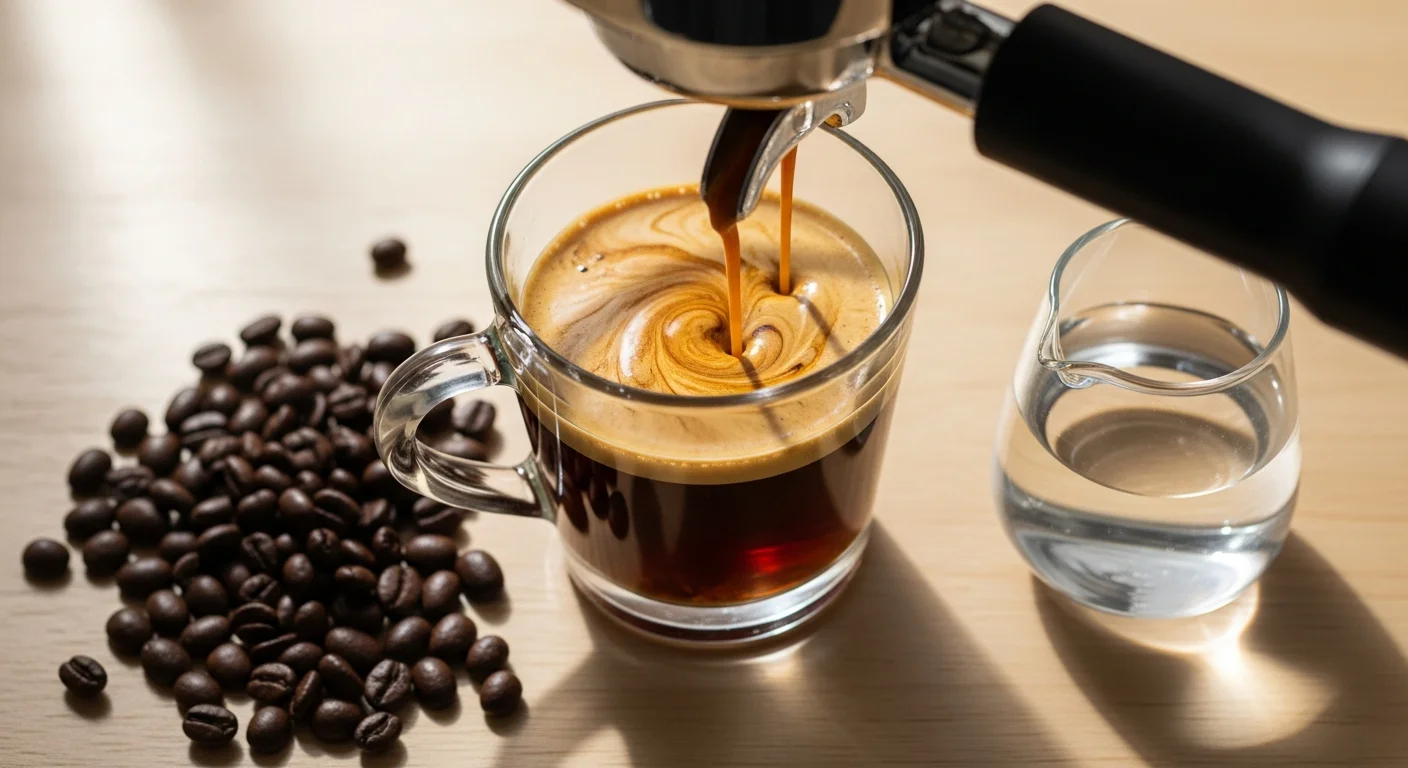
Espresso is the baseline against which all other espresso-based drinks are measured. Extracted at 9 bars of pressure for 25–35 seconds, yielding approximately 30ml from a single shot (60ml for a double).
Standard Parameters
| Parameter | Single | Double |
|---|---|---|
| Dose | 7–9g | 14–18g |
| Yield | 25–35ml | 50–60ml |
| Time | 25–35 sec | Same |
| Pressure | 9 bars | Same |
Flavor Profile
- Balanced bitterness, sweetness, and acidity
- Crema: The golden-brown foam that forms on top
- Long finish: Aftertaste lingers
- Versatile: The base for all milk-based drinks
Lungo
Lungo means "long" in Italian. More water is pushed through the same dose, producing a longer extraction of approximately 60ml.
Flavor Profile
- Stronger bitterness: More bitter compounds are extracted
- More acidic: Extended extraction pulls out more acidic compounds too
- Thinner crema: Diluted by the extra water
- Slightly watery: Can feel thin compared to espresso
Lungo vs Americano
These two drinks look similar — both are essentially "weaker espresso" — but the process is fundamentally different:
- Lungo: The machine pushes ~60ml of water through the puck during extraction (over-extraction)
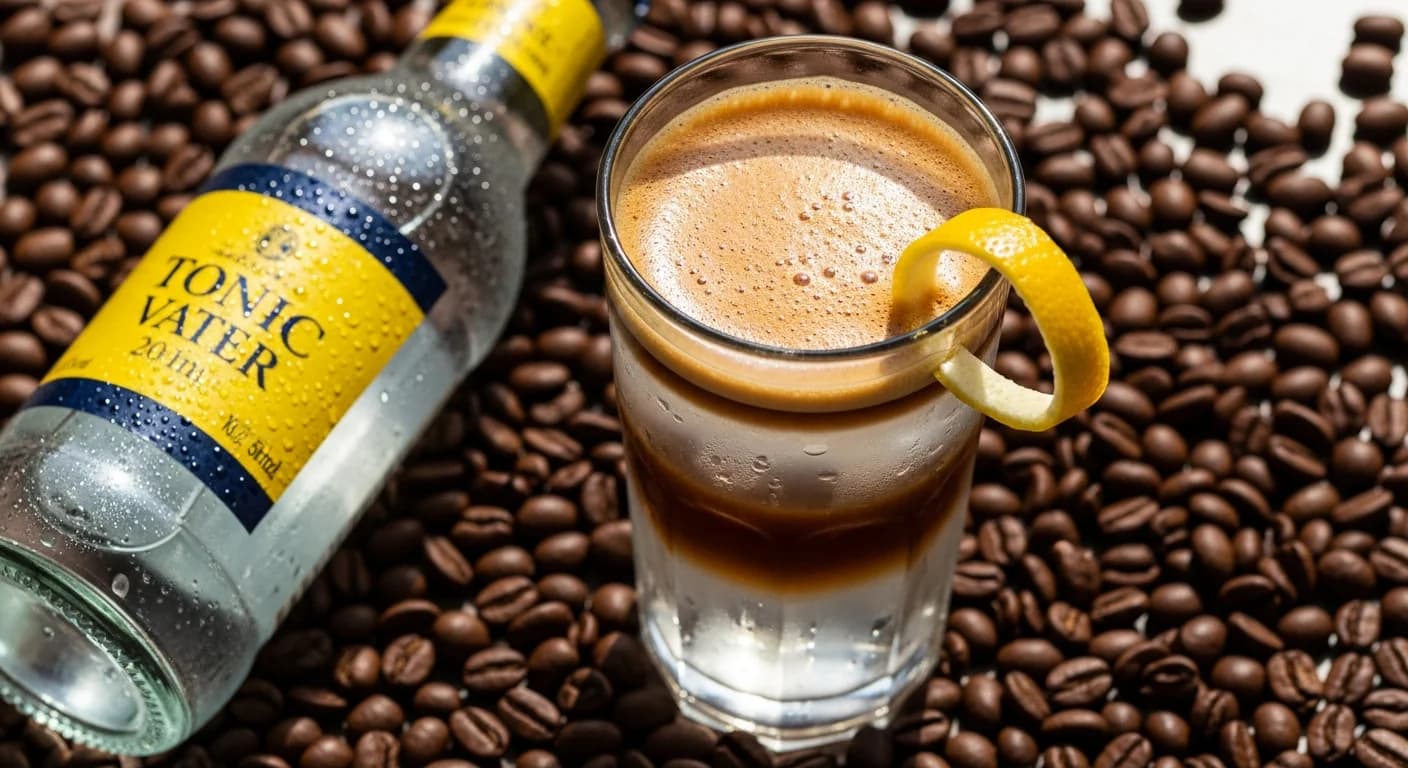
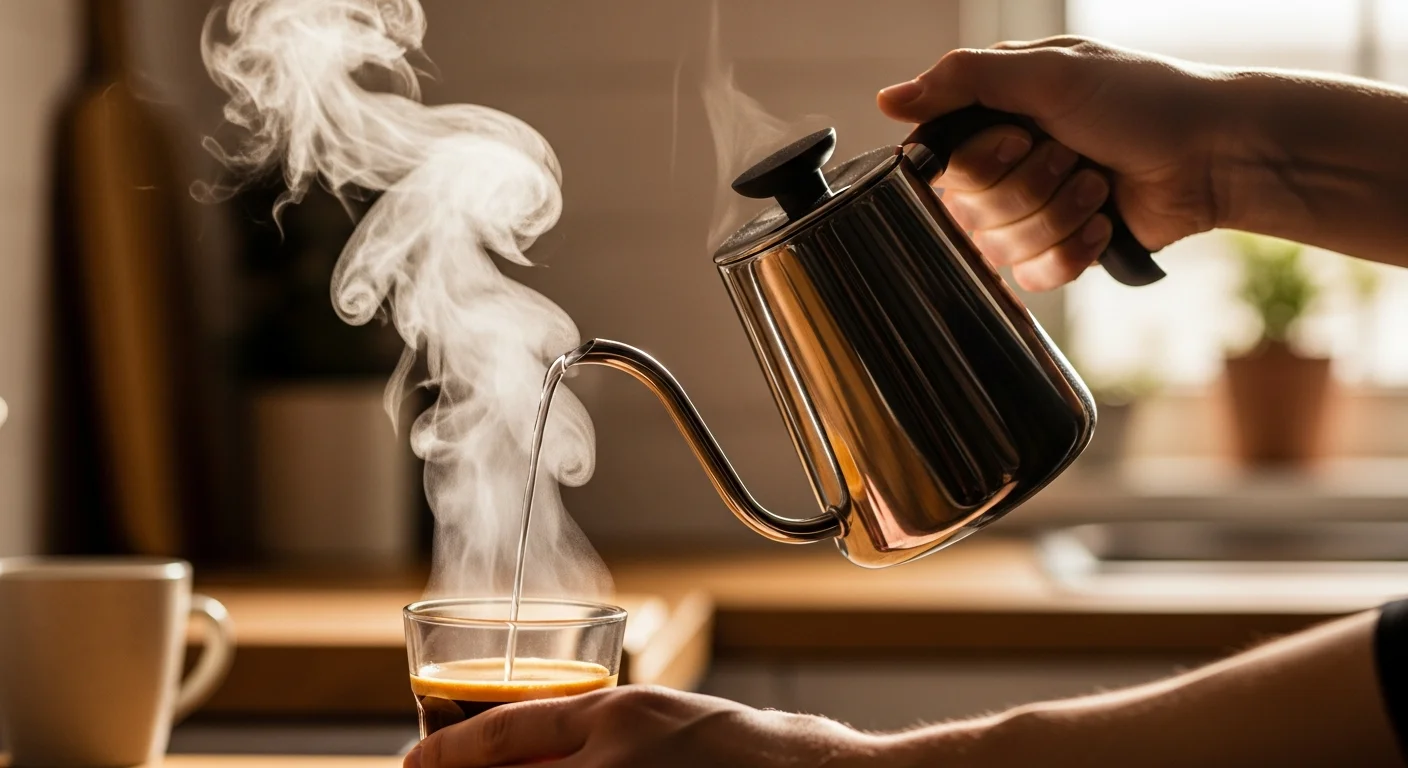
- Americano: A standard espresso shot is pulled first, then hot water is added afterward
This difference matters. In a lungo, all that water passes through the grounds, extracting compounds that a normal espresso doesn't reach. In an Americano, the espresso itself is standard — you're just diluting it.
Result: Americano tastes cleaner than lungo.
Americano
The name "Americano" has a popular wartime origin story. American soldiers stationed in Italy during World War II reportedly diluted Italian espresso with hot water to approximate the drip coffee they were used to.
How to Make It
- Pull a double espresso (about 60ml)
- Add hot water to the cup first (90–150ml depending on preference)
- Pour the espresso over the water
Why Add Water First?
Adding espresso to hot water preserves the crema on top, giving a more attractive, professional presentation. The reverse (pouring water onto espresso) breaks the crema.
Flavor Profile
- Clean and mild: No over-extraction, so less bitterness than lungo
- Resembles drip coffee: Similar in volume and strength, but with espresso's characteristic body
- Adjustable: Control strength by varying the water-to-espresso ratio
Long Black vs Americano The "long black" is nearly identical to an Americano and is the standard term in Australia and New Zealand. The key distinction: a long black is almost always made by pouring espresso over the water (not the other way), and preserving the crema is considered essential. In practice, the taste difference is minimal.
The Extraction Curve: Why They Taste Different
The flavor difference between these four drinks comes from when extraction stops:
Early extraction  →  Middle  →  Late extraction
[Acids + Sweetness]  [Balance]  [Bitterness + Astringency]
      ↑                 ↑              ↑
  Ristretto         Espresso         Lungo
- Ristretto captures only the first, sweetest fraction
- Espresso captures the balanced middle portion
- Lungo continues into the bitter, less desirable late compounds
Americano doesn't change the extraction — it just dilutes the balanced espresso result.
When to Choose Each
| Situation | Best Choice |
|---|---|
| Exploring origin sweetness | Ristretto |
| Milk drink base (latte/cappuccino) | Double espresso or ristretto |
| Large black coffee | Americano |
| Want intensity without milk | Lungo (if you like bitterness) |
| Standard espresso experience | Single or double espresso |
Summary
- Ristretto (~15ml): Half the water → concentrated sweetness, minimal bitterness
- Espresso (~30ml): Standard extraction → balanced reference point
- Lungo (~60ml): Double the water → more bitterness and acid, thinner body
- Americano: Standard espresso + hot water added afterward → clean, larger volume
The next time you order at a specialty café, these distinctions will help you choose what actually matches your preferences — not just what sounds familiar.
Related Articles
About the AuthorExpert Reviewed

Coffee Guide Editorial
A team of certified writers and baristas with hands-on experience at origin farms and roasteries. We deliver practical, experience-backed guides on bean selection, brewing methods, and equipment reviews.
Credentials & Experience
- J.C.Q.A. Certified Coffee Instructor
- SCA Certified Barista
- 5+ years running a specialty roasting café
- 200+ coffee beans tasted annually