Barista World Championships — WBC, WLAC, WBrC and Japanese Competitors
PRThis article contains affiliate links
Key Takeaways
- The World Barista Championship has been held since 2000 and is the pinnacle of competitive coffee
- Multiple competition categories exist including latte art, brewers cup, and roasting
- Japanese baristas have earned finalists positions at WBC and consistently excel in latte art competitions
Coffee competitions have done more than crown champions — they have transformed baristas from service workers into recognized craft professionals, accelerated technique development across the industry, and introduced entire categories of origin and processing to wider audiences. No other mechanism has elevated the barista's role in the specialty coffee movement as effectively as competitive performance.
This guide explains the major categories of international coffee competition, how they are judged, and what Japanese competitors have contributed to the global stage.
The Origins of Coffee Competition
The first World Barista Championship (WBC) was held in Monaco in 2000, organized through a collaboration between national barista associations. What began as a focused espresso competition has grown into a comprehensive competition structure — the World Coffee Championships (WCC) — now administered by the SCA (Specialty Coffee Association), encompassing multiple disciplines held throughout each year.
What Is the WCC?
The World Coffee Championships is the umbrella organization for competitive coffee, operating under SCA governance. It organizes national qualifying competitions and the annual world championships across all disciplines. Its purpose is to advance excellence in the coffee profession globally.
Competition Categories
1. World Barista Championship (WBC)
The most prestigious coffee competition in the world. Competitors have 15 minutes to serve a full sequence to four judges (three sensory judges, one technical judge).
Required service (one set):
- Espresso: 4 cups
- Milk-based drink: 4 cups
- Signature beverage (competitor-created): 4 cups
Scoring combines sensory points (flavor, balance, aftertaste) with technical points (accuracy, cleanliness, efficiency).
The signature beverage round is the competition's most watched moment — competitors create an original coffee-based drink using any ingredients except alcohol, and explain its concept and connection to the main espresso. This is where individual philosophy and creativity are most visible.
2. World Latte Art Championship (WLAC)
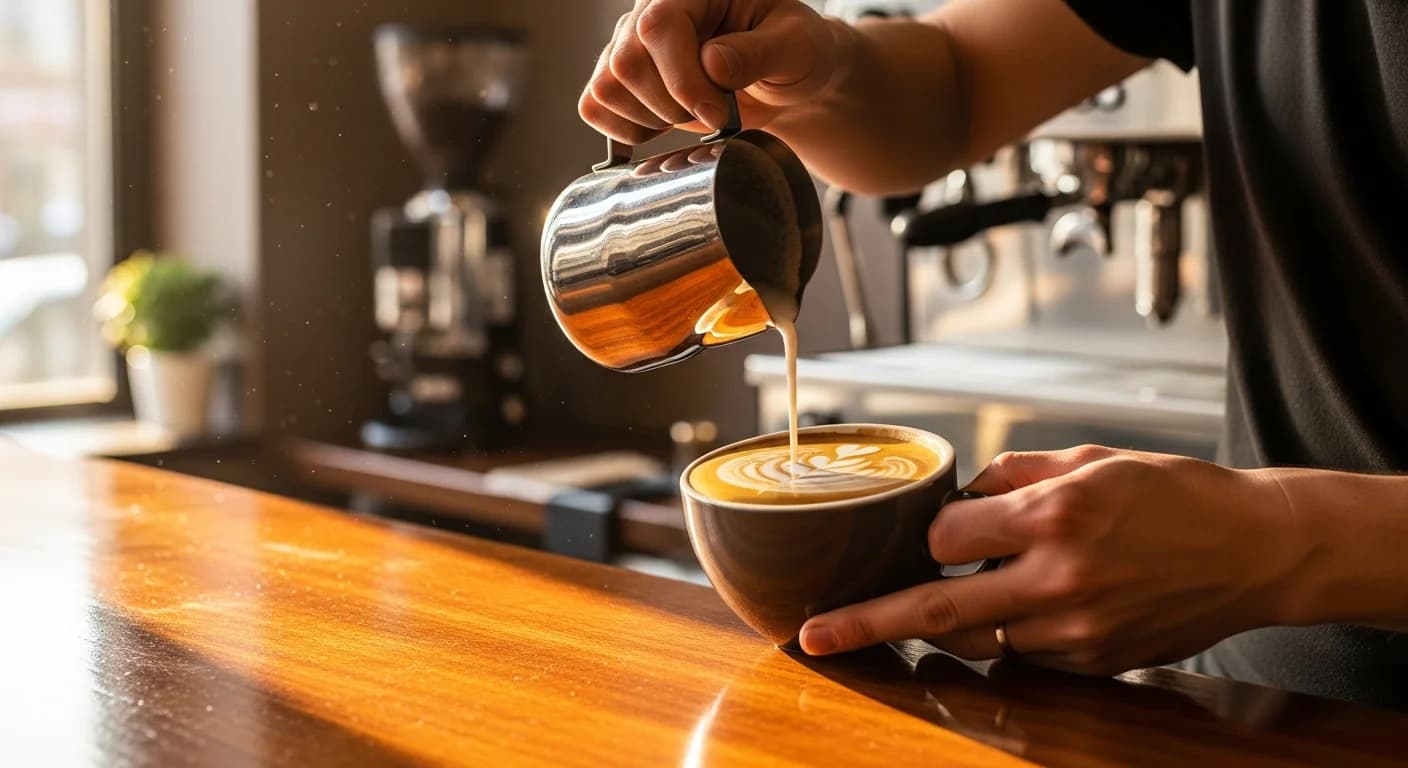
Competitors create freehand milk art designs in espresso-based drinks, judged on visual accuracy, creativity, difficulty, and consistency across multiple attempts.
Japanese baristas have historically been strong performers in latte art competitions, reflecting the precision and aesthetic sensibility embedded in Japanese craft culture.
3. World Brewers Cup (WBrC)
This competition focuses on non-espresso manual brewing — competitors prepare and serve a brewed coffee to sensory judges using any manual brewing device (pour-over, AeroPress, Chemex, etc.). There are both open service rounds (competitor's choice of coffee and method) and compulsory service rounds.
4. World Cup Tasters Championship (WCTC)
Competitors must identify the "odd one out" in a series of triangulated coffee sets — three cups in each flight, two identical and one different. The fastest accurate competitor wins. This discipline tests sensory memory, olfactory precision, and speed.
5. World Coffee Roasting Championship (WCRC)
Here the focus shifts from barista to roaster. Competitors are given identical green coffee samples and must produce the best possible roast, judged on the resulting cup quality. This competition elevates the roaster's craft alongside the barista's.
Watch Competition Videos
Full competition routines, including WBC signature beverage performances, are available on the WCC official YouTube channel. Even a few minutes of watching a WBC finalist's 15-minute routine will demonstrate the technical and creative depth that competition-level coffee involves.
How WBC Scoring Works
WBC uses a 100-point scale with four main dimensions:
| Category | Description |
|---|---|
| Technical | Extraction accuracy, timing, cleanliness, equipment use |
| Sensory | Flavor, balance, and finish of espresso, milk drinks, and signature |
| Interaction | Presentation quality, communication of coffee story to judges |
| Overall | Consistency, professionalism, impression across the full routine |
Competitors must present the origin story, processing method, and extraction parameters (dose, yield, temperature, time) for the coffee they use. Both technical knowledge and expressive communication are evaluated.
Japanese Baristas on the World Stage
Japanese competitors have repeatedly reached the finals of the WBC, demonstrating that Japan's specialty coffee scene operates at world-class technical and creative levels. In latte art competitions, Japanese baristas are considered among the world's strongest, with multiple world championship wins on record.
Japan Barista Championship (JBC)
Japan's national qualifier — the JBC (Japan Barista Championship) — selects the Japanese representative for WBC. Regional qualifying rounds feed into the national final, which is held annually. The JBC is a significant event in Japan's specialty coffee calendar.
Competition's Impact on Coffee Culture
Technique elevation: Competition training drives research into every variable — water chemistry, grind distribution, extraction physics — that improves everyday café quality.
Origin discovery: When a WBC finalist uses a rare natural-process Ethiopian lot, that origin often becomes sought-after by roasters worldwide. Competition accelerates the recognition of exceptional coffees.
Professional status: Competition legitimizes baristas as professionals with specialized knowledge, encouraging younger generations to pursue coffee as a serious career.
Summary
Coffee competitions are one of the engines driving the specialty coffee movement forward.
- WBC: The pinnacle — espresso precision plus creative signature drinks, all in 15 minutes
- WLAC: Milk art as aesthetic craft
- WBrC: Manual brewing mastery across any device
- WCRC: Roasting excellence judged by the cup
Watching even one world-level competition performance will permanently change how you understand what goes into a great cup of coffee — and the seriousness of the people who make them.
Related Articles
- Coffee Certifications in Japan — A Guide to Barista and Coffee Qualifications
- Australian Coffee Culture — The Flat White and Melbourne's World-Class Café Scene
- The Coffee 2050 Problem — Climate Change Impact on Coffee Cultivation
- Coffee, Focus, and Mental Health — How Caffeine Affects Productivity
- Coffee During Pregnancy — Safe Caffeine Limits and What to Know
About the AuthorExpert Reviewed
Coffee Guide Editorial
A team of certified writers and baristas with hands-on experience at origin farms and roasteries. We deliver practical, experience-backed guides on bean selection, brewing methods, and equipment reviews.
Credentials & Experience
- J.C.Q.A. Certified Coffee Instructor
- SCA Certified Barista
- 5+ years running a specialty roasting café
- 200+ coffee beans tasted annually