Coffee and Food Pairing Guide: Best Foods for Light and Dark Roasts
PRThis article contains affiliate links
Key Takeaways
- Roast level is the most reliable starting point for coffee-food pairing — light roasts align with fruit-forward foods, dark roasts with chocolate and rich desserts
- Complement (matching similar flavors) and contrast (opposing flavors) are both valid approaches and work differently
- Coffee bitterness balances sweetness, and coffee acidity is amplified or mellowed by salty foods
Coffee pairing does not require the systematic study that wine pairing demands, but a basic framework makes the difference between random trial and deliberate choice. The most useful starting point is roast level — it predicts the dominant flavor profile and narrows the range of useful pairings significantly.
Two Pairing Approaches
Complement: Match foods that share flavor compounds with the coffee. A coffee with caramel and hazelnut notes paired with a hazelnut tart creates resonance — the shared elements become more prominent in both.
Contrast: Pair foods with opposing flavor characteristics. A bright, acidic light roast paired with a salted cracker creates contrast — the salt rounds the acidity while the coffee cleanses the palate. Neither approach is better; they create different experiences.
By Roast Level
Light Roast
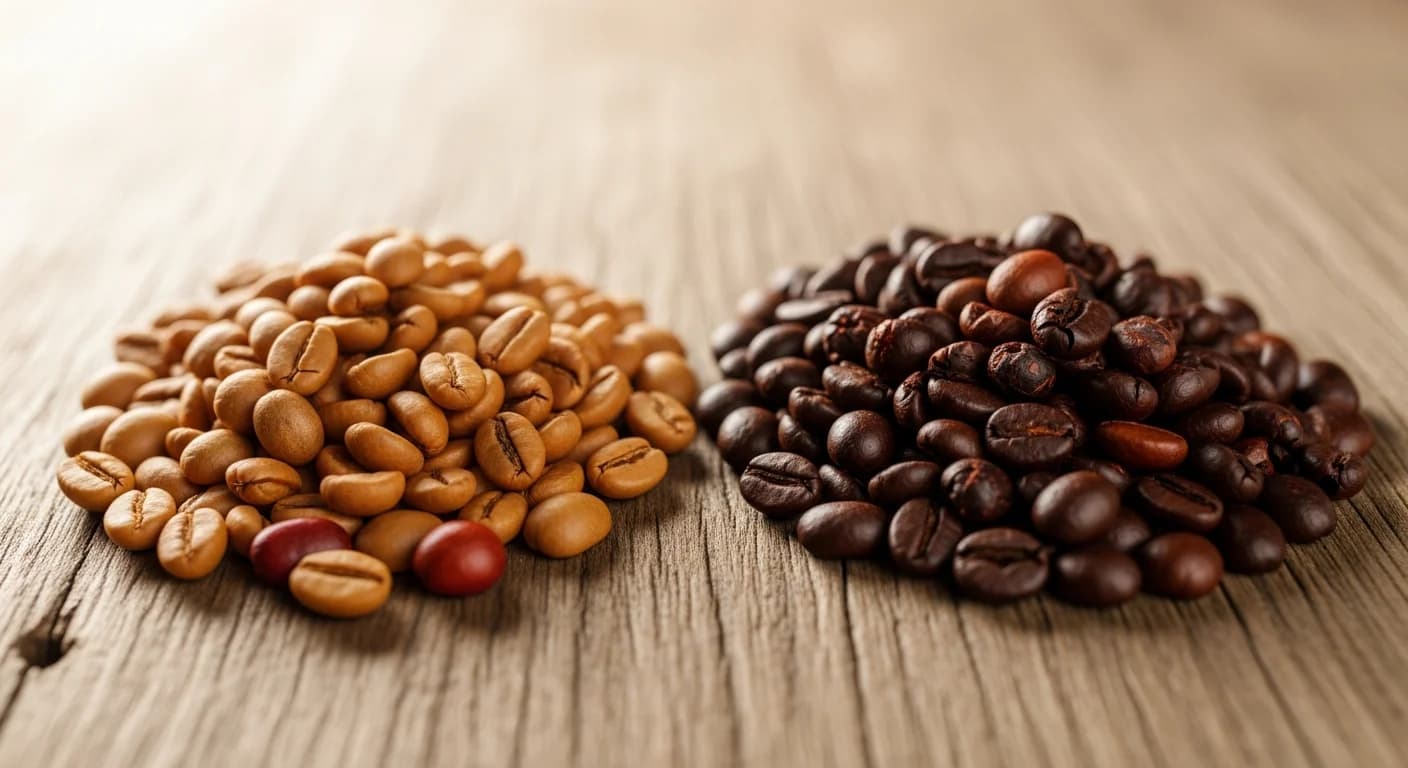
Light roasts retain more of the coffee bean's original character. Expect fruit (berry, citrus, stone fruit), floral notes, and vivid acidity. Ethiopian and Kenyan coffees are typical examples.
Recommended pairings
| Food | Reason |
|---|---|
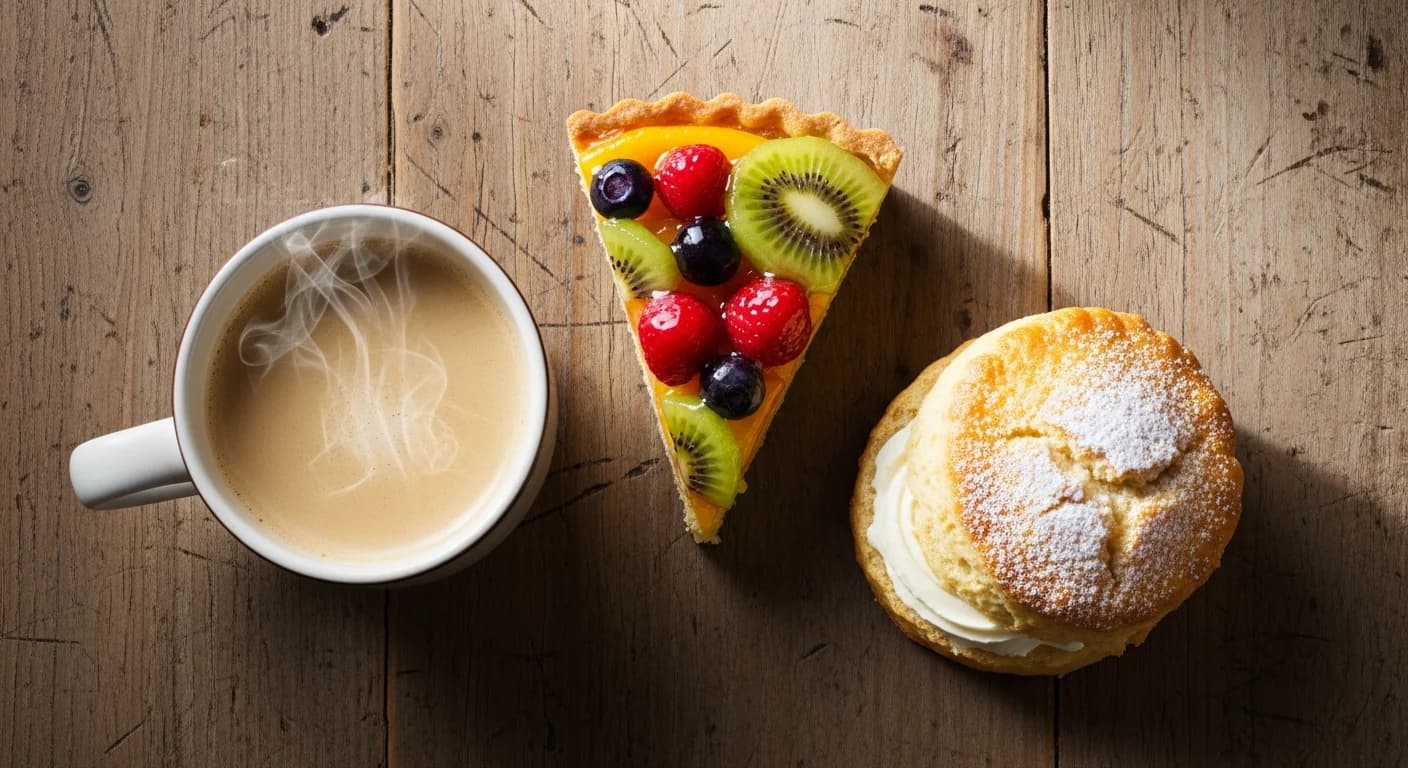
| Fruit tart | Resonates with fruit-forward coffee character |
| Chiffon cake | Delicate sweetness does not overwhelm light acidity |
| Cream cheese scone | Dairy fat complements fruit-acid balance |
| Yogurt panna cotta | Lactic acidity aligns with coffee acidity |
| Plain biscotti | Neutral sweetness lets the coffee lead |
Drink light roasts without sugar: The nuanced fruity and floral notes in light roast coffee are easy to cover up. Sugar masks them. Try the coffee black alongside mildly sweet foods and see how much more complexity is available.
Medium Roast
Medium roast is the most versatile category — balanced acidity and sweetness with caramel and nutty notes common across origins.
Recommended pairings
| Food | Reason |
|---|---|
| Banana bread | Caramel notes in the coffee align with banana sweetness |
| Blueberry muffin | Berry acidity echoes coffee's fruit character |
| Almond croissant | Butter richness amplifies coffee sweetness |
| Milk chocolate | The sweetness balances without overwhelming |
| Cheese danish | Fat and pastry complement the coffee's round body |
Dark Roast
Dark roasts develop bittersweet, chocolatey, sometimes smoky or roasted grain notes at the expense of origin character. Rich, sweet, and creamy foods complement these profiles well.
Recommended pairings
| Food | Reason |
|---|---|
| Dark chocolate (70%+) | Mirrors bittersweet coffee character |
| Cheesecake | Cream richness absorbs and balances bitterness |
| Canelé | Caramelized crust resonates with dark roast |
| Tiramisu | Classic pairing — mascarpone softens espresso bitterness |
| Peanut butter cookie | Nut oil rounds bitter edges |
Dark roast and sweetness: Heavily bitter dark roast coffee pairs more effectively with moderately sweet foods than with very sweet ones. Very sweet desserts can make the coffee taste harsh rather than complex. Aim for balance, not maximum sweetness.
By Brew Method
Espresso: High concentration, low volume — pairs with small, intense foods. Italian tradition: espresso with cantuccini (almond biscotti), chocolate truffles, or a small amaretto cookie. The intensity calls for equal intensity in the food.
French press / cold brew: Full body, low acidity, more oil — unexpectedly good with salty foods. Aged cheddar, salted almonds, or prosciutto work in ways that lighter coffees do not. The fat and salt in the food create contrast.
Pour-over / drip: Clean, clear flavor, moderate body — the most versatile for food pairing. Works with simple breakfast foods (toast, eggs), pastries, and most light to medium-sweet desserts.
By Coffee Origin
| Origin | Dominant notes | Good food matches |
|---|---|---|
| Ethiopia | Berry, citrus, floral | Fruit desserts, yogurt, light cakes |
| Kenya | Blackcurrant, tomato, bright acid | Berry desserts, aged cheese |
| Colombia | Caramel, hazelnut | Banana bread, milk chocolate |
| Brazil | Nuts, chocolate, low acid | Cookies, brownies, chocolate cake |
| Guatemala | Dark chocolate, smoky | Dark chocolate, carrot cake |
| Indonesia | Earthy, spice, full body | Smoked cheese, dense nut breads |
Summary
- Light roast → fruit-forward and delicate foods; dark roast → chocolate, rich cream, intense flavors
- Complement (same flavor direction) and contrast (opposing flavors) are both useful — try both
- Espresso pairs with small and intense foods; drip coffee pairs broadly
- No pairing is wrong — this is a starting point, not a rule
Related Articles
- Homemade Coffee Syrup Recipes: Vanilla, Caramel, and Hazelnut
- How to Make Cafe Latte at Home: A Complete Beginner's Guide
- Cappuccino Recipe: Complete Guide Including How to Make Foamy Milk
- Caramel Latte Recipe: Recreate the Café Flavor at Home
- Coffee Dessert Recipes: Tiramisu, Coffee Jelly, Affogato, and More
About the AuthorExpert Reviewed

Coffee Guide Editorial
A team of certified writers and baristas with hands-on experience at origin farms and roasteries. We deliver practical, experience-backed guides on bean selection, brewing methods, and equipment reviews.
Credentials & Experience
- J.C.Q.A. Certified Coffee Instructor
- SCA Certified Barista
- 5+ years running a specialty roasting café
- 200+ coffee beans tasted annually