Coffee Omakase — Japan's Tasting Menu Format for Specialty Coffee
PRThis article contains affiliate links
Key Takeaways
- Coffee omakase is a counter-seated tasting course where the barista selects all beans, brewing methods, and pairings — guests surrender the choices entirely
- The format adapts Japan's restaurant omakase tradition to specialty coffee and has spread to New York, London, Seoul, and Singapore
- Sessions typically involve 3–5 coffees with barista narration, and cost ¥3,000–15,000 per person
In Japan, omakase (おまかせ) means "I leave it to you." Applied to a restaurant, it means the chef decides everything — what you eat, in what order, prepared how. The diner surrenders the menu in exchange for the chef's full creative and professional attention.
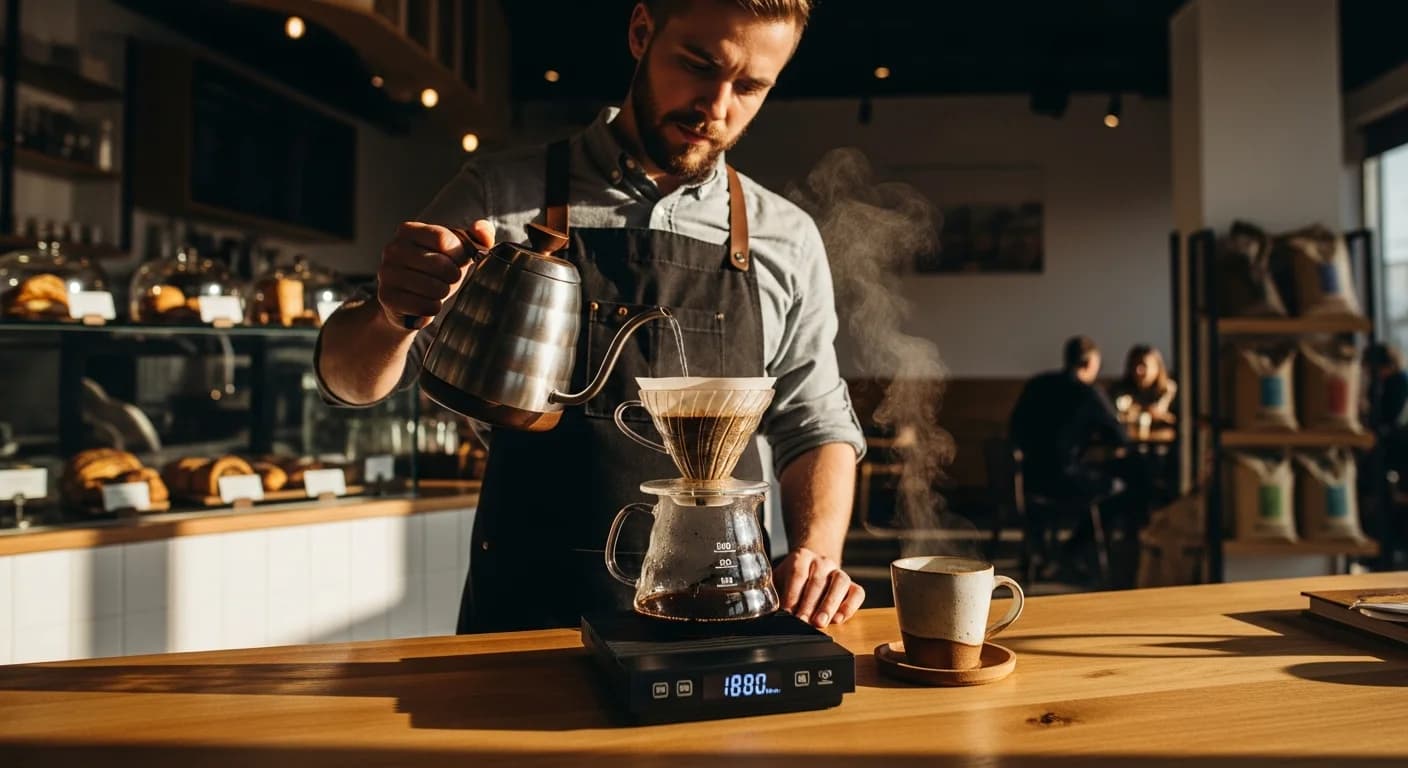
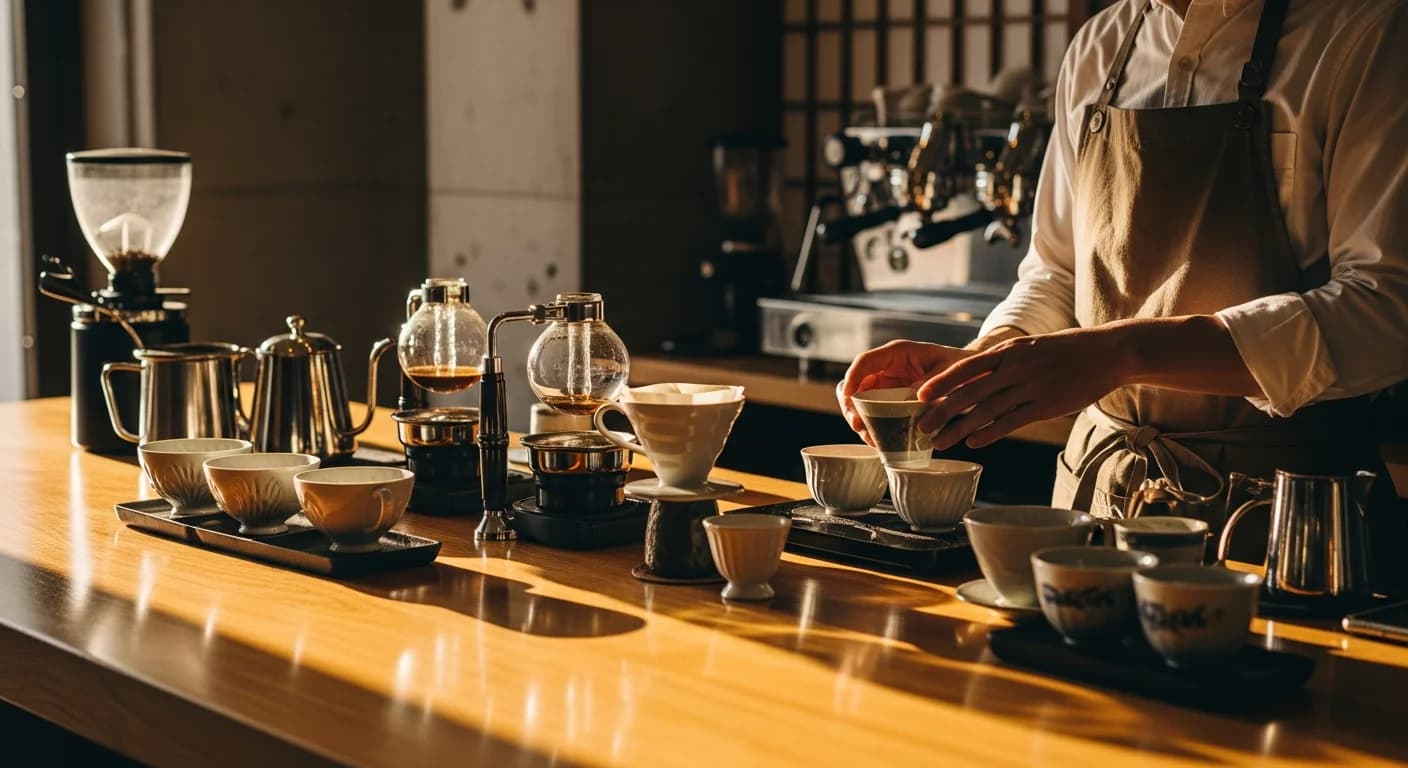
This tradition has crossed into specialty coffee. Coffee omakase is a counter-seated, multi-course coffee tasting in which the barista selects the beans, extraction methods, sequencing, and pairings — and narrates the experience throughout. You drink what you're served and ask questions along the way.
What Coffee Omakase Involves
In a standard café, you choose from a menu. In a coffee omakase, the barista chooses everything. A typical session includes:
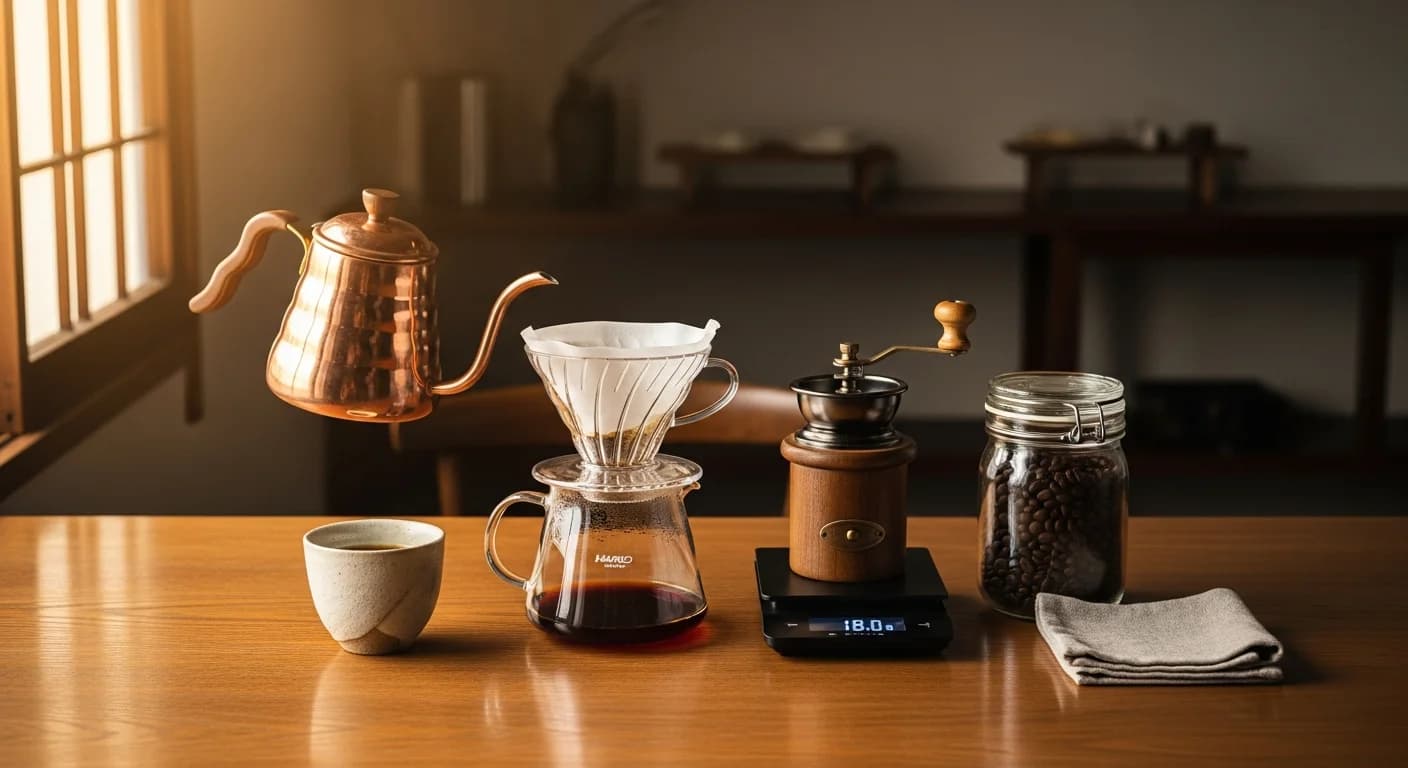
- A sequence of 3–5 coffees from different origins, processed differently, extracted by different methods
- Each served with explanation of the farm, varietal, processing technique, and flavor intent
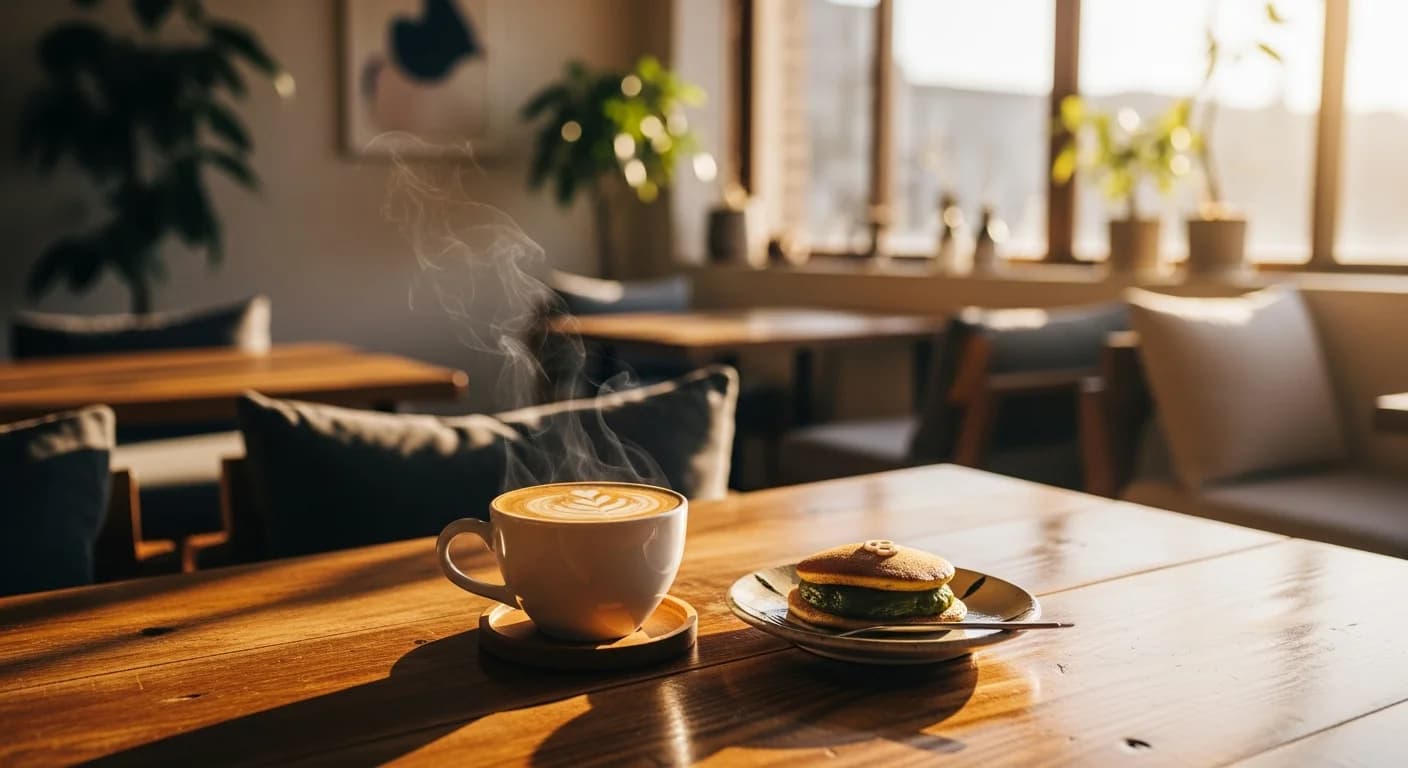
- Pairings with small food items (pastry, chocolate, fresh fruit, cheese)
- A conversational, educational exchange between barista and guests
The analogy to sushi omakase is direct: as a sushi chef works with what is best today, a coffee omakase barista builds a course around the best available beans at peak freshness and condition.
Why This Emerged in Japan
Coffee omakase reflects a distinctly Japanese cultural structure: trust extended to the expert professional, and the belief that the professional's judgment will exceed what the customer could choose for themselves. This trust is foundational to all omakase formats — sushi, kaiseki, French. The intersection with specialty coffee's growing expertise base made the application natural. Japan's advanced coffee consumer culture also creates an audience willing to pay for the experience.
A Typical Session Structure
Arrival and introduction: Most coffee omakase spaces seat 2–8 guests at a counter directly facing the barista. The session begins with an explanation of the day's theme — "three Ethiopian naturals from different processing stations" or "a journey from light to dark across three continents."
Course 1: Typically a delicate, bright coffee — an Ethiopian washed served as a precise pour-over — to calibrate palates.
Course 2: A contrast in origin or processing — a Kenyan with savory, wine-like qualities served via AeroPress.
Course 3: Something unexpected — a Colombian natural as espresso, or a rare varietal.
Course 4 or 5: A closing cup that might be cold-brew, a geisha, or a dessert pairing to finish.
Between cups: Water to reset the palate; barista narration about each coffee's background; questions welcome and encouraged.
Finale: Overview of what was served; option to purchase beans to take home.
The Value of the Experience
Coffee in Context
Drinking coffee with knowledge of its origin, processing, and roasting intention changes the experience fundamentally. The same sensory properties mean different things when understood — a citric brightness isn't just "sour" but the characteristic of washed Ethiopian processing in high altitude.
Direct Barista Dialogue
Coffee omakase creates space for conversation that standard café service rarely allows. "Why this extraction for this bean?" is a question a barista in an omakase setting will answer in detail and with enthusiasm.
Comparative Tasting
Sequential tasting of different coffees makes differences visible that would be invisible in isolation. The contrast between a washed and a natural from the same farm, or between the same bean extracted as espresso vs. pour-over, reveals dimensions of flavor that single-cup drinking doesn't.
To Get the Most From Coffee Omakase
- Avoid strongly flavored food in the 1–2 hours before the session
- Drink the water provided between cups — it resets the palate
- Ask questions freely — there are no basic questions in an educational tasting context
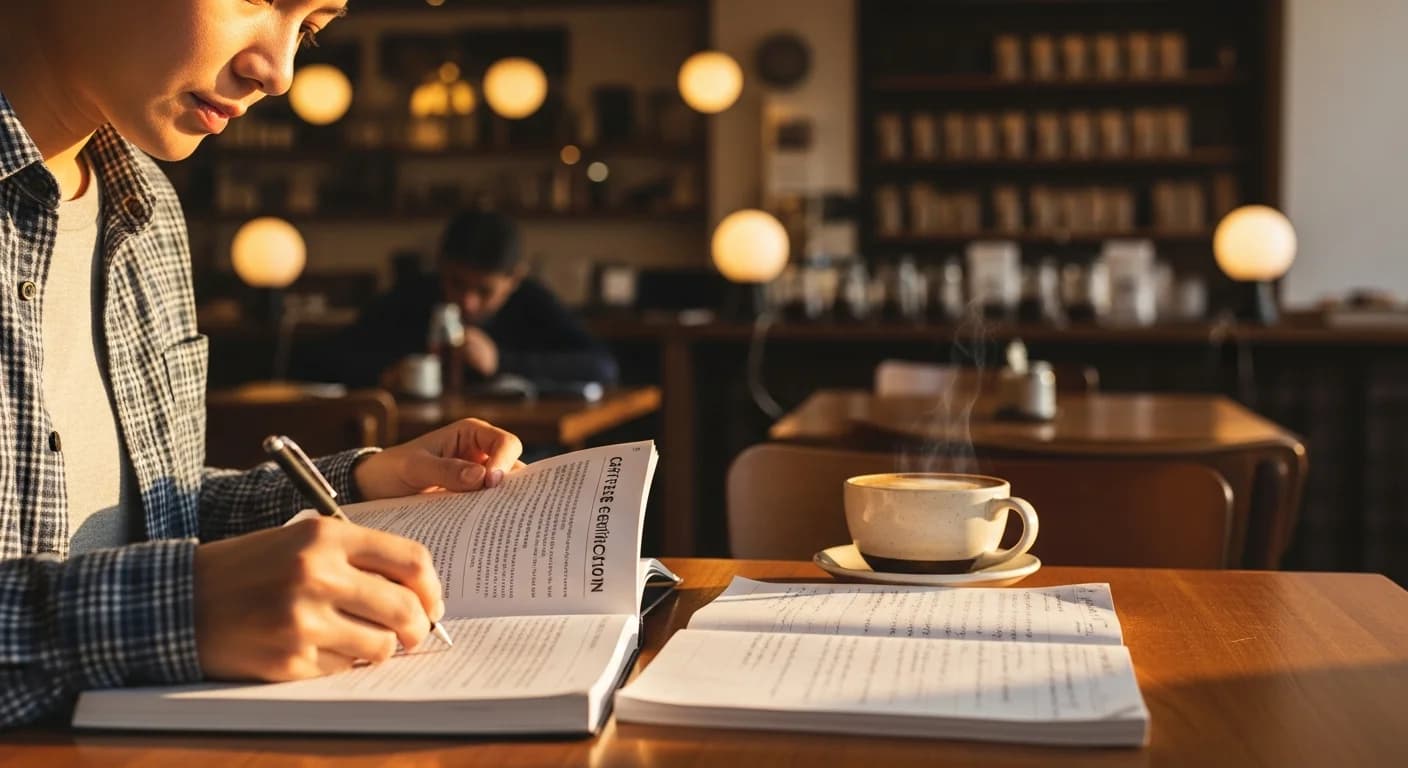
- Take notes if you want to; baristas are accustomed to guests doing this and may appreciate the attention
Pricing
| Format | Price per person (approximate) |
|---|---|
| 3–4 cups, no food pairing | ¥3,000–5,000 |
| Full course with food pairing | ¥5,000–8,000 |
| Premium / rare bean focus | ¥8,000–15,000+ |
Expensive relative to a standard café visit — but comparable to an afternoon wine tasting or entry-level omakase dining.
Finding Coffee Omakase
In Japan:
- Search Instagram for コーヒーおまかせ or coffee omakase Japan
- Specialty coffee community social media and Discord servers
- Curated restaurant guides for Tokyo (Tablecheck, Omakase platform, etc.)
Internationally, the concept has spread to:
- New York: Several specialty cafés offer omakase-style tasting sessions
- London: Increasingly available in the specialty café scene
- Seoul, Singapore: Growing adoption in advanced specialty café markets
Summary
Coffee omakase is one of the most immersive ways to experience specialty coffee — a Japanese-origin format that turns a cup of coffee into an educational, social, and sensory event.
- Surrender the menu: The barista curates everything; the guest focuses entirely on experiencing
- Learning through tasting: Context and comparison make each cup more meaningful
- Japan's export to world coffee: The omakase format is spreading internationally as a distinctively Japanese contribution to coffee culture
If you visit Japan and engage seriously with its coffee culture, a coffee omakase session is among the most memorable things you can do.
Related Articles
- The Fourth Wave of Coffee — What Comes After Specialty?
- How to Open a Coffee Café in Japan — Licenses, Costs, and Steps
- Coffee Certifications in Japan — A Guide to Barista and Coffee Qualifications
- Fukuoka Coffee Guide — Specialty Cafés, Roasters, and Kissaten
- Japan's Specialty Coffee Roasters — 10 Notable Names to Know
About the AuthorExpert Reviewed
Coffee Guide Editorial
A team of certified writers and baristas with hands-on experience at origin farms and roasteries. We deliver practical, experience-backed guides on bean selection, brewing methods, and equipment reviews.
Credentials & Experience
- J.C.Q.A. Certified Coffee Instructor
- SCA Certified Barista
- 5+ years running a specialty roasting café
- 200+ coffee beans tasted annually