Japan's Kissaten Culture — From Showa Pure Cafés to Modern Coffee Shops
PRThis article contains affiliate links
Key Takeaways
- Japan's kissaten culture began in the Meiji era and reached its golden age in the Showa period
- The jun-kissaten (pure café) served coffee, music, and atmosphere as a distinctly Japanese third place
- Today kissaten culture is being rediscovered alongside the rise of specialty coffee in Japan
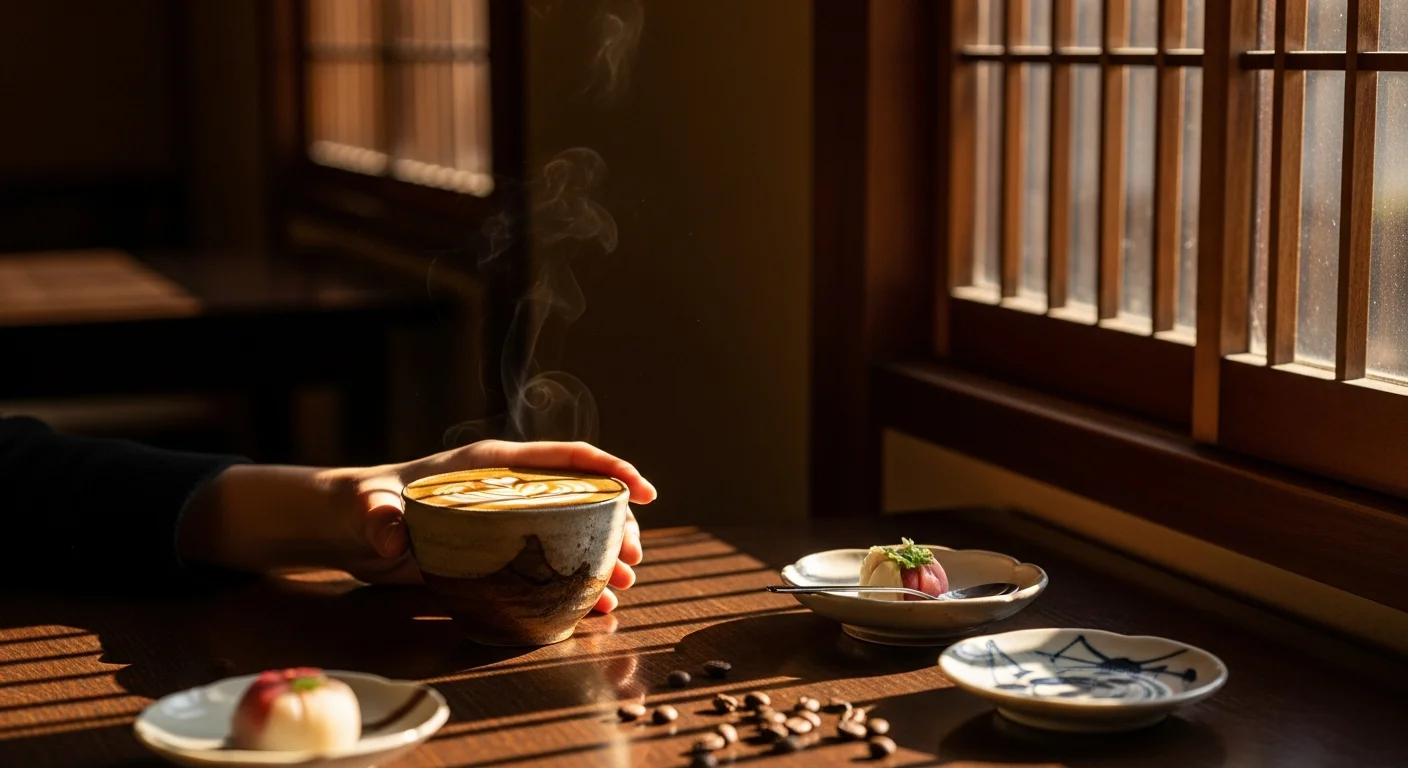
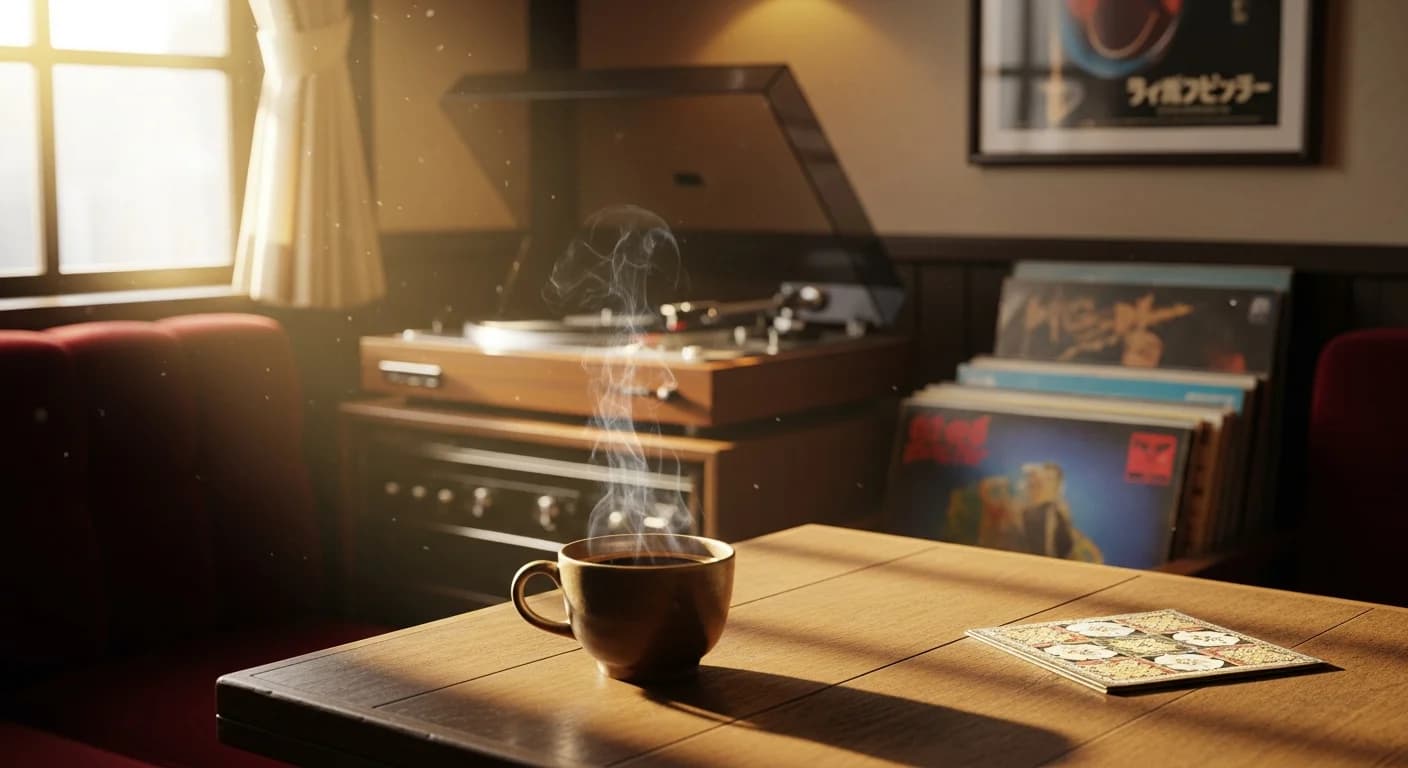
Walking through older parts of any major Japanese city, you might notice a weathered wooden sign bearing the character 珈琲 (coffee) over an unremarkable door. Step inside and you enter a world of Showa-era jazz records, the aroma of deep-roasted coffee, red velvet seating, and a clock that seems to move slower. This is the kissaten — Japan's traditional coffee house — and it represents one of the most distinctly Japanese contributions to global café culture.
This article traces the history of Japan's kissaten from its Meiji-era origins through the Showa golden age to the present-day revival and coexistence with specialty coffee.
Origins: Meiji and Taisho Eras
Japan's first dedicated coffee establishment is generally considered to be the Kahiichakan, which opened in 1888 in Ueno, Tokyo. During the Meiji era's rapid modernization, coffee arrived as a "civilization drink" associated with Western culture, appealing primarily to intellectuals and the upper class.
In the Taisho era (1912–1926), kafee (Westernized café houses) spread through major cities. These early establishments offered coffee alongside alcohol and featured female servers — they served as lively social venues reflecting the era's cosmopolitan energy.
Kafee vs Kissaten
The Taisho-era kafee served alcohol and operated as entertainment venues. After revisions to the entertainment business regulations in the 1930s, establishments serving only soft drinks (coffee, tea, juice) were clearly distinguished as kissaten. This distinction is the root of the modern jun-kissaten (pure café) concept.
The Showa Golden Era (1950s–1980s)
During Japan's postwar economic miracle, kissaten proliferated dramatically. At their peak in the 1980s, Japan reportedly had around 150,000 kissaten nationally — an astonishing density that reflected how central they had become to daily life.
What Defined the Jun-Kissaten
The jun-kissaten (literally "pure coffee shop") offered no alcohol — only coffee, tea, soft drinks, and light food. Its defining characteristics included:
1. Serious Coffee
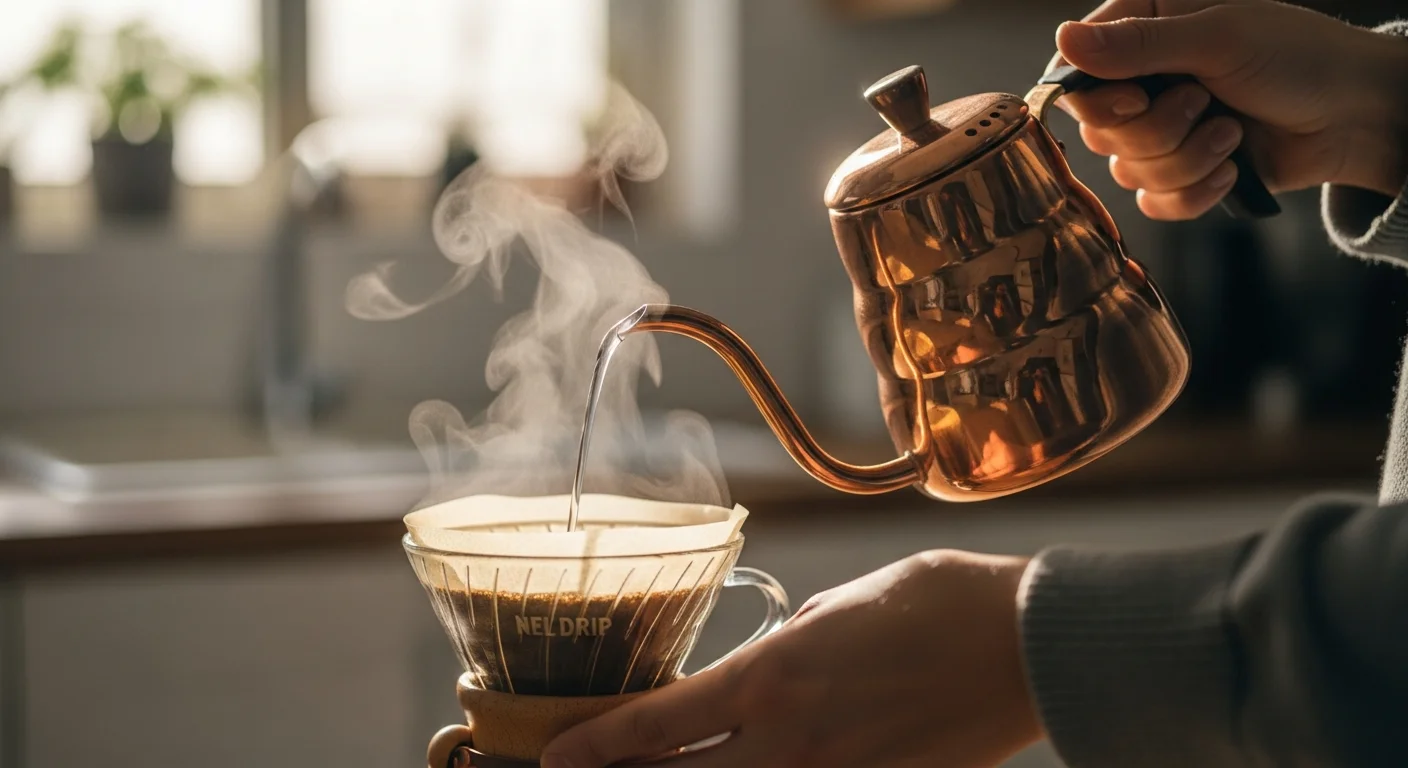
Pre-specialty coffee, the kissaten culture maintained genuine craft in coffee making. Siphon brewing and nel drip (flannel filter drip) were common methods, and deep-roast blends brewed with care and consistency. The dedication to the craft was real.
2. Music as Identity
Many kissaten built their identity around specific music genres. Jazz kissaten, classical meikyoku kissaten, and rock kissaten each offered a dedicated listening environment with high-quality audio — rare in an era when home audio was expensive.
3. Morning Service
The morning service — typically a piece of toast and a boiled egg provided with the price of a coffee — is associated especially strongly with Nagoya but was widespread nationally. It represented extraordinary value and embedded the kissaten in morning routines.
4. Distinctive Interiors
The classic kissaten aesthetic — dark wood counters, red velvet booth seating, dim lighting, oil paintings on the walls, a tobacco haze — became a recognizable genre of interior design that signaled a particular kind of experience.
The Social Role of the Kissaten
The Showa kissaten served functions beyond beverage service:
- Business space: Meeting venue for commercial negotiations and job interviews
- Cultural salon: Gathering place for writers, artists, and intellectuals
- Study space: Long-stay studying, especially for university entrance exam students
- Third place: Neither home nor office — a neutral space for unhurried presence
Meikyoku Kissaten
Among the most distinctly Japanese café formats is the meikyoku kissaten (classical music café), where curated record albums are played on high-fidelity audio systems for quiet, attentive listening. In an era before personal audio was affordable, these spaces offered access to musical experiences otherwise unavailable. Several still operate in Tokyo's Jimbocho and Shinjuku areas.
Transition: Post-Bubble to Chain Café Era (1990s–2000s)
After the bubble economy collapsed in the early 1990s, kissaten numbers fell sharply. The rise of self-service chain cafés — Doutor (founded 1980), then Starbucks Japan from 1996 — undercut individual operators with lower prices and consistent quality.
The 2000s brought Wi-Fi and laptop culture, shifting café function toward productivity spaces. Many old kissaten that could not adapt closed. At the same time, awareness of their cultural value began to grow among those who mourned their disappearance.
The Contemporary Revival (2010s–Present)
Since the 2010s, the kissaten has undergone significant cultural reappraisal. Younger generations discovered the aesthetic and atmosphere of Showa-era spaces through social media, triggering a jun-kissaten boom.
Drivers of the Revival
- Reaction against digital fatigue — desire for analog, unhurried experience
- Social media aesthetics — the visual character of Showa interiors photographs beautifully
- Genuine appreciation for the craft approach to deep-roast coffee
- Nostalgia in an era of rapid change
Specialty Coffee vs Kissaten Coffee
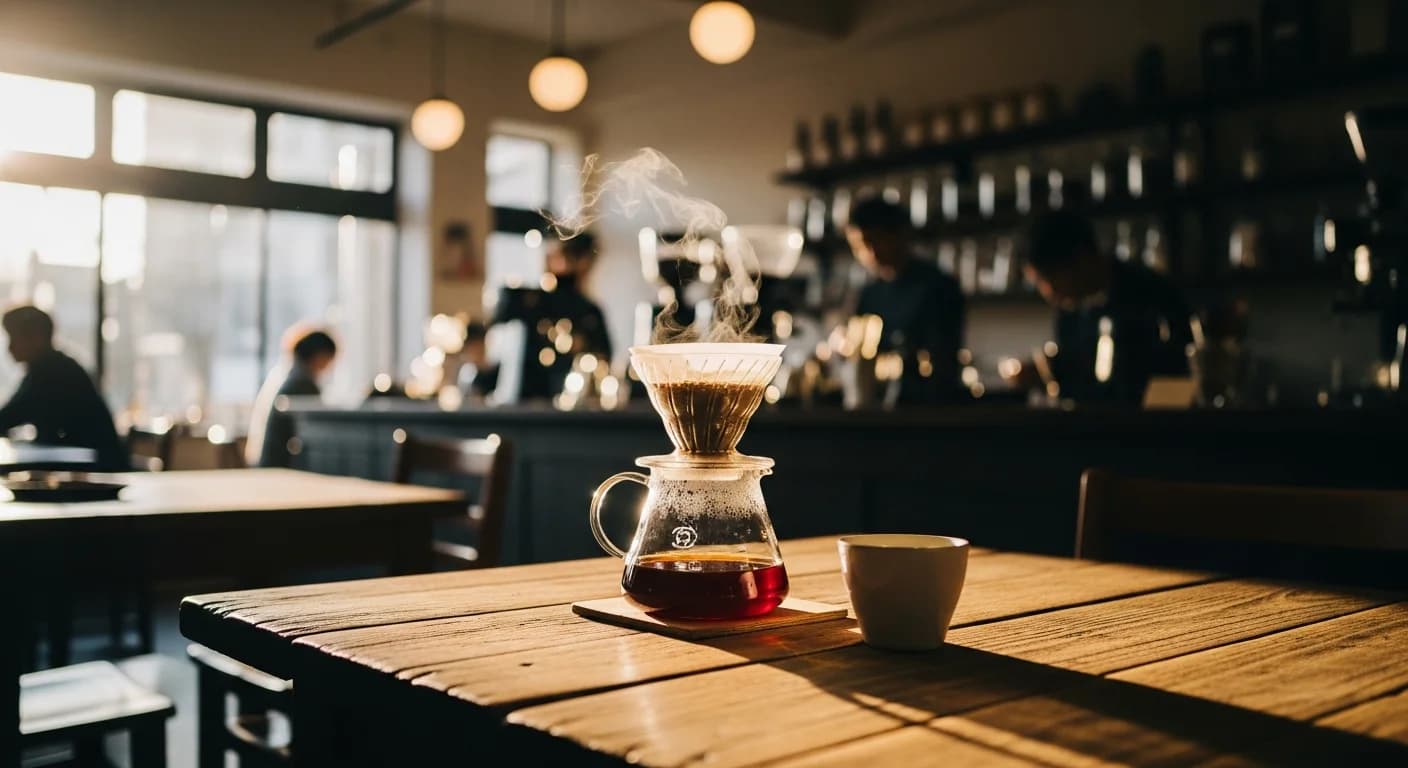
The kissaten tradition emphasizes stable deep-roast blends and the totality of the space-and-time experience. Specialty coffee emphasizes bean origin, varietal, processing, and flavor nuance, typically with lighter roasts that preserve those characteristics. Neither is superior — they represent different philosophies, and both have devoted followings in contemporary Japan.
Living Kissaten Culture Today
Across Japan, kissaten continue to operate — some now in their third or fourth generation of family ownership. Nagoya maintains the strongest active morning service culture, with elaborate morning set menus that have become a tourist attraction in their own right.
In Kyoto, Tokyo, and Osaka, new cafés deliberately invoke Showa aesthetics, creating a hybrid that borrows the visual language of the kissaten while sometimes incorporating specialty-grade coffee.
Summary
Japan's kissaten culture represents one of the world's great café traditions — one that developed independently, with deep roots in Japanese social life.
- Meiji / Taisho: Coffee arrives as a Western import and establishes early café culture
- Showa: Jun-kissaten flourish as third places combining coffee, music, and atmosphere
- Heisei: Chain competition and closures, but growing awareness of cultural value
- Reiwa: Revival of kissaten appreciation alongside the specialty coffee movement
The kissaten and the specialty roaster coexist today in Japanese cities — one carrying the weight of mid-20th century café culture, the other pushing forward into new territory. Together they make Japan one of the world's most interesting countries for coffee.
Related Articles
- Kyoto Coffee Culture and Café Guide: Old and New Roasters
- Australian Coffee Culture — The Flat White and Melbourne's World-Class Café Scene
- Barista World Championships — WBC, WLAC, WBrC and Japanese Competitors
- The Coffee 2050 Problem — Climate Change Impact on Coffee Cultivation
- Coffee, Focus, and Mental Health — How Caffeine Affects Productivity
About the AuthorExpert Reviewed

Coffee Guide Editorial
A team of certified writers and baristas with hands-on experience at origin farms and roasteries. We deliver practical, experience-backed guides on bean selection, brewing methods, and equipment reviews.
Credentials & Experience
- J.C.Q.A. Certified Coffee Instructor
- SCA Certified Barista
- 5+ years running a specialty roasting café
- 200+ coffee beans tasted annually