Kyoto Coffee Culture and Café Guide: Old and New Roasters
PRThis article contains affiliate links
Key Takeaways
- Kyoto uniquely blends traditional kissaten coffee culture with a growing specialty coffee scene
- Machiya townhouse cafés and temple-adjacent coffee stands offer distinctly Kyoto experiences
- Gion, Kitayama, and Okazaki each have their own café character worth exploring separately
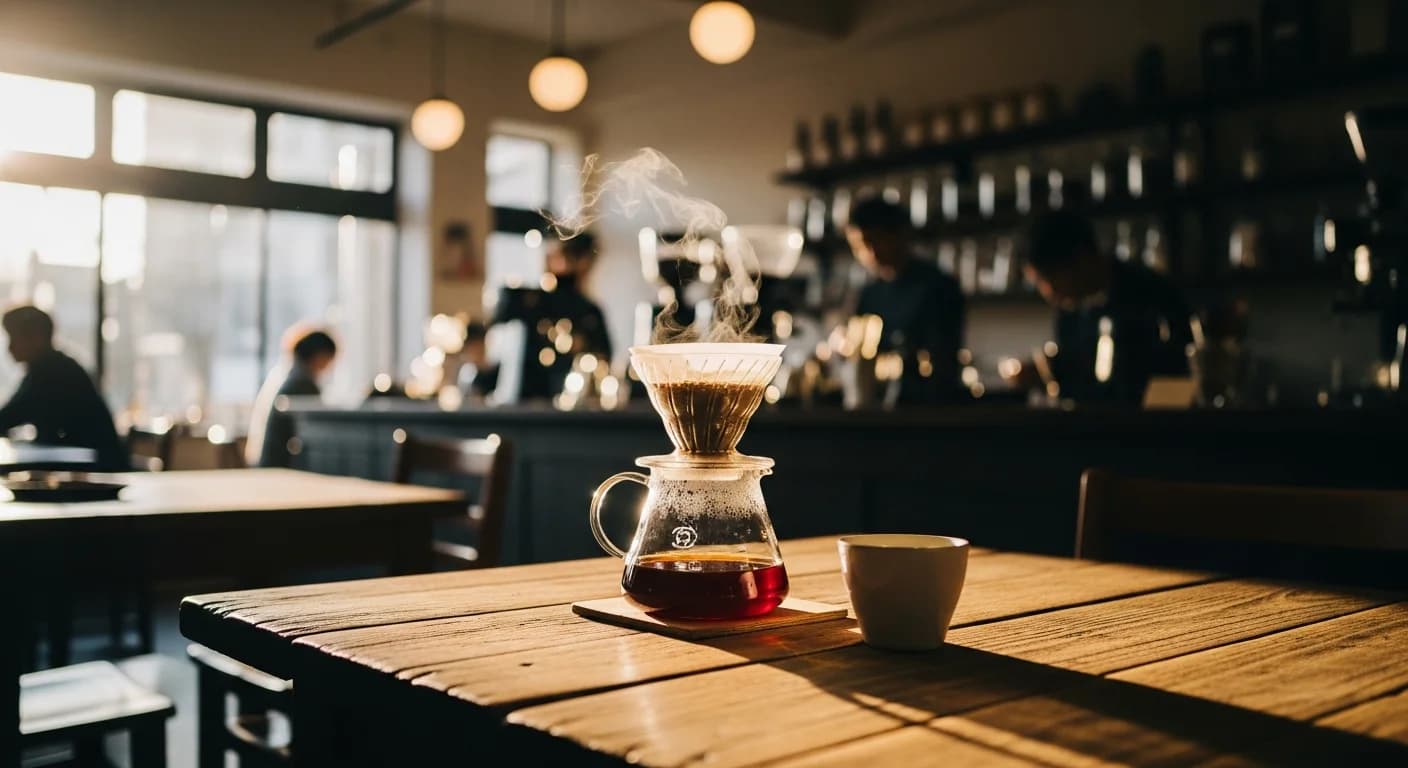
Japan's ancient capital Kyoto is a city where tradition and innovation meet — and that extends to its coffee culture. Here you will find deep-roast kissaten that have operated since the Shōwa era, machiya townhouse cafés where latticed windows filter afternoon light onto linen tablecloths, and specialty roasters working at world-class standards. No other Japanese city weaves these threads together quite the same way.
This guide introduces Kyoto's coffee culture and walks you through the city's most rewarding neighborhoods for café exploration.
What Makes Kyoto's Coffee Culture Distinctive
1. Living Kissaten Tradition
Kyoto retains one of Japan's strongest traditional kissaten cultures. Classic deep-roast blends, morning sets (breakfast with coffee), and unhurried atmospheres remain central to the city's café identity and are deeply embedded in local daily life.
2. Machiya Townhouse Cafés
Renovated Edo and Meiji-era machiya — narrow wooden townhouses with inner courtyards — offer some of Japan's most atmospheric café settings. The combination of Japanese architectural beauty and specialty coffee is unique to Kyoto.
3. Coexistence with Specialty
Since the 2010s, specialty coffee has steadily grown in Kyoto, creating a scene where traditional and contemporary approaches coexist on the same street. Visitors can literally walk from a 50-year-old kissaten to a cutting-edge natural-process coffee shop within minutes.
Coffee Meets Matcha Culture
Kyoto is the heartland of Japanese green tea — Uji, just south of the city, produces the country's finest matcha. Many Kyoto cafés reflect this tea heritage by offering matcha-coffee fusion drinks and pairing coffee with traditional wagashi sweets.
Neighborhood Guide
Gion & Shijō (Higashiyama / Shimogyo Wards)
The geisha district of Gion and the busy Shijō shopping area offer cafés in beautifully preserved settings. Side streets near Hanami-koji and along the Shirakawa canal are particularly rewarding.
Area character: Atmospheric heritage settings. Mix of tourist-oriented and locals-only spots. Higher walk-in demand on weekends.
Karasuma & Oike (Nakagyō Ward)
This business and civic center neighborhood hosts some of Kyoto's most polished specialty operations, catering to office workers and tourists alike near Nijo Castle and Kyoto City Hall.
Area character: Approachable espresso stands and sit-down roasters. Good for solo visits. Practical day-to-day coffee culture alongside tourist-season buzz.
Kitayama (Kita Ward)
Kitayama's tree-lined boulevard adjacent to the Kyoto Botanical Garden is home to an especially picturesque cluster of cafés. The area has a relaxed residential feel that makes it popular for weekend walks and coffee stops.
Area character: Unhurried neighborhood pace. Takeaway coffee enjoyed in the botanical garden is a beloved local routine.
Okazaki & Heian Shrine (Sakyō Ward)
Kyoto's museum district, with the Heian Shrine's great torii gate as a backdrop, has developed a café culture that pairs naturally with cultural visits.
Area character: Design-conscious café spaces. Well-suited to combining with museum or gallery visits.
Arashiyama (Ukyō Ward)
The bamboo grove and Togetsukyo bridge draw visitors from around the world, and in recent years specialty coffee takeaway stands have multiplied along the approach to these landmarks.
Area character: High tourist density. Compact espresso stands designed for mobile consumption. Best experienced early morning before crowds build.
Avoiding Peak Crowds
The tourist seasons of March–May (cherry blossoms) and October–December (autumn foliage) bring maximum congestion to Arashiyama and Gion. Coffee shops open earliest — aim for the first hour after opening or after 3 pm for a more relaxed experience.
Shimogamo & Demachiyanagi (Sakyō Ward)
Near Shimogamo Shrine and the confluence of the Kamo River, this neighborhood is cherished by students and long-term residents. It has some of Kyoto's most sincere coffee culture — less shaped by tourism and more by genuine local enthusiasm.
Area character: Community-centered independents. Strong retail bean business. Good for serious coffee conversations with baristas.
Tips for Enjoying Kyoto's Coffee
Experience Both Kissaten and Specialty
Make time for both. A morning session at a classic kissaten — ordering an old-fashioned blend and a morning set — followed by a specialty filter coffee in the afternoon will give you a vivid picture of how Kyoto's coffee culture spans generations.
Coffee and Wagashi Pairing
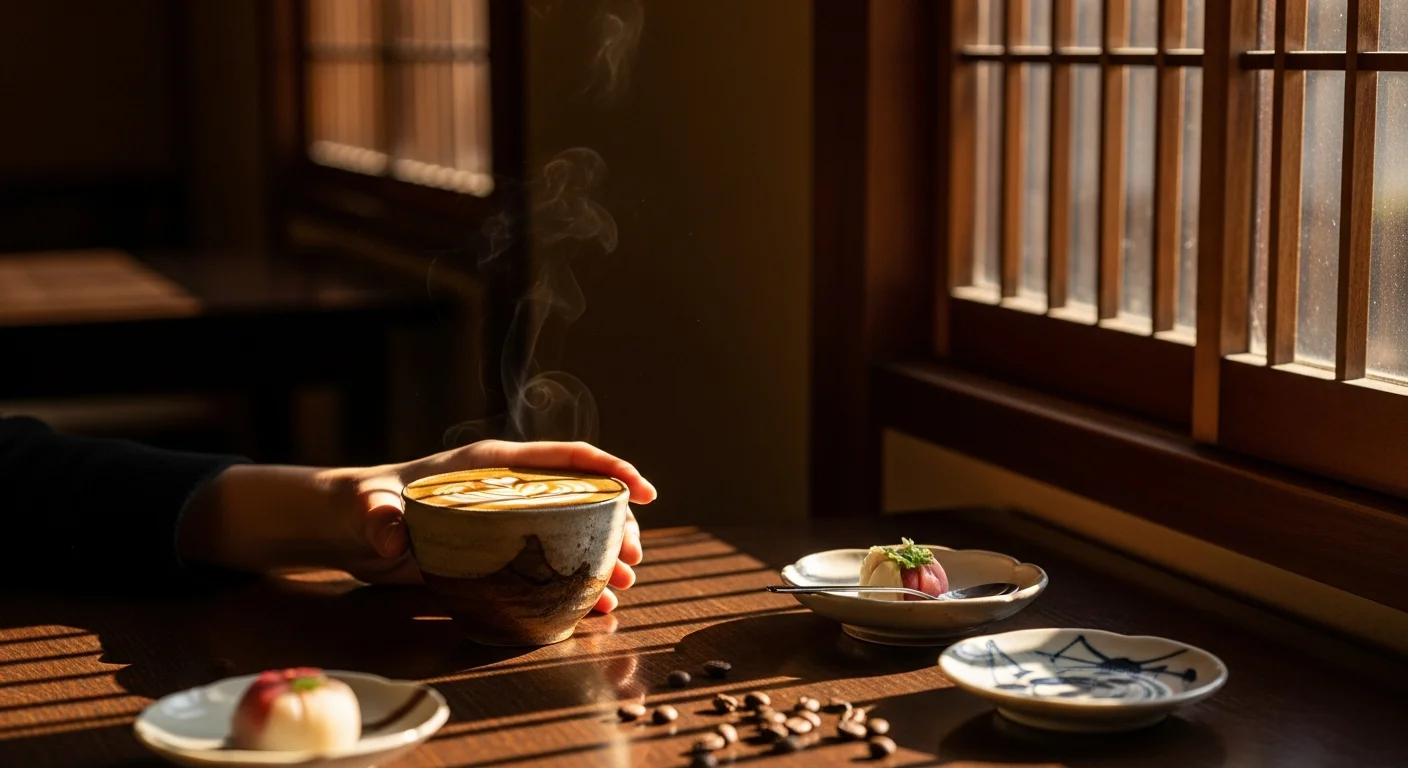
Kyoto's exceptional wagashi (traditional sweets) culture extends into its cafés. Pairing filter coffee with nama-yatsuhashi (soft cinnamon rice cake), yōkan (sweet bean jelly), or seasonal confections is a uniquely Kyoto experience.
Buying Beans
Kyoto roaster beans have become popular souvenirs. Many shops allow you to select your beans, choose your grind, and have them bagged fresh. A 100g bag typically costs ¥900–¥1,600.
Slow Down
The essence of Kyoto coffee culture is unhurried presence. Back-street cafés off the main tourist routes offer the quietest, most contemplative experiences. Let the pace of the city set the pace of your coffee drinking.
Summary
Kyoto offers one of Japan's most layered coffee experiences.
- Kissaten tradition: Decades-old deep-roast shops still operating and beloved
- Machiya cafés: Japanese architectural heritage as the setting for your cup
- Specialty scene: World-class roasting and sourcing in an ancient city context
- Neighborhood diversity: Gion, Kitayama, Arashiyama, and Demachiyanagi each reward separate visits
Come with time to spare, explore side streets, and let yourself be surprised by what awaits behind a quiet wooden door.
Related Articles
- Fukuoka Coffee Guide — Specialty Cafés, Roasters, and Kissaten
- Osaka Coffee Shop Guide: Specialty and Legacy Cafés
- Japan's Specialty Coffee Roasters — 10 Notable Names to Know
- Tokyo Specialty Coffee Shop Guide: Top 10 by Neighborhood
- Japan's Kissaten Culture — From Showa Pure Cafés to Modern Coffee Shops
About the AuthorExpert Reviewed

Coffee Guide Editorial
A team of certified writers and baristas with hands-on experience at origin farms and roasteries. We deliver practical, experience-backed guides on bean selection, brewing methods, and equipment reviews.
Credentials & Experience
- J.C.Q.A. Certified Coffee Instructor
- SCA Certified Barista
- 5+ years running a specialty roasting café
- 200+ coffee beans tasted annually