Tokyo Specialty Coffee Shop Guide: Top 10 by Neighborhood
PRThis article contains affiliate links
Key Takeaways
- Tokyo's specialty coffee scene spans diverse neighborhoods from Kiyosumi-Shirakawa to Daikanyama and Shibuya
- Each area has its own coffee culture, from light-roast single origins to design-forward café experiences
- Knowing each neighborhood's character helps you plan the most satisfying coffee tour
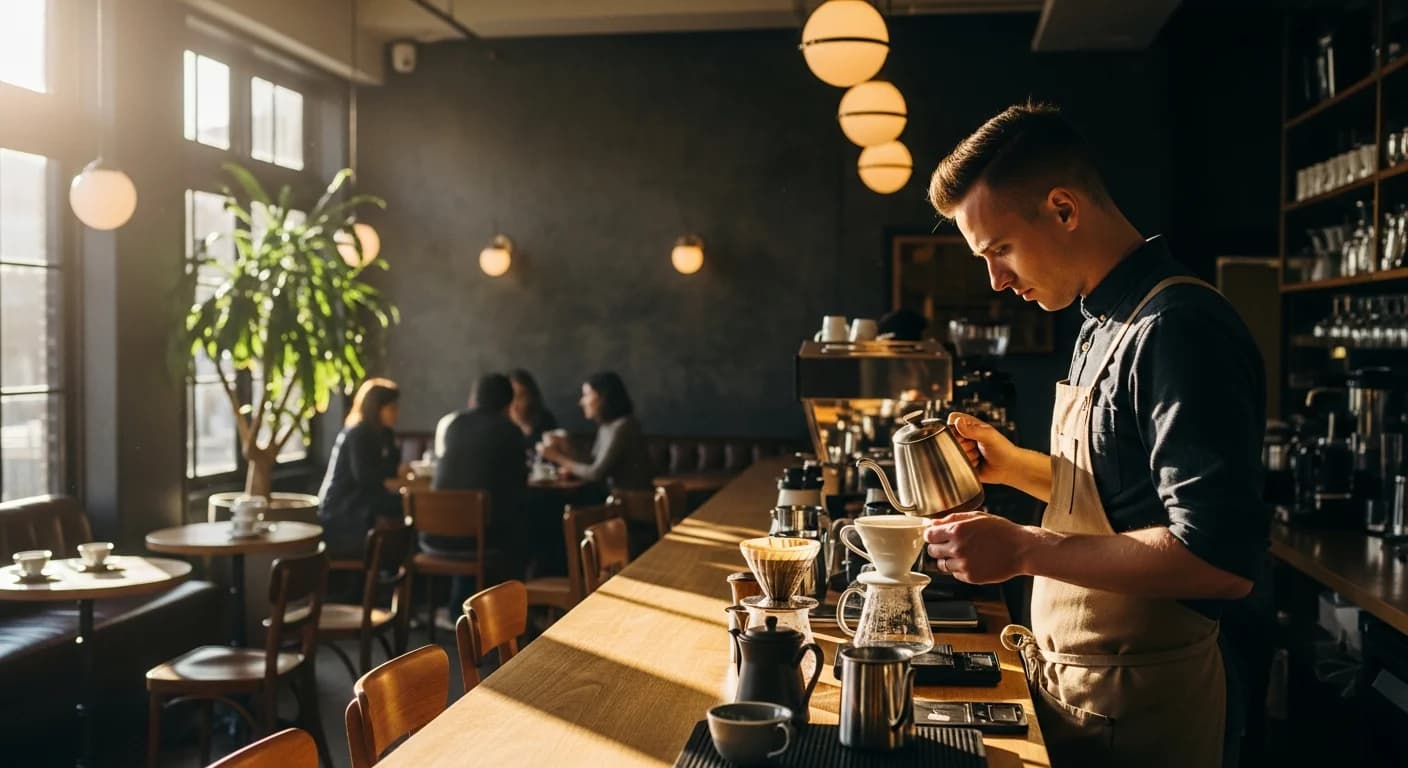
Tokyo is one of the world's great coffee cities. Since the specialty coffee wave arrived in Japan, distinctive roaster-cafés have appeared across the city, attracting coffee enthusiasts from around the globe. The depth of quality, the attention to craft, and the sheer variety of approaches make Tokyo a must-visit destination for anyone serious about coffee.
This guide introduces Tokyo's specialty coffee landscape neighborhood by neighborhood, with tips on what to expect and how to make the most of your visit.
Overview of Tokyo's Specialty Coffee Scene
Tokyo's coffee culture evolved from its legendary kissaten (traditional coffee shop) heritage through the 2010s specialty coffee movement. The eastern neighborhood of Kiyosumi-Shirakawa emerged as the epicenter, gaining international recognition when major roasters chose it as their Japan debut location. Today the city's scene spans both intimate neighborhood roasters and flagship destination cafés.
What Is Specialty Coffee?
Specialty coffee refers to coffee scoring 80 points or above (out of 100) on the SCA (Specialty Coffee Association) grading scale. These coffees are fully traceable — origin, farm, and processing method are all documented — and typically showcase bright acidity, complex sweetness, or distinctive fruit notes.
Neighborhood-by-Neighborhood Guide
Kiyosumi-Shirakawa (Kōtō Ward)
Often called Tokyo's coffee town, Kiyosumi-Shirakawa combines industrial warehouse aesthetics with some of the city's most serious coffee. When Blue Bottle Coffee opened its first Japan location here in 2015, it cemented the neighborhood's global reputation.
Area character: Spacious shops suited for lingering. Light to medium roast single origins predominate. Busiest on weekends.
The neighborhood rewards slow exploration on foot — roasters are clustered within a short walking radius, making it easy to sample multiple styles in an afternoon.
Daikanyama & Nakameguro (Meguro Ward)
Daikanyama and Nakameguro blend high fashion with café culture in a way found nowhere else in Tokyo. The cherry blossoms along the Meguro River make spring visits particularly memorable.
Area character: Design and atmosphere as important as the coffee itself. Strong takeaway culture. Many shops offer excellent espresso drinks alongside filter options.
The iconic Daikanyama Tsutaya bookstore complex anchors the area and includes notable coffee options, while independent roasters along the river draw a loyal local following.
Shibuya & Harajuku (Shibuya Ward)
Shibuya is Tokyo's busiest commercial crossroads, and while it may not be the first area that comes to mind for specialty coffee, quality shops are well represented here — inside landmark buildings as well as in quieter back streets.
Area character: Wide range from small espresso stands to full sit-down cafés. Major commercial spaces like Shibuya Scramble Square now include serious specialty options.
Shinjuku & Yotsuya (Shinjuku Ward)
Shinjuku has maintained a strong coffee tradition since the mid-20th century. Classic deep-roast kissaten and modern specialty shops coexist here, giving visitors a sense of Tokyo's full coffee history in a single neighborhood.
Area character: Old and new side by side. Convenient transport connections. Shinjuku's variety is ideal for those who want to experience multiple generations of Tokyo coffee culture.
Omotesando & Aoyama (Minato Ward)
This upscale fashion district has quietly become a center for Tokyo's most innovative coffee experiences, including coffee omakase (multi-course tasting) concepts that treat each cup as a gastronomic event.
Area character: Coffee fused with food and art. Higher price points. Destination for adventurous coffee experiences.
Coffee Omakase
Aoyama and surroundings pioneered Tokyo's coffee omakase format — a seated tasting course where a barista walks you through several coffees using different origins and brewing methods. Expect to pay ¥3,000–¥8,000 per person.
Roppongi & Azabu (Minato Ward)
The international character of Roppongi means English-language service is widely available. The concentration of museums and galleries creates a natural coffee-and-culture itinerary.
Area character: International-friendly. Extended evening hours at many venues.
Ginza & Hibiya (Chūō / Chiyoda Wards)
Ginza is home to some of Tokyo's oldest surviving coffee establishments, operating since the postwar era, alongside newer specialty entrants that match the area's premium positioning.
Area character: Higher price points. Emphasis on refined, unhurried experiences. Good for a dedicated slow coffee afternoon.
Shimokitazawa (Setagaya Ward)
Shimokitazawa's music, theatre, and vintage clothing scene extends naturally to coffee. Independent micro-roasters thrive here, often with close, conversation-friendly atmospheres.
Area character: Eclectic and personal. Baristas are typically happy to discuss origins and roast profiles at length.
Kichijoji (Musashino City)
Kichijoji consistently tops livability rankings and offers a coffee scene that mirrors its neighborhood pride — locally rooted roasters who take bean selection and retail seriously.
Area character: Strong bean retail alongside café service. Well-suited for buying beans to take home. Inokashira Park nearby makes takeaway coffee especially enjoyable.
Sangenjaya & Setagaya (Setagaya Ward)
Adjacent to Shimokitazawa, Sangenjaya has developed its own micro-coffee culture with community-oriented independent shops.
Area character: Regular customers valued. Unpretentious atmosphere. A good place to experience Tokyo coffee without tourist crowds.
Tips for Visiting Tokyo Coffee Shops
Timing Your Visit
Popular specialty shops in Kiyosumi-Shirakawa and Daikanyama are busiest from 11 am to 2 pm on weekends. Opening time or late afternoon are the least crowded windows.
Drip vs Espresso
Most specialty roasters make their single-origin filter coffees the centerpiece of the menu. Ask the barista to describe current offerings by flavor profile — it is expected and appreciated.
Buying Beans to Take Home
Most roaster-cafés sell retail bags of their current coffees. A 100g bag typically costs ¥800–¥1,500 and makes an excellent gift or souvenir. Ask for beans roasted within the past two weeks for optimal freshness.
Payment
Card and IC card (Suica, Pasmo) payment is accepted at most specialty shops, though a few small independents are cash only. Check ahead if in doubt.
Summary
Tokyo's specialty coffee scene rewards exploration across its many neighborhoods.
- Kiyosumi-Shirakawa: The iconic starting point; light-roast single origins and international reputation
- Daikanyama / Nakameguro: Design and coffee combined; beautiful riverfront setting
- Omotesando / Aoyama: Innovative omakase and pairing experiences
- Shimokitazawa / Sangenjaya: Personal, community-focused independents with close barista interaction
For a first visit, Kiyosumi-Shirakawa or Daikanyama offer the most concentrated specialty experience. Wherever you start, Tokyo's coffee culture will give you something new to discover with every cup.
Related Articles
- Osaka Coffee Shop Guide: Specialty and Legacy Cafés
- Fukuoka Coffee Guide — Specialty Cafés, Roasters, and Kissaten
- Kyoto Coffee Culture and Café Guide: Old and New Roasters
- Japan's Specialty Coffee Roasters — 10 Notable Names to Know
- Specialty vs Commercial Coffee — Quality, Price, and How to Choose
About the AuthorExpert Reviewed
Coffee Guide Editorial
A team of certified writers and baristas with hands-on experience at origin farms and roasteries. We deliver practical, experience-backed guides on bean selection, brewing methods, and equipment reviews.
Credentials & Experience
- J.C.Q.A. Certified Coffee Instructor
- SCA Certified Barista
- 5+ years running a specialty roasting café
- 200+ coffee beans tasted annually