Fully Automatic vs Semi-Automatic Espresso Machine: Which One Is Right for You?
PRThis article contains affiliate links
Key Takeaways
- Fully automatic machines brew from bean to cup at one button press; semi-auto gives you manual control like a barista
- Fully automatic is more convenient and accessible to everyone in the household, but costs more
- Semi-automatic produces higher-quality espresso with more customization, but requires practice
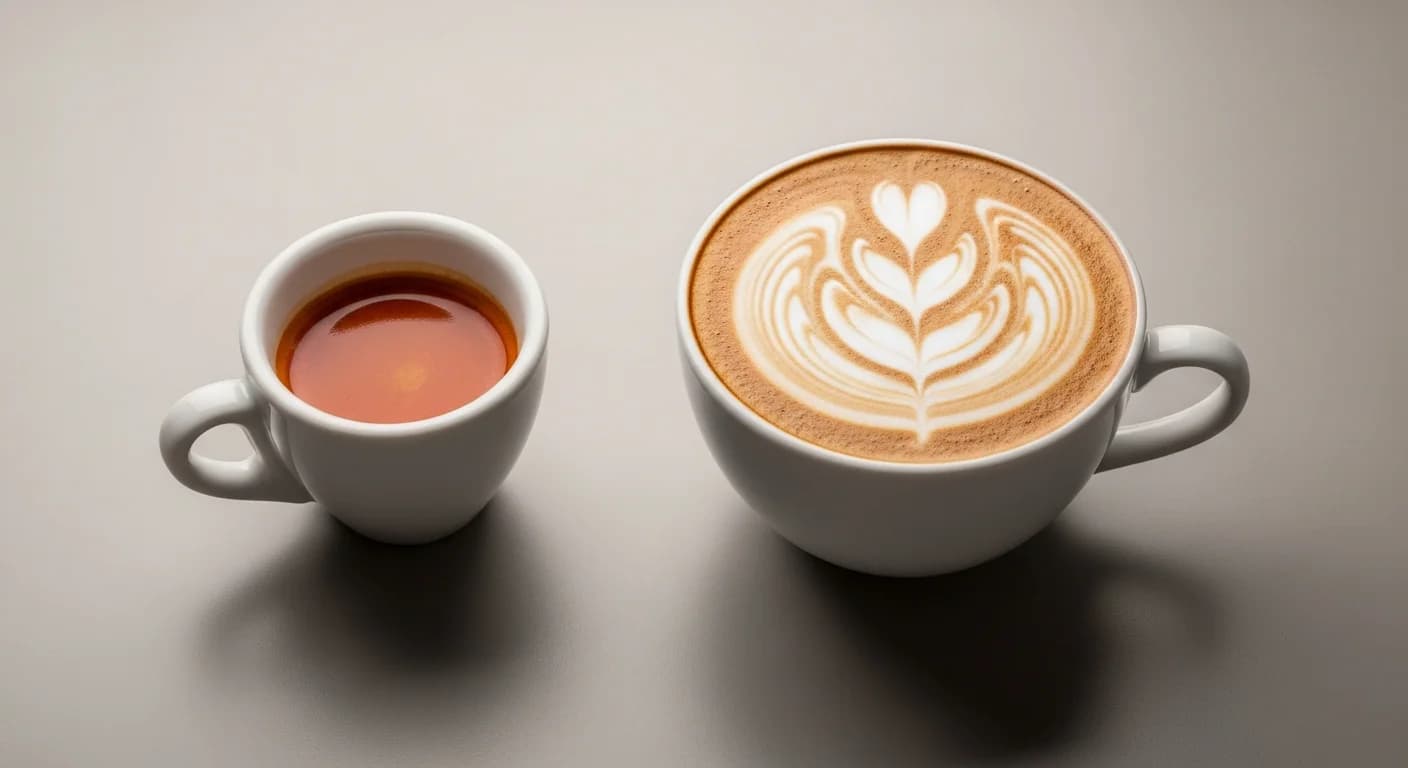
When choosing an espresso machine, the first major decision is whether to go fully automatic or semi-automatic. Both can produce excellent espresso, but they represent fundamentally different relationships with the brewing process — different levels of involvement, different price points, and different coffee experiences.
This guide explains the practical differences between the two types, introduces recommended models in each category, and helps you decide which approach fits your life.
The Core Difference
Fully Automatic Espresso Machines
A fully automatic machine handles everything: grinding the beans, tamping the puck, extracting the espresso, and (on some models) foaming the milk. You press a button and coffee comes out.
Representative brands: De'Longhi (Magnifica series), Philips, Jura
Key characteristics:
- Load whole beans into the hopper; press a button for a finished drink
- Grind size, extraction volume, and milk quantity are adjustable through settings
- Produces consistent results every time with minimal user input
- Price range: ¥50,000–300,000+
Semi-Automatic Espresso Machines
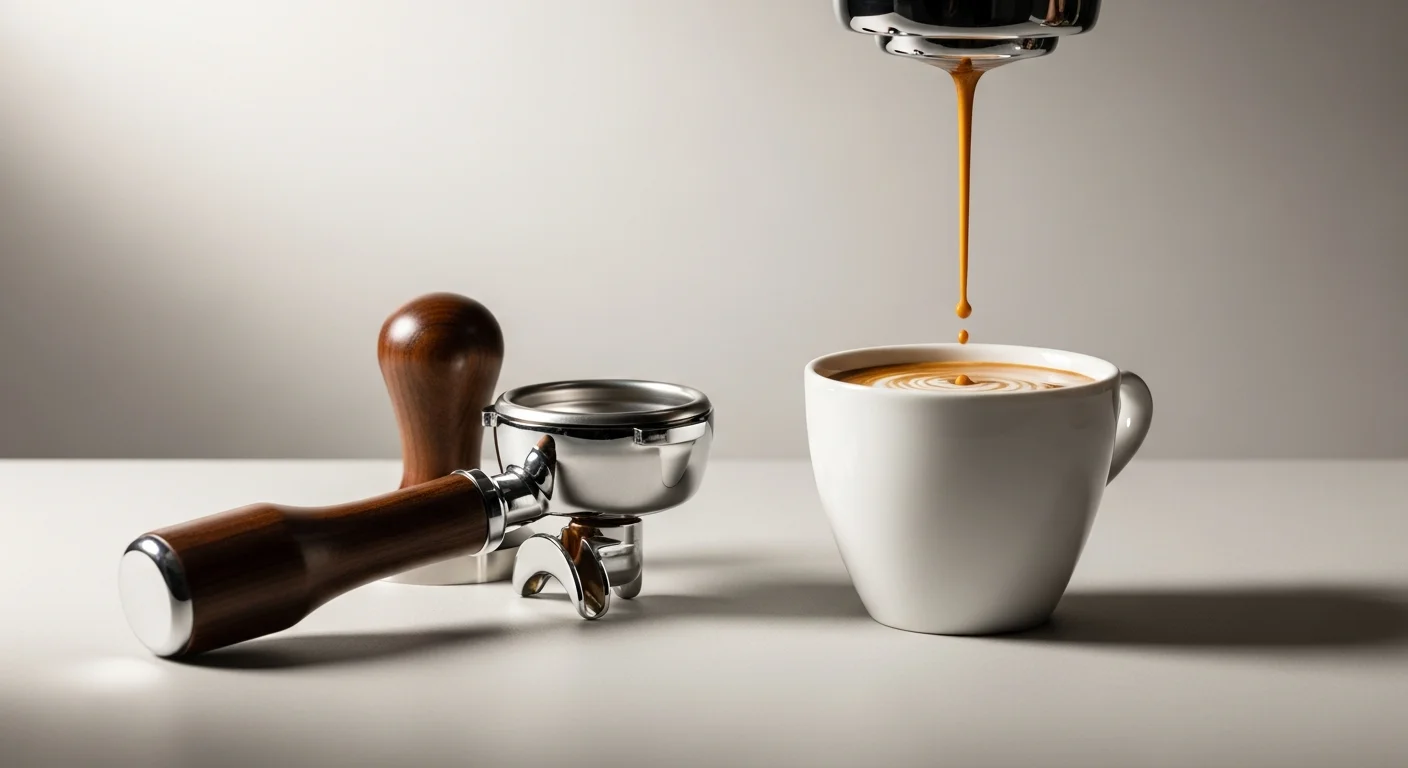
A semi-automatic machine provides the pump pressure and heating, but requires you to grind and tamp the coffee yourself, then control the extraction. A separate grinder is required, and some skill development is needed.
Representative brands: De'Longhi (Dedica series), Breville, Gaggia, Rancilio
Key characteristics:
- You grind, dose, tamp, and control extraction manually
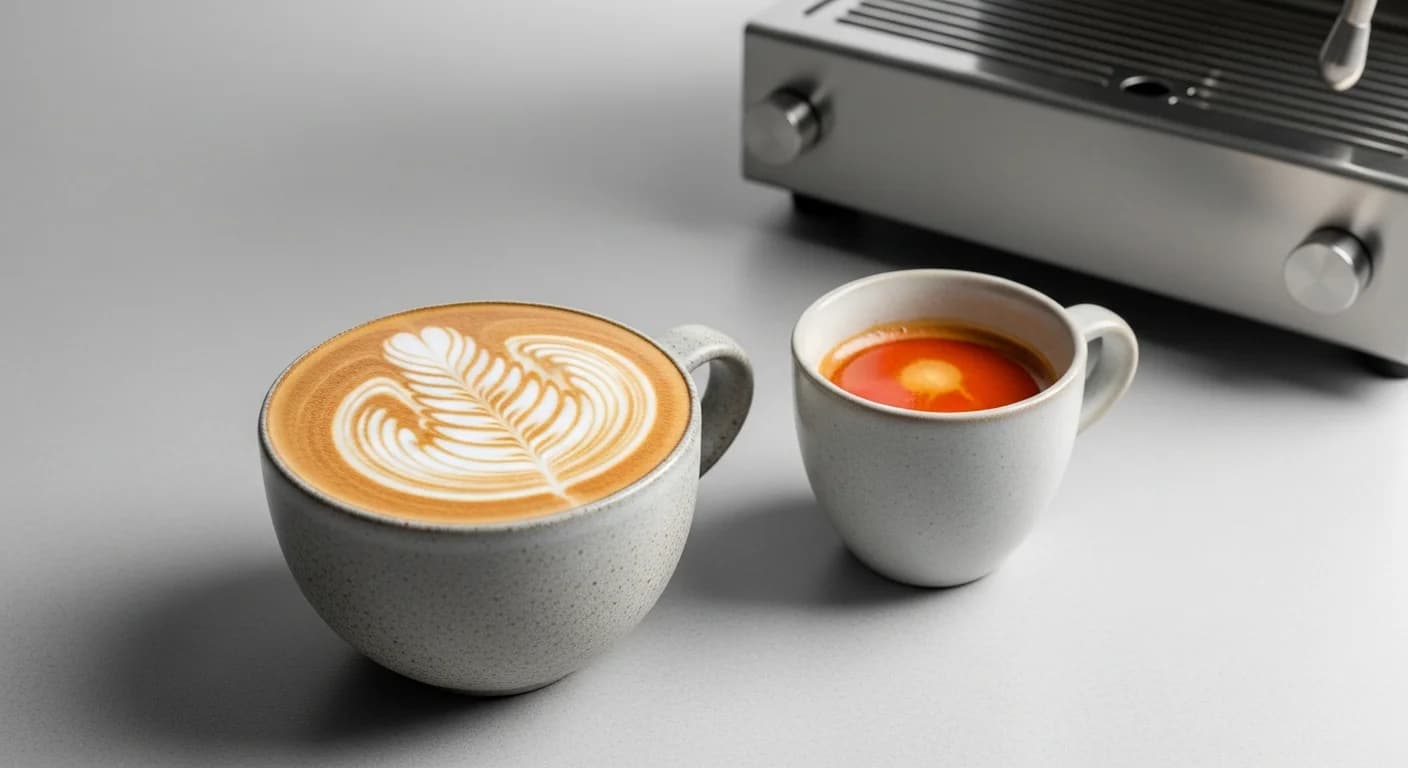
- Steam wand enables proper latte art milk texturing
- Requires practice to produce consistent results (typically one to three months)
- Price range: ¥15,000–500,000+ (grinder is separate)
Pros
- +Fully auto: One button from bean to finished drink — anyone can use it
- +Fully auto: Saves time every morning
- +Fully auto: Consistent results without any technique
- +Semi-auto: Can produce higher-quality espresso than most fully automatic machines
- +Semi-auto: Enables real latte art and full barista technique
- +Semi-auto: Cheaper to start than fully automatic (the Dedica Arte was ¥53,975 on Amazon Japan, September 2026)
Cons
- -Fully auto: Higher starting cost (¥50,000+)
- -Fully auto: Limited milk texturing for latte art
- -Fully auto: More complex internal cleaning and maintenance
- -Semi-auto: Separate grinder required
- -Semi-auto: Takes time and practice to dial in
- -Semi-auto: Inconsistent results until technique is developed
Recommended Fully Automatic Machines
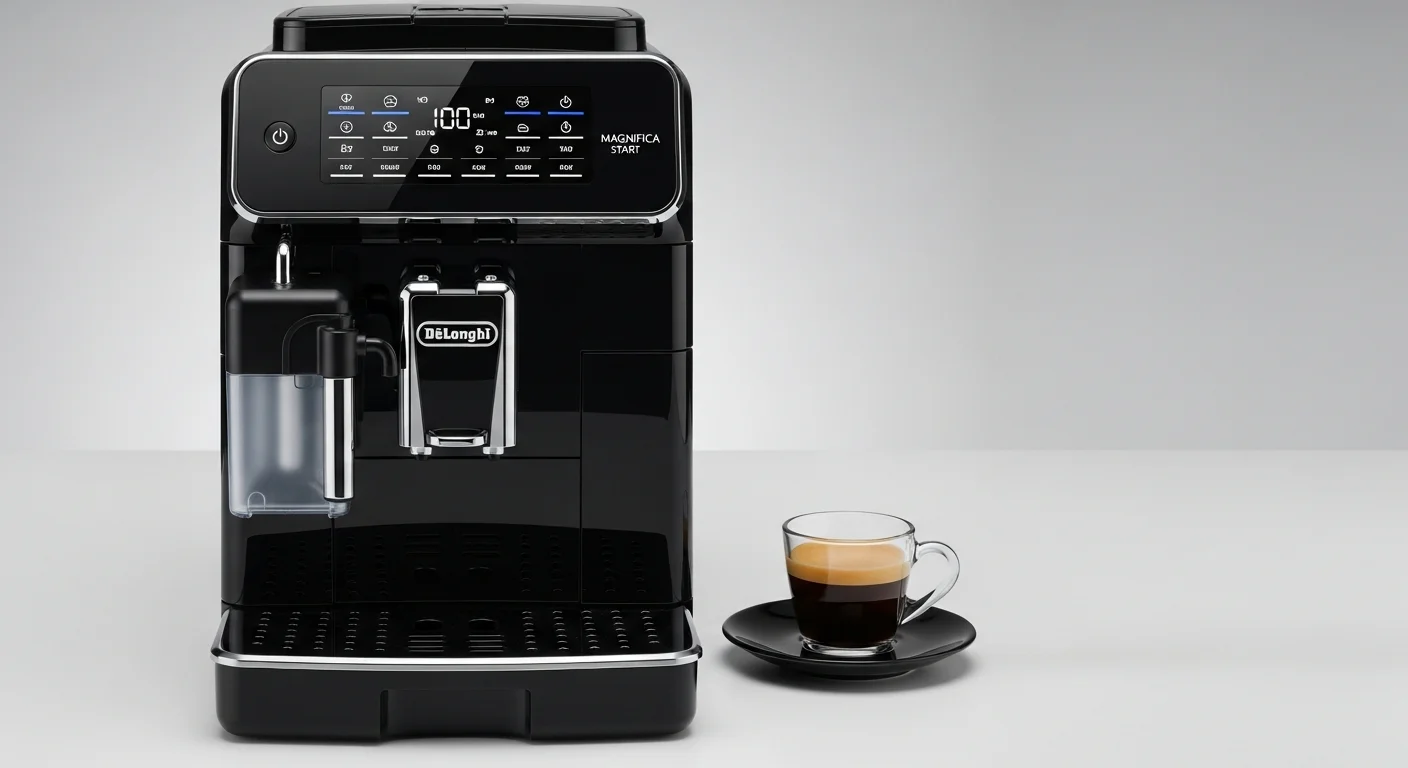
De'Longhi Magnifica Start ECAM22020B — The Entry-Level Standard
The Amazon Japan listing calls it an entry model in De'Longhi's fully automatic lineup. On September 19, 2026, however, it was ¥82,000 on Amazon Japan, more than the Magnifica S below (¥59,856). It supports three menus — espresso, specialty, and Cafe Japonaise (a longer extraction popular in Japan). The built-in grinder grinds fresh beans for every cup.
The included milk frother is straightforward to use. For anyone who wants to experience a fully automatic machine for the first time without overcommitting on budget, the Magnifica Start is the natural starting point.
De'Longhi Magnifica S ECAM22112B — The Fully Automatic Standard
The step up from the Magnifica Start, offering more granular control over grind amount, water volume, and extraction strength. Iced coffee mode extends year-round versatility. The Magnifica S is the most popular model in the line and the one most people who use De'Longhi daily end up recommending.
For someone planning daily use over several years, the Magnifica S is the more rational investment.
Recommended Semi-Automatic Machines
De'Longhi Dedica Arte EC885J-BG — The Standard Semi-Auto Entry Point
The model in De'Longhi's Dedica semi-automatic line released in April 2023. At 15cm wide, it fits on almost any kitchen counter. The pump reaches up to 15 bar (9 bar during extraction), and the double-walled steam wand makes it easier to produce the fine milk foam needed for latte art.
You will need to purchase a separate grinder, but the machine itself provides everything else you need to start learning espresso technique. Of the three colors, only the Beige model was available new on Amazon Japan (¥53,975 on September 19, 2026).
Breville Bambino Plus — Fast Heat-Up Semi-Auto in a Compact Body
The Bambino Plus uses Breville's ThermoJet heating system, reaching extraction temperature in 3 seconds rather than the 30+ seconds typical of traditional boiler-based machines. The automatic steam wand heats and textures milk to a consistent temperature automatically — a significant assist for beginners learning milk work.
It packs full-size espresso features into a compact body. A grinder is still required separately.
However, the listing on Amazon Japan is the US model: the product page specifies 120V, and the buy box showed ¥132,621 on September 19, 2026. Japanese household outlets supply 100V, so check the power specification before you buy.
Gaggia Classic Evo Pro — The Serious Barista's Entry Machine
Gaggia, an Italian brand, is one of the defining names in espresso machine history. The Classic Evo Pro uses the same 58mm commercial portafilter standard as professional machines and features a stainless steam wand.
This means the latte art potential is genuinely professional. Producing the smooth, glossy microfoam needed for proper latte art requires practice, but the Gaggia gives you the tools to get there — something many home machines simply cannot. For anyone who wants to develop real barista skills at home, the Classic Evo Pro is the most direct path.
Decision Guide: Which Type Should You Choose?
Choose fully automatic if:
- Coffee is something you want ready quickly, not something you want to craft
- Multiple people in the household will use the machine with minimal instruction
- Consistency every morning without adjustments is the priority
- You want to minimize time and attention spent on the brewing process
Choose semi-automatic if:
- You want to experience coffee as a craft and enjoy the learning process
- Latte art or barista-level technique is part of what appeals to you
- You have or are willing to acquire a quality grinder
- You prefer to control and adjust every variable yourself
If you want the hands-on experience of semi-automatic without buying a separate grinder, look at machines like the Breville Barista Express that combine a built-in grinder with manual espresso preparation. You get the control of semi-automatic with the convenience of having the grinder built in.
| Feature | Fully Automatic | Semi-Automatic |
|---|---|---|
| Ease of Use | ★★★★★ One-touch | ★★★ Skills required |
| Customization | ★★★ Presets | ★★★★★ Full control |
| Price Range | $400–1,500 | $150–800 |
| Skill Growth | ★★ | ★★★★★ |
| Maintenance | Auto-clean | Manual cleaning |
| Best For | Convenience seekers | Aspiring baristas |
Summary Comparison
| Fully Automatic | Semi-Automatic | |
|---|---|---|
| Ease of use | One button | Requires practice |
| Espresso quality | Consistently good | Higher ceiling when mastered |
| Latte art | Not practical | Fully possible |
| Starting cost | ¥50,000–150,000 | ¥40,000–100,000 + grinder |
| Maintenance | Auto cleaning programs | Relatively simple manual cleaning |
| Customization | Within preset settings | Unlimited |
Both machine types make real espresso. The choice is really about what role you want coffee to play in your daily life — something that serves you effortlessly, or something you participate in actively every time.
Related Articles
- Drip Coffee Maker vs Espresso Machine: Which One Should You Buy?
- De'Longhi Magnifica Start Review — Entry-Level Automatic Machine
- Best Espresso Machines Under ¥20,000 in 2026 — Top 5 Models Compared
- French Press vs AeroPress vs Clever Dripper: Which Should You Choose?
- De'Longhi Dedica Espresso Machine Review — EC885J vs EC680 Compared
Frequently Asked Questions
QShould I choose a fully automatic or semi-automatic espresso machine?
QWhat are the downsides of a fully automatic espresso machine?
QCan a beginner handle a semi-automatic espresso machine?
About the AuthorExpert Reviewed
Coffee Guide Editorial
A team of certified writers and baristas with hands-on experience at origin farms and roasteries. We deliver practical, experience-backed guides on bean selection, brewing methods, and equipment reviews.
Credentials & Experience
- J.C.Q.A. Certified Coffee Instructor
- SCA Certified Barista
- 5+ years running a specialty roasting café
- 200+ coffee beans tasted annually