Coffee Recipes

Coffee Dessert Recipes: Tiramisu, Coffee Jelly, Affogato, and More

Coffee Guide EditorialBeginner
Coffee Dessert Recipes: Tiramisu, Coffee Jelly, Affogato, and More

Key Takeaways

  • Tiramisu, coffee jelly, affogato, and granita are all achievable at home with simple ingredients
  • Strong brewed coffee or cold brew is the best base for any coffee dessert
  • Coffee's bitterness works as a natural flavor enhancer when paired with cream, sugar, or ice cream

Coffee's appeal goes far beyond the cup. Its deep roasted aroma, pleasant bitterness, and natural complexity make it one of the most versatile flavoring agents in dessert-making. Whether you are a seasoned home baker or just getting started in the kitchen, coffee-based desserts are approachable, impressive, and endlessly satisfying.

In this guide, we walk through four classic coffee desserts — tiramisu, Japanese-style coffee jelly, affogato, and coffee granita — with clear, beginner-friendly instructions for each.

Why Coffee and Dessert Work So Well Together

Coffee's bitterness has a balancing effect on sweetness. When the two come together, the sweetness becomes more defined, and the bitterness loses its harshness. Roasted coffee notes also pair naturally with chocolate, caramel, vanilla, and cream — ingredients that appear in countless dessert recipes.

For any coffee dessert, brew your coffee 1.5 to 2 times stronger than usual. The sweetness of the dessert will soften the bitterness considerably, so starting with a concentrated base ensures the coffee flavor still comes through. Cold brew is an excellent ready-made base for most of these recipes.

Recipe 1: Tiramisu

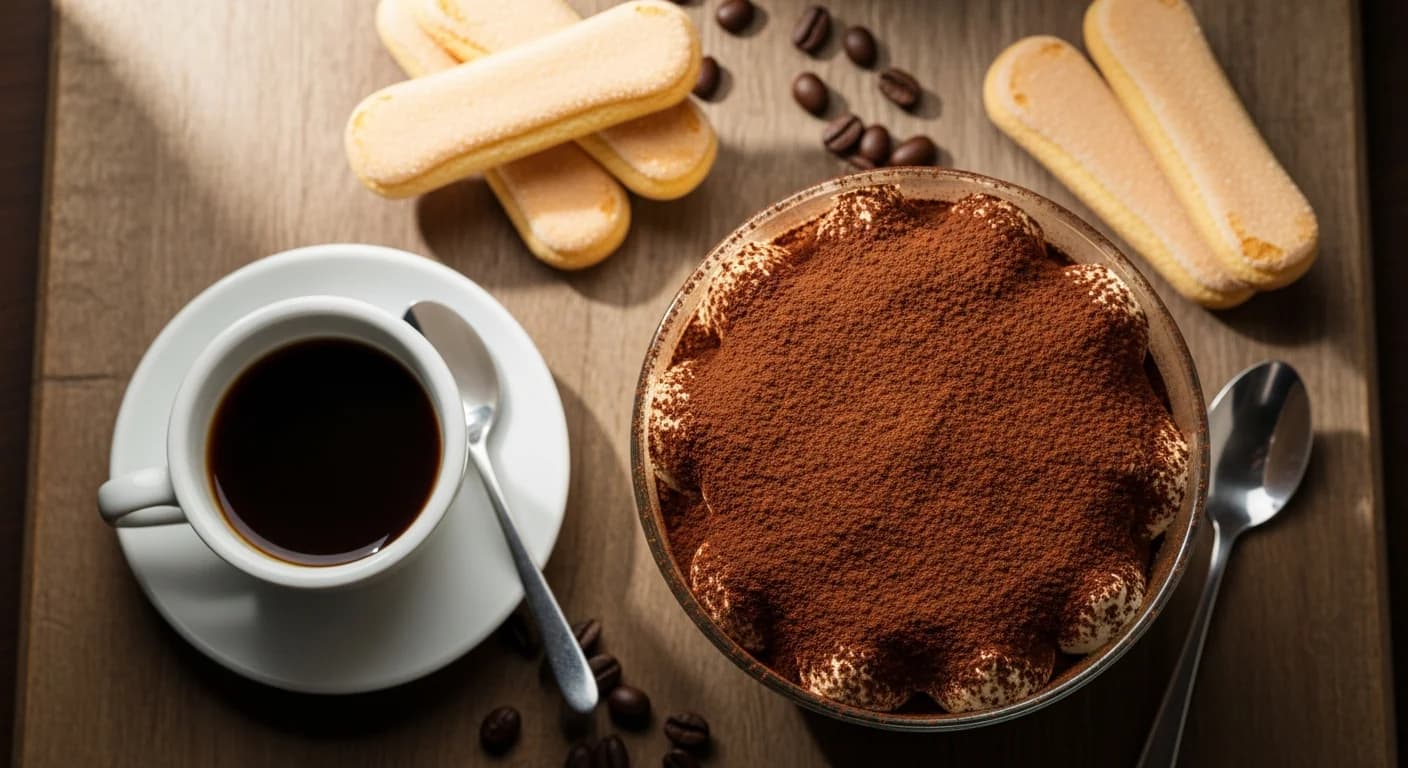
Tiramisu ("pick me up" in Italian) is the most famous coffee dessert in the world, and for good reason. Layers of espresso-soaked ladyfingers and mascarpone cream make it rich, deeply flavored, and just as good — if not better — the next day.

Ingredients (4–6 servings)

  • Coffee: 200ml strong espresso or brewed coffee, cooled
  • Savoiardi (ladyfingers): 15–20 biscuits
  • Mascarpone cheese: 250g
  • Heavy cream: 200ml
  • Egg yolks: 2 (or substitute with instant custard powder)
  • Sugar: 60g
  • Vanilla extract: a few drops
  • Unsweetened cocoa powder: for dusting

Instructions

  1. Whip the heavy cream to stiff peaks.
  2. Whisk the egg yolks and sugar together in a bowl until pale and thick.
  3. Add the mascarpone and mix until smooth and well combined.
  4. Fold the whipped cream gently into the mascarpone mixture.
  5. Dip each ladyfinger briefly into the cold coffee — 2 to 3 seconds maximum.
  6. Arrange a layer of soaked ladyfingers in the bottom of your dish.
  7. Spread half the cream mixture over the biscuits.
  8. Repeat with another layer of soaked ladyfingers, then the remaining cream.
  9. Cover and refrigerate for at least 3–4 hours, or overnight for best results.
  10. Dust generously with cocoa powder just before serving.

Do not over-soak the ladyfingers — 2 to 3 seconds is enough. They will continue absorbing moisture from the cream as the tiramisu chills, so it is better to err on the side of slightly dry. Over-soaked biscuits collapse and turn the dessert soggy.

This recipe uses raw egg yolks. Use the freshest eggs available, and keep the finished tiramisu refrigerated at all times. If you are concerned about raw eggs, use pasteurized eggs or skip the yolks and make the cream with mascarpone and whipped cream only.

Best coffee for tiramisu: A dark espresso roast gives the boldness needed to compete with the rich mascarpone cream. Light roasts tend to get lost in the dessert. Use the strongest coffee you have.

Recipe 2: Japanese Coffee Jelly

Coffee jelly is a beloved dessert in Japan, found in everything from convenience stores to high-end cafes. The contrast between firm, slightly bitter coffee jelly and sweet cream or condensed milk is unmistakably satisfying. It is also one of the easiest coffee desserts to make.

Ingredients (4 servings)

  • Strong coffee: 500ml (cooled — instant coffee made at double strength works well)
  • Powdered gelatin: 5g (or 4 gelatin sheets)
  • Sugar: 2–3 tablespoons (adjust to taste)
  • For topping: heavy cream, sweetened condensed milk, or both

Instructions

  1. Dissolve the powdered gelatin in 3 tablespoons of cold water. Let it bloom for 5–10 minutes.
  2. Heat the strong coffee to just below boiling. Stir in the sugar until fully dissolved.
  3. Add the bloomed gelatin and stir until completely dissolved.
  4. Pour into molds or glasses. Let cool to room temperature, then refrigerate for 2–3 hours until set.
  5. Serve with a drizzle of cream or condensed milk.

Make your coffee slightly stronger than you think you need. The sweetness from the cream will soften the bitterness considerably once combined. If you are using instant coffee, use 1.5 to 2 times the normal amount per the package directions.

Variations: Cut the set jelly into cubes and combine with cold milk for a refreshing coffee milk jelly drink. Layer the cubed jelly in a tall glass alternating with milk for a visually striking dessert. Or spoon it over vanilla ice cream for a homemade coffee sundae.

Agar-Based Version (Vegan)

Substitute powdered agar (4g) for gelatin. Add the agar directly to the hot coffee and bring to a gentle boil, stirring for 2 minutes until dissolved. Pour into molds and let set at room temperature. Unlike gelatin, agar sets firm even without refrigeration, making it ideal in warm weather.

Recipe 3: Affogato

Affogato means "drowned" in Italian — and that is exactly what happens when you pour a hot shot of espresso over cold vanilla ice cream. It is one of the quickest, most satisfying coffee desserts in existence.

Ingredients (1 serving)

  • Vanilla ice cream: 2–3 scoops
  • Espresso or strong coffee: 1 shot (approx. 30ml, served very hot)
  • Coffee liqueur such as Kahlúa (optional): 1 tablespoon
  • Crushed cookies or chopped almonds for garnish (optional)

Instructions

  1. Place the ice cream scoops into a glass or small bowl.
  2. Pour the hot espresso directly over the ice cream.
  3. Eat immediately — the contrast of hot coffee and cold ice cream is the entire experience.
  4. Add toppings if desired.

Serve affogato immediately after pouring the espresso. The moment the hot coffee hits the cold ice cream, the dessert begins to change. Pour it at the table in front of your guest for a dramatic effect, and eat within a minute or two of serving.

Bean selection: A bold, dark Italian-style espresso roast is ideal. The bitterness of the espresso in direct contrast with the sweetness and fat of the vanilla ice cream is what makes affogato so distinctive.

Variations: Chocolate, salted caramel, or hazelnut ice cream all work beautifully with espresso. For a more elaborate presentation, serve in an espresso cup — fill with one scoop of ice cream, pour the espresso alongside, and serve on a small plate with a spoon.

Recipe 4: Coffee Granita

Granita is a semi-frozen Sicilian dessert with a coarser, more crystalline texture than sorbet. The coffee version is a staple of summer in southern Italy and an elegant way to serve iced coffee in dessert form. It requires no special equipment — just a freezer and a fork.

Ingredients (4 servings)

  • Strong coffee: 400ml (cooled)
  • Sugar: 50–70g (to taste)
  • Vanilla extract: a few drops
  • Salt: a small pinch (to enhance flavor)
  • To serve: whipped cream or heavy cream

Instructions

  1. Stir sugar, vanilla, and salt into the cooled coffee until the sugar fully dissolves.
  2. Pour into a shallow metal baking pan or dish (a wider, shallower vessel freezes more evenly).
  3. Freeze for 1 hour, then scrape the entire surface vigorously with a fork.
  4. Return to the freezer and repeat the scraping process every 30 minutes, 3 to 4 more times.
  5. When the granita has a uniform, coarsely textured, icy appearance, it is ready.
  6. Spoon into chilled glasses, top with cream, and serve immediately.

Do not skip the scraping steps — they are what gives granita its characteristic light, flaky texture. If the mixture freezes solid between scrapings, let it thaw slightly at room temperature before breaking it up with a fork.

Serving Granita the Sicilian Way

In Sicily, coffee granita is traditionally eaten for breakfast alongside a soft, slightly sweet brioche roll. The combination sounds unusual, but the interplay of flaky, bitter-cold coffee ice and warm, pillowy bread is one of the most surprising and delightful food experiences in Italian cuisine. Try it at least once.

Coffee granita stores well. Transfer it to a sealed container and keep in the freezer for up to 2 weeks. Before serving, let it sit at room temperature for 5 minutes, then scrape with a fork to restore its texture.

Choosing Coffee for Desserts

DessertRecommended roastWhy
TiramisuDark espresso roastNeeds strength to stand up to rich cream
Coffee jellyMedium to dark roastBalanced bitterness and body
AffogatoDark (Italian roast)Bitter-sweet contrast with vanilla ice cream
GranitaMedium to dark roastEnough concentration to survive freezing

Can you use instant coffee? Yes — for coffee jelly and granita, instant coffee brewed at double strength works well and is convenient. For tiramisu and affogato, freshly brewed espresso or strong drip coffee makes a meaningful difference in flavor. A moka pot is an excellent compromise if you do not own an espresso machine.

Summary

Coffee desserts range from the elaborate (tiramisu) to the nearly instant (affogato), but all of them share one thing: the quality and strength of the coffee you use matters.

  • Tiramisu: The iconic coffee dessert — worth every step, and even better the next day
  • Coffee jelly: A Japanese classic that is as simple as it is satisfying
  • Affogato: One ingredient, one minute, one of the best desserts you will ever eat
  • Granita: A Sicilian frozen treat made with nothing more than coffee, sugar, and patience

Start with the affogato — it requires almost no preparation and will immediately show you what a great coffee dessert can taste like. From there, work your way toward the tiramisu when you are ready for something more ambitious.

About the Author

Coffee Guide Editorial

Coffee Guide Editorial

A team of writers and baristas passionate about coffee. We cover everything from bean selection and brewing methods to café culture.

Team Credentials

  • Certified baristas
  • Specialty roasting café experience
  • Coffee import industry experience

Related Articles