Coffee-to-Water Ratio Guide: Finding Your Perfect Brew Strength
PRThis article contains affiliate links
Key Takeaways
- The SCA recommends a ratio of 1:15–1:18 (1g of coffee per 15–18ml of water) for drip coffee
- Adjusting ratio is the most direct way to control brew strength
- Optimal ratio varies by brew method — espresso, pour-over, and cold brew all differ significantly
"My coffee is always too weak" or "I can't get it to taste the same twice" — both problems usually come down to ratio. The coffee-to-water ratio is the single most direct lever for controlling brew strength, and getting it right is easier than most people think.
This guide explains what ratio means, what the industry recommends, how different brew methods use different ratios, and exactly how to dial your cup to the strength you want.
SCA Recommended Ratio The Specialty Coffee Association (SCA) recommends a brew ratio of 1:15 to 1:18 — meaning 1 gram of coffee per 15 to 18 milliliters of water. This range represents "standard coffee strength" in specialty coffee contexts.
Why Ratio Matters
Coffee flavor depends on two key concepts: extraction yield (how much is pulled from the grounds) and brew strength (how concentrated the cup is). Ratio primarily controls strength.
- More coffee, less water (smaller ratio number): Stronger, fuller-bodied
- Less coffee, more water (larger ratio number): Lighter, cleaner
Note that ratio and extraction are separate variables. A 1:10 concentrate can still be under-extracted if brew time is too short. Getting ratio right means getting strength right — then you use grind size and temperature to tune the balance of flavors.
Reading Ratio Notation
"1:15" means 1 gram of coffee per 15 milliliters of water.
- 1:10 → 10g coffee, 100ml water (very strong)
- 1:15 → 10g coffee, 150ml water (strong, SCA lower bound)
- 1:17 → 10g coffee, 170ml water (standard)
- 1:20 → 10g coffee, 200ml water (light)
For a standard single cup (150–200ml):
| Ratio | Dose for 150ml | Dose for 200ml | Strength Impression |
|---|---|---|---|
| 1:12 | 12.5g | 16.7g | Very strong |
| 1:15 | 10g | 13.3g | Strong |
| 1:17 | 8.8g | 11.8g | Standard |
| 1:20 | 7.5g | 10g | Light |
Recommended Ratios by Brew Method
The same 1:15 ratio produces different perceived strength depending on brew method. Immersion methods (like French press) have longer contact time, so they extract more at the same ratio.
| Brew Method | Recommended Ratio | Notes |
|---|---|---|
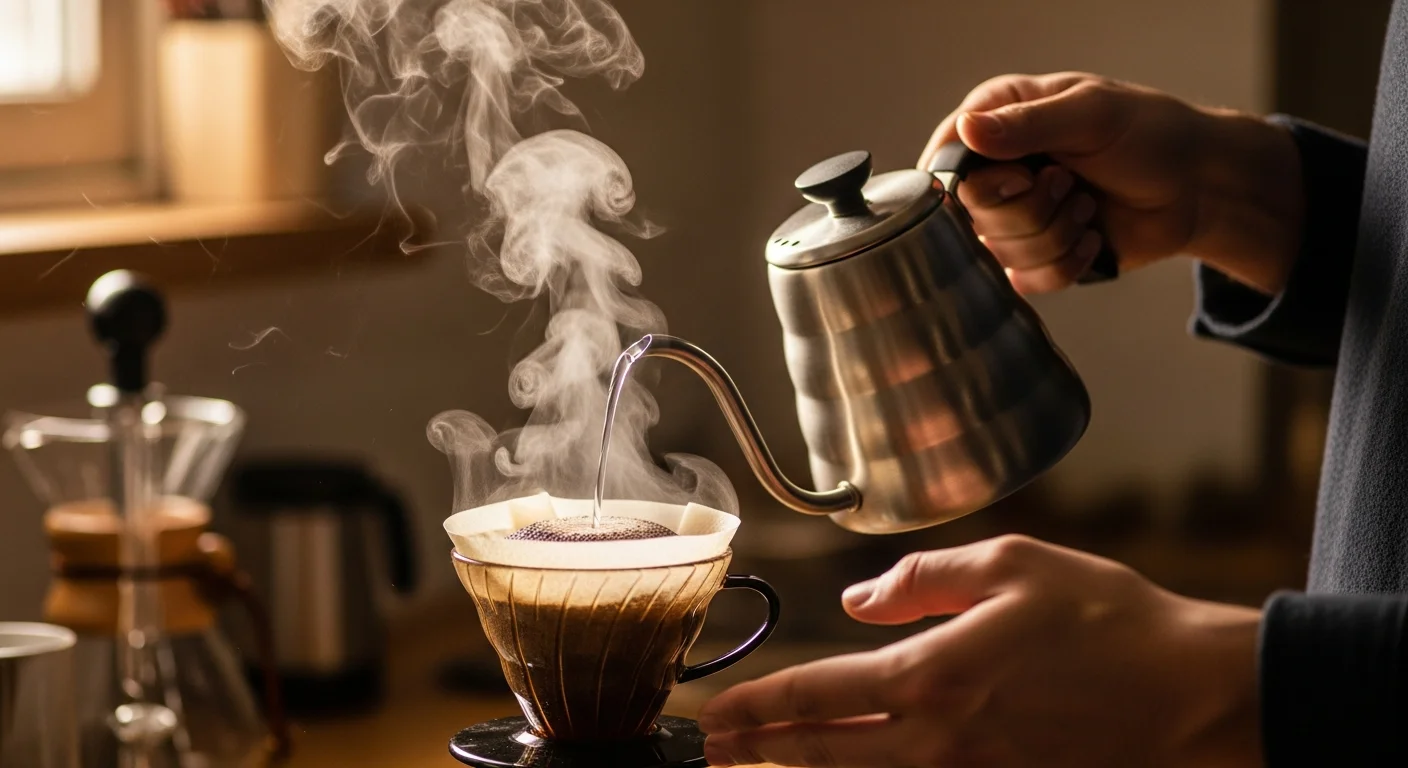
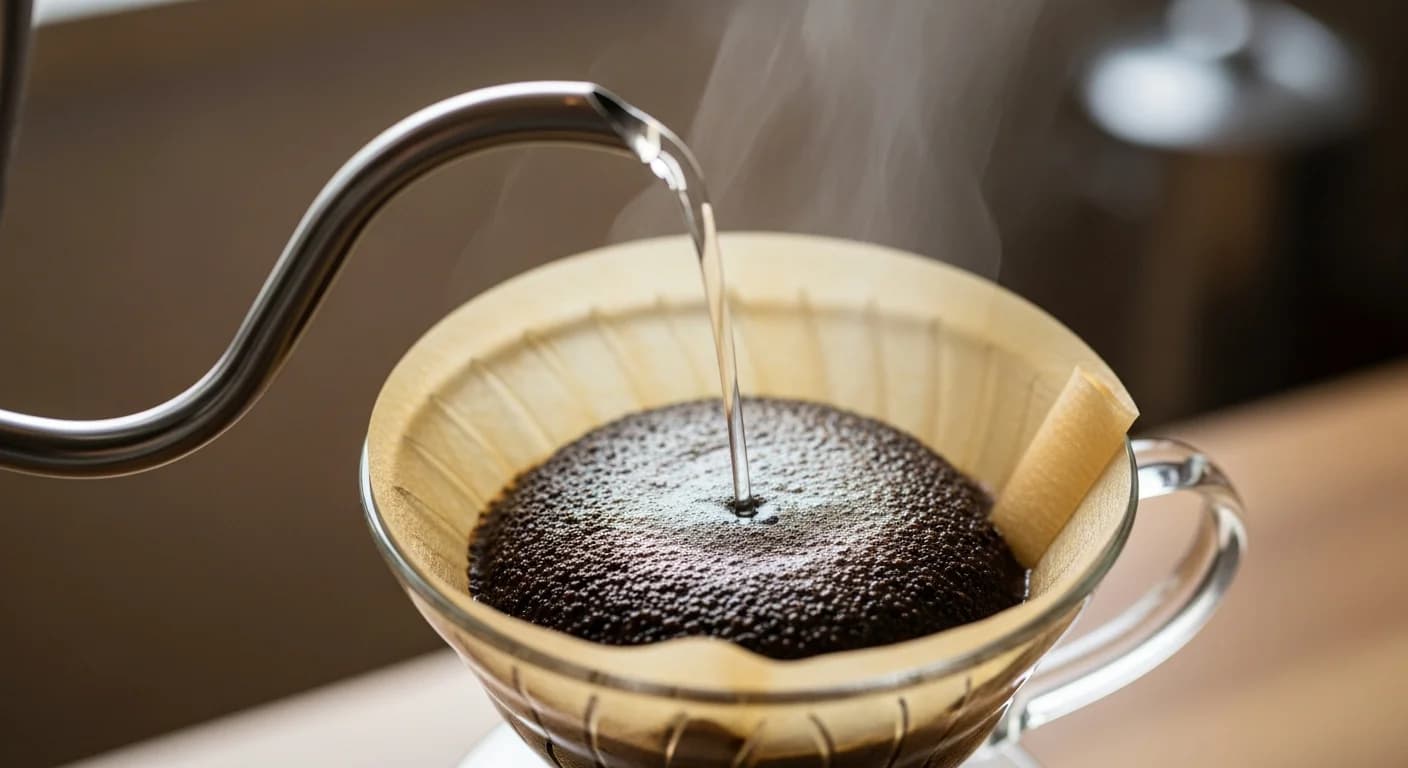
| Pour-over (V60, Chemex) | 1:15–1:17 | Standard specialty range |
| French Press | 1:15–1:18 | Immersion; same ratio brews stronger |
| AeroPress | 1:6–1:15 | Wide range — concentrate to full cup |
| Espresso | 1:2–1:3 | Pressure extraction; ultra-concentrated |
| Cold Brew | 1:7–1:12 | Long extraction; often made as concentrate |
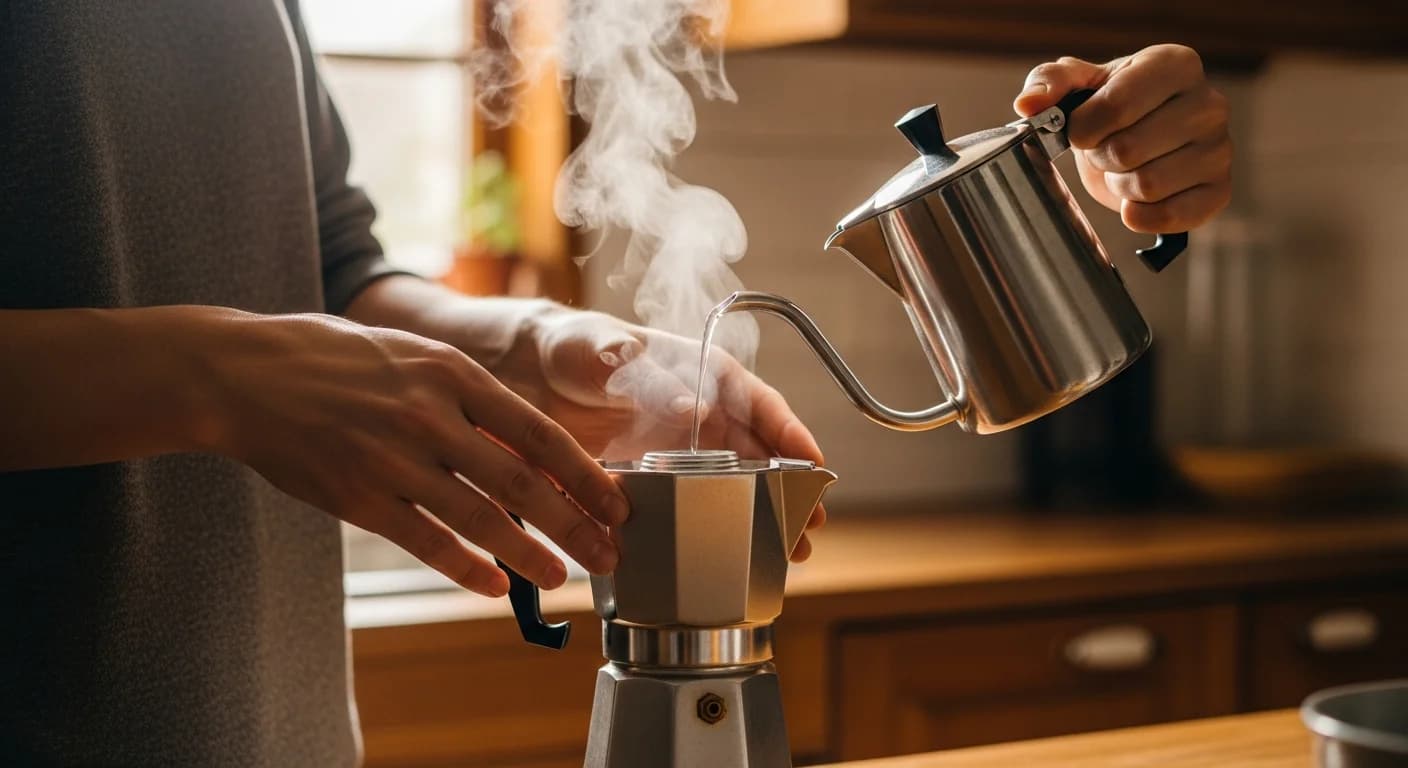
| Moka Pot | 1:7–1:10 | Espresso-like concentration |
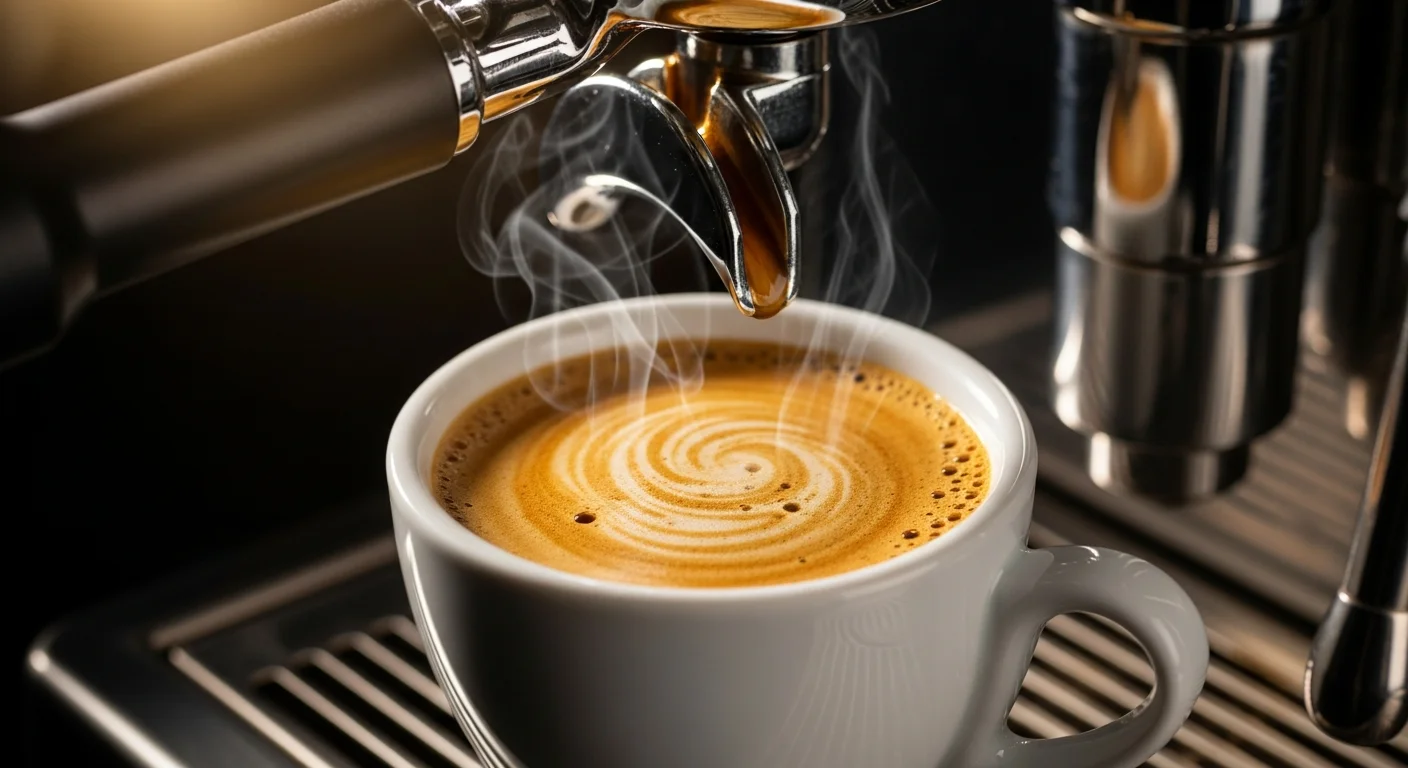
Espresso Brew Ratio In espresso, ratio is called "brew ratio" — grams of coffee in to grams of espresso out. A standard double shot uses 18g in, 36g out (1:2). Ristretto is below 1:1.5; lungo is 1:3 or more. These are quite different from drip ratios.
How to Adjust Ratio for Desired Strength
To Make It Stronger
- Increase coffee dose: Keep water constant, add 1g at a time
- Reduce water volume: Keep dose constant, reduce water by 10ml increments
Increasing dose tends to produce a cleaner result than reducing water, as it maintains normal extraction dynamics.
To Make It Lighter
- Reduce coffee dose: Keep water constant, remove 1g at a time
- Add more water: Keep dose constant, increase water (or add hot water after brewing)
- Dilute after brewing: The "Americano" method — brew strong, then add water to taste
Key Rule: Don't Change Ratio and Grind at the Same Time
When adjusting ratio, leave grind size alone. Changing two variables simultaneously makes it impossible to know what caused the result. Set ratio first to get the strength you want, then adjust grind to tune the flavor balance (acidity vs. bitterness).
Using a Digital Scale for Ratio Control
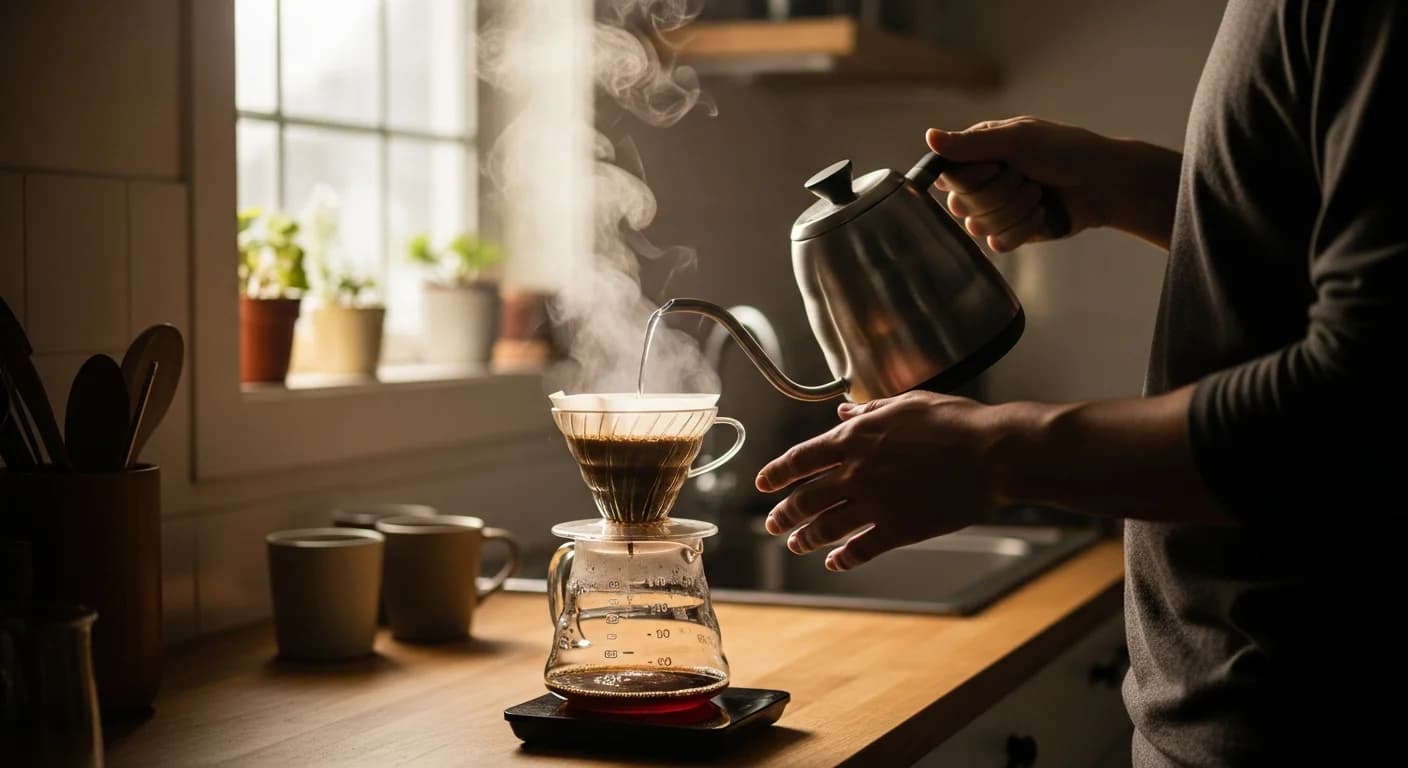
A scale is the only way to manage ratio accurately. Scoops and tablespoons vary too much to be reliable.
Step-by-step weighing (pour-over example):
- Zero the scale with your dripper and filter in place
- Weigh in your coffee dose (e.g., 15g)
- Target water weight: 15 × 17 = 255g
- Pour to target weight, monitoring the scale throughout
If you've been eyeballing your dose, try using a scale for one week. The consistency improvement is immediate and significant.
FAQ
Q: Can I add water after brewing if the coffee is too strong? A: Absolutely — this is exactly what an Americano is. For pour-over, however, adjusting ratio at the brew stage gives more even extraction than diluting afterward. Post-brew dilution can create a "layered" texture that some find less pleasant.
Q: Does ratio stay the same when scaling up from 1 cup to 2? A: Yes — ratio scales linearly. If 1:17 works for one cup, use the same ratio for two cups: just double both dose and water. You may occasionally need minor tweaks for very large batches due to dripper geometry, but the same ratio is always the right starting point.
Summary: Three Ratio Principles
- Start at 1:15–1:17 — the SCA-validated range for standard drip strength
- Always weigh dose and water — scoops kill consistency
- Adjust ratio and grind separately — change one variable at a time
Once you internalize ratio as your primary strength control, you'll stop second-guessing your coffee. Pick a starting point, measure it precisely, and then adjust from there with intention.
Related Articles
- How Water Temperature Affects Coffee Flavor: Finding the Optimal Range
- Cold Brew Coffee Strength Guide: Beginner-Friendly Tips for the Perfect Brew
- Paper Drip Coffee Tips: A Complete Beginner''s Guide to Better Brewing
- Moka Pot Advanced Techniques: Better Coffee from Your Stovetop Brewer
- Complete Guide to Brewing V60 Drip Coffee | Master the 4:6 Method
About the AuthorExpert Reviewed

Coffee Guide Editorial
A team of certified writers and baristas with hands-on experience at origin farms and roasteries. We deliver practical, experience-backed guides on bean selection, brewing methods, and equipment reviews.
Credentials & Experience
- J.C.Q.A. Certified Coffee Instructor
- SCA Certified Barista
- 5+ years running a specialty roasting café
- 200+ coffee beans tasted annually