Nordic Coffee Culture — Filter Coffee and the World's Highest Consumption
PRThis article contains affiliate links
Key Takeaways
- Finland has the world's highest per-capita coffee consumption, with Norway and Sweden also ranking in the global top tier
- Nordic coffee is defined by filter brewing, light-to-medium roasts, and drinking black without milk or sugar
- Sweden's Fika — a social coffee break ritual — is deeply embedded in work culture and daily life
Where is coffee consumed most heavily in the world? Not Italy. Not the United States. The answer is Scandinavia. Finland, Norway, Sweden, and Denmark consistently rank at the very top of global per-capita coffee consumption, with Finland holding the number one position for decades.
This guide explains why Nordic people drink so much coffee, what makes their coffee culture distinctive, and how Scandinavian tastes have shaped the global specialty coffee movement.
Why Nordic Countries Became Coffee Nations
Several factors explain how the Nordic countries came to consume more coffee per person than anywhere else on earth.
1. Climate
Nordic winters are extreme — in Finland and Norway, daylight can shrink to just a few hours. A warm, stimulating beverage that fights fatigue and cold has obvious practical value. Coffee's combination of warmth and caffeine made it an ideal companion for long dark seasons.
2. Historical Factors
Coffee spread through the Nordic countries in the 17th and 18th centuries. It arrived partly as an alternative to alcohol, and during the 19th-century temperance movement, coffee was actively promoted as a sober, respectable drink. This association with virtue and productivity helped embed it in Nordic social norms.
3. The Institutionalization of Coffee Breaks
In Nordic countries, coffee breaks at work, school, and home became formalized social rituals. The structural frequency of coffee-drinking opportunities naturally drives consumption higher than in cultures where coffee is more occasional.
Finland: World's Top Coffee Consumer
According to the International Coffee Organization (ICO) and related data, Finland's annual per-capita coffee consumption is approximately 10–12 kg — the highest in the world. This translates to an average of 4–5 cups per adult per day. Coffee in Finland is not a treat; it is as ordinary as water.
The Characteristics of Nordic Coffee
1. Filter Coffee Dominates
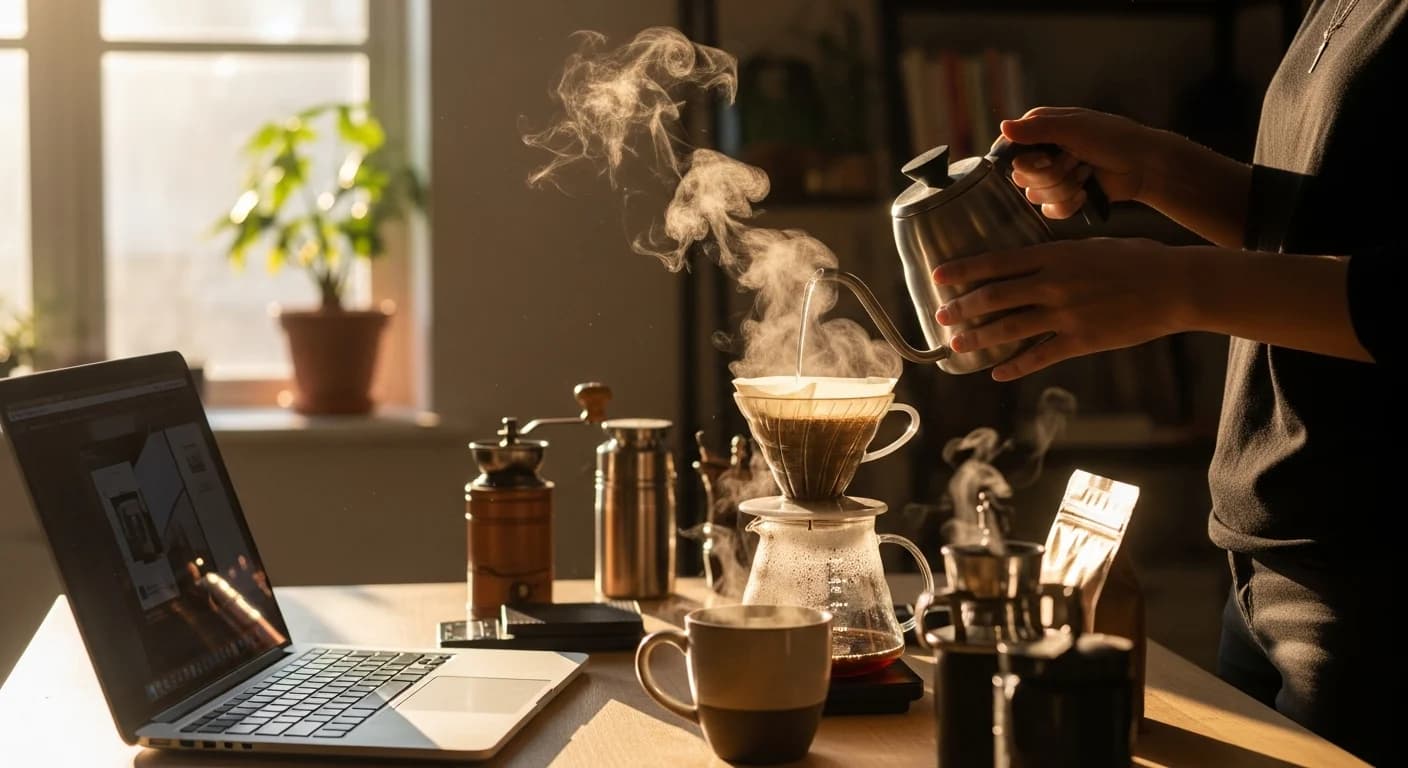
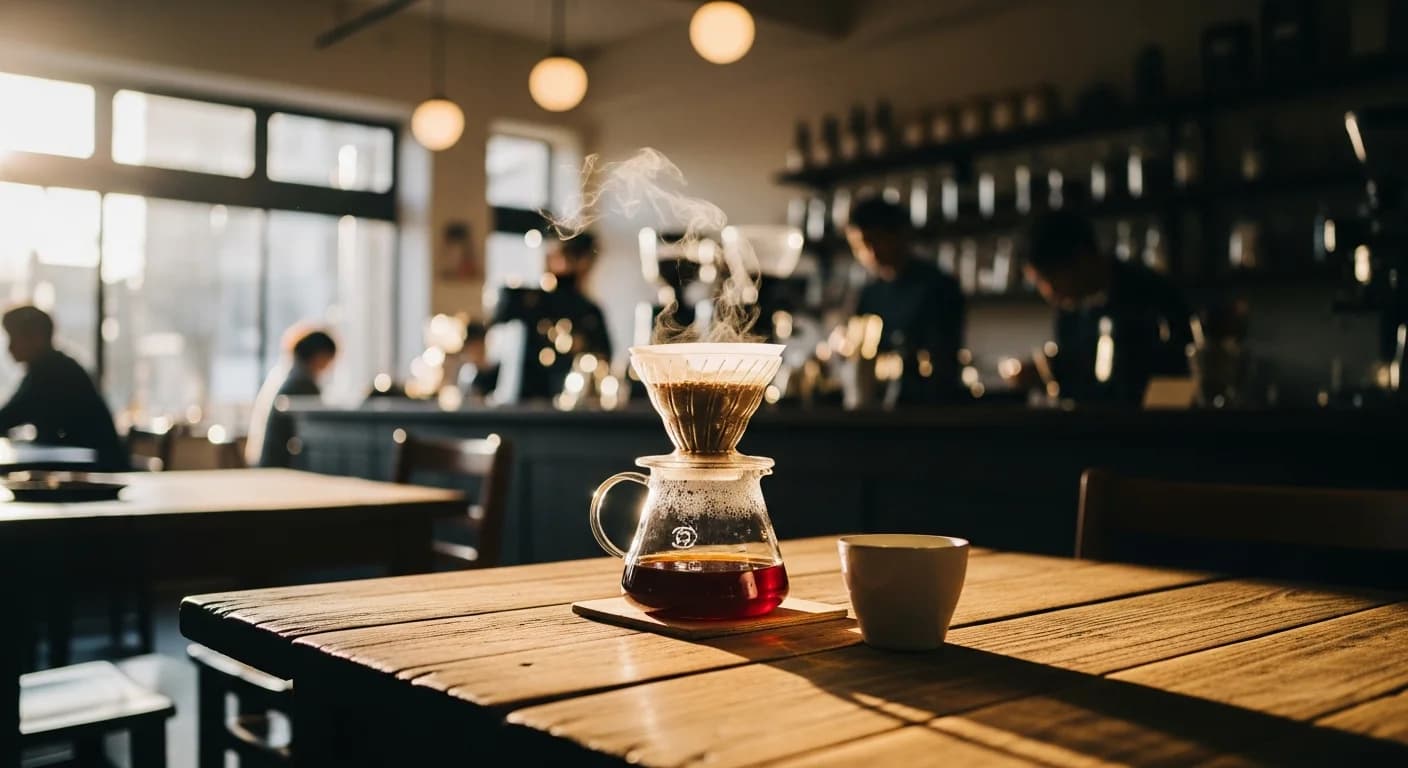
While espresso-based drinks dominate in southern Europe, Nordic coffee culture is built on filter coffee — paper drip and electric drip coffee makers. Most Nordic households own a drip machine, and brewing a large pot for the whole family is the default domestic style. Espresso machines are far less common in Nordic homes than in Italian ones.
2. Light to Medium Roast
Nordic coffee is roasted lighter than the dark French or Italian roasts that were once considered the European standard. Light-to-medium roasts that preserve the bean's natural acidity, floral notes, and fruity characteristics are preferred. This preference for lighter roasts was ahead of its time — it anticipated the sensibility of the modern specialty coffee movement and gave Nordic roasters a head start when the third wave arrived.
3. Black, Without Milk or Sugar
Nordic coffee culture favors drinking coffee black — without milk, cream, or sugar. This is not universal, but it is the dominant norm in a way that differs from other European traditions. Drinking coffee unsweetened and unadulterated reflects a general Nordic preference for tasting the raw material rather than softening it.
4. Volume
For Nordic people, coffee is not a special occasion drink — it is background infrastructure for daily life, always available and consumed frequently. Drinking 4–6 cups a day is not unusual. This is coffee as fuel and routine, not ritual.
Sweden's Fika Culture
No discussion of Nordic coffee is complete without Sweden's Fika (pronounced fee-ka).
Fika is a Swedish word that describes a break taken with coffee (or tea) in the company of friends, family, or colleagues. It is more than a coffee break in the utilitarian sense — it is a social institution, a deliberate pause from work to connect with others, relieve stress, and maintain community.
Fika Is Not Mandatory
In many Swedish workplaces, Fika has become a fixed daily ritual — colleagues gather, typically twice a day, and participate together. But there is growing awareness that over-formalizing Fika can create social pressure that undermines its purpose. The essential quality of Fika is that it is relaxed and voluntary. Fika forced on people who don't want to participate is not really Fika.
Fika always involves food. Cinnamon rolls (kanelbullar), cardamom buns, cookies, and cakes are standard. Nordic baking culture and Fika are inseparable — Fika without pastry is incomplete.
The concept has spread globally as workplaces in other countries have adopted the idea of a structured, social, non-work break. The Swedish government has even informally promoted Fika as part of Swedish work culture in international contexts.
Country-by-Country Differences
Norway: Has developed particular depth in specialty coffee appreciation and has been one of the most important countries in spreading specialty coffee internationally. Roasters like Tim Wendelboe and Fuglen (which has a location in Tokyo) are internationally respected and have contributed substantially to defining the modern specialty coffee aesthetic.
Denmark: Has a strong culture of the morning coffee ritual and is home to Copenhagen's vibrant specialty coffee scene. Danish design sensibility extends to café spaces — Nordic-minimalist café interiors are a recognizable global aesthetic.
Sweden: Beyond Fika, Sweden has a robust specialty coffee community centered in Stockholm. Swedish barista competitors have performed consistently well in World Barista Championship competition.
Finland: The consumption leader, where coffee is embedded in national identity. The Finnish coffee break (Kahvitauko) is legally recognized as a workplace right in many labor agreements — a reflection of how seriously coffee breaks are taken.
Nordic Coffee's Global Influence
The Nordic preference for light roast and filter brewing turned out to be prescient. When the third-wave specialty coffee movement emerged in the 2000s, it converged almost exactly on Nordic coffee values: single-origin beans, light roasting to preserve terroir, careful filter brewing, black consumption to experience the full flavor.
Nordic roasters — Tim Wendelboe and Fuglen from Norway, Johan & Nyström from Sweden — became reference points for the global specialty industry. The "Nordic roast" — light, bright, acidic, complex — became shorthand for quality-forward coffee throughout the world's specialty shops.
The connection is not accidental. These roasters grew up in a culture that already preferred what specialty coffee was beginning to promote. They had a head start on building the philosophy and technique that the rest of the world was just discovering.
Summary
Nordic coffee culture leads the world in both quantity and philosophy.
- World-leading consumption: Finland tops global per-capita rankings; the whole Nordic region ranks in the top tier
- Filter coffee, light roast, black: Three defining characteristics of the Nordic approach
- Fika: Sweden's social coffee break as a cultural institution and model for other countries
- Specialty influence: Nordic light-roast philosophy shaped modern specialty coffee worldwide
If you want to experience Nordic-style coffee, start with a light-roasted single-origin bean brewed as a pour-over or drip coffee — no milk, no sugar. What you find in the cup might change your understanding of what coffee can taste like.
Related Articles
- Australian Coffee Culture — The Flat White and Melbourne's World-Class Café Scene
- Barista World Championships — WBC, WLAC, WBrC and Japanese Competitors
- The Coffee 2050 Problem — Climate Change Impact on Coffee Cultivation
- Coffee, Focus, and Mental Health — How Caffeine Affects Productivity
- Coffee During Pregnancy — Safe Caffeine Limits and What to Know
About the Author
Coffee Guide Editorial
We cover coffee bean selection, brewing methods, and equipment features. For specifications and safety instructions, consult the article sources and the manufacturer’s latest information.