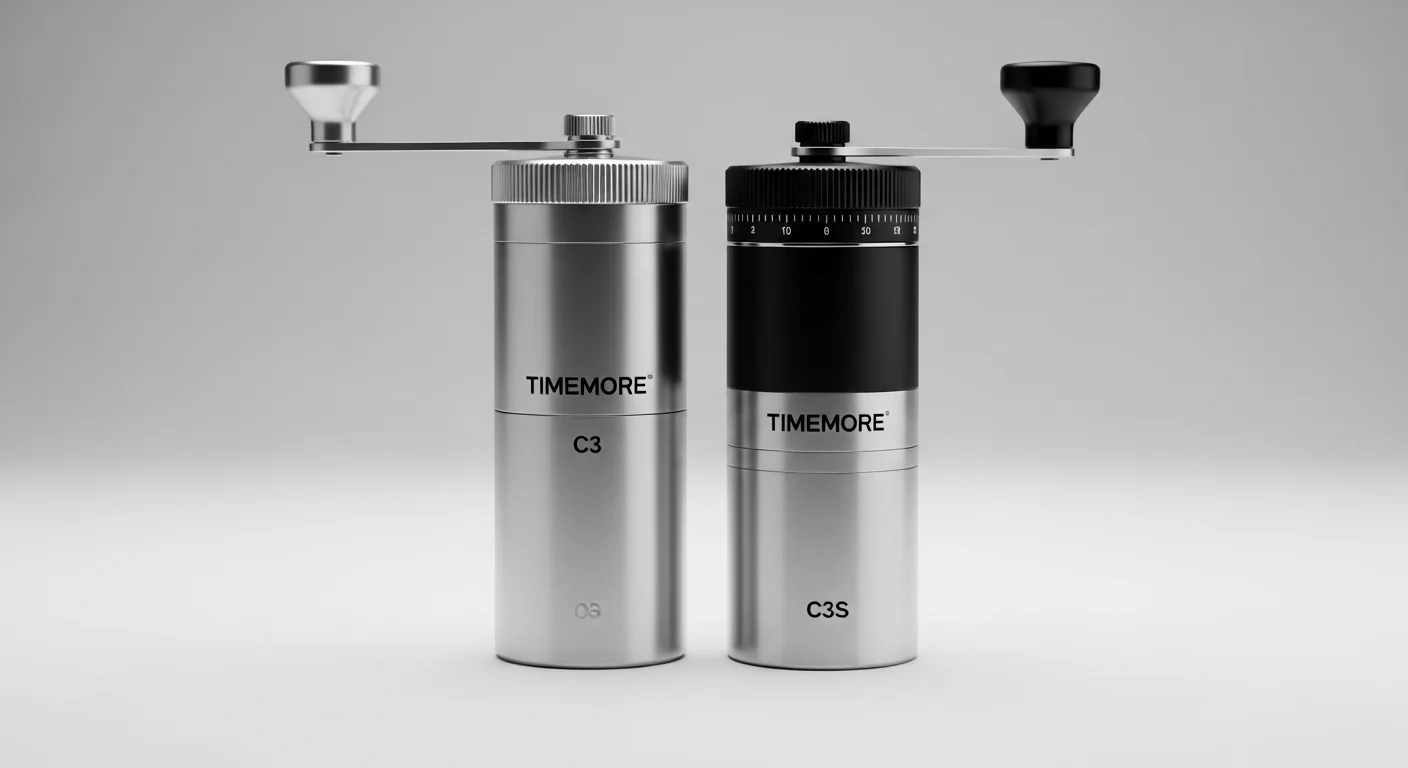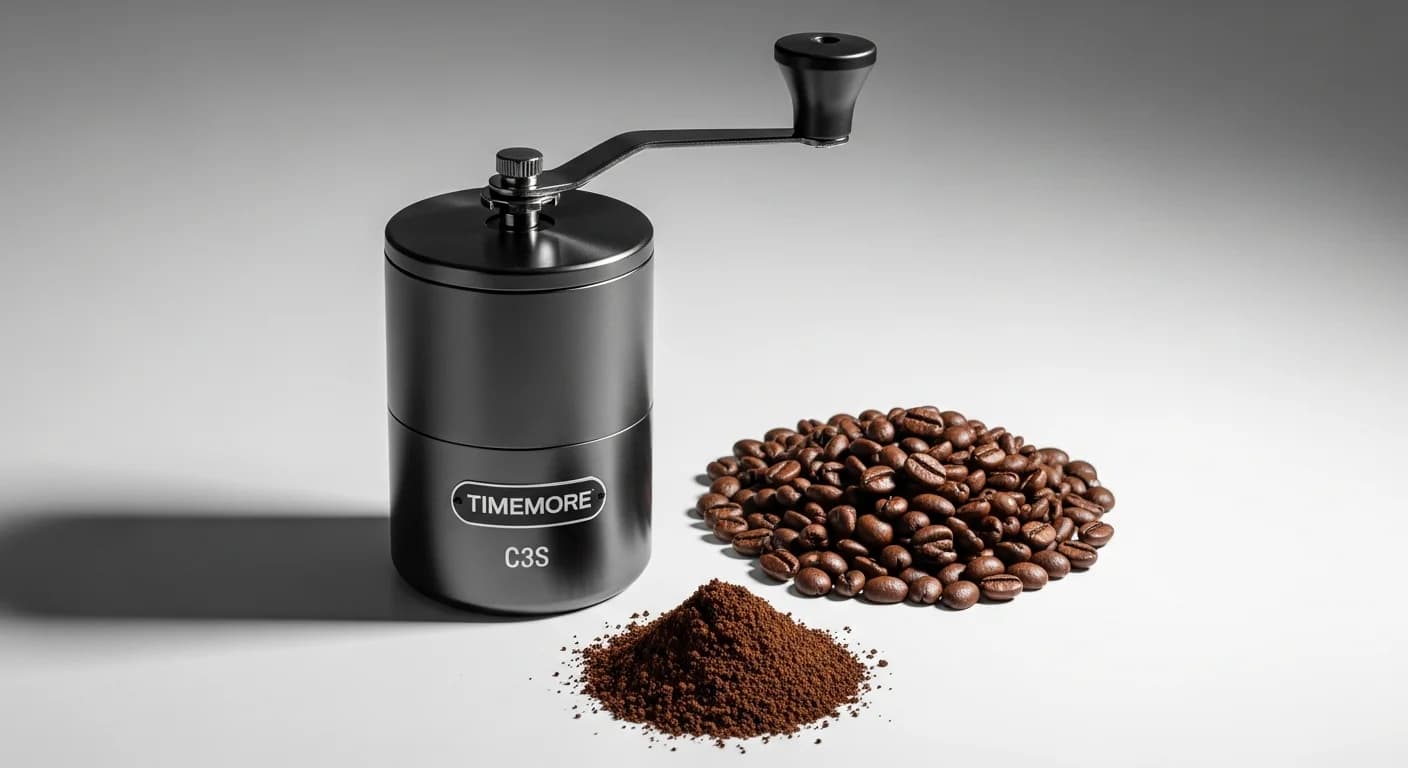
Manual vs Electric Coffee Grinder: How to Choose the Right One for You
PRThis article contains affiliate links
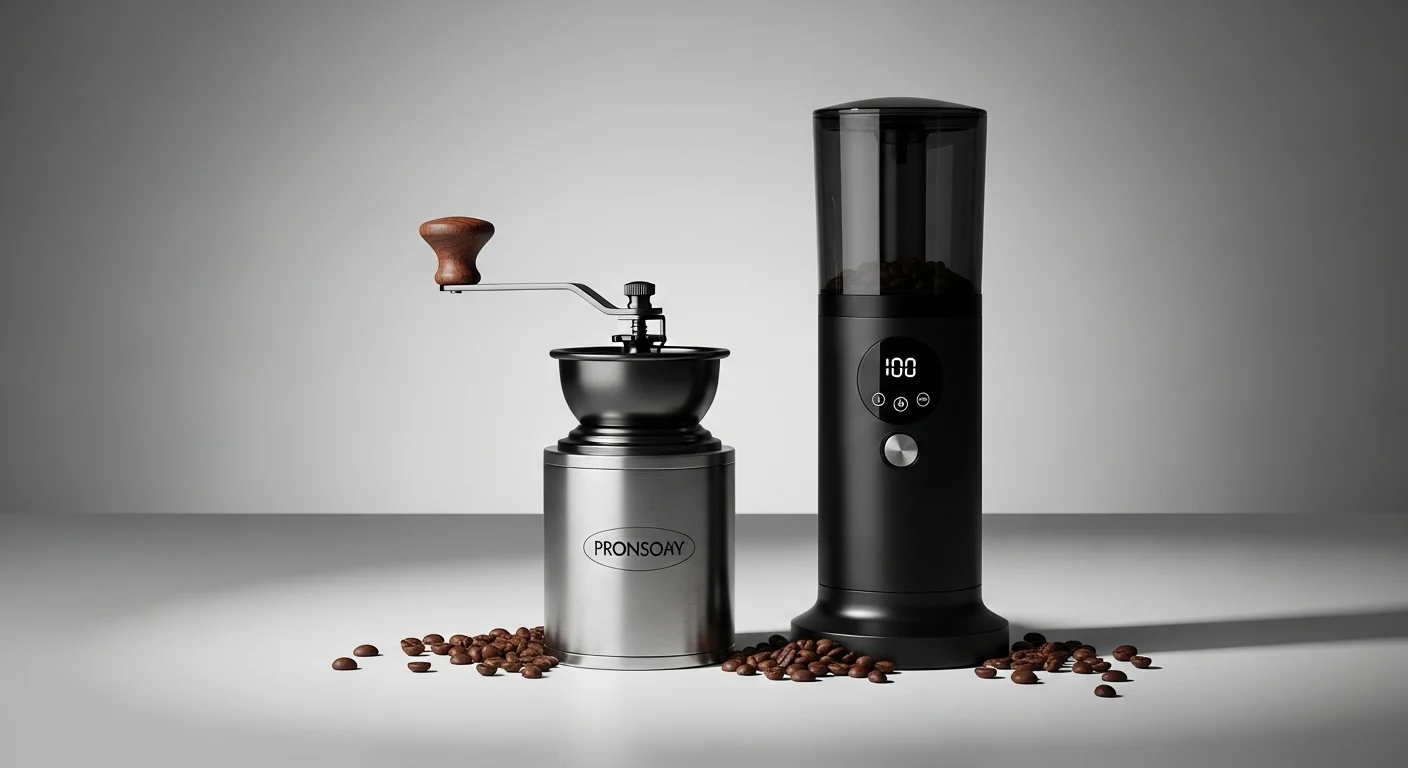
Key Takeaways
- Freshly ground beans retain CO2 and aroma, making them taste noticeably better
- Manual grinders offer silence, portability, and low cost; electric grinders offer speed and consistent grind size
- Manual suits solo or weekend brewers; electric suits daily or high-volume use
When you decide to take your coffee to the next level, a grinder is the first upgrade worth making. But choosing between a manual and an electric model can be surprisingly tricky.
This guide breaks down the strengths and weaknesses of each type so you can find the right grinder for your brewing routine.
Why Freshly Ground Coffee Tastes Better
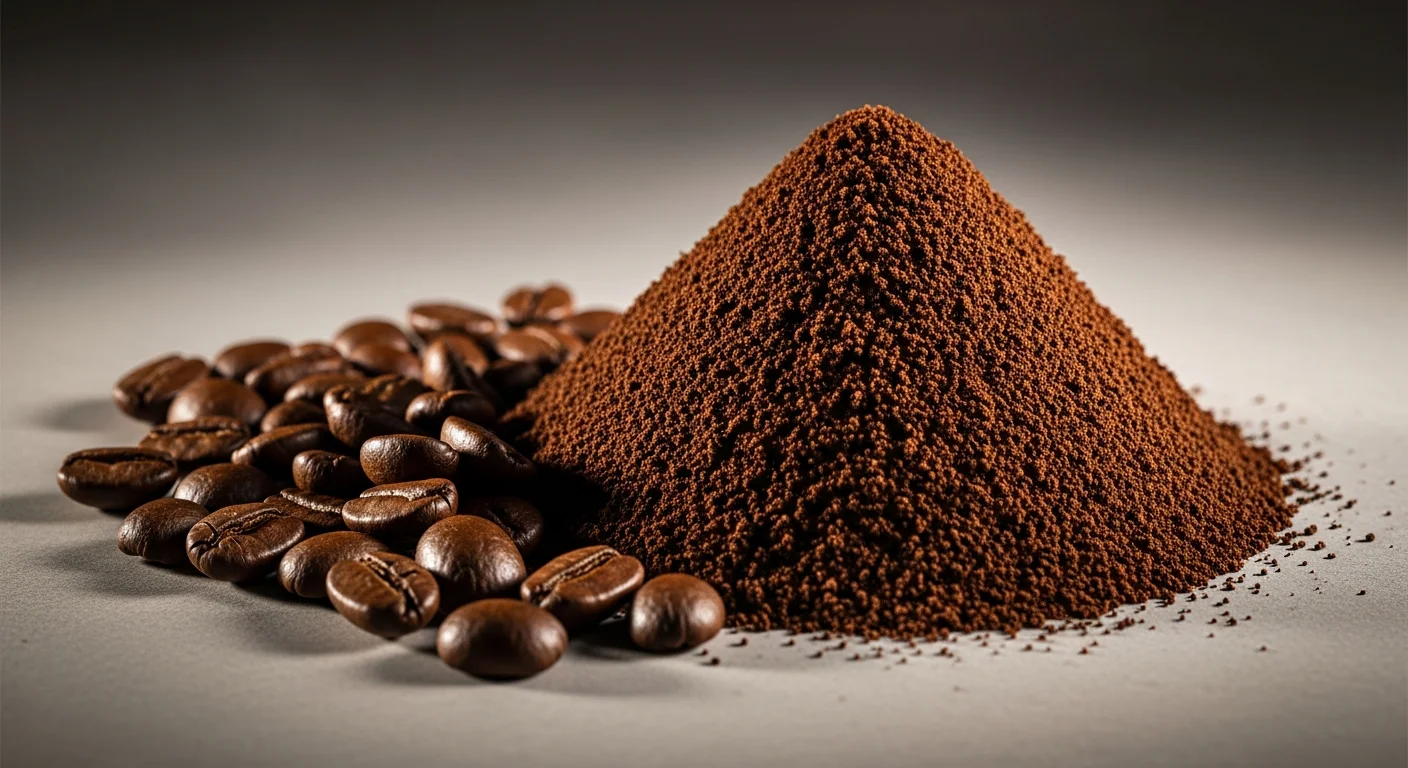
Pre-ground coffee and freshly ground beans taste completely different — and science explains why.
When coffee beans are roasted, they produce carbon dioxide (CO2) that stays trapped inside. This gas plays a key role in the brewing process: when you pour hot water over fresh grounds, the CO2 releases and causes the coffee bed to "bloom," helping extract flavor evenly. The moment you grind beans, their surface area expands dramatically, and both CO2 release and oxidation accelerate rapidly.
Peak flavor typically lasts just 10 to 15 minutes after grinding. After that, aroma and sweetness fade fast.
Why freshly ground coffee tastes better
- Retained CO2 creates the bloom effect for even extraction
- Minimal oxidation preserves aromatic compounds
- A consistent grind size leads to balanced, clean flavor
In other words, owning a grinder is the single most impactful upgrade for your daily cup. The only question left is: manual or electric?
Manual Grinders: Features and Overview
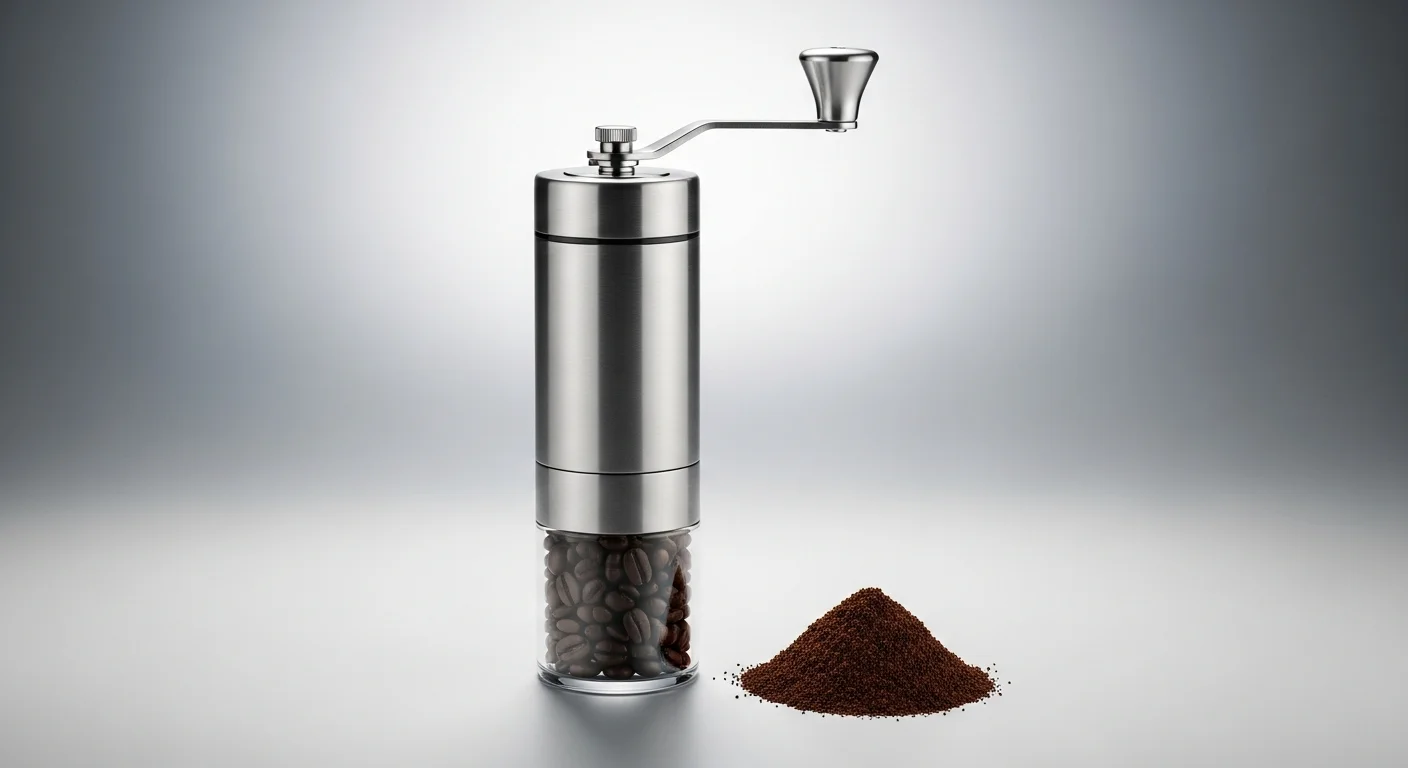
A manual coffee grinder uses a hand-cranked burr mechanism to grind beans. It's a traditional approach still favored by specialty coffee enthusiasts worldwide — and recent improvements in burr quality and adjustment precision have made entry-level models far more capable than before.
Most manual grinders are compact and lightweight, making them easy to pack for camping, travel, or office use. Because they have no motor, they operate almost silently — ideal for early mornings without disturbing others.
Pros
- +No power source needed — works anywhere
- +Near-silent operation, great for early mornings
- +Low heat transfer preserves bean flavor
- +Simple design is easy to clean and long-lasting
- +Entry models start around $30–$50
Cons
- -Takes 1–2 minutes to grind one serving
- -Grinding 30g or more can tire your arm
- -Grind consistency varies by model quality
Tips for getting the most from a manual grinder
Before committing to a grind size, test with 2–3 beans and feel the resistance. Too coarse leads to weak, watery coffee; too fine produces bitterness. For pour-over or drip, aim for medium grind. For French press, go coarser.
Electric Grinders: Features and Overview
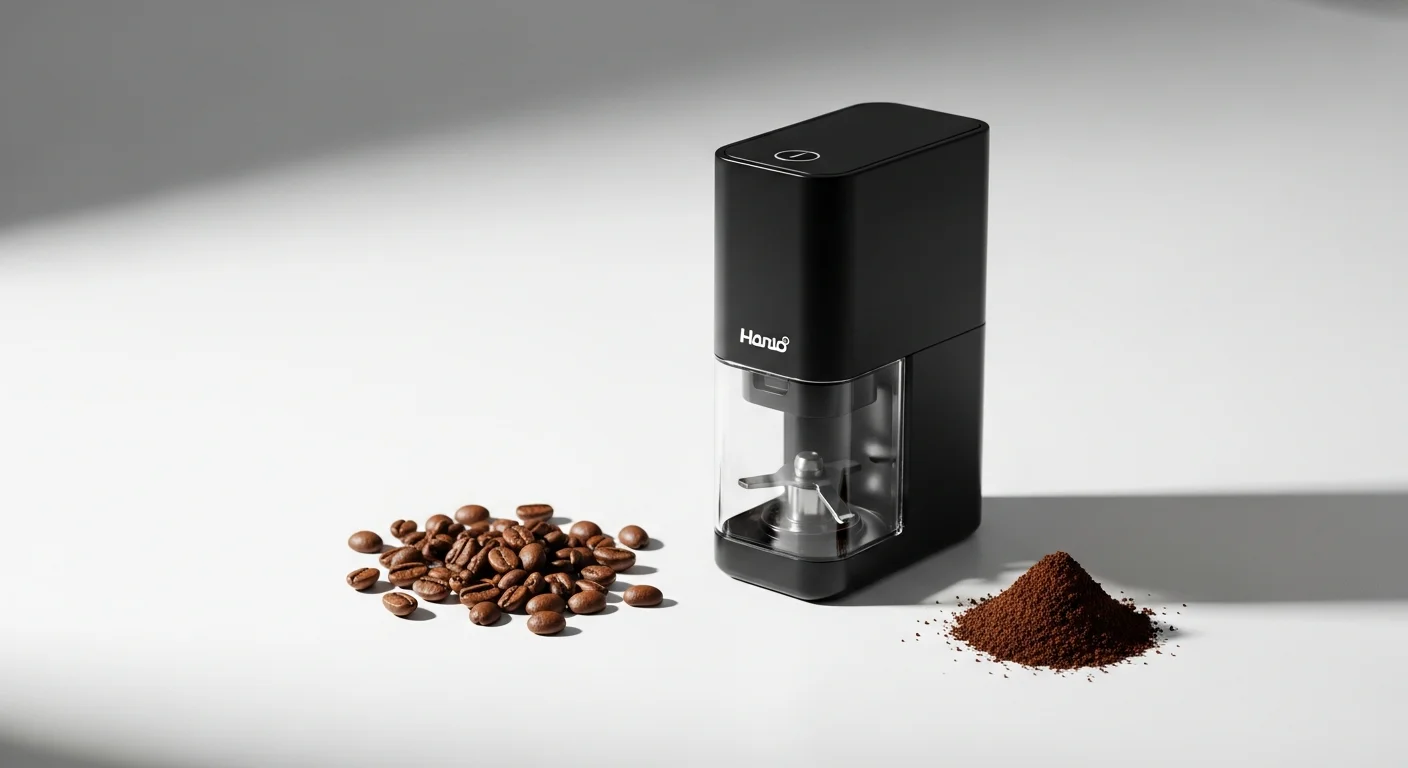
Electric grinders use a motor to grind beans quickly and consistently — their main advantage. Even on a busy morning, you can have freshly ground coffee ready in under 30 seconds with minimal effort.
Burr types vary: blade grinders are cheap but produce uneven grounds, while flat burr and conical burr (also called burr-style) grinders deliver consistent particle sizes suited for precision brewing. Entry-level electric burr grinders start around $40–$60.
Pros
- +Grinds a full serving in 20–30 seconds
- +Reproduces consistent grind size every time
- +Handles large batches (40–60g) effortlessly
- +Virtually no physical effort required
- +Many models offer precise grind settings
Cons
- -Requires a power outlet — limits portability
- -Motor produces noise (approx. 60–75 dB)
- -Generally more expensive than manual
- -More parts means more complex cleaning
How to keep your electric grinder performing well
Coffee oils accumulate in the grind chamber and can turn rancid over time, affecting flavor. Use a cleaning brush after every session to remove loose grounds, and wash the catch container weekly. Some grinders are compatible with grinder cleaning tablets for a deeper clean.
Manual vs Electric: Side-by-Side Comparison
| Feature | Manual Grinder | Electric Grinder |
|---|---|---|
| Entry-level price | $25–$60 | $40–$100 |
| Grind time (1 serving) | 1–2 minutes | 20–30 seconds |
| Noise level | Near-silent | ~60–75 dB |
| Grind consistency | Varies by model | Generally stable |
| Power required | No | Yes |
| Portability | High | Low |
| Ease of cleaning | Simple | Moderately complex |
| Heat generated | Minimal | Depends on model |
Neither type is universally better. The right choice depends on where, how often, and how many cups you brew.
Which Type Fits Your Lifestyle?
Choose a manual grinder if you:
- Brew one or two cups and enjoy taking your time
- Appreciate the ritual and meditative aspect of hand-grinding
- Only make coffee on weekends or occasionally
- Want to bring your grinder camping or traveling
- Need a quiet grinder for shared living situations
- Are just starting out and want to keep costs low
Choose an electric grinder if you:
- Drink coffee every day and value a quick morning routine
- Need to grind for three or more people regularly
- Brew espresso or other methods that require precise, consistent grind sizes
- Prefer minimal physical effort in the morning
- Have joint or muscle concerns that make hand-grinding difficult
Many people start with a manual grinder and upgrade to electric once daily coffee becomes a habit. Either way, grinding fresh delivers a noticeably better cup than pre-ground.
Recommended Coffee Grinders
Summary: Finding Your Perfect Grinder
Here is a quick decision guide:
- Solo brewer, occasional or outdoor use → Manual grinder (Timemore C2, Hario Slim, etc.)
- Daily drinker, multiple cups, time-conscious → Electric grinder (De'Longhi KG79J, etc.)
- Budget under $50 → Manual grinders offer strong value in this range
- Budget $40+ and want effortless grinding → Entry-level electric burr grinders
Whichever you choose, grinding your beans fresh immediately before brewing will noticeably improve your cup. A quality grinder lasts for years and is one of the best investments you can make in your daily coffee experience.
Related Articles
- TIMEMORE C3 vs C3S — Which Should You Buy?
- Comandante C40 Review — The World's Best Manual Grinder Tested
- De'Longhi Dedica Grinder KG521J Review — Conical Burr Performance Tested
- Fellow Ode Grinder Review — 64mm Flat Burr Electric Performance Tested
- Flat Burr vs Conical Burr Grinder — What's the Difference?
About the AuthorExpert Reviewed

Coffee Guide Editorial
A team of certified writers and baristas with hands-on experience at origin farms and roasteries. We deliver practical, experience-backed guides on bean selection, brewing methods, and equipment reviews.
Credentials & Experience
- J.C.Q.A. Certified Coffee Instructor
- SCA Certified Barista
- 5+ years running a specialty roasting café
- 200+ coffee beans tasted annually