Coffee Paper Filters Guide — Hario, Kalita, and Bleached vs Unbleached
PRThis article contains affiliate links
Key Takeaways
- Filter shape (cone vs trapezoid) must match your dripper — they are not interchangeable
- Bleached white and unbleached brown filters have negligible flavor differences — choose by preference
- The most important factor is matching the correct filter size to your specific dripper model
Coffee paper filters are consumed with every brew, yet many home brewers never think carefully about which filter they buy. The wrong shape won't fit your dripper. The wrong size affects flow and extraction. Bleached vs unbleached is a question that comes up repeatedly.
This guide covers everything you need to know to buy the right filters confidently.
What this guide covers
- Cone (V60) vs trapezoid (Kalita/Melitta) filter shapes
- Hario and Kalita filter size reference
- Bleached white vs unbleached brown — does it matter?
- Pre-rinsing: why and how
Filter Shapes: Cone vs Trapezoid
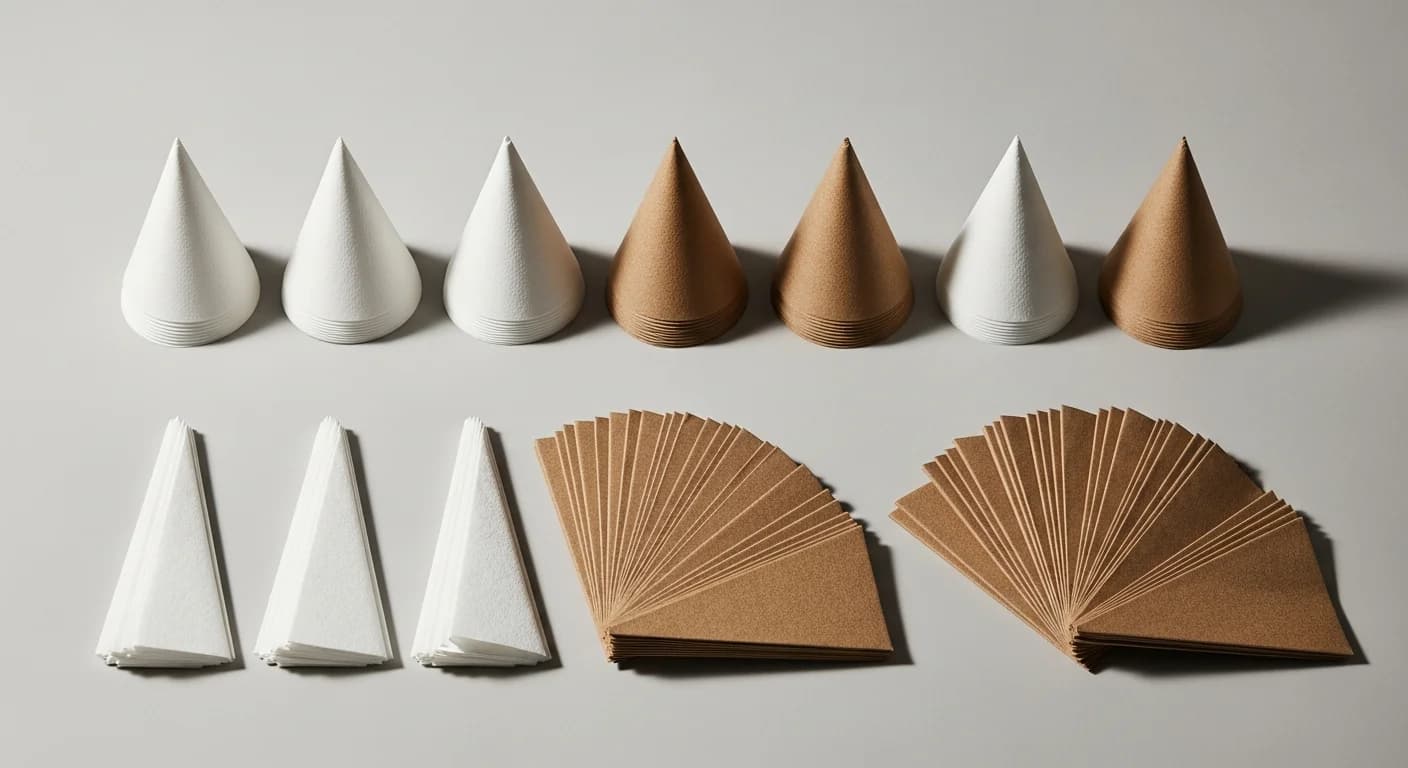
There are two fundamental filter shapes:
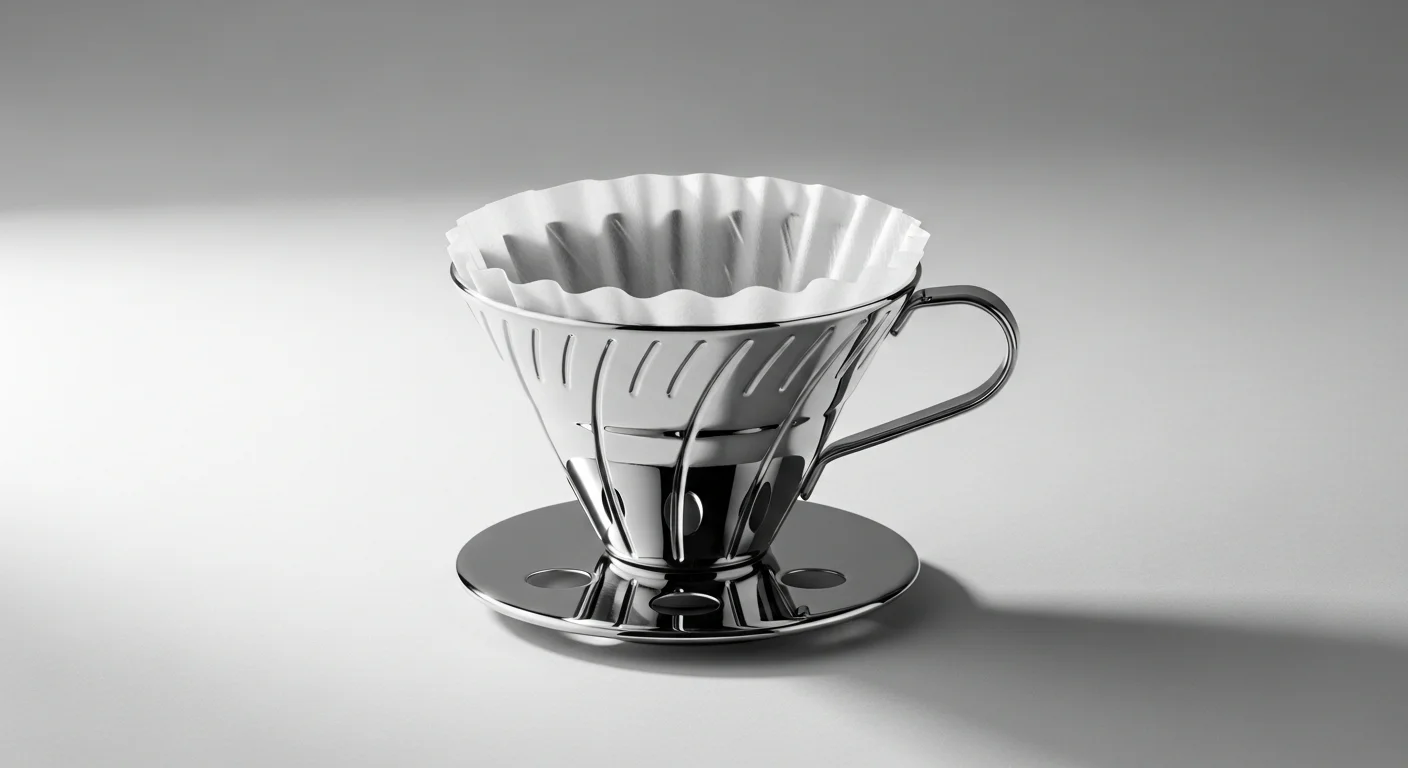
Cone (conical):
- Used in Hario V60, ORIGAMI (with cone adapter)
- Comes to a point at the bottom
- Designed for single-hole cone drippers
Trapezoid (fan-shaped):
- Used in Kalita flat-bed drippers, Melitta single-hole drippers
- Flat bottom with two side seams
- Not compatible with cone drippers
These shapes are not interchangeable. Always confirm your dripper type before buying filters.
Hario V60 Filters
| Size | Cups | Product code |
|---|---|---|
| 01 | 1–2 cups | VCF-01-100W |
| 02 | 1–4 cups | VCF-02-100W |
The V60 02 is the most widely used size — it works with the standard V60 02 dripper. Hario's own filters are Made in Japan with consistent quality and minimal paper smell. They are the recommended first choice for V60 users.
Kalita Trapezoid Filters
| Size | Persons | Most common use |
|---|---|---|
| 101 | 1–2 | Small home dripper |
| 102 | 2–4 | Standard home dripper |
| 103 | 4–7 | Large/office brewing |
Kalita's 102 is the most common household size. The number system corresponds to the dripper model number — a Kalita 101 dripper uses 101 filters; a 102 dripper uses 102 filters.
Bleached White vs Unbleached Brown
| White (bleached) | Brown (unbleached) | |
|---|---|---|
| Bleaching | Oxygen or chlorine | None |
| Flavor impact | Negligible | Negligible |
| Paper smell | Minimal | Slightly more |
| Environmental note | Oxygen bleaching is low-impact | No bleaching chemicals |
The practical answer: bleached vs unbleached makes negligible difference to flavor — especially if you pre-rinse your filter (which you should). Choose based on preference:
- Brown if you prefer no chemical processing
- White if you prefer cleaner appearance or easier visual color assessment
Pre-rinsing your filter
Before adding coffee, place the filter in the dripper and pour hot water through it to saturate the paper. Pour out the rinse water. This eliminates residual paper smell and pre-heats your dripper and server. It takes 10 seconds and meaningfully improves the clarity of the cup — especially noticeable with lighter roast specialty coffee.
Dripper-to-Filter Compatibility Reference
| Dripper | Filter shape | Recommended filter |
|---|---|---|
| Hario V60 01 | Cone | VCF-01 (Hario) |
| Hario V60 02 | Cone | VCF-02 (Hario) |
| Kalita 101 | Trapezoid | 101 filter (Kalita) |
| Kalita 102 | Trapezoid | 102 filter (Kalita) |
| Melitta 1×1 | Trapezoid | 1×1 filter (Melitta) |
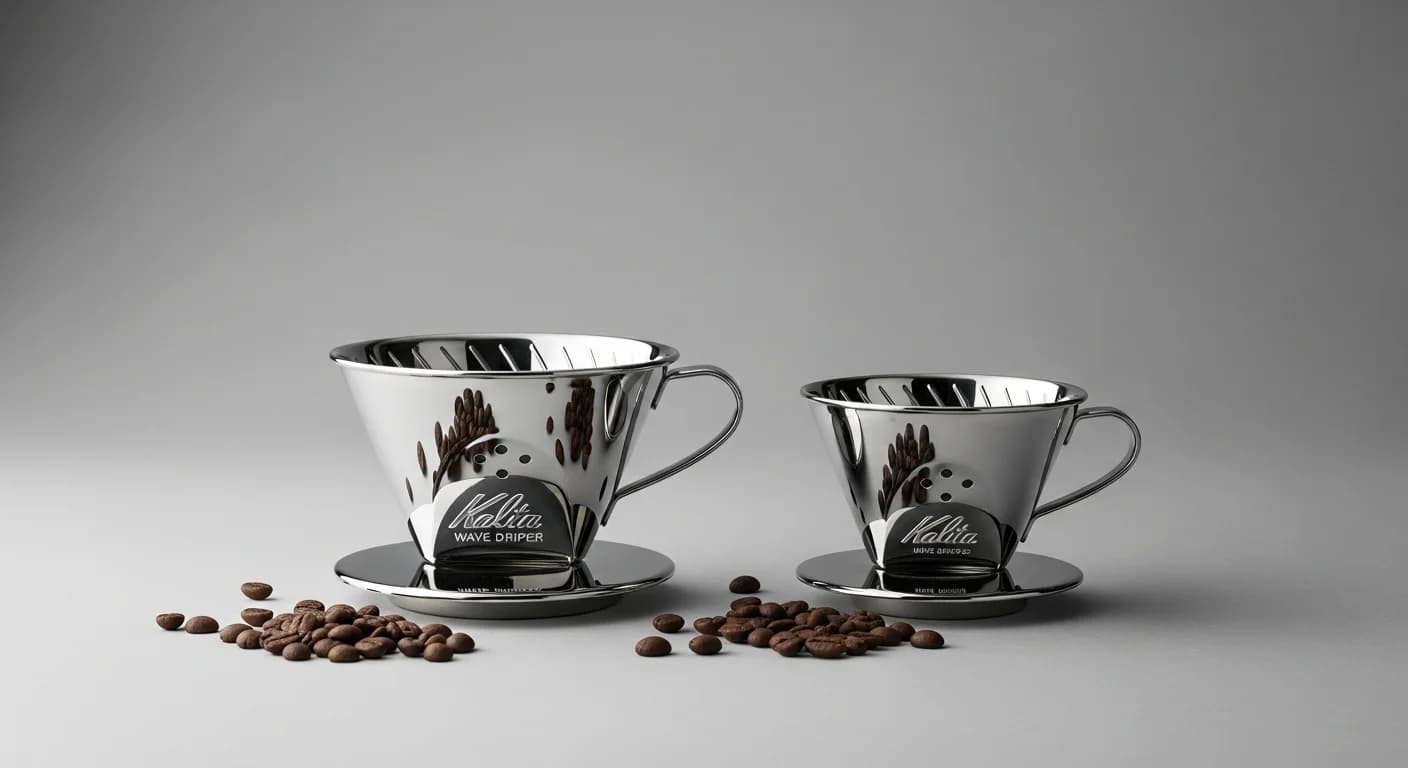
| Kalita Wave 155 | Wave | KWF-155 (Kalita) |
| Kalita Wave 185 | Wave | KWF-185 (Kalita) |
Note: Kalita Wave filters are a third shape category — corrugated paper that does not match standard trapezoid or cone filters.
Storage
Store paper filters in a dry location. Moisture absorption accelerates paper smell. After opening, keep filters in a sealed bag or tin. Even small amounts of humidity can affect filter quality over time.
Pros
- +Paper filtration removes coffee oils and fines for a clean, clear cup
- +Disposable design requires no cleaning — simplest maintenance of any filter type
- +Low per-filter cost makes ongoing expense minimal
Cons
- -Filter shape and size must precisely match the dripper — incompatible filters are unusable
- -Ongoing paper waste (metal filters are the alternative)
- -Moisture storage required to prevent paper smell buildup
Final Verdict
Filter selection comes down to one rule: match the filter shape and size exactly to your dripper. Hario V60 02 uses VCF-02 cone filters. Kalita 102 drippers use 102 trapezoid filters. Wave drippers use Wave filters. Beyond that, bleached vs unbleached is a preference call with no practical flavor consequence. Pre-rinsing costs 10 seconds and improves every cup.
Related Articles
- Best Electric Coffee Grinders Under 20000 Yen: 7 Picks for Serious Home Brewers
- Dripper Comparison: V60 vs Kalita Wave vs Chemex vs ORIGAMI [2026]
- Glass Coffee Dripper Guide — HARIO V60 Glass and Material Comparison
- HARIO Coffee Gear Guide — V60 Drippers, Servers, and Kettles
- Hario Switch Immersion Dripper Review — One Dripper, Two Brewing Styles
Frequently Asked Questions
QHario vs Kalita paper filter — which is better?
QBleached or unbleached paper filter — which should I choose?
QCan I use a metal filter instead of a paper filter?
About the AuthorExpert Reviewed

Coffee Guide Editorial
A team of certified writers and baristas with hands-on experience at origin farms and roasteries. We deliver practical, experience-backed guides on bean selection, brewing methods, and equipment reviews.
Credentials & Experience
- J.C.Q.A. Certified Coffee Instructor
- SCA Certified Barista
- 5+ years running a specialty roasting café
- 200+ coffee beans tasted annually