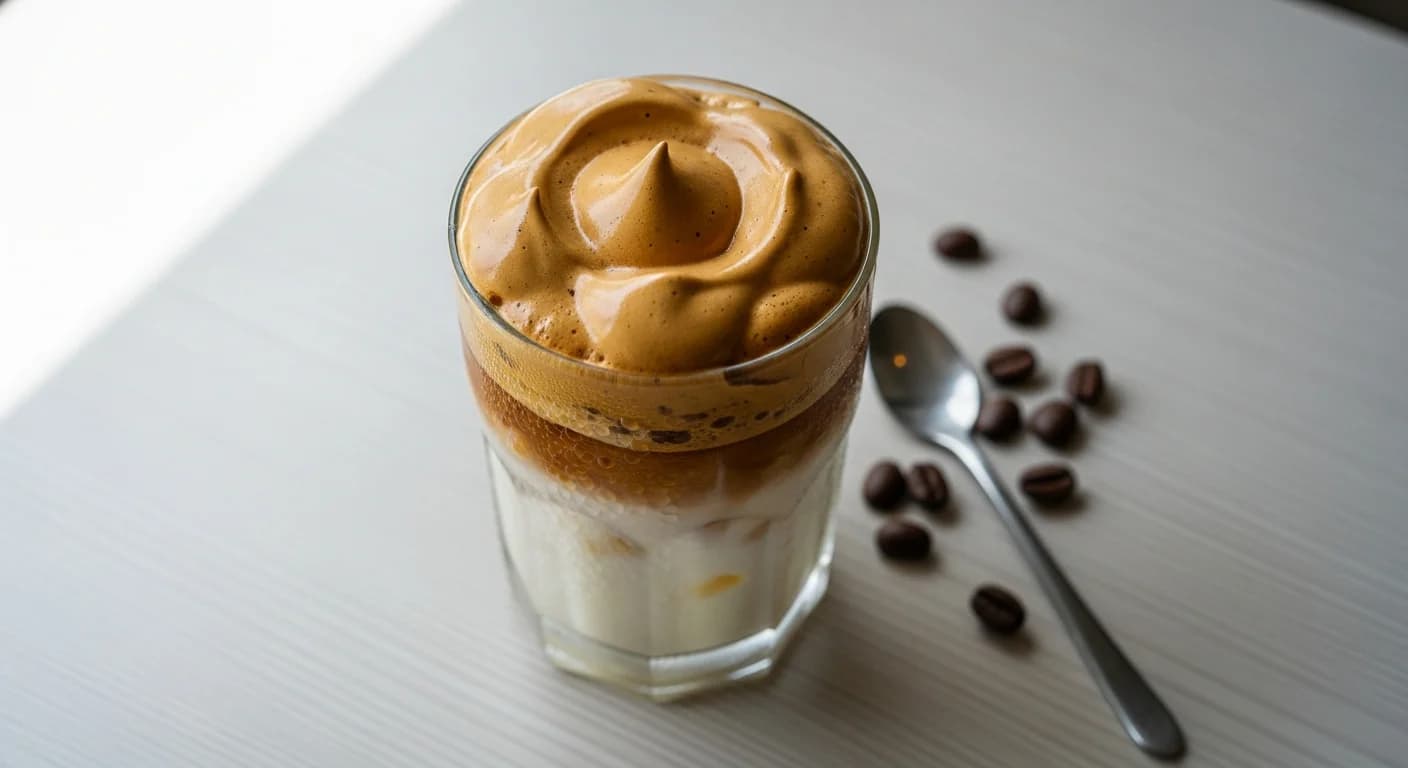
Non-Dairy Milk Coffee: Oat, Almond, and Soy Milk Compared
PRThis article contains affiliate links

Key Takeaways
- Oat milk (barista edition) produces the best steamed foam of the three and pairs broadly with most coffee roasts
- Almond milk curdles easily with acidic coffee and is best used cold; its low protein content limits foam quality
- Soy milk has the highest protein of the three and can be steamed, but its flavor competes with coffee more noticeably than oat milk
Plant-based milks behave very differently from cow's milk in coffee, and not all of them work well in every drink format. This guide compares the three most common options — oat, almond, and soy — across the characteristics that matter for coffee specifically: steaming behavior, curdling risk, flavor compatibility, and best use cases.
Non-Dairy Milk Coffee: Oat, Almond, and Soy Milk Compared
Ingredients
- 1–2 shots espresso
- 150–180ml barista edition oat milk
Steps
- 1.材料を準備する
- 2.抽出する
- 3.仕上げて完成
Comparison at a Glance
| Property | Oat milk | Almond milk | Soy milk |
|---|---|---|---|
| Flavor | Mildly sweet, grain | Neutral, faint nut | Distinct soy/bean |
| Steam quality | Excellent (barista edition) | Poor | Good |
| Curdling risk | Low | High (with acidic coffee) | Moderate |
| Creaminess | High | Low | Medium |
| Protein content | Low | Very low | High |
| Calories (per 100ml) | ~47 | ~13–25 | ~43 |
Oat Milk Coffee
Why it works
Oat milk is currently the dominant plant-based milk in specialty cafés. Its mild, slightly sweet flavor does not compete with coffee, and its creaminess (closer to whole milk than other alternatives) produces lattes with good body. Barista edition oat milk is specifically formulated to steam into microfoam comparable to dairy.
Hot oat milk latte
Ingredients
- 1–2 shots espresso
- 150–180ml barista edition oat milk
Method
- Pull espresso into a warmed cup
- Steam oat milk to 60–65°C, creating microfoam using the same technique as dairy milk
- Pour steamed oat milk over the espresso
Always use barista edition: Standard oat milk separates when steamed and produces grainy texture. The barista/professional version contains added emulsifiers that stabilize the foam. The difference is significant — standard oat milk does not work for latte art or microfoam.
Iced oat milk latte
Fill a glass with ice, add cold oat milk, then pour espresso over the top. The layers are visually appealing. Stir before drinking or leave layered for the gradual mixing effect.
Almond Milk Coffee
Limitations to understand
Almond milk has very low protein content, which means it cannot form stable foam when steamed. More importantly, the low pH of freshly pulled espresso causes the proteins in almond milk to denature and clump — this is visible curdling. Lighter roast coffees (higher acidity) make this worse.
Iced almond milk latte
Ingredients
- 1–2 shots espresso, allowed to cool slightly
- 150–180ml almond milk
- Ice
Method
- Pull espresso and let it cool for 1–2 minutes before adding to almond milk
- Fill glass with ice and almond milk
- Pour cooled espresso over slowly
- Add vanilla syrup if desired
Curdling prevention: Hot espresso poured directly into cold almond milk curdles almost immediately. Cool the espresso first, use a darker (less acidic) roast, and avoid light roast single origins. Cold brew instead of espresso eliminates almost all curdling risk.
Soy Milk Coffee
Characteristics
Soy milk has the highest protein content of the three alternatives, which allows it to form foam when steamed — something almond milk cannot do. However, soy has a distinctive beany flavor that varies by brand and processing method. Some people find it neutral in coffee; others find it intrusive. Soy milk can also curdle with highly acidic coffees, though less severely than almond milk.
Hot soy latte
Ingredients
- 1–2 shots espresso
- 150–180ml unsweetened soy milk
Method
- Pull espresso
- Steam soy milk to around 60°C — avoid going above 65°C, which increases curdling risk
- Pour over espresso
Cold brew soy latte
Ingredients
- 80–100ml cold brew concentrate
- 100–120ml soy milk
Cold brew's lower acidity is naturally more compatible with soy milk. Combine over ice. This format largely eliminates the curdling issue.
Summary
- Hot lattes: Barista edition oat milk is the most reliable choice
- Iced drinks: All three work; oat milk or almond milk (cooled espresso only) are best
- Steaming: Barista oat milk or soy milk; almond milk does not work
- Acidic light roast coffee: Avoid almond milk; oat milk is safest
- Low calorie priority: Almond milk is significantly lower in calories than the other two
Related Articles
About the AuthorExpert Reviewed

Coffee Guide Editorial
A team of certified writers and baristas with hands-on experience at origin farms and roasteries. We deliver practical, experience-backed guides on bean selection, brewing methods, and equipment reviews.
Credentials & Experience
- J.C.Q.A. Certified Coffee Instructor
- SCA Certified Barista
- 5+ years running a specialty roasting café
- 200+ coffee beans tasted annually