Matcha Coffee Latte Recipe: Japanese-Western Fusion Drink
PRThis article contains affiliate links
Key Takeaways
- A roughly 1:1 ratio of dissolved matcha and espresso forms the balanced base
- Dissolve matcha in 80°C water first to eliminate clumps before combining with coffee
- Oat milk complements both matcha and coffee flavors with its natural sweetness
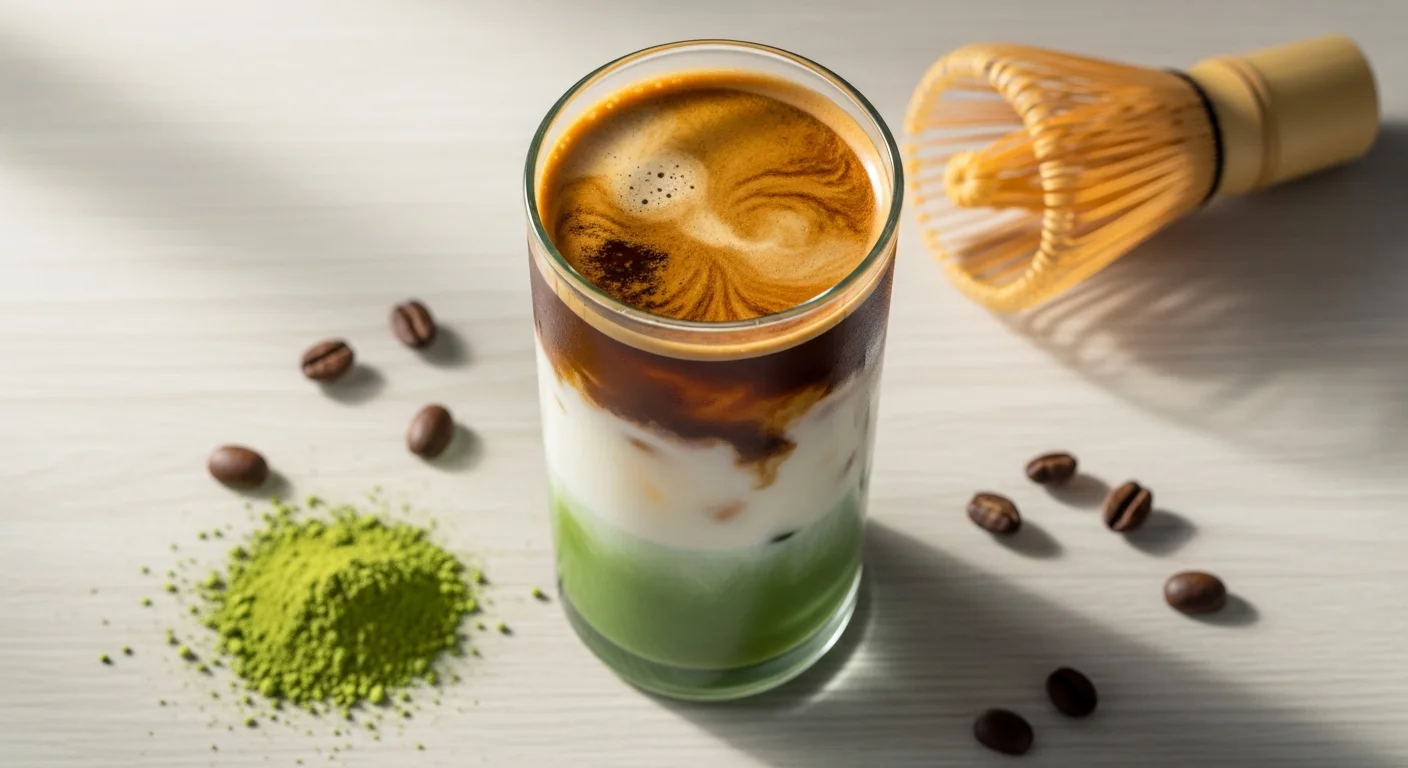
Can't decide between a matcha latte and a coffee? The matcha coffee latte gives you both. The grassy brightness of matcha and the deep richness of espresso create a layered flavor unlike anything else — it's become a popular offering at specialty cafés worldwide.
Matcha Coffee Latte Recipe: Japanese-Western Fusion Drink
Ingredients
- エスプレッソ30ml
- ミルク200ml
Steps
- 1.Dissolve the Matcha
- 2.Brew Espresso
- 3.Combine Matcha and Espresso
- 4.Add Milk
- 5.Sweeten and Serve
What Is a Matcha Coffee Latte?
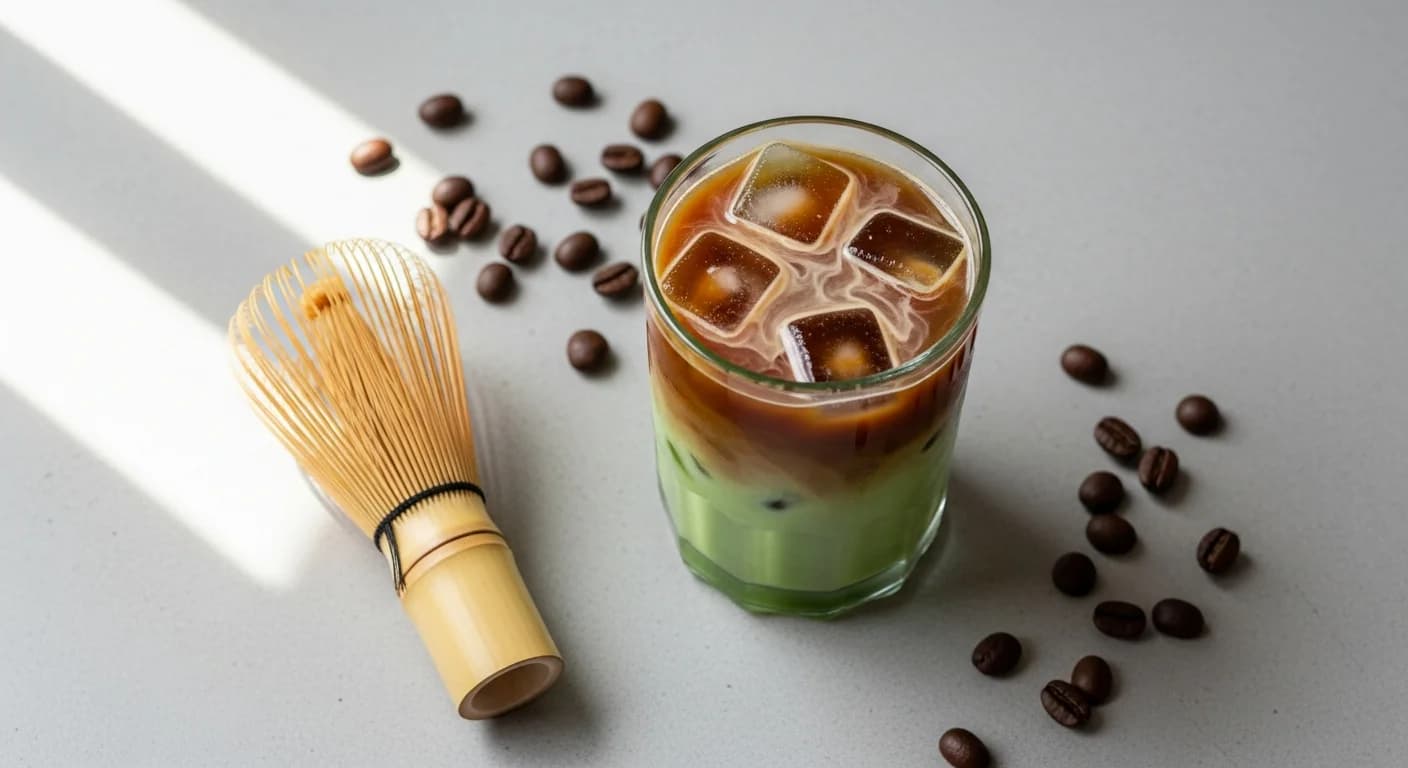
A matcha coffee latte is a fusion drink that combines dissolved matcha powder and espresso, then blends them with steamed or cold milk. It's sometimes called a "dirty matcha" or "matcha espresso fusion."
Ingredients (Serves 1)
Ingredients
- Matcha powder (culinary or ceremonial grade): 1–2 teaspoons (2–4g)
- Hot water at about 80°C: 2 tablespoons (for dissolving matcha)
- Espresso: 1 shot (30ml) or 30–40ml Moka pot coffee
- Milk or oat milk: 150–200ml
- Sugar or syrup, to taste
- Ice cubes (for iced version)
Equipment Needed
- Small bowl or deep cup (for dissolving matcha)
- Bamboo whisk (chasen) or small electric whisk
- Espresso machine or Moka pot
- Milk frother
Instructions
Step 1: Dissolve the Matcha
Add matcha powder to a small bowl. Pour in 2 tablespoons of 80°C water. Use a bamboo whisk in a quick "W" motion to dissolve the matcha into a smooth, lump-free paste.
Do not use boiling water: Water above 90°C damages matcha's delicate flavor compounds, making it taste bitter and flat. Use water around 80°C — boiled water that has cooled for 2–3 minutes works well.
Step 2: Brew Espresso
Pull 1 shot (30ml) of espresso.
Step 3: Combine Matcha and Espresso
Mix the dissolved matcha and espresso together. Adjust the ratio to your preference:
Matcha-forward (2:1): Bright, grassy, refreshing Balanced (1:1): Equal presence of both flavors Coffee-forward (1:2): Deep coffee flavor with matcha as an accent
Step 4: Add Milk
Hot version: Steam milk to 65°C and pour over the matcha-espresso base.
Iced version: Fill a glass with ice, pour in cold milk, then pour the matcha-espresso mixture over the top.
Step 5: Sweeten and Serve
Add sugar or syrup to taste. Dust a pinch of matcha on top for presentation.
Try oat milk: Its natural sweetness and creamy body complement both matcha and espresso without overpowering either. It's the most popular milk choice for this fusion drink.
Ratio Guide
| Style | Matcha | Espresso | Milk | Character |
|---|---|---|---|---|
| Matcha-forward | 4g | 15ml | 200ml | Grassy, refreshing |
| Balanced | 2g | 30ml | 200ml | Harmonious fusion |
| Coffee-forward | 2g | 60ml | 150ml | Bold coffee, matcha accent |
Variations
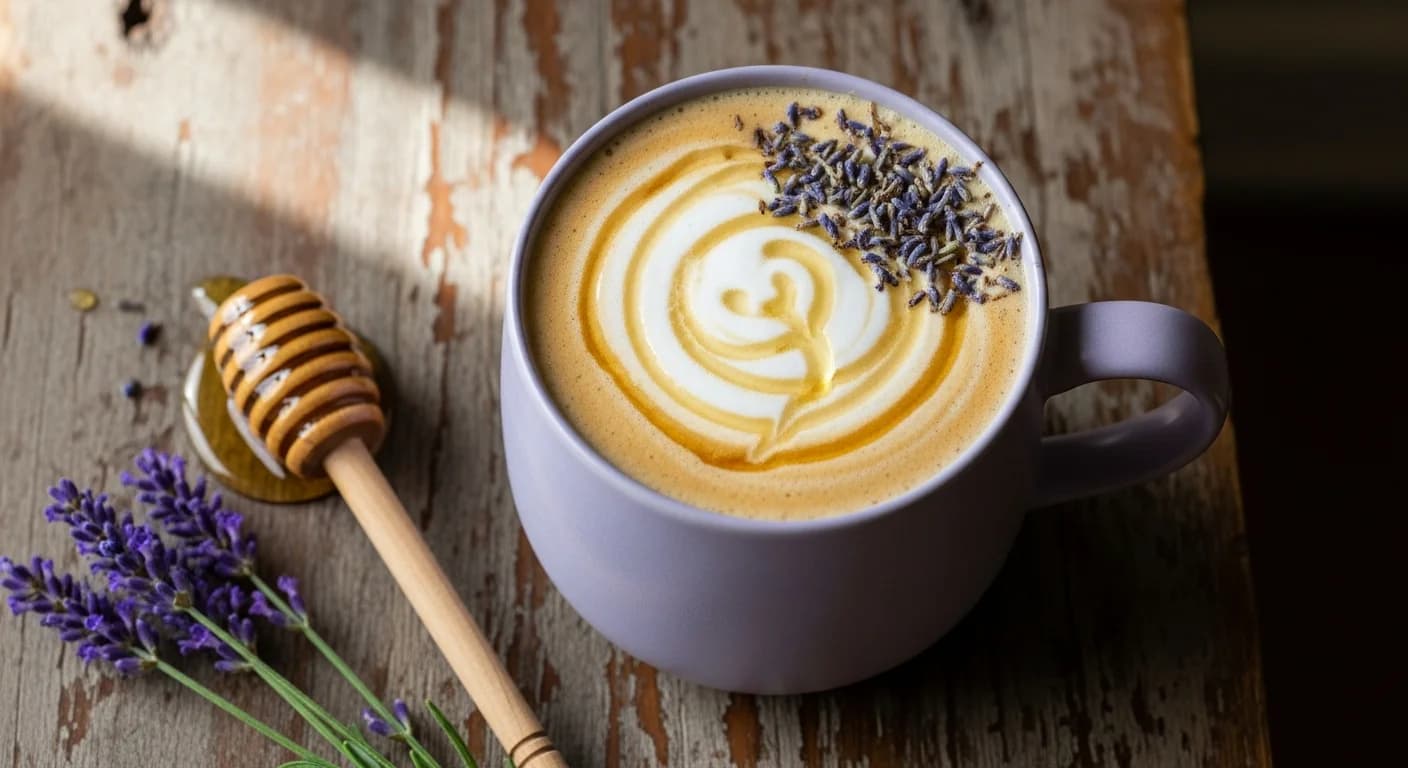
Honey matcha coffee latte: Swap sugar for honey to add a floral sweetness that bridges matcha and coffee beautifully.
Spiced matcha coffee latte: A small pinch of cinnamon or cardamom adds warmth and complexity.
Cold brew matcha latte: Replace espresso with cold brew concentrate for a smoother, less acidic coffee flavor.
Summary
- Dissolve matcha in 80°C water first — this step is non-negotiable for a smooth result
- A 1:1 matcha to espresso ratio creates the most approachable balance
- Oat milk is the ideal pairing for this fusion drink
- Start with less sweetener than you think you need — the natural flavors are complex on their own
Related Articles
- Iced Matcha Coffee Recipe: Cool Japanese-Inspired Drink
- How to Make Cafe Latte at Home: A Complete Beginner's Guide
- Coffee Chocolate Brownie Recipe: Rich Coffee-Flavored Snack
- Coffee Protein Pancake Recipe: High-Protein Morning Breakfast
- Coffee Protein Shake Recipe — Pre-Workout Caffeine and Protein
About the AuthorExpert Reviewed

Coffee Guide Editorial Team
A team of certified writers and baristas with hands-on experience at origin farms and roasteries. We deliver practical, experience-backed guides on bean selection, brewing methods, and equipment reviews.
Credentials & Experience
- J.C.Q.A. Certified Coffee Instructor
- SCA Certified Barista
- 5+ years running a specialty roasting café
- 200+ coffee beans tasted annually