How to Choose Coffee Beans 2026 | A Complete Guide Using 5 Key Criteria
PRThis article contains affiliate links
Key Takeaways
- Evaluate coffee beans across five criteria: origin, roast level, grind size, budget, and purchase channel
- Origin shapes the flavor direction; roast level controls the acid-to-bitter balance
- Beginners rarely go wrong starting with medium-roast Brazilian or Colombian beans
"I tried to pick coffee beans but there were so many options I had no idea where to start." This is one of the most common things people say when they first enter a specialty coffee shop or browse an online roaster's catalog.
The good news is that breaking the decision down into five key criteria removes most of the confusion. This 2026 guide walks through a practical framework for choosing coffee beans — one that applies whether you are buying your first bag or looking to expand your repertoire.
The Five Criteria for Choosing Coffee Beans
When selecting coffee beans, there are five main factors to consider. Working through them in order makes it easy to narrow your choices.
- Origin — The flavor direction (fruity, nutty, chocolatey, etc.)
- Roast level — The balance of acidity and bitterness
- Grind size — Compatibility with your brewing method
- Budget — Balancing quality with what you can sustain
- Purchase channel — Freshness versus convenience
These five criteria are interconnected. If you decide to brew espresso (grind size), a dark roast (roast level) naturally becomes the better match. Thinking in terms of criteria gives your choices a clear rationale.
Start with Your Brewing Method
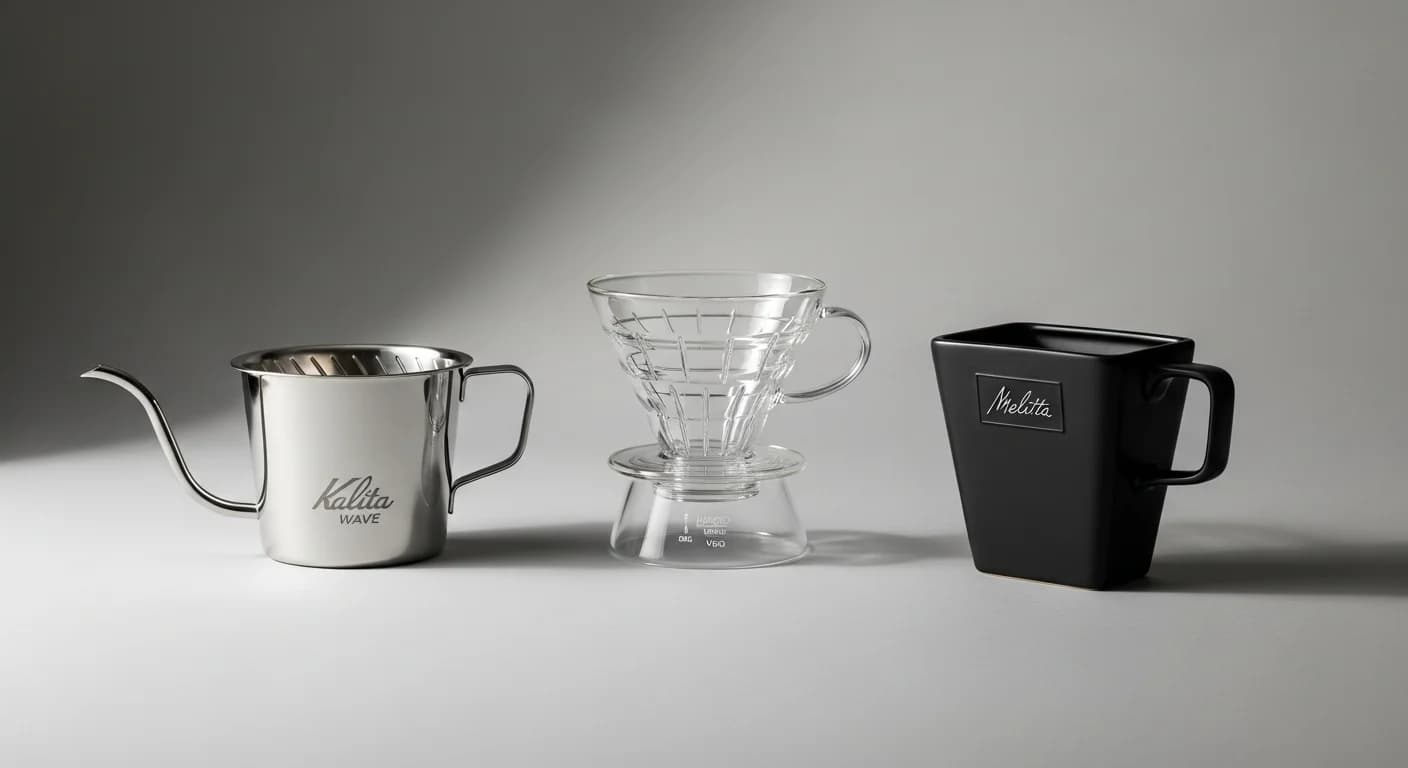
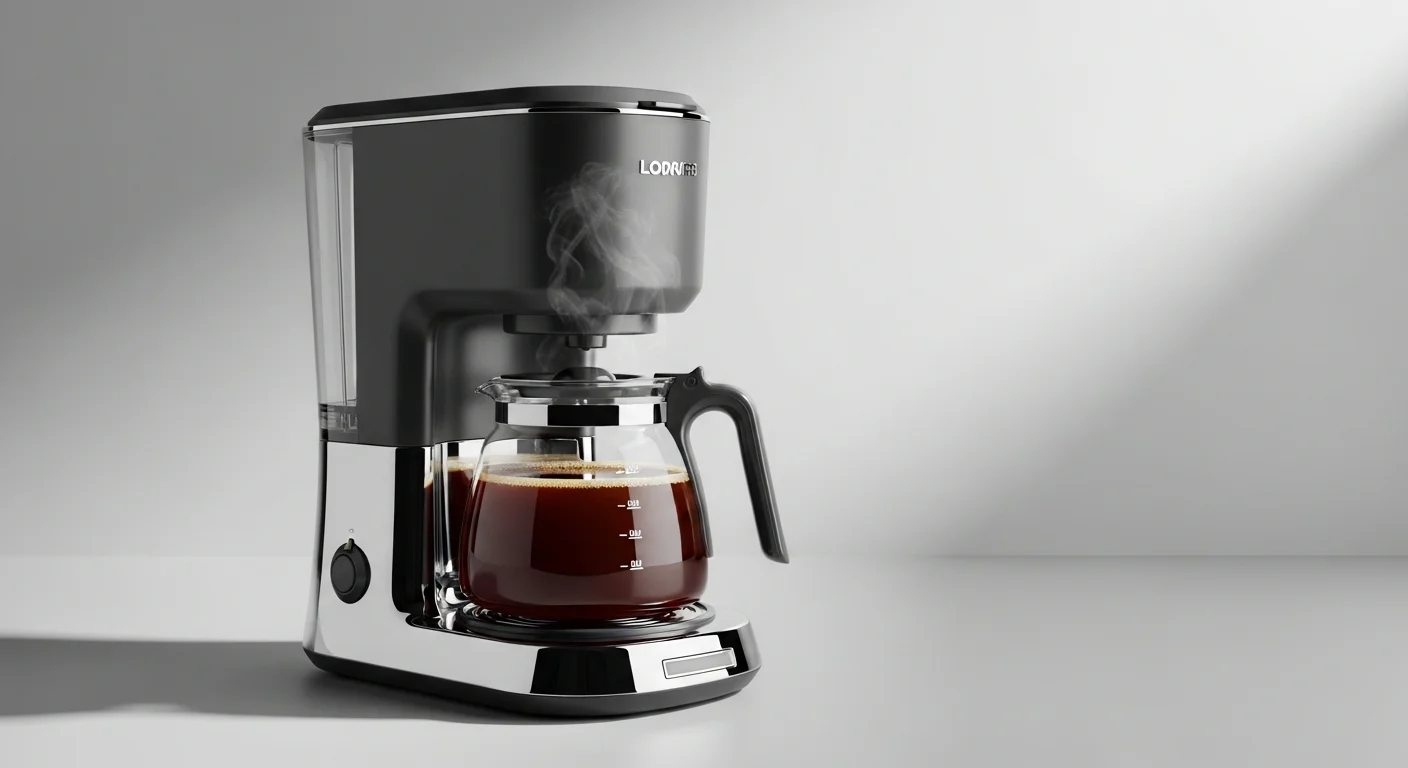
If you already have a brewing device — a dripper, French press, or espresso machine — work backwards from the grind size it requires. That simplifies the remaining criteria considerably. If you do not have a device yet, medium grind with medium roast is the most versatile starting point.
Choosing by Origin: Setting the Flavor Direction
The origin of a coffee bean has an enormous influence on its flavor character. Even at the same roast level, beans from different origins can taste completely different.
Brazil
The world's largest coffee producer. Brazilian coffee is known for its nutty, cereal-like aroma and mild body. Acidity is subdued and bitterness is gentle, making it highly versatile across brewing methods. This is the ideal "reference point" coffee for beginners.
Colombia
Fruity sweetness with soft, clean acidity. High-grade Colombian coffees like "Supremo" are consistent in quality and serve as an excellent entry point into specialty coffee.
Ethiopia
Considered the birthplace of coffee. Ethiopian coffees — especially at lighter roasts — offer floral aromas and complex, wine-like acidity reminiscent of berries and stone fruit. They reward those who want something distinctly different.
Indonesia (Mandheling, etc.)
Bold, earthy flavors with herbaceous and spicy undertones and a heavy body. Indonesian coffees shine at dark roasts and pair beautifully with milk.
Guatemala
Chocolate-like sweetness with a spicy edge. Medium-dark roasts unlock its best qualities. A good balance of approachability and character.
Choosing by Roast Level: Controlling the Acid-Bitter Balance
Roast level is the single factor most directly responsible for how a cup tastes. The same origin can produce dramatically different results depending on how dark the beans are roasted.
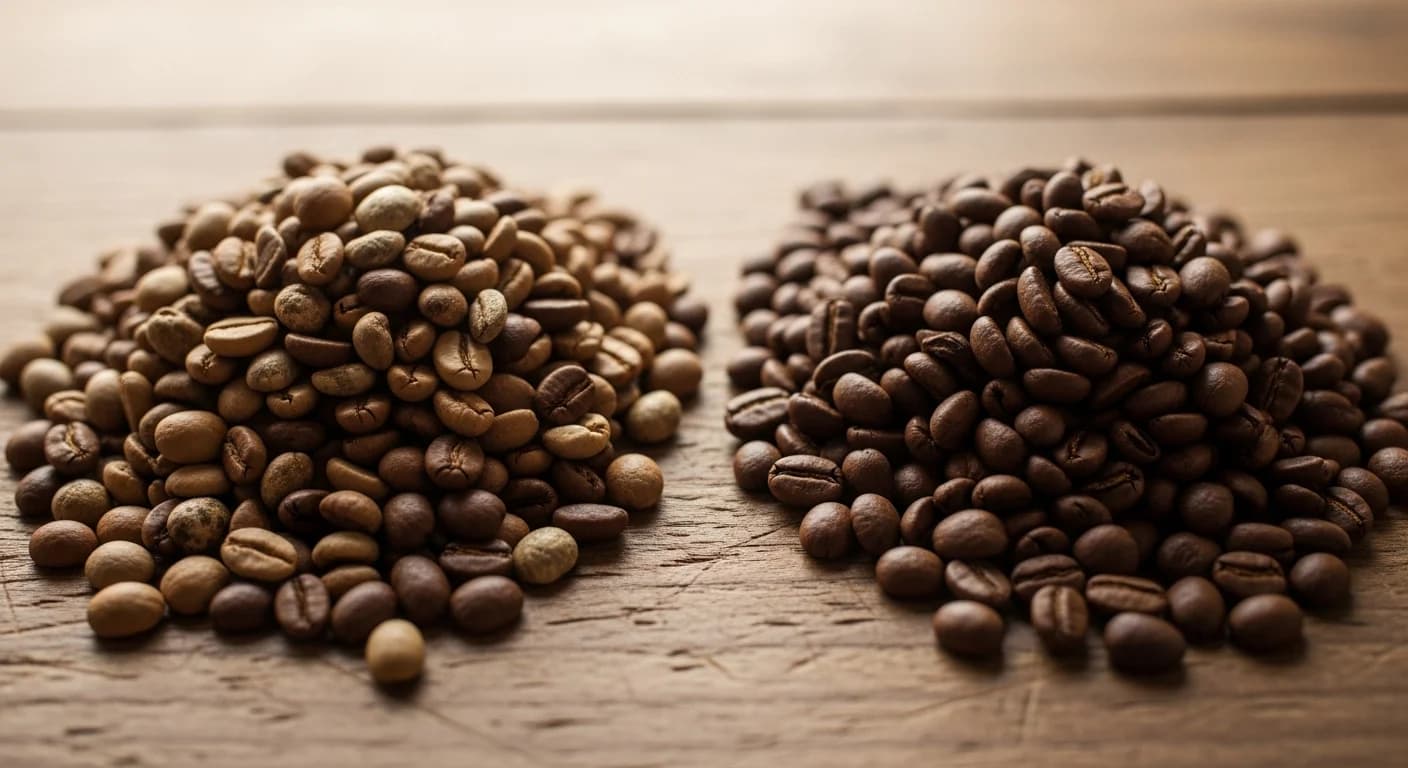
Light Roast (Light to Medium)
Short roasting time; bean color is a light to medium brown. Acidity is prominent and fruit-forward aromas are most vivid. The bean's inherent character comes through most clearly at this level.
Medium Roast (High to City)
The most balanced roast level. Acidity and bitterness coexist in proportion. Compatible with nearly any brewing method and the most recommended starting point for beginners.
Dark Roast (Full City to Italian)
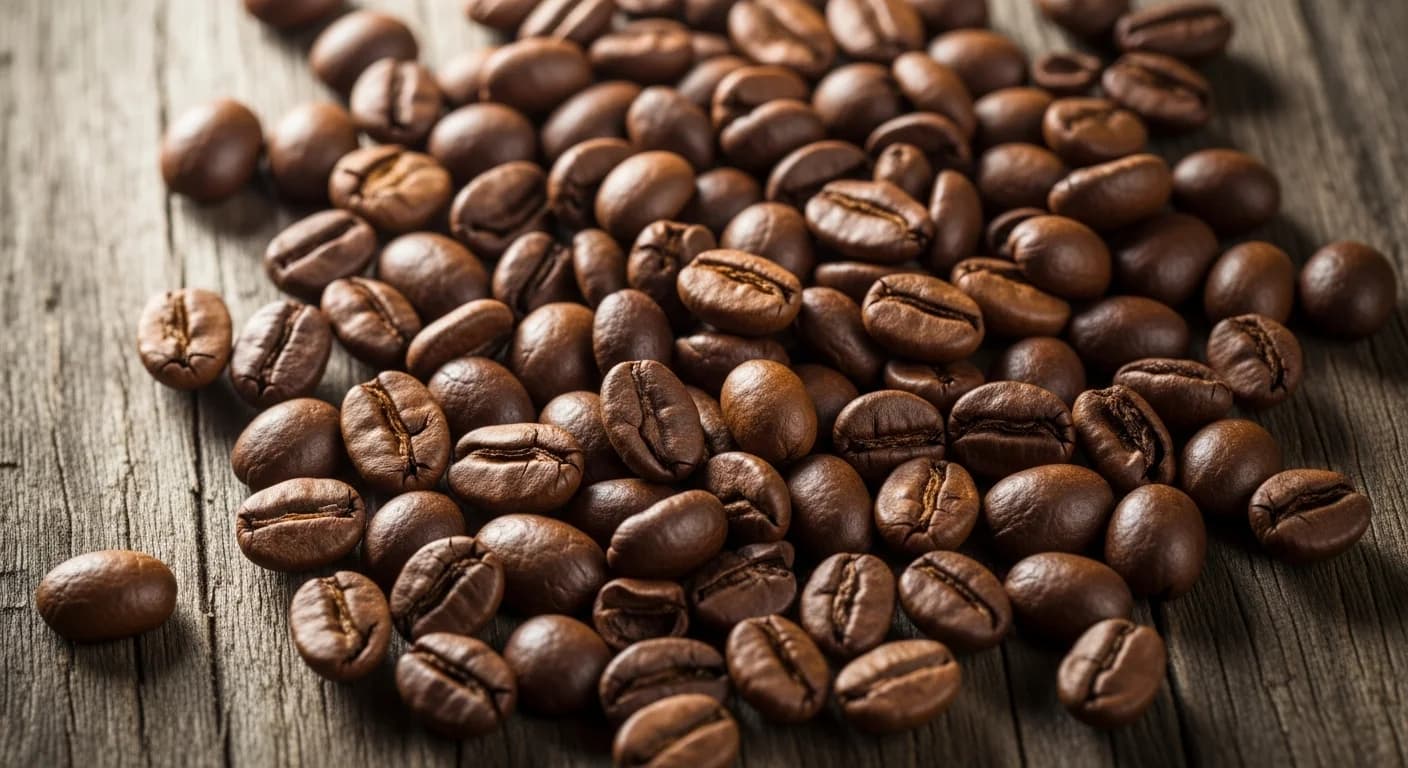
Long roasting time; beans are dark brown to near-black with visible surface oils. Bitterness is strong and acidity has largely faded, replaced by chocolate, caramel, and smoky notes. Well-suited to espresso and milk-based drinks.
Quick Roast Level Decision Guide
- Drinking black coffee: medium to medium-dark roast
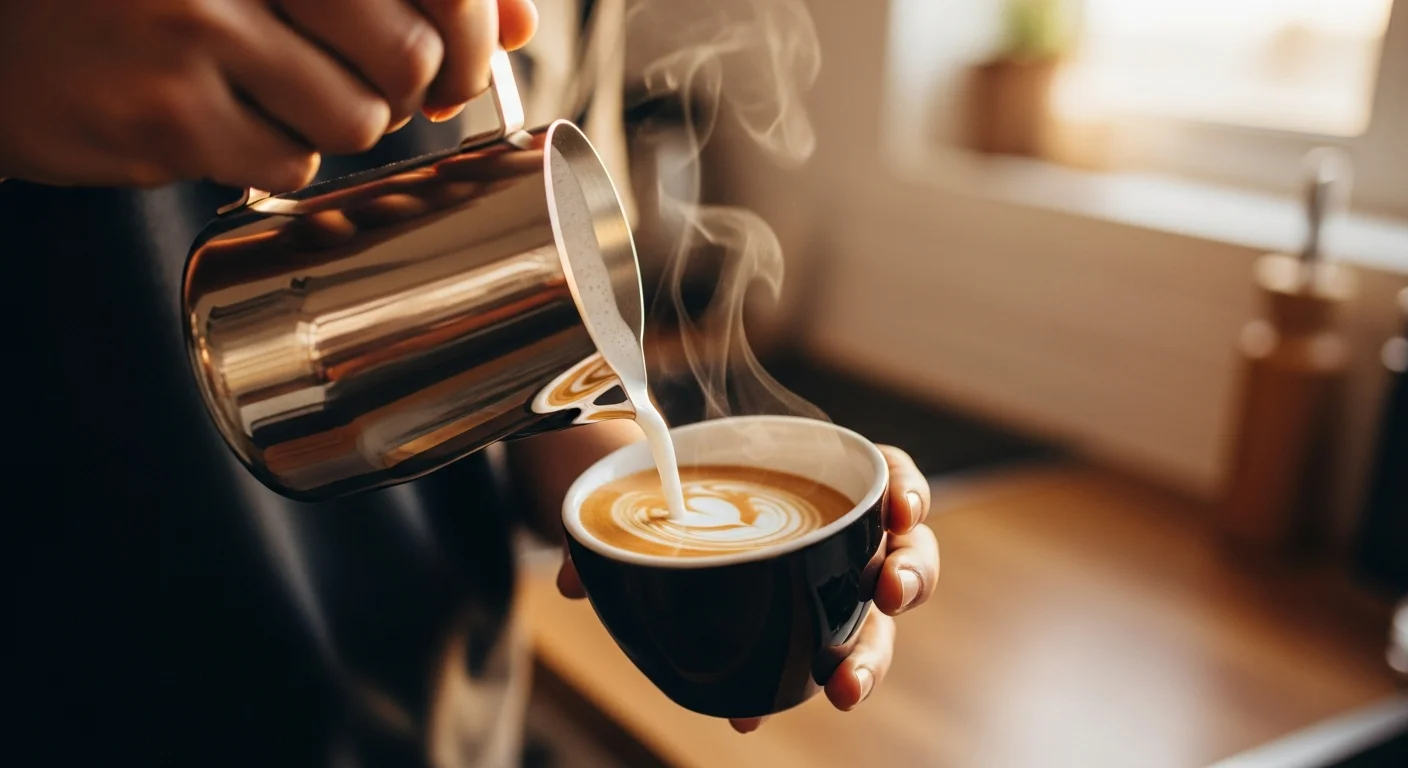
- Adding milk: dark roast
- Want fruity, floral aromas: light roast
- Not sure where to start: medium roast
Choosing by Grind Size: Matching Your Brewing Device
Grind size must match your brewing method. Mismatched grind size leads to over-extraction (bitter, harsh, astringent) or under-extraction (thin, weak, sour).
| Grind Size | Suitable Brewing Methods |
|---|---|
| Extra Fine | Espresso machine |
| Fine | Moka pot |
| Medium-Fine | Paper drip / pour-over |
| Medium | French press, drip |
| Coarse | French press, percolator |
If you do not yet have a device, defaulting to medium grind gives you the most flexibility. Most specialty shops will grind beans to your specification at the time of purchase — just tell them which brewing method you use.
Choosing by Budget: Balancing Quality and Consistency
Coffee bean prices range from about 400 yen to over 4,000 yen per 100g. Understanding the price tiers helps you find the right balance between quality and what you can realistically continue buying.
400–700 yen per 100g (Supermarkets, major online retailers)
Accessible and convenient. Quality is stable but roast dates are often unclear or old. Fine for daily consumption when freshness is a lower priority.
700–1,500 yen per 100g (Mid-tier roasters, entry-level specialty)
Most bags in this range clearly state the roast date and offer good variety in origins and roast levels. This is the best value zone for everyday drinking and is the range most recommended for regular use.
1,500 yen and above per 100g (Specialty / single-origin)
Detailed traceability — producer, farm, processing method — is standard at this level. Flavor complexity and transparency are high. Ideal for those who want to explore the full depth of what coffee can offer.
Summary
Breaking down coffee bean selection into five criteria — origin, roast level, grind size, budget, and purchase channel — transforms an overwhelming choice into a structured process.
In 2026, Japan's domestic specialty coffee scene is thriving, and high-quality beans are accessible through local roasters and online subscriptions alike. For first-time buyers, use these defaults:
- Origin: Brazil or Colombia
- Roast level: Medium roast
- Grind: Whole bean (or medium-fine ground for drip)
- Budget: 700–1,200 yen per 100g
- Channel: Specialty shop or online roaster with a clearly marked roast date
From this starting point, gradually adjust one criterion at a time to discover what suits your palate best.
Related Articles
- How to Choose a Coffee Dripper: A Beginner''s Complete Guide
- Blend vs Single Origin Coffee: Differences & How to Choose
- How to Choose a Coffee Dripper for Beginners — 7 Key Factors [2026]
- Complete Coffee Maker Guide for Beginners: How to Choose the Right One
- Beginner's Guide to Buying Coffee Beans | How to Choose Without Regret
Frequently Asked Questions
QWhat should a beginner decide first when choosing coffee beans?
QWhich origin is best for beginners?
QHow many grams should a beginner buy first?
About the AuthorExpert Reviewed
Coffee Guide Editorial
A team of certified writers and baristas with hands-on experience at origin farms and roasteries. We deliver practical, experience-backed guides on bean selection, brewing methods, and equipment reviews.
Credentials & Experience
- J.C.Q.A. Certified Coffee Instructor
- SCA Certified Barista
- 5+ years running a specialty roasting café
- 200+ coffee beans tasted annually